How to Stop Gambling (A Step-by-Step Guide That Actually Works)
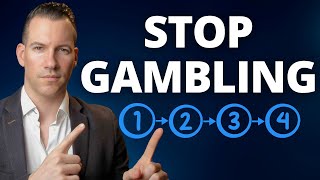
Addiction counselor Steve Rose walks through a CBT-based program to quit gambling using four worksheets: a trigger log, thought tracker, barrier plan, and activity substitution guide. He argues willpower alone fails; you need to block access, challenge distortions like gambler's fallacy, and replace gambling with rewarding activities.
Chapters
If you've ever said to yourself, "Just one more time," or believed you're just one win away from fixing everything, you are not alone. That's exactly how gambling tricks you by hijacking your thoughts, distorting your reality, and keeping you stuck in an endless loop. But there is a way out. I'm Steve Rose, an addiction counselor who's helped thousands of people break free from gambling, and in this video, I'm going to walk you through a proven step-by-step process using tools from cognitive behavioral therapy, which is one of the most effective tools for stopping gambling and in taking back control of your life. And stick around till the end because I'll show you exactly how to change the thoughts and behaviors keeping you stuck. Plus, I've created practical worksheets for each step so you can start applying this right away. So let's get into it. In short, cognitive behavioral therapy, or CBT, is a method that helps you change the way you think so you can change the way you act. It often starts with something called a functional analysis. This helps you map out the chain of events that lead to gambling. Think of it like detective work. What triggered the urge? What were you thinking and feeling? What happened afterward? Maybe it's payday, maybe you're feeling bored or stressed, and suddenly the urge hits. You think, just a quick bet. You open the app, place a few bets, and before you know it, you've spent your whole paycheck. You're filled with regret and the cycle starts all over again. When you can clearly see the pattern, you can start to change it. And to help you out with this, I've created a worksheet called the Gambling Trigger Log. Let's walk through how to use it step by step. Alright, so here's the gambling trigger log and you can use it to track situations where you had the urge to gamble or you actually gambled. You can start here by writing the date and time you actually had the urge to gamble. In the next step, you write down what actually triggered the urge to gamble. You can get some ideas for this category down below. Maybe it's boredom, stress, conflict, feeling lonely, just got paid, watching sports. Maybe you're drinking alcohol or maybe it's just a habit or routine. Whatever it is, you can write it down in that category. Next, you could write down what thoughts you were having at that time. Try to pay attention to the automatic thoughts that come into your head. Maybe something like, "Just a quick bet won't hurt," or, "I need to win back what I lost." These are the kinds of thoughts we'll work on changing later on. Step 4, you can write down how you felt before gambling. This might be similar to something in the trigger category like boredom, loneliness, or excitement, but whatever it was, just write it down. In the next column, we're going to look at the consequences. So write down what happened. Did you feel relief, regret, lose money? Did it impact your mood, your finances, or your relationships? Just write down how that went afterward. Once you've tracked a few of these, you might see some patterns start to emerge and you'll start to see specific situations and thoughts that keep pulling you in. Then you can use the reflection questions down below and gain even further insight into what's driving the urges. In the next step, we'll go even deeper and break down the unhelpful thought patterns using CBT. So now that you've started tracking the urges and triggers, it's time to dig into what you were thinking in those moments because gambling thrives on distorted thought patterns. And in CBT, these are called cognitive distortions. They're basically automatic thoughts that feel true in the moment, but are actually based on false beliefs. And I've created a worksheet called the Gambling Thought Tracker to actually help you label these thoughts, understand how they're working against you, so you can start to rewrite them. Let's take a look at the worksheet. So here's the Gambling Thought Tracker, and what you want to do is write down the thought that you had when you had the urge to gamble. You might even take it directly from the thought column of the previous worksheet. But whatever it is, you can just write it down without having to filter or judge it. As we said before, gambling often creates distorted beliefs, and we're going to classify what type of distortion might be happening here. So if you look at the next column, you can get some ideas about the type of distortions that might be happening by looking at the list below. It could be gambler's fallacy, where you believe a win is due after a losing streak, or the illusion of control, thinking skill or strategy can influence a random game. Chasing losses, believing you can win money back by continuing to gamble. There's selective memory, which is focusing on past wins and forgetting losses. Magical thinking, which is assigning meaning to random events. So in column 3, we're going to look at what is a more realistic thought. Here you can write down a more realistic thought to challenge the distorted one. For example, you might replace, I'm due for a win with every bet is random and the house always wins in the long term. Although you may realistically know this already, gambling thoughts often hijack your brain. And so this worksheet helps you practice spotting gambling distortions so they have less power over you in those moments where the urges come. And as you start practicing this, you'll start catching them moment to moment, being able to replace this distorted thought with a more realistic one, allowing the urge to fade. In the next step, we'll go even deeper into managing cravings proactively. So you can stop them before they even start. CBT isn't just about changing how you think, it's also about changing your environment. And that's where the next step comes in. It's all about making gambling more difficult to access. When your environment is full of triggers like having betting apps on your phone, saved logins in your browser, or easy access to money, you're setting yourself up for a relapse no matter how strong your willpower is. And that's why we need to look at your environment. To make this step easier, I've created a worksheet called the Gambling Barrier Plan. It helps walk you through your digital, financial, and physical triggers so you can create a plan to limit access to these triggers, reducing the risk of having an urge in the first place. Let's walk through the worksheet. So as you can see here, I've broken down the 3 major points of access. We have digital access, financial access, and physical access. So we're going to look at putting barriers in each of these categories. First, we'll look at digital barriers. This includes access to any kind of gambling apps, gambling websites, or gambling content more generally. Next, you can look at financial access. This includes any kind of easy access to money, such as credit or even digital currency. As you go through each of these lists, you can check off any of the items you've completed. And lastly, the final category would be physical barriers. This is particularly relevant if you do gamble in person. And so you can write down any of the high-risk places or situations you might find yourself in. And remember, this isn't about punishment. It's about creating a safe space to heal while your brain resets. And every barrier you put in place gives you more breathing room so you can work on your recovery. And in the next step, we'll look at how to fill the gap gambling leaves behind. So you can build a new life that actually feels good without it. One of the biggest mistakes people make when trying to stop gambling is thinking they can just stop without putting anything else in place. The truth is gambling often filled a need. Maybe it was the need to escape. Maybe it was excitement or just part of your routine. So recovery is not just about what you stop doing, it's about what you start doing as well. And to make this easier, I've created a worksheet called the Activity Substitution Plan, and it helps you map out exactly what gambling was doing for you and how you can meet those same needs in healthier ways. Let's take a look at the worksheet. So you can start by asking, what did gambling Gambling give me? If you need some ideas, you can take a look at the list down below or refer to some of the previous worksheets to get a sense of the pattern of the emotions that were leading to gambling. Then in the next column, you can look at what are some healthy alternatives to replace gambling? If you need some ideas, there's a list down below. Things like exercise, hobbies, or learning a new skill. Start small and experiment with new meaningful activities that will not only replace gambling, but will build a long-term sense of progress, purpose, and connection. So if you made it this far, it means you're serious about change. Maybe you've tried to stop before and it didn't stick. Not because you're weak, not because you're broken, but because willpower alone is not enough. That's exactly why I created the Recovery Roadmap. It's a step-by-step guide based on the tools of cognitive behavioral therapy so you can finally create lasting change. You can grab it at the link below and you'll get instant access to the worksheets I showed you in this video, providing a clear structure so you're not just using willpower, but you're following a proven plan. Wishing you all the best in your recovery.










