Is Gambling The New Smoking?
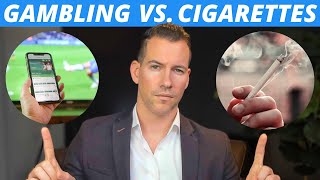
Addiction counselor Steve Rose compares gambling's rise to tobacco's playbook: sports sponsorships, influencer marketing, and gamified apps that exploit reward systems. Fantasy sports were legalized as "skill-based," then used to open doors for online casinos. Rose sees younger clients rapidly progressing to addiction, treating money as an abstraction in a game.
Chapters
Is gambling becoming the new smoking? Decades ago, smoking was glamorized, woven into our culture, endorsed by celebrities, and marketed as harmless fun. But behind the glitz was an industry profiting off of addiction and suffering. Now we're seeing the same patterns emerging with gambling, especially with the rise of online casinos and sports betting apps that are just a tap away 24/7. I'm Steve Rose, an addiction counselor who's had thousands of conversations with people whose lives have been impacted by gambling. In this video, we're uncovering the startling parallels between big tobacco and the gambling industry, exposing the hidden tactics designed to keep you hooked. Picture this, it's the 1980s and the roar of a Formula 1 race fills the screen. The cars speed past billboards emblazoned with Marlboro and Camel logos. Commercial breaks show rugged cowboys lighting cigarettes, stylish partygoers exhaling smoke in slow motion, and you hear slogans like, "The slim cigarette for sophisticated smokers." Smoking wasn't just a habit, it was a lifestyle woven into sports, culture, and identity. Now jump to today. You're watching a Premier League match. The camera zooms in on the players' jerseys and almost every team wears a gambling logo across their chest. Between the plays, ads of Bet365, DraftKings promise boosted odds and risk-free bets. These parallels are hard to miss. In the past, tobacco companies invested millions in sports sponsorships targeting fans who idealized athletes and wanted to emulate their cool, confident image. Today, gambling companies have taken the same playbook, splashing their names across stadiums, TV broadcasts, and social media. The goal is the same: to associate their product with excitement and prestige while masking the harms. They're not just selling a product, they're selling an experience. Like when you're watching a game and the announcers casually mention the latest betting odds, weaving it seamlessly into the commentary. Or when a commercial break flashes across the screen showing a young man celebrating a big win on a sports betting app. Surrounded by friends, laughing, fist pumping. The message is clear: betting isn't just fun, it's the key to excitement, connection, and success. What you don't see is the aftermath. The same young man alone in his room at 3:00 a.m., staring at his dwindling bank account balance, heart racing, unable to sleep after betting his last dollar on a virtual blackjack hand. Like big tobacco, the gambling industry is fully engaged in what is called limbic capitalism. As David Courrey describes in his book The Age of Addiction, It's an economic system designed to exploit the brain's reward centers, offering fleeting pleasure while concealing the long-term harm. Smoking wasn't depicted as a bad habit; it was a lifestyle, a dream. Fast forward to today, and gambling has become the new fantasy lifestyle. The industry doesn't show broken families or crushing debt. Instead, it floods your screen with images of flashing slot machines, carefree celebrations, and influencers flaunting their big wins. The ads are colorful, fast-paced, and seductive. They make it look like everyone is winning. It's easy, normal, and most of all, always fun. But behind the scenes, gambling companies are using the same strategies as Big Tobacco, doubling down on engineering their products to be as addictive as possible. Betting apps gamify the experience, complete with achievements and rewards that mimic video games. Slot machines are digitized, offering rapid spins and small frequent wins that keep you hooked. And the losses? They're they're hidden in plain sight. Digital balances make money feel abstract, like another number on a screen, like it's not even real life. Even the messaging mirrors the tobacco playbook. Tobacco companies once marketed light cigarettes as a safer choice, distracting from the harm. Similarly, the gambling industry uses responsible betting as a way to shift the onus onto the player rather than taking any responsibility for their intentional involvement in manipulating consumers and engaging in the cultural brainwashing. Deposit limits do exist, but they're buried under layers of user-friendly interface, encouraging encouraging you to keep going. And let's admit it, once somebody is addicted to gambling, setting deposit limits is like putting a Band-Aid on a bullet wound. The gambling industry, like tobacco before it, thrives on the gap between the pleasure it sells and the harm it hides. It isn't just about providing entertainment. It's about creating dependency, keeping you in the cycle of hope, risk, and loss. And unless we draw from history and confront these tactics, we risk falling into the same trap. To understand how online gambling became the juggernaut it is today, we need to look at a critical turning point: the legalization of fantasy sports. For decades, US gambling laws were strict, particularly around online betting. But the industry found a way to sidestep these regulations, and it all started with apps like DraftKings and FanDuel. Fantasy sports companies marketed their platforms not as gambling, but as a game of skill. This clever branding allowed them to avoid being classified as gambling under existing laws. This pitch to lawmakers was simple. This isn't gambling, it's a social activity, a fun competition amongst friends. And it worked. State after state legalized fantasy sports, but this was just the beginning. Once fantasy sports was legitimized, companies like DraftKings and FanDuel didn't stop there. They leveraged their newfound legal standing and massive user base to push for broader online gambling legalization. Fantasy sports became the Trojan horse opening the door to full-scale online casinos. Today, those same apps that started with fantasy football now offer slot machines, poker, roulette, and more, all accessible 24/7 on your phone. Fantasy sports apps built trust by presenting themselves as harmless fun. Millions of users joined, but once those users were in their system, the industry quietly shifted to focus on more addictive products. And thanks to the lobbying power of these companies, state governments rebranded online gambling as lucrative revenue streams, rewriting laws to accommodate this new wave of digital casinos. Behind the scenes, millions of dollars flowed into lobbying efforts to make this transformation possible. But as history has shown with companies like Big Tobacco, these changes aren't about public good. They're about maximizing profits. The result? A massive explosion in online gambling addiction. People who would have never stepped foot in a casino are now exposed to high-stakes gambling in the palm of their hands. And it all started with something as seemingly harmless as fantasy sports. One of the most insidious effects of online gambling is the normalization and how it blurs the line between casual entertainment and harmful addiction. When something is marketed as normal, fun, and just part of life, it becomes almost invisible, even as it starts to take over. And that's exactly what's happening with gambling today, just like it did with smoking. Ads tell you you'll be missing out if you don't gamble on their platforms. Influencers casually share their wins, sports announcers weave it into their commentary, and even friends casually ask what you're betting on tonight. The message is loud and clear: everyone's doing it, so why not you? When these voices surround you, it's easy to ignore the warning signs. But here's the real danger: when gambling is normalized, it creates a powerful barrier to seeking help. This shift leaves many people trapped, thinking, "If everyone else can handle it, why can't I? What's wrong with me?" And it's that shame and isolation that keep people stuck in a cycle they don't know how to break. And the gambling companies are banking on it, literally. Most of their profits actually come from high-risk gamblers. So their apps and platforms are designed to keep you engaged and coming back. Flashy graphics, constant notifications, small frequent random rewards continually trigger those dopamine hits. And the more you engage, the harder it becomes to stop. Not because you lack willpower, but because the system is engineered to keep you hooked. Stopping gambling now feels like you're giving up something as normal as scrolling social media or watching TV. You're not just battling addiction, you're fighting against the fear of missing out. For nearly a decade, I've been working with people struggling with gambling addiction, and in that time, I've observed a disturbing trend. My clients are continually getting younger. More and more of them are telling me the same story. Their problem started just a few years ago, right around the time where online gambling became legal in their area. They began with sports betting apps, harmless enough at first, placing small bets, watching a game, but it didn't stop there. What I've noticed is how quickly it transitions from sports betting to online casinos. And for many of my clients, the losses began piling up before they even realized what was happening. They describe how money doesn't feel real. It's just numbers on a screen, abstract, detached, like playing a video game. But unlike a video game, the consequences hit hard in the real world. This video game metaphor is one of the most common things I hear. It makes losing a bet not seem as serious because it wasn't cash leaving their hands. But when the credit card bills come due and they see the overdraft notices, the gravity of the situation sets in. They weren't just playing a game. They were gambling with their future, their relationships, and their mental health. This trend has been impossible to ignore. The accessibility of these apps combined with the relentless marketing is creating a new generation of people who are falling into addiction faster than ever before. For so many of these younger gamblers, it just seemed like a normal social pastime., but then it turns into something completely out of their control. This isn't just entertainment. It's an industry designed to profit from your losses, and they're shaping a culture where gambling is normalized and embedded into our everyday lives, and it's resulting in immense costs. Financial struggles, strained relationships, and emotional distress are the real price many pay. So as you navigate this world of constant betting opportunities, ask yourself, who's really benefiting here? Stay alert, be critical of how gambling is being depicted, and most importantly, ask yourself if the cost is worth it for you. If any of this resonates with you and you're needing support, click the link in the description for a free consultation. If you want to go deeper down the rabbit hole, check out my video here where I expose the lies gambling tells you to keep you hooked. See you in the next one.










