The Truth Behind Gambling’s Dangerous Illusions
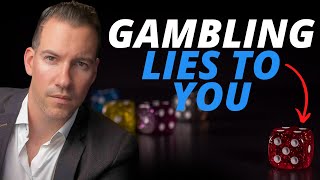
Addiction counselor Steve Rose breaks down four psychological traps the gambling industry exploits: pleasure, purpose, the crutch, and control. He explains why willpower alone fails and walks through concrete recovery steps like self-exclusion, financial blocks, and Gamban software.
Chapters
Do you ever feel like no matter how hard you try, gambling keeps pulling you back in? It's not because you lack willpower. It's because gambling is built on illusions that keep you trapped. These illusions are so powerful, they make you believe gambling is the answer when in reality, it's the very thing holding you back. If you're tired of that endless cycle of chasing wins and chasing losses, I'm here to show you how to break free, not by fighting harder, but by seeing gambling for what it truly is. My name is Steve Rose, and I'm an addiction counselor with nearly a decade of experience helping individuals individuals like yourself break free from gambling addiction. In my journey, I've seen firsthand how gambling is the problem masked as the solution. In this video, we're going to dive deep into the hidden truths behind gambling addiction, and I'll reveal how changing the way you think about gambling can lead you to reclaim your life and find genuine happiness. We'll explore the myths, uncover the real reasons gambling keeps you trapped, and equip you with the tools to break free once and for all. Make sure to watch till the end where I'll share some practical next steps on how you can reclaim your life. So let's get into it. The first illusion is that gambling provides pleasure. Have you ever had that moment where you take off a really tight pair of pants after a long day? The relief is almost instant, and for a few seconds it feels great, like you've been set free. But this relief doesn't last. And in many ways, it's exactly what gambling is like. It feels like pleasure, like excitement, but it's really just a fleeting release from the stress and discomfort that gambling itself has created. See, when you gamble, your brain floods with chemicals that give you that momentary high. It's a sense of relief from the emptiness you might feel between each bet. But here's the thing, that's not genuine pleasure. It's the tight pants coming off after not gambling has been squeezing your brain all day. The real trap is that the relief makes you believe gambling is the source of joy, but in reality, it's the thing that's been causing the discomfort in the first place. It's a cycle where your mind starts confusing relief with pleasure. And the more you gamble, the more you need to gamble to feel the same relief. It's like you're chasing something something that always slips through your fingers. Genuine pleasure, like spending time with loved ones, being out in nature, or doing something you love, leaves you with a sense of happiness, contentment, and fulfillment. Gambling doesn't do that. It leaves you feeling empty, hollow, like there's something missing, that you need to chase more, that it's never enough. And it's that emptiness that keeps you coming back. Your brain is tricked into thinking gambling can fill that void, but it's gambling that's causing the void in the first place. So here's the truth. Gambling is the problem disguising itself as the solution. It convinces you that you need it for pleasure, but in reality, it's the very thing robbing you of real joy. It's the illusion, the false promise that keeps you hooked, always chasing something you'll never find, and it'll never be enough. Now let's talk about the illusion of purpose gambling creates. Life can sometimes feel monotonous. Work, responsibilities, day-to-day routines. It's easy to feel like something's missing, like there's no greater meaning. And that's where gambling steps in. It offers a sense of excitement, progress, and even mastery. It tricks you into thinking that with each bet you're on the verge of something big. It feels like you're chasing a dream or achieving a goal. But in reality, what you're chasing is an illusion. It's a mirage that keeps slipping away. Gambling then makes life outside of it seem small in comparison. It creates this false sense of progression. You place a bet, your brain thinks, I'm getting somewhere, I'm getting closer to a win. It makes you feel like you're advancing, moving forward, as if you're mastering some skill or working towards something meaningful.. But here's the truth: it's not progress. It's a hamster wheel, and no matter how fast you run, you're not going anywhere. Gambling creates an existential vacuum, a void where everything outside of it starts to lose meaning. The thrill of the bet becomes the only thing that feels important. It's like your path to purpose. But in chasing that false sense of achievement, you end up neglecting things that bring you real fulfillment: your relationships, your passions, and your true goals. It makes you feel like you're gaining something when in reality it's the very thing taking your sense of purpose away. You start thinking, "If I just keep going, I'll get there." But there's no there. The only thing gambling provides is the illusion of purpose. And it's that illusion that keeps you from finding your real purpose in life. True purpose comes from things that grow and sustain you. Your work, your family, your passions. Gambling doesn't give you that. It looks like the path to progress, but it's the very roadblock standing in your way of everything that truly matters. Now let's talk about another powerful illusion. It's the idea that gambling is a crutch, something you can lean on when life gets overwhelming, like gambling is there to help you cope with whatever's going on. But here's the catch. It's not actually a crutch. It's the illusion of one. When you gamble, it's a temporary sense of relief, like the weight of your problems lifts for just a little while. But the relief isn't real. It's just the addiction easing its own symptoms. It's like taking a painkiller for a headache, but then it's actually the painkiller causing the headache in the long term. It creates that short-term relief at a long-term cost. Gambling creates the very stress and anxiety that you then turn to it to escape from. It's easy to mistake the brief relief for help, to think that gambling is somehow making things better or helping you deal with life. But what's really happening is it's deepening the problems you're already facing. And the more you gamble, the more you convince yourself that you need it to get through the day. And that's where the trap begins. The more you rely on gambling as a crutch, the more it becomes the very thing holding you back. So while it feels like gambling is helping you deal with stress or giving you a way out of your problems, remember this: it's not a crutch. It's the thing that's breaking you down. It's creating a cycle where you're stuck relying on something that's making everything worse. It's the illusion, the false comfort that keeps you coming back, when in reality the answer lies in breaking free from it altogether. Next, let's tackle a common belief: the idea that cutting down or taking breaks can help you control your gambling. Sounds reasonable, right? You figure, if I just cut back, I can space out the time between bets, I've got this under control. But the truth is, this is one of the most dangerous illusions. Here's what happens: you go a little bit without of gambling, your cravings become stronger, and when you finally give in and gamble again, the relief feels even more intense than before, and it tricks you into thinking, "See, I can control it. I can step away and come back when I want." But that's not real control. That's the illusion tightening the grip. The more you try to manage it by cutting down, the more you reinforce the illusion that you've got it handled, when in reality, the illusion is still there waiting to take over. Cutting down doesn't solve the problem. It actually puts gambling on a pedestal. The more you limit it, the more it feels like something special, something that you've been missing, And when you finally indulge, it feels like a reward. But what's actually happening is that you're feeding the cycle. You're making gambling more appealing, more desirable every time you step away and come back. The real solution isn't cutting down or taking breaks. It's about seeing the illusion for what it is. It's about realizing that gambling isn't something you can control by limiting your exposure to it. Once you become addicted, the addiction stays in the background, getting stronger, making it harder for you to stop the next time around. You don't need to space out your bets. You need to recognize that the idea of control is the very thing keeping you trapped. What's needed is breaking free from putting gambling on a pedestal altogether, tearing down the illusion that you can just cut back, because as long as it holds that power over you, it will keep pulling you back in. One of the biggest misconceptions about recovering from gambling is that it's all about willpower. You might think, if I just try harder, if I just stay strong, I can beat this. But here's the truth: it's not about willpower. It's about changing the way you think about gambling, and more importantly, seeing it for what it really is. The gambling industry has spent billions perfecting the products that keep you hooked. They've designed these games to hijack your brain and exploit the way we're wired and make sure you keep coming back. The flashing lights, the near misses, the sense that you're almost there. It's all carefully engineered to make you feel like you're in control, like you're on the verge of winning. But that's not the reality. On top of that, they've engaged in a mass campaign of brainwashing. Think about the ads you see constantly. The sports stars, the catchy slogans, the glamorous lifestyles. They make it look like gambling is harmless fun or even a path to success or happiness. But the truth is, they're not selling you genuine happiness. They're selling you a dream designed to keep you pouring money into a system designed to take as much from you as possible while giving you nothing in return. But what about the perks, you might ask? Let's talk about VIPs. It's a term that sounds positive on the surface but has a much darker meaning within the gambling industry. When companies call someone a VIP, they aren't celebrating them. They're targeting them. These so-called VIPs are individuals the industry knows it can manipulate by dangling perks like free rooms, exclusive bonuses, or special events. The real goal is to keep people gambling. These perks are designed to make you feel valued and important while ensuring you stay hooked and keep spending more money. It's a calculated strategy to give the illusion of specialness while they drain your wallet. And that's where the shift has to happen. Recovery isn't about how strong you could be in the face of temptation. It's about breaking down the lies that gambling has been feeding you. It's about recognizing that gambling has never been your friend. It's been your enemy hiding behind false promises. Now, maybe you're feeling a little angry after hearing this, and you should be. The system is designed to exploit you, to take advantage of your hopes and fears, and leave you with nothing but empty pockets and regret. That anger is important. It's a fire inside you. And it's exactly what you can use to fuel your recovery. So instead of trying to fight gambling with sheer willpower, use that anger to shift your mindset. Start seeing gambling for what it really is: a system fueled by corporate greed designed to hijack your brain and take from you while offering nothing in return. If you feel that fire inside you, use the energy to motivate you to cut gambling out of your life once and for all. Because real strength in recovery isn't about fighting harder, it's about seeing things differently so you can step away from the illusion altogether. If you're serious about breaking free from gambling, there are some concrete steps you can take right now. First, self-exclude from casinos and betting apps. Next, temporarily limit your access to funds by setting up blocks with your bank or asking someone you trust to help manage your money. You can also install software like Gamban to block gambling sites altogether, or even consider switching to a non-smartphone to reduce the temptation. Opening up to family or friends can also make a huge difference. Don't carry this burden alone. Try attending Gamblers Anonymous meetings. It's a great way to connect with others who understand what you're going through. And seeking counseling can also help tackle the underlying issues that might be driving your addiction. If you're ready to finally get your life back, click the link in the description to schedule a free virtual call with me and we can talk about potentially working together. If you like this video, it was inspired by Alan Carr's book, The Easy Way to Stop Gambling. His approach focuses on changing the ways you think about gambling, breaking down the illusions that keep you hooked. And if you're interested in diving deeper, I've I've included a link to the book in the description below. It's definitely worth checking out and has been life-changing for a lot of people. And remember, recovery isn't just about letting go of gambling. It's about reclaiming your life and becoming the person you were always meant to be.










