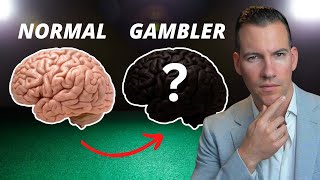
Addiction counselor Steve Rose explains how gambling hijacks the brain's reward system like drug addiction does. A big win triggers dopamine that reinforces the habit, while near-misses activate the same circuits as actual wins. Chronic gambling damages the prefrontal cortex, weakening self-control, but neuroplasticity means the same brain changes that entrench the habit can be reversed through therapy and new rewarding behaviors.
Chapters
What if I told you gambling rewires your brain just like drugs, keeping you hooked even when you know you should stop? I'm Steve Rose, and I'm an addiction counselor specializing in gambling. I've worked with hundreds of people struggling with gambling, and today I'm gonna take a deep dive into how gambling literally changes your brain, making it hard to stop once it becomes an addiction. By the end of this video, you'll understand why you can't stop gambling and how to break the cycle. Let's dive in. Many people start as recreational gamblers, But sometimes a big win can flip the switch. That rush from a significant win floods the brain with dopamine, reinforcing this behavior. This creates the illusion that gambling can be profitable, leading to more frequent betting. Once gambling becomes an addiction, the dopamine rush doesn't just come from winning though. It actually comes from the anticipation of winning. Your brain becomes wired to light up just thinking about the possibility of a win. That dopamine hit fuels the excitement, and before you know it, you're chasing that rush again and again, even if you don't win. It's not the actual reward that keeps you hooked, it's the anticipation of that reward. This release of dopamine makes it more likely that you'll keep gambling even when you're losing. And that's because your brain's reward system is telling you, "Just one more bet because the next one could be the big one," reinforcing the urge to keep playing despite the negative consequences. Now let's talk about near misses. It's those times when it looks like you're close to winning but just fall short. Although you'd think your brain would process this as a loss, it's not exactly that simple. In fact, when you experience a near miss, your brain lights up the same areas it would as if you actually won. This effect is much less pronounced in recreational gamblers, but once gambling becomes an addiction, your brain begins to interpret that near miss as almost winning. And this is what keeps you chasing even when the odds aren't in your favor. Next, once gambling becomes an addiction, your decision-making and self-control become distorted, largely because of how your brain's prefrontal cortex becomes impaired. Normally, this part of the brain helps you weigh long-term consequences over short-term rewards, keeping your impulses in check. But when gambling becomes an addiction, this system falters. During risky gambling-related decisions, your brain shows less activity in the ventromedial prefrontal cortex. It's the part of the brain responsible for evaluating risk. This means you're more likely to focus on immediate rewards, even when they come at a long-term cost. The ability to think ahead and make balanced decisions becomes impaired. If you struggle with substance abuse alongside gambling, this effect is even more pronounced. Your brain becomes less capable of assessing risk and learning from past mistakes, which keep keeps you trapped in a cycle of impulsive decisions. Instead of learning from losses, you're driven to keep gambling, chasing that next win despite knowing the consequences. Another way gambling changes your brain is that it creates patterns of avoidant coping. When life gets overwhelming with stress, anxiety, or depression, many people turn to different forms of escape. For persons addicted to gambling, it becomes that escape. When you're experiencing difficult emotions, gambling offers a temporary relief, a way to zone out or focus on the game instead of what's bothering you. But this creates a dangerous cycle. Persons addicted to gambling you begin to have deficits in emotional regulation. This means instead of managing your stress and anxiety in healthier ways, you rely on gambling to cope. The more you gamble, the more your brain associates it with emotional relief. Over time, it becomes harder and harder to deal with difficult emotions without gambling, pushing you deeper into the cycle. So instead of resolving the root causes of your stress, anxiety, or depressed moods, gambling keeps you stuck. It becomes the very thing making your emotional state worse in the long term. Despite the short-term relief, the more you use it as a coping mechanism, the harder it is to break free. But the incredible thing about the brain is its ability to adapt. This is a concept known as neuroplasticity. It means that while gambling can rewire your brain in harmful ways, the same ability can work in your favor when you decide to stop. When you engage in gambling repeatedly, the brain strengthens the pathways that associate gambling with reward and emotional relief. Over time, this becomes deeply ingrained, making it feel almost impossible to break free. But because of neuroplasticity, your brain is also capable of creating new pathways. And as you stop gambling and focus on healthier behaviors, your brain gradually rewires itself to prioritize those new behaviors and those positive habits. The more time you spend away from gambling, the less powerful those old pathways become. Instead, your brain starts to form connections and reward you for other activities like connecting with others, learning new skills, or managing emotions in healthier ways. With the right support, whether through therapy, mindfulness, or other recovery strategies, you can retrain your brain to break free from the cycle of addiction. Over time, your brain's reward system can actually recalibrate, allowing you to find pleasure and fulfillment in everyday life again. If you need support, you can reach out to me for a free consultation at the link in the description. If you want a breakdown of my best practical strategies on how to stop gambling without relying on willpower, check out my video here. And remember, recovery is not just about letting go of gambling. It's about becoming the person you were always meant to be.