When a nonprofit partners with a company on a cause-marketing campaign, it triggers state charitable solicitation laws that require filings in every state where the campaign runs. Each state has different forms, bonds, and disclosure rules, and vague marketing language often doesn't meet them. Non-compliance risks legal penalties, damaged reputation, and lost donor trust.
Chapters
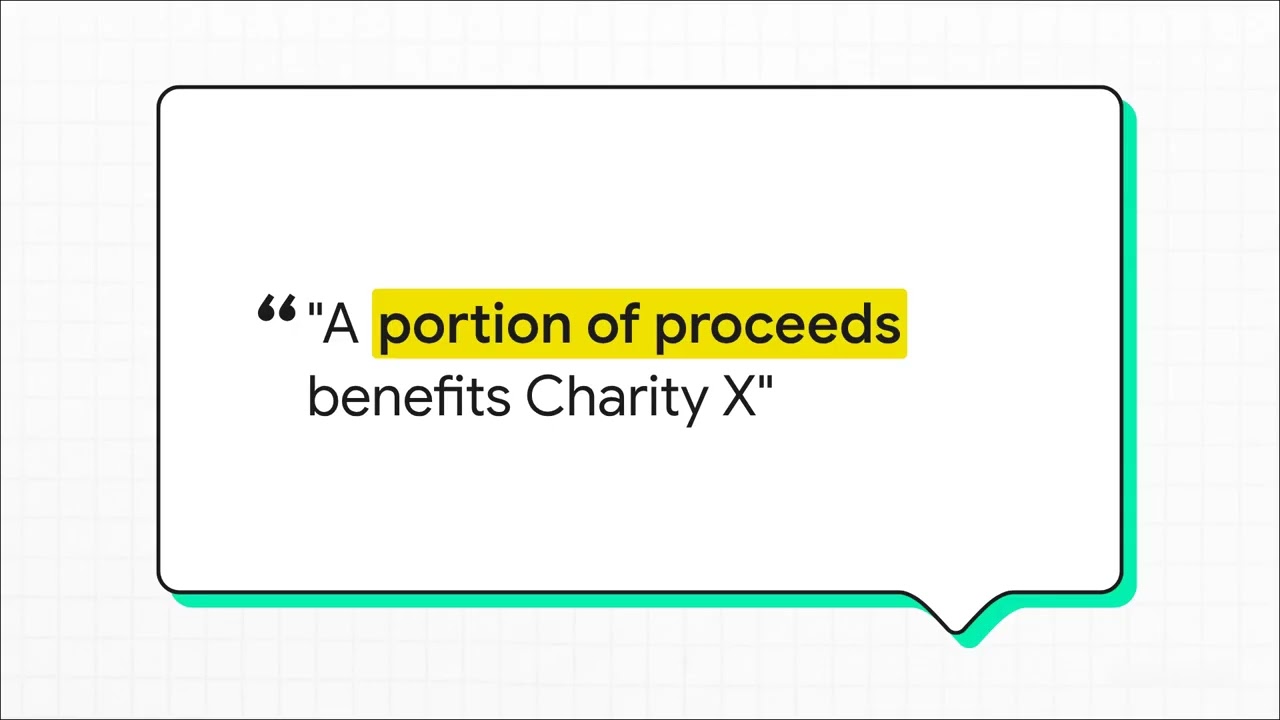
Today we're digging into a really important topic for any nonprofit that's looking to grow: corporate partnerships and the state filing risks that, well, can sneak up on you if you're not careful. Now, this explainer is part of the Multi-State Fundraising Compliance Series, which is brought to you by Ironwood Registrations. Our whole goal here is to take these complicated compliance topics and just break them down into practical, easy-to-understand terms for you, the nonprofit leaders and finance teams on the ground. Alright, let's jump right in! Corporate partnerships—they are a fantastic way to boost your mission and your reach. But—and this is a big but—the second your partner starts fundraising publicly for you, you know, through a cause marketing campaign, you've just stepped into a whole new arena of state-level filing rules that are incredibly easy to miss. So today, we're gonna shine a light on exactly what you need to be looking for. Here's what we're gonna cover: First, we'll talk about the core compliance risk. Then, we'll pinpoint the 2 main things that trigger filings. We'll also tackle the maze of multi-state campaigns, discuss why this is all about protecting your public trust, and wrap it all up with a super practical pre-launch checklist. So, let's start with the partnership compliance risk. You know, it's really important to get this. Not every single corporate partnership creates a filing headache. A simple donation from a company? That's usually fine. The risk really shows up under some very specific and honestly very common situations. So when does that risk dial get turned way up? Well, it happens the moment a business publicly says that buying their product will benefit your nonprofit, or when they ask for donations directly on your behalf. Anytime you see "a percentage of sales goes to charity" or a big national campaign mentions your name— boom! Those are the triggers that activate state charitable solicitation laws. And that leads us perfectly to the two main filing triggers you absolutely have to know about: commercial co-ventures and charitable solicitation. Let's pull these apart and see what they really mean. Okay, commercial co-venture. I know, it sounds super technical, but all it really is is the legal name for when a business runs a campaign to make a profit that also benefits a charity. It's exactly the kind of cause marketing we've been talking about. And the key thing here is that tons of states have very specific laws just to regulate these kinds of deals. For your corporate partner, this can translate into a mountain of paperwork. Seriously. Depending on the state, they might have to register before the campaign even starts, file a special notice, hand over the contract, post a bond, and then file a final financial report after everything is said and done. Now, you might be thinking this is all on the business. But not so fast! The nonprofit is definitely not off the hook. You are still responsible for some key things, like signing a compliant written agreement, officially giving the green light for the campaign, and keeping an eye on the promotion to make sure it's following all the rules. Because if those filings aren't done right, regulators could see the whole campaign as non-compliant. And this brings us to that second trigger. It's not just about your partner's obligations. These campaigns can actually blow up your own registration requirements. A partner's marketing efforts can, sometimes without anyone realizing it, pull your nonprofit into brand new states where you now have to register. Okay. Now let's talk about how this gets even trickier when you're navigating multi-state campaigns. This right here is where things can get complicated in a hurry. You have to ask a really important question: Is our campaign truly national? I mean, think about the full scope. Where is it being advertised? Does your partner have stores all over the country? Is the promotion happening online where anyone, anywhere can participate? And this visual really gets to the heart of the challenge. Every state is its own little maze. They all have different rules for coventures, different filing paperwork, and different things you have to disclose to the public. The most common and expensive mistake we see is when people assume that if they're good in one state, they're good everywhere. That is just not true. Let's take a look at this phrase. You've seen it a million times, right? "A portion of proceeds benefits Charity X." It sounds nice, but from a legal standpoint, it's dangerously vague. A lot of states demand you be crystal clear in all your marketing. They want the exact dollar amount per purchase, any maximum donation caps, the start and end dates of the campaign. This vague phrase? It probably doesn't cut it. So, let's talk about why this is about more than just dodging fines. We need to shift our focus to protecting your public trust. Because the risks we're talking about are just as much about your reputation as they are about operations. When compliance fails, it can really hurt your reputation. For one, it can shake your corporate partners' confidence. And believe me, they do their homework on your filing status before they sign on. It can also sour public perception, attract the wrong kind of media attention, and worst of all, damage that precious trust you've built with your donors. So, here's the bottom line: having a clean, stable compliance record isn't just about checking boxes. It's a strategic asset. It helps you avoid delays, it gives you a stronger hand in negotiations, and it builds credibility for your partnerships right from the get-go. So, what can you do about all this? Well, that brings us to our final section, and it's all about action. Here's your pre-launch checklist, the best practices for getting out ahead of these filing risks. Before you launch a single thing, just walk through these 6 steps: 1. Confirm if the campaign legally counts as a commercial co-venture. 2. Review the exact filing rules for every single state involved. 3. Make sure you have a compliant, written agreement in place. 4. Double-check that all the ads have the right disclosures. 5. Look at your own multi-state registration status to see if it needs updating. And finally, number 6, make sure your launch date lines up with all the filing deadlines. So, to wrap this all up, corporate partnerships are amazing tools for growth. There's no doubt about it. But they do add a new layer of complexity. As your fundraising gets bigger and more sophisticated, getting that compliance coordination right becomes absolutely critical to protect your organization and your partners. And I want to leave you with this last thought: try to stop thinking of compliance as just a chore or a burden. Instead, think of it this way: a strong compliance infrastructure is the very foundation that makes your strategic growth possible and sustainable for years to come.