In this Ironwood Registrations explainer, the presenter walks nonprofit leaders through the consequences and remedies when a nonprofit solicits donations in a state where it is not registered. The video first explains why states require registration—primarily to promote transparency and protect donors. It then describes how organizations typically discover registration gaps, either through regulator notices, internal audits, or the expansion of fundraising activities. The presenter outlines the range of state responses, from simple requests for late registration to fees, penalties, documentation demands, or temporary pauses on solicitations, emphasizing that regulators aim for compliance rather than punishment. The core solution presented is retroactive registration, a four‑step process (submit forms, provide financial records, pay filing fees, and settle any penalties). The video also highlights key factors that affect a regulator’s response, such as intent, duration and amount of unregistered fundraising, and the nonprofit’s cooperativeness. Finally, it offers best‑practice prevention tactics: regularly map donor locations, monitor campaign targeting, track renewal deadlines, and conduct periodic compliance reviews to keep the organization’s fundraising ambitions aligned with state requirements. The overall message is that unregistered fundraising is a manageable compliance issue that can be resolved through clear steps and proactive monitoring.
Chapters
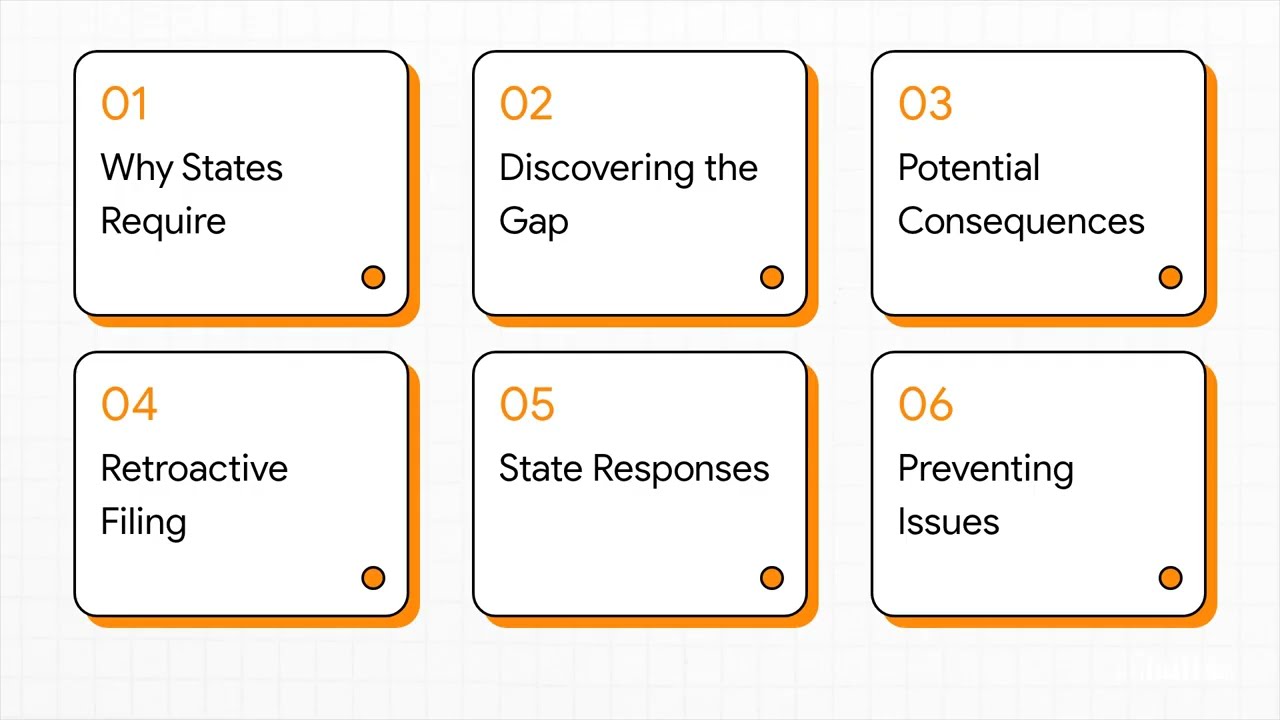
Hello and welcome to our explainer on unregistered fundraising! This is a really crucial topic for any growing nonprofit, and we're here to break it all down into practical, easy-to-understand steps. This guide is brought to you by Ironwood Registrations, and it's part of our multi-state fundraising compliance series. Let's dive right in! Look, if you've ever worried about this, you are definitely not alone. It's an incredibly common scenario. You know, A lot of the time, it's just a simple misunderstanding of the rules. Or maybe, and this is a pretty great problem to have, your fundraising has just taken off faster than you ever planned for. It happens. So that brings us to the big question we're tackling today. What are the actual consequences if a nonprofit is fundraising in a state where it's not registered? We're going to break down what can happen and more importantly, how organizations can resolve these situations. Here's our game plan: we'll start with why states require registration in the first place. Then we'll look at how nonprofits usually discover these gaps, what the potential consequences are, the process of what's called retroactive registration, what influences a state's response, and finally, how to prevent these issues from happening again. Alright, first things first, let's really get to the why behind all of this. Why do these laws even exist? Well, it all boils down to two key things: promoting transparency and protecting donors. Yeah, try to think about it from a donor's point of view. These regulations are really in place to achieve three main goals. By requiring organizations to register, states make sure that anyone thinking of donating can find credible information about your nonprofit. It's all about building trust and accountability, which in the end is good for everyone. Okay, so we know why these rules exist. But how do nonprofits even figure out they have a registration gap in the first place? It's often not until fundraising is already going strong that an organization realizes there might be an issue. Let's look at how that usually happens. You know, the discovery often happens in really normal ways. An organization might decide to expand its efforts into a few new states, or maybe an online campaign just takes off and starts reaching donors all over the country. Sometimes a state regulator will send a notice. But honestly, it's pretty common for organizations to find the issue themselves during an internal audit or a compliance check. Alright, this is the big question, right? The one that probably causes the most stress. If you've solicited donations without being registered, what can a state actually do? Let's take a look at the typical official responses. The response from a state can really vary. It might be as simple as a request to file a late registration. In other cases, there could be some late fees or penalties involved. They might also ask for more documentation about your past fundraising, or they could even ask you to hit pause on solicitations in that state until you're all caught up. But here's something absolutely critical to remember, and it's a huge relief for a lot of organizations: the primary goal of most state regulators isn't to punish you, it's to ensure compliance. They're usually focused on helping organizations get registered and operate correctly from that point on. So, we've established the goal is compliance, not punishment. How do you actually get there? Well, when a nonprofit finds a past gap, the most common solution is a process called retroactive registration. Let's just define that really clearly. Retroactive registration is simply the formal process of going back and completing the registration paperwork for any previous years where your organization was fundraising in a state but wasn't registered at the time. The process itself is pretty straightforward. It usually involves these 4 steps. You'll need to submit the right registration forms, provide financial documents for the years in question, pay any of the normal filing fees, and take care of any late penalties. While the details can change from state to state, this is the standard path to getting compliant. Of course, not every situation is exactly the same. A state's response can be influenced by several key factors when they're looking at a case of unregistered fundraising. So, when a regulator is looking at a situation, they're typically considering a few things. Was this an intentional oversight or was it an honest mistake? How long was the gap and how much fundraising was actually done? But you know, maybe the most important factor is this one: how cooperative is the nonprofit in fixing the problem? Being proactive and transparent can make a huge difference in how smoothly the whole process goes. Alright, so we've talked a lot about fixing things after the fact. But now for the best part: how to get ahead of the curve and prevent these issues from popping up in the first place. Staying on top of this is all about building some good habits into your routine. You should regularly take a look at where your donors are actually located, keep an eye on where your campaigns are being targeted, and of course, track all of your renewal deadlines. A simple periodic check-in to see if new registrations are needed is an incredibly effective best practice. And really, that's the whole idea right there. Fundraising programs aren't static. They grow, they change. So your compliance strategy needs to be just as dynamic. That periodic review is the absolute best way to make sure your organization stays aligned with all the rules as you expand your mission's reach. So to wrap things up, let's just circle back to where we started. These laws aren't designed to be punitive roadblocks. They exist for a really important reason: to create a transparent, trustworthy environment for charitable giving. And remember, if you do find a registration gap, it's not the end of the world. There is a standard, manageable solution. The goal is just to correct the record and bring your organization into full compliance, usually through those retroactive filings we talked about. So we'll leave you with this one question to take back to your team: Is your compliance strategy really keeping pace with your fundraising ambitions? Taking the time to answer that question now can save you a world of headaches down the road. Thanks for watching!