In this instructional video, Steve Urich (presenting on behalf of Ironwood Registrations) explains what happens when a nonprofit solicits donations in a state before completing the required charitable registration. He outlines why organizations often find themselves in this situation—rapid online growth, mistaken belief that federal 501(c)(3) status is sufficient, or a fast‑moving campaign outpacing compliance planning. Urich then details the possible regulatory consequences: compliance notices, stop‑order letters, retroactive filing requirements, back‑fees, late fees, and civil penalties, emphasizing that the length of time the organization has been unregistered directly affects the complexity and cost of remediation. He reassures listeners that proactive, good‑faith outreach to state regulators can mitigate the worst outcomes. A clear, step‑by‑step action plan is provided—pause and assess the states, duration, and dollar amounts; review each state’s specific rules and any exemptions; gather necessary documentation; and file registrations promptly. The video debunks two common myths: that low fundraising amounts or lack of complaints mean compliance isn’t required. Finally, Urich advocates building a proactive compliance framework that integrates registration checks into campaign planning, conducts annual donor‑source reviews, and assigns clear ownership within the team, turning compliance from a reactive headache into a strategic strength. He directs viewers to ironwoodregistrations.com for deeper resources.
Chapters
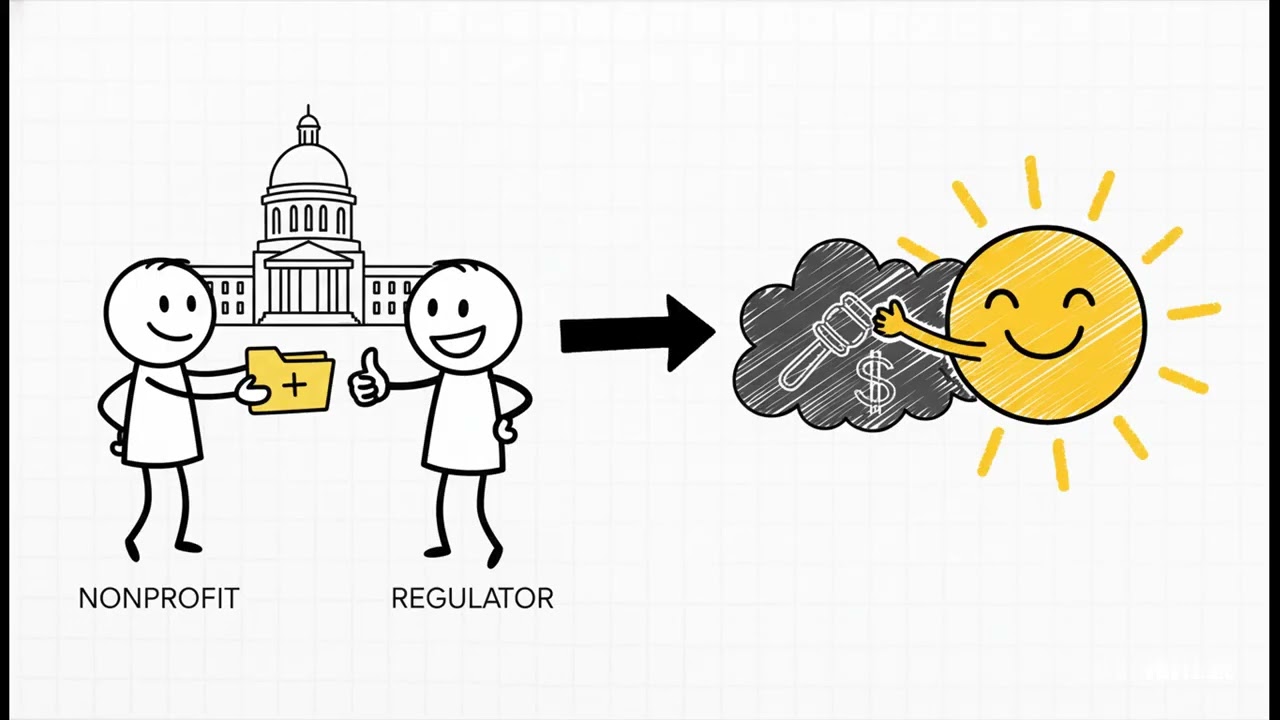
So let's talk about a question that keeps a lot of nonprofit leaders up at night: What actually happens if you start fundraising in a new state before you've officially registered there? It's a huge compliance question, and we're gonna break it all down. And just so you know, the information we're covering today is a resource from the specialists over at Ironwood Registrations. It's all part of their series on making multistate fundraising compliance really clear and practical for nonprofit leaders and their teams. Alright, so picture this: your nonprofit, it launches this amazing new campaign. The online donations are starting to come in, maybe you're even submitting a big grant application. Everything feels like it's going perfectly. And then, someone on your team asks that one question that can just stop everything dead in its tracks. And that's the moment, right? That's that sudden stomach-drop realization that your fundraising reach might have gotten way ahead of your compliance paperwork. It's a tough question, and believe me, it sends a lot of organizations scrambling for answers. Now, before anyone starts to panic, I want you to know this happens all the time. Seriously, it's an incredibly common scenario. And usually, it's just a side effect of successful growth. It's not a sign that you are trying to ignore the rules. The real key is how you handle it once you figure out it's an issue. So, how do really well-meaning nonprofits even get here? Well, it's almost never a sudden thing. You know, online fundraising just naturally expands your reach. Sometimes, leadership might just assume that being a federal 501 covers everything. Or maybe a really exciting campaign just takes off before anyone has a chance to evaluate compliance. The point is, most organizations don't do this on purpose. They just simply outgrow their original compliance plan. Okay, so what are the actual stakes here? What could really happen? Well, the truth is, it depends. It really varies based on the state you're in, how much fundraising you've been doing, and—this is the most important part—how how quickly you take action to fix it. Let's break down some of the possibilities. The first thing you're likely to see is some kind of official letter. A state regulator might send a compliance notice, or maybe a letter asking for more information. It could be a formal request to get registered, or in more serious cases, an order to stop soliciting donations completely until you're compliant. This usually happens if someone files a complaint or if a state regulator just happens to notice your activity. And here is the absolutely critical factor: time. The longer you've been fundraising without being registered, the more complicated the whole fix is going to be. It is definitely not something you want to put on the back burner once you've discovered it. And beyond all that paperwork, there are, of course, potential financial costs. You might be required to retroactively file for all the past years you were active but not registered. And yeah, that could mean paying back fees for all of those periods, digging up old financial statements, and of course, facing late fees or even civil penalties. But here's some really reassuring news. While all those consequences sound pretty serious, most state regulators look very, very favorably on proactive, good faith efforts. Think of it this way. If you're the one who goes to them to fix the problem, you do it honestly, you do it quickly, you can often avoid those worst case scenarios. All right, let's get practical. You've just found out this is an issue at your organization. What do you do right now? Here is a clear step-by-step action plan that's going to take you from a state of worry to a state of control. Okay, first things first, just pause and assess the situation. Which states are we talking about? How long has this been going on? And how much money has come in? Second, you've gotta review the specific requirements for those states. Are there any exemptions you might qualify for? Third, get all your documentation in order. And finally, file the necessary registrations as soon as you possibly can. Acting quickly is your absolute best friend here. Now, this whole area is surrounded by a ton of myths and misunderstandings that can really lead organizations down the wrong path. So let's just take a minute and debunk a couple of the most common ones. So the big one is this belief that, "Oh, we only raised a little bit of money, so we're in the clear." Well, the reality is that many states have really low financial thresholds. Sometimes even just a few hundred dollars can be enough to trigger that registration requirement. Another common trap is thinking, "Well, nobody's complained, so it must be fine." But the thing is, compliance is a requirement. An alarm bell that waits for a complaint. Just because a regulator hasn't sent you a letter yet doesn't mean the requirement, and the risk, doesn't exist. So, we've spent a lot of time talking about how to react to this problem. But let's be honest, the real goal here is to never be in this reactive position in the first place. So let's talk about building a proactive framework, one that shifts your organization from damage control to strategic prevention. You see, an effective system means you're building compliance right into your planning. You're reviewing requirements before you launch that new campaign. You're looking at where your donors are coming from at least once a year. You're making compliance a part of your growth strategy, not just an afterthought. And this is so important: you assign clear ownership of this process to someone on your team. And this, right here, is really the bottom line. The time, the money, and the stress that you will spend fixing a compliance gap after the fact is always going to be more than the effort it takes to just plan for it ahead of time. So the key takeaway is pretty simple: while fundraising before registering can cause a lot of headaches and potential penalties, taking prompt, corrective action makes a huge difference. But let's end with this thought: how can your organization take what is a common planning gap and actually turn it into a strategic strength? By building a compliance framework that supports your growth. And for more in-depth compliance guides and educational resources that can help you build that framework, you should definitely visit the experts at ironwoodregistrations.com.