2015-10-26_11-00-33
Evan Pagan walks through building digital products that sell, from picking a niche to launching and following up. He covers five common mistakes like data-dumping content and weak follow-up, then outlines a five-step blueprint with pricing ranges and a 90-day coaching program.
Chapters
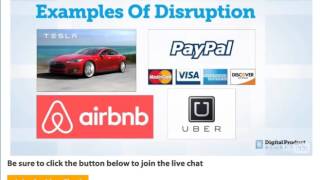
So turn off cell phone and text messages, instant messenger and Skype social media notifications. Just turn all that stuff off so we can have all of your attention, because again, you're going to get dozens of tips and ideas for creating your digital product and building your business, and you want to make sure that you capture all of them. Also, get something to take notes with and write down the ideas that you're going to apply. And it's important to be ready to take notes in advance because you don't want to be scrambling around trying to find something to write on or write with or a place to take notes on your computer when you hear the idea, because by the time you get there, you're going to have forgotten it or there's going to be another one you want to write down. So make sure you get something to take notes with, something to write on, something to write with. If you're just joining right now, welcome. This is Evan Pagan. We're about to start our webinar and again, we're going to include dozens of tips and ideas and strategies for creating your digital product, building your online business. Turn off cell phone, text messages, instant Messenger, Skype, social media. Just shut all that stuff down. I promise it'll all be there when you get back. Get yourself something to take notes with, something to write on, something to write with. As they say, the shortest pencil is better than the longest memory, so you don't want to be scrambling right when it's time to take notes there. Okay, good. Also, you can ask me questions. So I want to point out here that we're going to be monitoring the questions that you want to ask me when we do our live Q and A. So if you have something come up during the training, please enter it into the question box. I've got someone on my team who's going to be monitoring questions. So as they come up for you, enter them on this page and then they're going to organize them and send them all to me. A quick tip. If you're going to ask me a question, please be as detailed as possible, okay? Instead of just saying like, you know, how do you do it? Give me a sentence or two about your situation. Ask me a specific question, because the more I know about you and your situation, the better of an answer that I'll be able to give you here today. But make sure you engage, you know, be involved here. Put a question into the box and talk to me. I'm going to stay on for quite a while at the end of the presentation and Just do Q and A so that we can get your questions answered. Now, as we dive into the webinar, I just want you to think for a moment about what's happening here right now, what's happening on this webinar. Okay? So right now, every minute, we have more and more people that are tuning in. They're joining, they're watching, and they're listening to this webinar. From all around the world, people from dozens and dozens of countries are plugging in to learn how to do something. They were all doing it right here. And this is important to keep in mind as we talk about digital products today. Because one of the miracles of digital products is that it allows people from all around the world to plug in, to tune in and to learn from you, learn how to do something. And in the case of digital products, it can happen automatically. Just keep that in mind what we're doing right here and what a quantum leap this is in learning and online education and also in business. Okay, so today is all about digital products and why. Now is the time to take what you know and package it up into a product that you can sell. It's never been easier to take your knowledge or expertise and story and make a product you can sell in your online business. It's never been easier. In a time of business anxiety, I see digital products as the solution. In this webinar, you'll learn what digital products are, how they work, and how to make one with what you know. Okay, so let's talk about what we'll cover today. We're going to look at some important trends. While we've got time here, I want to just take a few minutes. I want to show you some business trends. I want to show you online business trends. I want to show you some digital product trends, some online learning trends, and I also want to show you a view into the future of online business and the future of learning. We'll also look at digital products. We'll look at digital product niche strategies. We'll look at digital product creation shortcuts so you create a great digital product that people want to buy. We'll look at marketing and conversion systems. We'll look at list and audience building methods. We're going to look at some mistakes to avoid. I'm going to explain five key mistakes that people make when creating and marketing their digital product and how to avoid them. This is critical if you want to save time and maximize your chance of success with your digital product and your online business. You know, I've looked back over My experience creating dozens and dozens of digital products and I've kind of tried to identify the roadblocks, the real mistakes that people make. So stay tuned for those. And you know, something to notice here is that I use and follow a system. The reason I've been able to create all of these successful digital products is that I follow a system. I created this system over years of creating best selling digital products. I'll be walking you through my system later in the webinar. I'll also show you my blueprint. So there are five steps to building, launching and marketing your digital product. And I'll show you my blueprint for doing it and walk you through it. I'll also tell you the details about my new digital product blueprint coaching class that we're launching. And I also have a special offer for you because you're on this webinar and a special bonus for anyone who stays with me until the end of our class here. So make sure and stay tuned for that. And remember we're doing question and answer at the end. If you're just tuning in right now, if you got here a few minutes late again, if you have questions, make sure and type them in. And when we're finished with the main body of the webinar, I'll answer them. If you have a question about creating a product, getting customers, or digital product blueprint course, make sure and type it in and remember to give me some detail. Don't just ask me a three word question, give me a sentence or two about your situation and give me a question so I can understand. Because the more specific you are with your question, the better quality answer I can give you. All right, so as we get in here, first I want to make a business case. I really believe in digital products, as you can probably tell. I'm going to take a few minutes to first explain what a digital product is and why I love them. Then also make a case for an online business. And I also want to share some trends and how businesses are getting disrupted innovation right now. So a few reasons why I love digital products. They help people. You can do well by doing good. In other words, you can do well for yourself in business and financially by doing good for others, which is a rare opportunity in the world. Your digital products, they do the teaching work. So you can have one, you can have 100, you can have a thousand of your products out teaching or at work for you at a time. Each of your digital products becomes a new pillar of your business and a new potential stream of income. And once your digital product is built, it can keep teaching forever. And this is really profound. It can keep teaching forever. In our class today, I want you to keep in mind that what we're really talking about here is getting paid what you're worth. The reason why most businesses don't feel inspiring is that they don't feel like they're going anywhere. You don't feel like you're being paid what you're really worth. So we're talking about getting paid what you're really worth and taking what you know and monetizing it and having it become very valuable to lots of other people. Okay, so what is a digital product? Information that has been organized into a system or recipe becomes much more valuable. Information that has been organized instead of it just being data, when it's been organized into a system or recipe, it becomes much more valuable. Now, data is random, but information informs. By putting ideas and knowledge in an order that's easy to learn, you create a product, it goes from just random information to becoming a product. And it becomes a digital product when it's something you can stream or download, when it's something you can transmit digitally online. So that's what a digital product is. Here are just some example digital product formats. Ebooks, audio courses, video courses, membership sites, webinars, all digital products. And there are many more. There are many more formats. Prices for digital products. Here are some of the prices that I've sold digital Products for. EBooks, 15 to $40 interview subscriptions, 20 to $50 per month audio courses, $50 to $200 for an audio course. Membership sites, 20 to $500 per month video courses, 100 to $2,000 plus. But remember, with a digital product, it's digital, so you don't have to pay a lot of money to duplicate them and fulfill them. You don't have any inventory. You don't have to deal with a bunch of storage costs or any of. All right, so what happens when you create a digital product? Well, you have instant credibility and authority. When you show someone your digital product. I mean, if you just show them even a picture of it, they think about you differently. You're someone that is an author or you're someone that's created a published product. It becomes easier to meet important people. Your digital product opens up a lot of doors. People who have lists of subscribers and customers, they become interested in working with you and promoting your product. Because people who have lists are always looking for ways to monetize their list. And you also have something special you have A unique product to sell. When you take your information, your experience, your story, and you put it into a digital product, all of a sudden you have something unique. You're not trying to sell the same product that as someone else. And when you create a unique product, no one can take that from you. You always have a unique product to sell. You also get massive leverage when you create a digital product. You leverage the power of computers to create a literal multiplication of your abilities. Once created, you can basically have an unlimited number of people learning from you anytime, from anywhere, and it's automatic. It's strange for me to think that for years now, basically 24 hours a day, seven days a week, non stop, there are people all around the world who are listening to and watching and going through my digital products. It's huge leverage. I don't have to be there doing it anymore. The product does the teaching. Okay, so let's talk a little bit about disruption, because we're kind of on the border of talking about it anyway here. The big buzzword in the business startup community is disruption. And this is kind of short for disruptive innovation. And it basically means that technology is changing every industry, every job, everything in business so fast that it feels like a disruption. Now, this process also creates a lot of insecurity. You see people becoming more and more insecure in business, in jobs, in the economy right now, because the disruption makes us all wonder, is what I do even going to be around in a few years? Here are some examples of disruption. Tesla, PayPal, Airbnb, Uber. These are all examples of disruptive innovation. So how do they disrupt PayPal all of a sudden? You can send people money, set up a store, take payments online in minutes. Uber, you can call a car with your mobile device and it shows up in a couple of minutes. Also, you can sign up and be driving and working immediately too. So there's kind of two ways that it's disruptive. Airbnb, you can either put your place up for rent when you're out of town, get someone to come stay in it this weekend. You can start making money when you're not staying in your home, or if you want, you can find a place anywhere in the world to stay. My wife and I just finished a few months of traveling. We were in Europe and some places in America and we used Airbnb almost the whole time. It's amazing, Tesla. I mean, this one's kind of self explanatory, but it's a car that doesn't need gas, that's pretty powerful and they and a lot of other things. Car, that's the highest ranked in safety and the highest ranked in customer feedback and just a great user experience. These are disruptive technologies. All right, so what else is being disruptive? Well, Peter Drucker, who's possibly the most famous business guru of all time, he predicted that the university system of education would eventually break down. He believed that this would create a massive opportunity for a new system to emerge. But he didn't know what that new system was. So why is this an opportunity? Well, if you go to a university, for example, do you think that you can take a class at a university about how to create a digital information product? No. And in fact a lot of the things that people are looking to learn online, you can't, you can't take a course in school. The university system, they can't keep up, they can't change fast enough. It was a system that was designed when knowledge basically changed slowly. So take a look at this. Online education $107 billion. It came out of nowhere. So this is the exact same pattern of disruption and it's happening in learning and education as well. Online learning industry $107 billion. Alright, so let me say that again. 107 billion dollar industry. Most people have no idea that this is happening. And they have no idea that a lot of this money is being earned by regular people who are striking out to help others learn. And in fact when I think through all the people that I know and that I've met, the majority of the self made millionaires that I know made their money or currently now are in business doing online education, digital products. That's what's going on right now. Let's talk about the case for your business. Business is important to just, it's kind of to review why we all want to have one. It's the one accessible path to freedom today. It's the way to create real success that's available to all of us. I started out growing up in the Oregon backwoods kind of thing. I didn't have a million dollars to start investing with. It's something that I was able to do. I could sit down on my computer, I could create a book and I could start my online business. Also starting new businesses is growing in popularity. More businesses are being started right now than ever before. I was just reading some research that I found a while back. Home businesses are actually more likely to succeed according to some research. And that makes it make sense because you can work on it. When it works for you, you can build your Business in your own time. There are a lot of advantages to having your own business. A little bit more specific, let's talk about the case for an online business. I can work from basically anywhere with just a computer and an Internet connection. In fact, right now, as I'm doing this webinar, I'm standing in an apartment that we rented on Airbnb in San Francisco, which is not where we normally live. And we've been traveling now for several months. In fact, they're building a huge building right outside here. So if you hear construction or banging or something like that, that's because I'm not in my normal place. But it's amazing to be able to work anywhere with just a computer and an Internet connection. Do my team calls, even create products? I had much lower startup costs and, and I could start immediately in my business. I didn't have to go buy a building or rent a storefront, get a bunch of expensive inventory. Again, I can work on my time when I'm most energized and creative, and I can work as much as I want, as much as I feel inspired to work. And also, people can buy my products anytime. 24 7. When I first wrote my book and I put it online, I would just sell one or two copies here and there. But every morning I'd roll out of bed, roll right into my chair and open my computer. Or back then it was start my computer and I'd look at my stats and sometimes while I was sleeping, someone would buy one of my products and the money would be deposited. And that was a miracle. The idea that people around the world can buy my products anytime, it's always daytime somewhere. As I said, your digital product turns you into an instant authority. Here's my first book that I wrote, W Dating. I wrote it with this pen name. And even though you've maybe never heard of me or my dating advice, that kind of thing, if I show you this, I just have to show you the graphic of it and a part of you goes, oh, he wrote a book. Okay, well, maybe I should have to listen to what he has to say. Your digital product multiplies your work and teaches for you. As I mentioned, here are some pictures from a live program that I did that was a very high end course teaching entrepreneurs. I taught that program over five days. And as you can see, there's a whole setup, monitors and cameras and we got all this fancy furniture. I mean, it was a big production, but we put a couple of cameras in the back and recorded it. And then we created a digital product from it. And now people around the world can go through the digital product and I never have to teach that course again. But thousands of people have learned that course, have gone through it because it's a digital product. Very high leverage. Each new product becomes a business asset and an income stream. I feel a little self conscious showing off and showing all these big numbers and so forth. But here are just some of my digital products and my different brands and things. And you can see each one of them has become an income stream for my business. My Wake Up Productive course, which sold over a million dollars, a couple million dollars worth of that course altitude program, 4.5 million plus. These different products and different brands, they each become their own little businesses within my business. As I said, I love the freedom it gives me. My wife and I love to travel. She's a little bit more of the adventurer, but she's encouraged me to go around. You can see us on an elephant in Thailand there. Me out in the desert in India with a camel. You can see us swinging through the trees. And you can see us at the Eiffel Tower there a few months ago, going and hanging out with our daughter. While I was in all of these places, anytime I needed to work, I just opened up my computer, plugged into an Internet connection, did team calls I needed to do, did trainings I needed to do. It's very freeing. And also a lot of doors have opened for me. You may have heard me mention in some of my other videos, Tony Robbins called and asked to interview me for his new Money Masters program. I was invited to interview Sir Richard Branson at a very important event in Canada. He liked the interview so much that he called me up and asked me to interview him at his charity event in Los Angeles. So that was a real thrill there. You don't see me in a tux with a bow tie on very often, but that's what was going on there. So I think that everyone should have a digital product. If you want to write a book, you should have a digital product. If you're a coach, you should have a digital product. If you're an author, you should have a digital product. If you have a physical product, you should definitely have a digital product. You can sell a lot more physical products by offering a digital product as a bonus or as an upsell. You can use it as another stream of income. If you want to start a business for sure, you should have a digital product. I really think that everyone can and should have a digital product. Each of us should take the knowledge that we have and our story and we should put it into a format so that others can learn it at their convenience anytime they want. And so it creates a legacy. But if you don't get your digital product done, then you can't build your online business. So no digital product, no online business. We have to get your digital product done. So let's dive in and learn the action steps. So we have to nail five things. One, we have to nail your product niche. Two, we have to nail your product content. Three, we have to nail your marketing. Four, we have to nail your launch. And then five, we have to nail your email follow up system. All five of these, if you get any one of them wrong, it can actually kill your business or make it so that you can never get going in the first place. If you get all five of these right, you have a very, very strong probability of building a profitable online business with your digital. Okay, so there's a secret to success with digital products in your online business. The secret is simple. It's to learn how to think like your customer. How to think like the person who's going to give you money. So if you're taking notes, write this down. Think like the person who's going to give you money. If you learn to think like them, then you create products and marketing that speak to them. If you don't learn to think like the person who's going to give you money, then you're talking to yourself and they can tell. Okay, so that's we're going to learn now in the mistakes and the tips that follow. Alright, so here's our first mistake and it's a niche mistake. The niche mistake is being too general. People look for specific solutions, not general solutions. Very important, write that one down. People look for specific solutions, not general solutions. So what do you go buy if you have a headache? So let's say you walked into a drugstore and you've got a headache and you want to buy something for it. What do you buy? You're looking for a specific solution. You're not going to buy a lawn chair to cure your headache. You're going to go buy some medicine probably. And when you go down the medicine aisle, let's just do a thought experiment. You go down the medicine aisle and you're looking, you find pain relief is a big section and then you find a little section that's got ibuprofen and Tylenol and then, oh yeah, there's Excedrin, that's the medicine for headaches. But right as you're reaching for it, imagine that you look up and up on the top of the shelf you see a big blue jar that's like a gallon and it's liquid and on the front it says medicine and underneath it it says cures everything. What are you going to buy? Are you going to buy the Excedrin that's made for headaches or are you going to buy the big blue jar that says medicine? Well, you're going to buy the headache pills because that's the specific solution. And the more specific you are with your product, the more people trust that it can solve their problem. And by the way, the higher the perceived value, the more specific you are with your product, the more people trust that it can solve their problem. So here's a niche. Create a new category. So don't just create a new product, create a new category in the mind of your customer. New, more specific products tend to become the winners in their category. So let me give you an example here. Back in the day when computers were rising, the big computer company was IBM. It makes sense that IBM should have been the winner in software because they were the winner. Multi billion dollar company building computers. They should also be the winner in software. Right? But IBM didn't win the software game. Microsoft won the software game. And in fact it created a new category in the mind of customers. Software. Well, Microsoft became this big dominant company. Bill Gates became the richest guy in the world. Very famous story. And so it makes sense, since they wanted software, they should have probably won at the Internet too. So the Internet came online, search engines started up. Microsoft definitely should have won that game. I mean they were around beforehand, they had a search engine, but they didn't. Who won that game? Well, it was Google. Google won that game because they really went after search and they really did the best job of creating a search engine. Now notice what each of these things is. Computers, software, search engines. These are each new categories. When you think of a search engine, you probably think Google. In fact, it's a verb. People say Google it. And when you create a new category, that's what happens. You create a space in the mind that you can be first into. So create a new category by being more specific and then name it so you can be first. You actually want to name your category. Let's just do a quick little case study. My first ebook, which was Double youe Dated. When I wrote my first book, I understood this principle and it gave me a big advantage. Now I could have written a book of general self help. Ideas or even general relationship advice. Those would have been broader, bigger, less specific, more general. Instead, I wrote a book of dating advice and specifically dating advice for men. Now, if I would have written a book of self help. And I mean, let me tell you, if you read double your dating, most of what's in there, 60 or 80% of it, is valuable to anyone who's trying to do anything in their lives. But I tailored the knowledge specifically to men who wanted to get more dates. And I cut out people that were interested in health and wellness, people that were interested in money and finance and personal improvement. And I cut out most of the people that were interested in relationships, and I cut out women because it was for men. So I eliminated like 95% of my potential audience or more because it was very specific dating advice for men. And then I started talking about the category that I was creating, which was dating advice. Now, this was a few years ago when dating advice for men was actually a relatively new category. And this allowed me to be first in that category. Very powerful right now. Let's talk about a product design mistake, and it's the data dump. Most people assume that the purpose of their product is to give others information, but that's not it. There's another key to make something that people already want to buy. So think about the difference here. Most people think, they assume that the purpose of their product is to give information. There's another key purpose to make something that people already want to buy. Why is this? Because if they don't buy the product, they're never going to get what's inside. So it's very important, it's a very high priority to make your product so that people already want to buy it, so that they will buy it and then they'll see what's inside of it. The great tragedy with most books and most digital products is that most of the people who need them never even see them in the first place. They never see them in the first place, so they don't even know that the information you need is inside. So it's a mistake to just write down or say what you know about a topic and assume people will pay you good money for this data. We don't just want to do a data dump. So here's a product design tip. Use buyer hot buttons. Your product sells much better when you outline your product based on what your customer is looking for, what they're searching for. So we start out by listing your customer's biggest fears and desires, and we also research what your customer is searching for. If you just outline your product this way, list your customer's biggest fears, their biggest wants, and then research what they're searching for and make your outline this way. What happens is you're making a product that people want to buy. And of course you can fill in your product, you can make 60 or 80% of your product, all the stuff that you know and your story, the things that the customer really needs. But remember, we need to learn to think like the customer. So we need to start with their motivations, make a product that customers want to buy, and then include the things that they need to learn. This is a. It's an inversion, it's a reframe. It's another way of looking at things, but it makes all the difference. I have people come to me all the time and they say, evan, I wrote this book or I made this digital product and I need help selling it. And then I say to them, how did you write the book or how did you create the product? And they said, well, I just took everything I know and I put it into this really high quality product. It's tragic because sometimes people have invested years to do this and when I look at it, I realize that it was designed the wrong way and therefore it's almost impossible to market it. And, you know, again, unfortunately, I have to advise these folks to go back and start from the beginning and to design their product over again based on what people want to buy already and then fit all the stuff in from, from the product. So here's an example. Okay, good metaphor. The quarter inch drill bit. When someone buys a quarter inch drill bit, what do they want? Right? They don't want a quarter inch drill bit. They want a quarter inch hole. The drill bit is the feature, okay? The hole is the benefit. The drill bit is the what and the hole is the why. The drill bit is the product. But the whole is the outcome that they want. It's the result that they want. So your product is the drill bit. We've got to wrap our heads around the fact that the product is not the solution itself. We want to present it as being as close to the solution as possible. But your product is a drill bit to help them get the result they want. If you forget the quarter inch hole that your customer wants, then you forget the thing that they are really buying. And what you do is you wind up talking about how great the drill bit is. Our drill bit is made out of this super sharp steel and it's really fancy and whatever. We spent 20 years researching how to make it. But customers don't care about that. What they want to know is when you use this drill bit, you're going to get a really nice, beautiful quarter inch hole and it's going to happen quickly and it's not going to be sharp. You gotta be talking about the outcome that they want. So what is your customer's quarter inch hole? What's the result that they want? What are the things that they're moving toward and they're moving away from? And we have to learn to think like a customer. We don't learn to think like a customer. Nothing will work. It doesn't work unless you can think like a customer. That's what we're practicing here. That's really all that we're practicing here. Here's another example. Case study this class, this webinar right here. So after asking my students what they wanted and wanted to avoid learning how to create digital products, I've learned that they're most interested in a few key things. They want to learn how to target their niche, get the product done, create their marketing, do their launch, write their email, follow ups. So that's what I'm teaching you right here. My best ideas for each of those areas. My very best idea or a couple of ideas for each of those areas. The ones that will get you the furthest. That's what I'm teaching because I'm listening and I'm trying to make this as valuable as possible. Here's another product tip. High end products, they often sell better. Most people who are starting out with online learning and digital products assume that they have to start by creating a cheap product. Now this can be a winning approach, but it's often better to create a high end product first. And this completely changes the psychology as you release other products. So I showed you this picture earlier. What was going on here is I did a program called Altitude. It was a five day high end training course. It was originally $10,000 a ticket. And then what we did is we recorded the course on video and we turned it into a home study course. So the live program became a home study course. So when I started teaching business growth, I used a premium brand strategy. I started with a live seminar that was $10,000 a person. I created a video course, recorded the program, offered a home study video version for $2,000. Now when I sell the home study version, okay, for a couple of thousand dollars, it's a bargain compared to the $10,000 that people who flew in from literally 26 countries to be there right It's a bargain compared to that. You get it from 1/5. You get the exact same training because it was the recording of the training. So it positions things differently. So when you launch a high end product first, it can be a great positioning tool for your next products. Notice how Ferrari does it. Okay, so what they do is they launch an exclusive, rare million dollar car and then they design their other cars to look like it. And then they sell them like hotcakes for only a quarter of a million dollars. So how different are these two vehicles to to 99% of the universe? You can even see the design stylings where they designed the really expensive one and then they made the headlights and the wheels and the lines and everything. They designed the expensive one, then they borrow the design cues so that when you buy the other one, you're thinking about the million dollar car and you're thinking about how when other people see you, they're going to think that you're in a million dollars because they don't know the difference. Car companies do this all the time. A lot of other companies do it as well. Quick little timeout. I want to mention that there are a few different types of digital products and information products that work really well. There are motivational products, which are usually just a bunch of stories that touch the heart and really motivate people. Before digital products, there were the Chicken Soup for the Soul books. I think they sold like, I don't know, a billion of them or some ungodly amount of products. All motivational, make you feel good. There are how to products, programs on how to do something, whether it's a hobby like how to surf or how to play poker, or it's how to build your business or how to lose weight. And then there are toolbox products, which are basically products that have a whole bunch of different tools for doing a certain thing. I've got a course, for example, on creativity and innovation. And inside the course I teach about a dozen of my favorite creativity tools. And you do the tools and you practice the exercises, you become more creative. I wanted to point that out as we're talking about products, because a lot of times people think there's only one formula for a product. I tend to like doing how to products, especially if you're just getting started. And in a how to product you can kind of include some motivation. You can put in little summaries and toolboxes. And in fact, when I create my courses now, I try to do all of them in one course. But I want to point out that you know, whether you want to, you know, share the stories about what you've done, or whether you want to share the steps for getting a particular result, or whether you've just created a whole bunch of systems for doing something great. For example, I just bought a book on futurism, and every chapter is a different strategy for predicting the future. There's not much continuity to the book, but it's a great toolbox full of different ideas. All right, so let's talk about marketing. Here's a marketing mistake. Talking about you. So most people who are getting started with their marketing unconsciously believe that they must talk about themselves and. And their product. So, yes, you need to talk about yourself, but it should be only educational if you do. There has to be some connection so that the other person can see themselves getting the result they want or have a story that somehow is educational. You'll notice that as I'm sharing with you here, I do talk about myself and I talk about my business and so forth, but it's only in a way where you're going to say, okay, I'm learning something here, or I'm getting something out of this, or I'm learning about Evan in a way that helps me to understand where he's coming from. It's very rare that I just talk about me and I go off telling some random story. So what should you talk about instead? You should talk about them. You should talk about your customer and talk about their needs. So if you find yourself talking about yourself more than 10 or 20% of the time, stop. Remember, it's not about you. It's about the result that they want. Okay? It's about that quarter inch hole. And here's a marketing tip. They translate the value of your product. You have to put it into terms that your customer can understand. And most people never consider this. Your marketing isn't about your digital product. Again, your marketing is actually about the value of the result that your customer will get with it. You're going to want to write that down. This is a huge mindset shift. Your marketing is actually about the value of the result that your customer will get with your product. So translate this value. You can get started in kind of the exercise of translation by asking yourself, how much time, effort, energy, money did you have to invest to learn, to learn what you know that your customer will save? How many life experiences did you have to go through? How much energy did you have to spend? How many years of your time? Write down what you had to do to learn what you know that your customer will save. And then when you start talking about your product, you can talk about the amount of time that they'll save, the amount of money, the effort, energy, the mistakes. Here's an example. That's a simple example of translating value. When I first started selling my book on dating, Double youe Dating, at first I sold it for $29.85. Then we raised the price to $39.95. We saw that it worked better, so we left that the price for a long time. And when I was selling, I mean, keep in mind, this is an ebook that you download online. And I was selling it for $39.95 and I was selling a lot of them. And in my sales process, what I did at the end is I compared the price of the book to the price of a date. And I pointed out that you're going to waste more money than this going on a date that's not even going to work out. And what if this book gets you just one more date? Or what if it helps you do better on a date that you go on? How much is it worth to you then? So we have to translate the value. You have to put it into terms that your customer can understand. Now I have a whole bunch of systems for doing this. Unfortunately, we don't have time. It's tragic. Whenever I'm teaching, I want to stop and teach each of these things and just dive into it for a half hour and explain exactly how to do this. But you get the idea here. You have to translate the value. Here's a launch mistake. Let's talk about your launch. And the launch mistake is the one shot sale. And this is kind of a common marketing mistake, but it's really brutal and expensive if you do it in your watch. Most people have an instant gratification mindset when they create their marketing. They want someone to come and buy right now. And this is a big mistake in the long run. Most people buy on the 3rd, 4th, 5th, 10th contact. So instead build a series of free content that romances a customer to the point. Buying the sequence is the solution. The sequence is the solution. It's very likely if you're here right now with me on this webinar, it is extremely likely that you have seen some of my other free content training. And the reason why that is is because I've created a whole series of some of my best stuff that I give away so that people can get an experience of what it's like to work with me, who I am, understand a Little bit more about me and why it's a good idea to work with me. And then I put these in a sequence. And it's very likely that you've gone through a sequence like this at least once. It's also very likely that you've purchased my other programs and you're now here with this one because this is another thing you want to learn about from me. And you'll see that this is a consistent thing that I do. Okay, so here's a launch tip. I call it Move the free line. Give away your most valuable idea in a free report or video. When you give away your most valuable idea, this gets more leads for you, gets more traffic and more people who want to sign up for your list. And it's a hard one for most people to get. Give away their best idea. I had a friend call me up several years ago when I was building my first business, and he said, hey, Evan, I see what you're doing here. I've done really well in this other area of investing in real estate, and I want to write a book or create an online course. What should I do? And I said to him, take your very best idea, the best thing that you know about investing in real estate, the most valuable one, and create a free report or video or audio and give it away. Put it online and give it away. He said, I can't do that. And I said, why not? And he said, well, because this is my very best idea. I mean, that's the one. I would only teach that to someone who paid me a lot of money. And I said, okay, well, you know, there you are. And you know what? He never did go on to become successful because he was stuck at that point. If you think about it, look at the way that music artists launch their albums. They make a whole album, let's say they put 10 or 15 songs on there, and then they release singles and they promote individual songs. Do you think that they take the worst song on the album and release that as their first single? No, they take the best song on the album and they release that one as their free line, content to go out into the world. And then people say, oh, let me go check out the rest of this. And then they buy the album. Okay, so remember when I said that I was doing what I was teaching and giving you my best ideas for each area? Well, that is moving the free line. That's what I'm doing right now. And that's what I've done in my other videos. And, you know, different types of Free line content if you've seen them before. Right now let's talk about follow up and email. And obviously a big mistake here is not communicating. The biggest mistake when following up by email is being afraid of over communicating which leads to not communicating. And the mindset shift to make is to one of educating instead of just selling. So here's the rule of thumb. You want to communicate as much as possible, as much as possible with your audience as long as what you're saying has a lot of value to them. So as long as you're sending them valuable stuff, you can communicate a lot. And a little follow up case study I'll tell you about is when I was building my Double youe Dating business, I started writing newsletters and I found that the more valuable that I made them, the more valuable I made them, the more people came to buy. And I eventually wrote hundreds of them that averaged 10, 15 pages long because I saw that the more valuable free stuff I gave away in my follow ups, the more people came and bought my digital products. All right, so let's zoom out for a second here. I want to talk about the learning and growth mindset. Carol Dweck, who's an expert in motivation, she says that people are either what she calls a fixed mindset or a growth mindset. A lot of people, maybe even most people, think that the world is just the way it is. It's in a fixed state, and so are they, and there's nothing they can really do about it. But some people have a growth mindset. They believe that they can change their circumstances. And it turns out that the most successful people believe they just have a belief. I can change my circumstances, I can grow, I can learn new things, I can change the situation that I'm in and I can improve. So in order for someone to invest in your digital product, they must believe that they can grow, that they can change. And it's your job to help them believe it. All right, so your job here with your marketing and with your digital product is to help your customer get into a growth mindset. Help them believe that they can grow. Help them believe they can change. It's your job to help them believe it. Imagine for a moment being someone who knows needs the information that you have locked up in your head. Imagine being them. And now imagine that the world is fixed and you can't do anything about it. And now do a thought experiment. Imagine that you're them and something happens. Someone inspires you and you realize that you can change. You realize that you can Grow, you realize that you can change your circumstances and you start to get excited. That's what we want to do. So in order for you to create your digital product and succeed, you must believe that you can grow and that you can change. In other words, you must be inspired first. In nlp, they say you go first. If you want your customer to be in a particular state of consciousness, of emotion, of mind, you have to go and get yourself inspired into that state first. So it's your job to help your customer believe that they can grow, that they can change. And in order to do that, you've got to get yourself into that state. You've got to believe that you can grow and that you can change. All right, so what would this mean for you if you did it? What would happen if you took what you know and your story and you packaged it in a digital product that helped others? What would it mean for your life and for growing your own business? What happens when you start getting paid what you're worth to help people change their lives? And with that in mind, I want to extend an invitation to you. I'd like to invite you to join me for the Digital product blueprint 90 day coaching class, and I'd like to invite you to take your next big step. So let's start actually creating your digital product together and let's start doing it today. I've designed a powerful 90 day coaching class to help you do it. You've done the hard work, learning what you know. You've done most of the work, and the rest we can do together to create your product. And here's how we'll create your digital product. The digital Product blueprint is a complete system. There are templates for your knowledge to make it easy to organize and easy to create your digital product. There are tools for designing your product, your marketing, and your website so you get your online business running. There's training for everything where I and my team walk you through all of the action steps. You don't want to try to reinvent the wheel. When you use a system, you get consistent results. And as you can see here, I use a system. These ideas that I'm sharing with you, you can tell that they're the way that I think. They're the methods that I use to create my digital products. You don't want to spend years trying to reinvent the wheel here and figure this out yourself. Starbucks, for example, uses a system so you have the exact same predictable experience. Whether you go into a Starbucks, you know, in one city or on the other side of the world, use my digital product blueprint system to create and market your digital product. All right, in the digital product blueprint, we get a couple of types of trainings. Okay, so first you get the 12 blueprint blueprints trainings. You get 12 digital product blueprints. Each one specifically designed to help you build a key piece of your product, marketing, launch and email follow ups. Each one is a video training that includes an exercise template or a blueprint to take what you learn and use it immediately to build your product and your business. You learn how to find the knowledge you have that's most valuable, put it into your product so you sell it for the highest price. The next part is you get the five modules classes with me teaching you. Number one, to target your product niche. Number two, to build your digital product. Number three, to create your marketing offer. Number four, to launch your digital product. Number five, to create your email follow up sequence. And this is the order that we do these in over 90 days. Now let's take a quick look at the roadmap that I use at the blueprint. And this right here just. I'm going to run through this quickly so you can get an idea of all the steps you need to do to create a digital product. So as I said, number one, target your product niche, identify a mass audience searching for a solution and create a customer avatar. So this is the image of your customer that you imagine in your mind when you're creating your product and marketing. Next, use a three question niche test I've designed to narrow your niche only to buyers. We don't want to have a niche that includes a bunch of people who aren't buyers because they're not going to buy anyway. So we use my three question niche test to do that. And then we want to actually test out your niche before investing time to create your product. So you have to test your niche on real buyers before you create your product so you don't waste a bunch of time creating a product that people don't want to buy. Number two, we need to build your digital product and you want to outline your product based on customer searches so your product sells itself. Remember we talked about needs and searches. Next, we identify knowledge that you have that's most valuable to customers. It turns out you have a lot more knowledge than than you realize. And we need to identify just the knowledge you have that's most valuable to customers so that they'll pay the highest price for your product. Next, we use rapid prototyping system to create Your product in days. You can actually create a product in days if you use this. I do it all the time. I've created dozens of digital products that took me just days to create. And I'll show you how to do that. Next, we create your marketing offer. We need to create whatever the marketing piece is that gets people to buy. So first we identify key fears and desires of customers who are searching for you. We use our seven step conversion formula system to create a marketing script. And then we use templates to design opt in page website and your conversion piece templates for all of this. Next, we launch your digital product launch. We move the free line by creating an opt in magnet to get customers and subscribers. We identify and partner with others who already have lists of qualified buyers. And then we use our launch to create your next high end digital product. This is such an important piece of the puzzle. You create your first product and then we actually use your launch. And as you deliver your product, we want to create your next product product so that you get two products out of one launch. Next, we create your email follow up sequence. We script the relationship building conversation with a new subscriber. We actually script it out as if you're building a one on one friendship. We then use three proven types of email newsletters to educate and sell. And we also learn about creating video and other types of follow ups. And then we automate our emails using in the optimal follow up autoresponder series. We put them together and we literally make a machine that follows up with people and converts them to buyers. So that's what we do inside the digital product blueprint. Now this system works. It works to create your digital product. It's chunked into sections so it's easy and intuitive to use immediately as you learn it. You get templates, exercises and formulas for everything so you can implement as you go. And it really works. I have hundreds and hundreds of testimonials from people who have used my methods and systems to build their businesses. I also have a set of valuable bonuses for you when you decide to register today for Digital Product Blueprint. Now these are some of my best and most effective courses to getting yourself into action. Getting your product marketing into business Built to begin with, we must give you the time to build your product and your business. So let's start by increasing your productivity. So promise number one is my Wake up productive course. You've probably heard of this course. It's a very powerful course that I teach. And the promise of Wake up productive is that it's A simple course, simple promise. If you go through it, you will double your productivity. You'll double it. Now think about how much time you waste with distractions, interruptions, working on things that don't get big results. We are going to reclaim that time and use it to build your business. And the best part is that in Wake Up Productive there are no old school planners or complex priority systems or other confusing methods to use. In Wake Up Productive, we'll install two habits, only two, and then use them in your life, in your business. At the end of 90 days, you'll use what you learn. You'll double your productivity. Guaranteed. Wake Up Productive Feedback I have just probably hundreds at this point of testimonials that I've gotten from people who've gone through Wake Up Productive. Here's one I just grabbed from the list. The Wake Up Productive program literally changed my life. I know it's a cliche, but it's really true. After going through the whole program, I find myself getting at least twice the amount of work done as an Internet marketer. That's a huge thing to have happen since it's so difficult to discipline yourself when you're making a passive income. But the work doesn't feel like work. For me. This is by far the most valuable program ever has ever released. Don't be fooled to thinking it's a program on time management. This is how to achieve long term life success habits. Truly a 10 out of 10. And I've again I have just tons of feedback like that. It truly is a game changing program. Bonus number two Marketing step by step. This is my best marketing course. You get the entire thing as a bonus when you register for Digital Product Blueprint today. Now I just want you to know I am sales and marketing phobic natively. That's what I am. My first cold calling experience When I was younger I sat down at a phone to make cold calls. I was working in real estate and I just looked at the phone waiting to call people up that I didn't know. And I got so freaked out and so scared that I just went home and went to bed. The first ad that I ever ran that I spent money to run, no one called and bought anything. The first mailing, first direct mail I ever sent out got zero response. No one called, no one wanted anything. The biggest natural chicken when it comes to sales and marketing. And this is why you will love this particular system, the marketing step by step course so much. Again, it's my best course on marketing. All my best marketing mindsets strategies, techniques one course it's a system to learn all aspects of sales and marketing so you can be up and running creating marketing pieces that work that get people to buy immediately. Scripts, copywriting, formulas, my favorite headlines, positioning and branding concepts, how to name your business and your product products and much much more. It's 19 videos, exercises and application systems for every part of your marketing. You will end this course confident and able to start creating effective customer getting marketing in any situation. I have people that have MBAs go through my courses regularly and they come back and they tell me I learned more from these courses on marketing than I ever learned in business school. This is very powerful stuff. Bonus number three that you get when you register today is my tech tool trainings. So if you're just getting started, what we do is we walk you step by step and click by click through how to set up each part of your marketing and your business. 12 individual trainings setting up your blog, doing an online survey, creating a website, setting up your landing page, putting stats and analytics on your site, setting up your email list and your autoresponder, making a downloadable PDF book, hosting a live webinar, online shopping cart and affiliate program set up creating a membership website, setting up your social media presence, pay per click, marketing setup and again all step by step, click by click so you can see how to do it and you can go through and do it along with the training. This is an extremely valuable bonus and if you're just getting started, this will walk you through how to do everything. You will finish the digital product blueprint with your product niche targeted, your digital product finished, your marketing locked and loaded, your launch ready to go, your audience and your list growing. I've got 100% guarantee by the way. You can try it at my risk. If you attend your classes with me, you do your homework. At the end of 90 days, you don't have your digital product done. Just show me your homework and your exercises. Just so I know you went through the program. I'll happily refund your entire tuition, give you all your money back. I'm that confident that this will work for you. You can do this. I wrote my first book in three weeks. Almost 15 years later, people around the world still buy it every day. Our tools and templates make it easy to organize your knowledge, create your marketing, build your business. We'll walk you through all the steps. The tuition for the digital product blueprint. It's only $197 a month for 12 months. If you'd like to pay Your tuition in full, which I highly recommend. You can save almost 400 bucks plus get two more advanced training courses as an additional bonus from me. And these are two extremely valuable courses. So you're going to want to take this option if you can. So pay in full. Bonus Number one is my advanced digital digital product creation course. It's my most in depth course on creating a high value digital product. It's an advanced course. I originally did this for a very high end mastermind that I had that was six to twelve thousand dollars a year. So it's an advanced course. It's a deep workshop on getting into the head of your customer, finding the highest value hot buttons they have. It's excellent for creating your second or your third high end product and really nailing all of your customers needs for a high end product. It's in a workshop format including other very successful digital product gurus that you will see working with me, creating products and teaching this material. This is a video course. It's all me teaching with very sophisticated people. So if you can get this course because it's awesome, full pay bonus. Number two is my traffic intensive training course. And this is the ultimate psychology course on getting traffic. We have had literally millions of people on our lists generated by tens of millions of visitors to our websites. I've used many different channels to get this traffic including pay per click, content affiliates, SEO, partnerships with big websites. And I teach all of these different methods in here. My most advanced traffic psychology course. Okay, the psychology of how to do this. Again, this is a more advanced course that I taught for a more advanced group. You know, this was filmed in a two day live program that I did. Again, this was six to twelve thousand dollars a year for the people that were part of it. Okay, so you get both of these two courses as a bonus if you decide to pay your tuition in full. Plus you save up close to $400. So as I said, the real key to success with your digital product is remembering to think like a customer. When you join me for the digital product blueprint course, that's what you learn to think like the person who's going to give you money. And the main reason to work with me is that I've spent more time thinking like a customer than anyone. Okay. And my systems will save you years and a lot of money. Learning to think like a customer, that's what we do. We build the instinct to, to think like a customer. So we create products that they already want to buy and marketing that they enjoy going through. And it Gets them excited and that motivates them to push the buy button. Okay, so what do others think of my trainings in business building systems? Okay, this is something I just threw in at the last minute. I want you to take a look at this list that I'd forgotten about that I just found yesterday. So this is a document that my team made for a website that I'm making. And what this is it's 38 pages of pictures and testimonials from people who have given me feedback about all my different training courses. You can see here, there's 38 pages of testimonials. Now this is a tiny fraction of the testimonials I have. Some of My files have 38 pages of testimonials about just one product. So this is probably like 3 or 4% or something of the testimonials I have. The point is that other people really like my stuff. Okay? Now, there are laws and things where I can't show you the specific numbers that people have gotten and so forth. And I don't want to make a bunch of income claims and things, but I can tell you that there are many, many thousands and thousands and tens of thousands of people around the world that have gotten incredible results with my courses. And remember, I've got a full 90 day money back guarantee. You can go through the entire course at my risk. And if it doesn't work, you can get all of your money back. And remember, if you don't get your digital product done, then you can't build your online business. No digital product. No online business. We have to get your digital product done. So join me for the digital product blueprint. All you have to do is click the Get Started now button to join me for the digital product blueprint. When you click on Get Started now, you'll be taken to a page with the details about what you'll get inside the digital product blueprint. You can see kind of the value of some of these courses that you're going to get. There's a little bit more detailed explanation if you want to go through that. You can choose your tuition option, fill out a quick registration form, and you can start learning immediately how to create and get your digital product online. You will start immediately. You're going to dive right in. You get access to a ton of training. Okay, so click Get Started Now. Okay, and what we're going to do now is we're going to switch over and I'm going to start going through the questions that have been submitted and we'll do some live Q and A here. So remember, as we're figuring out how to switch over here, remember to send me a question and be detailed about it. If you want to ask me a question about how to create your digital product or your marketing, you can ask that. If you want to ask me a question about the digital product blueprint, you can ask me that. Okay, so let's switch over and start doing some live. Question and answer. To live. Corey, can you let me know that we are in fact live and you can see me and hear me. Make sure everything's working? Okay, great. So we've switched over. Corey, can you just give me a confirmation that everything's working? You can see me, everything's looking good. Okay, great. So here's the deal. Corey and Kim on my team are going through all the comments because they're coming in too fast for me to sort through them. What they're doing is they're taking your questions and they're putting them into a Google Doc for me so that I can go through them. So make sure and put them in. And again, if you can give me some detail, that would be very helpful. Also, just one little warning here. I can hear, unfortunately my, my little baby daughter is not feeling so good today and just hear her starting to get upset a little bit. So if you hear a two and a half year old crying in the background, I apologize for that. We've got a little stomach thing going through our family right here. Okay, so let's go to some questions and let's dive in here. Okay, the first one, see? Okay, good. First one is from Akaki Eben. Is it true that you don't have to be number one in a field to write a book about it? I'm a college student right now and I believe my knowledge in dating is valuable and will help people. Yeah, so, you know, interestingly enough, a good friend of mine who was in college when he created his first book, he wrote a book about how to play poker and it took off and did very well. And we have a lot of people take our courses who are, you know, younger. I mean, honestly, I find that people that are younger often take this material and will do better with it because they don't have, you know, they don't have like the baggage, they don't have all these beliefs about marketing business. And I've seen young people also, they often tend to be better with technology, more comfortable in that realm as well. So yeah, I would go for it if I were you, for sure. And you will learn just the skills that you'll learn as you create a digital product. You work on the marketing, you do all the different pieces. They'll be extremely valuable to you in your life and in your business, of course. All right, let's see. Karen. Karen Williams says, if you currently have a self published book completed, how do you grow or convert this to a digital product? So Karen, if you used, if you use the methods that you learned from me in one of my courses, then converting it to a digital product is easy because you just make a PDF of it or you can read it and create an audio version, or you can even do a live webinar or live program and you could create a video version of it. If you haven't gone through a course and really learned how to organize your mind knowledge so that people already want to buy it, I don't advise you to take your self published book and then convert it into a digital product because you don't have something that was designed in the first place to sell itself. You know, again, one of the key things that people come to me and say is, hey, Evan, I wrote this book 10 years ago or I, I made this audio course and now I just need someone to market it for me and then I'll ask them a couple of questions. And what I realized is they just did one of these kind of data dumps that I was talking about and they just put all their ideas together and they weren't really thinking about their product as the marketing. So it's usually better if you didn't design it with these systems to take the, you know, several days or maybe a few weeks. Redesign your product from scratch based on the needs of customers so that again, you design something that people are already looking for. You know, something that, something that people, when they show up and they hear about it, they go, oh, okay, that hits all my hot buttons. That looks like something I should really buy. Hopefully you've seen my videos here, you've gone through these processes.







