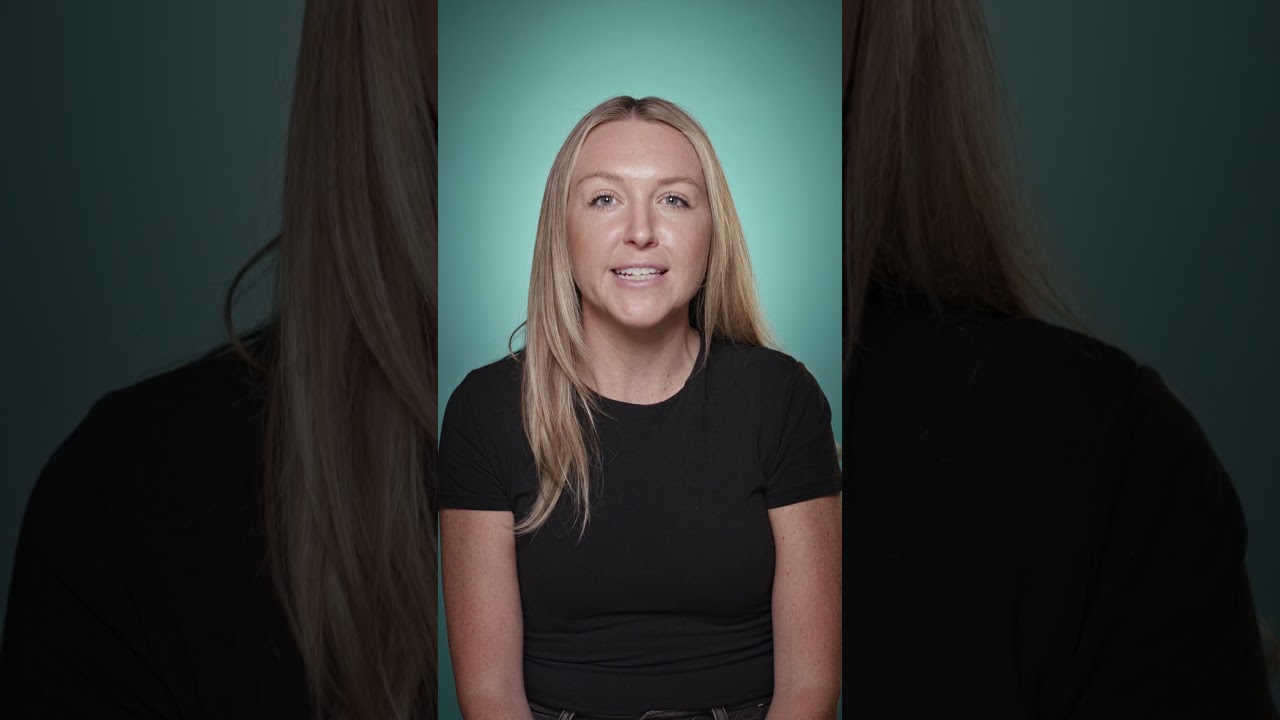
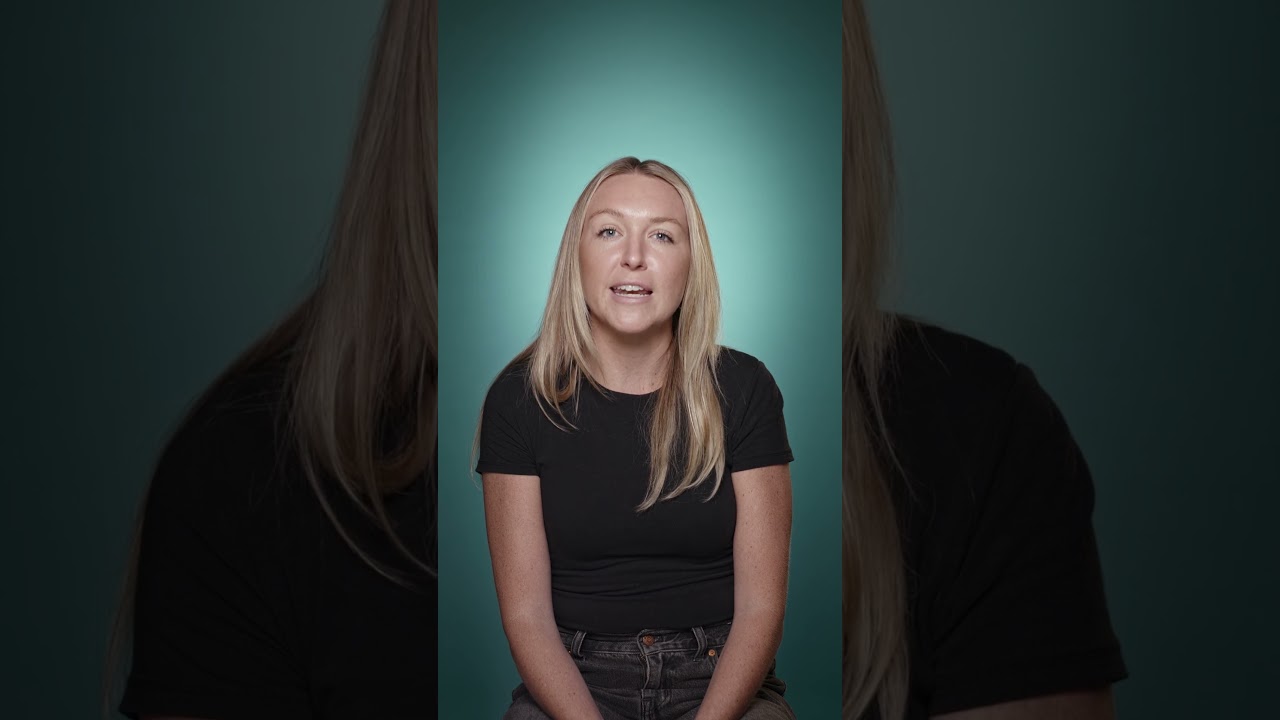
In this panel discussion, three creators share personal reflections on identity, representation, and career pathways in the creative industry. Speaker A describes being the sole Black woman in many professional spaces, emphasizing the importance of claiming space and using storytelling—particularly through social media—to amplify under‑represented voices. Speaker B talks about creating borderless work that bridges cultural divides, highlighting a non‑traditional, self‑taught journey into product design that blends language, formulas, and art. Speaker C reflects on the influence of family, community college, and mentorship, describing Black History Month as a celebration of shared heritage and stressing the need to mentor emerging art directors. Collectively, they call for greater Black and brown representation in media, envisioning a future where cultural barriers are minimized and diverse narratives are spotlighted.
Chapters
A lot of my career, I was the only Black woman in the room, and I think carving out the space for me was walking into a room with, like, shoulders back, titties up, like, just knowing that my space is important too.
I strive to make work that kind of feels borderless. I think there was always a push to understand different people across different cultural barriers.
Black History Month to me is a celebration of the achievements of people that look like me. It's about bringing together the past, the present, and the future to create this tangible tradition that I think is essential knowledge.
Creating is storytelling for me, and that might seem silly to say as someone who mostly dabbles in social media, but some of the most important stories started on social media, especially right now. For me, the most rewarding part of my work is being able to tell stories that may not have been told, create narratives, and, you know, give spotlight to people who may not have had them before.
So my journey started with my mom. She would sit and take the time to kind of draw with me and kind of just expose me to the arts, essentially. I did go to community college and all my friends kind of went to these prestigious schools, and I kind of felt like I got left behind a little bit. But I learned so much through the art classes, and that kind of taught me it's not about where you learn, it's about what you learn.
I'm a bit of an oddball because I don't have a traditional trajectory. I didn't study in art school. I just kind of like made stuff. I love language. I love formulas. I love creativity. I love art. They all kind of came together into product design.
I try to be the person that I feel like I needed coming up because I had no idea that art direction was a position. So I try to reach out to as many people as possible to let them know it's possible. It's imperative that they know that this is something that they can do.
The change that I hope to see is More Black and brown faces in the media world. I think it's, you know, definitely inherently white space, and I only hope that it gets more Black and more gay and more freaky and more fun.
I hope to show people that there is less that separates us than we think across culture. At the end of the day, we're all still human, and there's always going to be a baseline thread that brings us all together, and we should focus on that.