How to Find a Mentor in Insurance Sales - The RIGHT Way
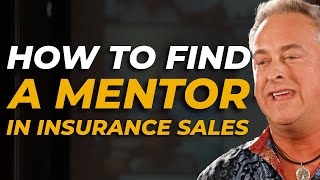
Nate Auffort, founder of SWAT, shares how finding the right mentor transformed his insurance sales career. He earned $32,000 in a single month after learning his mentor's tactics: treat objections as a roadmap, create buyer realization, and adapt your language to each prospect's personality. The key is finding someone who has already done what you want, then paying or serving to get access.
Questions this video answers
$32,000
Bill Gould
Cedarville College
Within less than a year and a half
Wrote $50,000 in one month and $85,000 in six weeks (November–December 2013)
Chapters
Most of the time, we all have what we need, and we know what we need to do. We just need a motivation and a reason to go do it.
Yeah. So good.
And that month, I did $32,000.
This is Staypay, a sales and marketing podcast on a mission to help you close more deals and retain more business.
Welcome to another episode of Stay Paid of Joshua Steich along with Luke Acree and our guest today in studio. We're about halfway through the interview. We had a great.
He's looking fly, ladies and gentlemen. You got to go check out the YouTube video for this shirt he's wearing.
We've had a guest in studio in, like, two years. Well, in this studio, absolutely.
Wow. I'm so used to zoom. I don't know what to do. I like. I. I'm literally, like, stiff. I don't know.
Nate is the founder of strategic wealth accumulation tactics, better known as swat, which teaches an exclusive and proprietary set of skills needed to communicate, negotiate, and relate to individuals and the strategies on how to achieve both time and money freedom in your life. Nate, welcome.
Oh, well, thank you for having me.
No, that's fantastic.
I feel special now. It's the first. First time in this studio for two years.
This is. No, this is the first guest we've ever in the studio ever.
And you guys just do the studio guest. We used to meet in the closet, actually. We fooled you. We told you.
We've been doing Stay paid for a while.
But this is the first episode.
Actually. No, but we used to be in a closet. We moved from that closet out in the open with COVID and now we move to this. That's a little nicer. It's a bigger closet. The studio's nice. It looks good on film.
So we're still in a closet. So I can't say you guys came out of the closet.
Exactly.
We're still in the closet.
We're still. We're still.
Well, I was telling someone how great. Before you go, how good of a sales guy you are, because, you know, during this time, a lot of times, we're headed to Thanksgiving, what, three or four days away.
Oh, my.
And you know, the biggest objection you start getting at, which I'm sure every career hears, is, can we wait until after the holiday?
Yes.
Right. Can we wait until after the new first of the year? You know, I was always trained by guys like, yeah, no problem. After the first year. Not. Let's see here. Looks like you are going to be number 412 on the list for me to call back and probably get back to you sometime around April, right? So I was doing a training on Saturday and I said, you know, I said, guys, I'm out of my hotel and I'm doing a zoom meeting for my guys. We do a Saturday call every. Every Saturday. I was like. I said, these guys are good, right? I said. They called me up and said, hey, I would love for you to come out and do a podcast. I said, well, I'm busy. It's the holidays, right? I'll do a zoom. I said, we'd love to have you in person. I'm like, yeah, well, I just, you know, I got a lot of stuff going on. Maybe after the holidays, you know, same thing that we get. I'm giving them. And then. And I said, I can't remember if it was you or who it was. They said, well, you're from Philadelphia normally, aren't you? I was like, well, yeah. He's like, you Eagles fan? I go, yeah. He's like, well, we got a presidential suite on the 50 yard line. I said, I am coming to your holidays. I don't even know when Thanksgiving is now, right?
And you're like a kid in a candy shop yesterday.
Oh, man.
Oh, my God.
Yeah. That was like a full circle moment for you because you were saying, what, you grew up really poor?
Well, yeah, so we grew up in Cherry Hill, New Jersey. And I know that. I believe it's maybe more of a rich area now, but when we were there, there was apple orchards and Cherry Hill, which I still don't figure that one out, but. And my dad worked at a mission board association of Baptist for World Evangelism. And my mom stayed home like a lot of moms did back then. And there were six of us, so we grew up. I don't like to use the word poor. It's just money was always an issue. Every decision that we made was about money.
My dad was a pastor, so I understand the feeling.
Yeah. And so he went to a private school, of course, because he got either free tuition, discount tuition, and of course we went with all the rich kids. So, you know, that really puts you out because they're showing up in their, you know, IOU sweatshirts and there's. Yeah, you guys are too young for this, bro. He might know then. Z Cavarici. Whoa, wait a minute. I don't even know what you're talking about. Just got like the four year old gap from the yard sale. You know, the scuffed up stuff. So, you know, I. I grew up. My. My family was awesome. My parents were awesome. But, like, going to the shore and come, stopping at McDonald's was like a big deal. Like, that was really, like, that was the time we go out to eat. And I'll remember when I was. Money was such an issue. At nine years old, I would go out and. Eight, nine years old. And I'd start shoveling snow and. And since we lived in a neighborhood that started to grow up where there was a lot of people that were becoming more wealthy in that neighborhood, and we were still the probe, I could go out and hit up a, you know, single driveway for 15 bucks, double driveway for 25, and I'd be out there all day, come home and bring, you know, bring in 90, 100 bucks.
Good rates.
Yeah. And after church on Sunday, I'd take my family to Red Lobster drop. I look back going, I can't believe let me spend all that Admiral. I did get the Admiral feast. Right. It was like my $27 deal. So. So, you know, growing up, you know, I love sports. I played all the sports that I possibly physically could. I was a sports fanatic, which still am. And we got to go to a couple Phillies games. But, like, whatever reason, I guess the football games were just too expensive. And so I never got to even go to a Eagles game. And I'm 46 years old now. So, like, you mean that was your first Eagle?
Yeah, in the President's Club. I was like, that's a full circle moment in the presidency.
Yeah. I got a little emotional. I said, told Steve, thanks for making one of my dreams come true. So. And I mean, I could have flown out and gone to my own area. Never, you know, hadn't really need to come back to Philadelphia. I say Jersey is a great place to be from. Right.
All right, so then talk to us then about. Because, Right. Obviously you've, you know, made it from being growing up poor, leaving Jersey. You've had a career in sales, really. And now you started this conference, swat, which is really what I would say, getting the elite of the elite within the insurance industry. Right together, what, 150, 200 plus people in a room, teaching them the tactics to help them really grow their business, be successful. Walk us through. What's that about? What is SWOT about? Why did you create it? And then let's talk about what is it that separates the elite? Cause you're around them now all the time. Everybody wants to be there. The failure rate's so high. Sure, but why swot? Why did you start that? Where'd that come From.
Yes. I don't know if I would say I started it. Just, you know, I don't know how far back you want to go, but when I was in college, I dropped out twice, got kicked out twice, whatever. You hear the story, you can decide yourself. But either way, I went to a private school that had demerits. Okay. So, you know, you know, after we were. After we had quiet hours. Yes. This was college. You know, quiet hours and a bedtime at 11. And what year did you go to college? I went to Cedarville College. I'm old, right? So anyway, I had a friend of mine drag me down to this meeting, right? And, you know, and I showed up at the meeting. It was a network marketing company. Not that that's bad or anything. I knew nothing about it. And they're talking about health and nutrition and, you know, before health, nutrition was like a big deal. Yeah. They're talking about a water filter that makes 10,000 gallons of water. Two cents a gallon. Said, one day you'll be spending more money on bottled water than gas. A gallon of gas. Everyone's like, ha, ha. The Nevian came out, it was more $4 a gallon, you know, for how many ounces? Right? So I was trying to get out of there, but they strategically placed me where no one I couldn't leave, right? And so I'm just sitting there rolling my eyes, like, going, oh, I'm not gonna sell breast spray and all natural cleaners and environmentally graded shampoos from the rainforest. And all of a sudden they wheel this TV in and, you know, I'm dating myself again. We used to have like vhs, the metal cart. Thank you.
Vhs.
I'm just kidding.
I grew up with VHS people.
I am young. I'm not that young.
I did grow up.
So they wheels in and they start doing all these testimonies. I used preschool teacher. I made millions of dollars. I used to be sell pot and pans door to door. I made millions of dollars. So I'm kind of like going, wow, okay. Because, yeah, my people go, money's not everything. Well, when you don't have it, it is everything. Because every decision you make in your life is determined upon money. You go to a restaurant, you're reading from the right side of the menu instead of left because you're like, how much does it cost? Yep. Could I even order it? And then this guy got up and, you know, he's standing in front of a half million dollar car. I guess it would be, you know, which I. I was just like, wow, you know, his arms are crossed. He's like, where are you going to be in the next five years and keep doing what you've been doing? And where can you be the next five years and follow the man that built the path, built the track to follow, he's taking other people down that track and they wound up immensely successful. Where would you be if you just did what they did? And that hit home to me because I was like, why not me if I can follow a guy who built a track to follow and took other people down the track? And they wound up. I mean, if we're going to Philadelphia and I get on an airplane that's leaving Dallas to go to Philadelphia and I get a seat and I sit my butt on the seat, I'm going to get to Philadelphia if everyone else gets there. So it made sense to me, right? So I got started a company and I failed miserably, right? The person I worked with directly, they were. They quit the business probably six months after. And here I am, a lone wolf. You know, I was 21, I looked like I was 12. And, you know, I went broke. But, you know, I was starting to be learning that, you know, why work for someone else? Why build their dream? You know, you heard a lot of other people had, you know, rags, the richest story, but more importantly, they went through the struggle to get the victory and get the win. I'm like, I know I can do it. And so I was. There was times I was eight of us living in an air mattress in a bedroom apartment because we thought like a job was like an STD to us, right? You cannot have a job. Job just over broke, right? I'm not saying.
This is the uncensored.
Version with Nate, but like, you can't have a job. Who has a job? Like if you had a job, you gave up on life. If you have a job, right? Like you just thrown in the towel. You said, I quit, I'm getting a job. And it was accidentally, and this will come full circle because I didn't really create swot. I came up with the name Strategic Wealth Accumulation Tactics. But my mentor would put on these events and they put on these trainings. And so in the beginning, he would do them all and he'd bring people in for a two and a half day workshop and just teach you things you never knew that you should know, right? And I know there's books out there, but the things he was teaching, he did. So it's one thing like he always said, you know, if you can't, if you can't do it. Teach it. If you can't teach it, write a book about it. Right. And no offense to those people who actually do it. Teach it and write a book. Cause that's great. But you know how many people are out there that are sold?
So many, man.
They're going to teach you how to do something. Never did. And they write a book at it, and they become bestseller or whatever the case may be. So I struggled and struggled because I was getting a lot of watered down information. And that's the biggest thing about any type of training is there's someone who knows what they're doing and they go out and they teach it. Then someone hears it once and they're like, oh, I can teach that.
Right.
And it's like. Like when you're a little kid, you know when you played Whisper down the lane? Yep. And you're like, regurgitated. Mom and dad have a really nice blue car, and, like, it goes around, and by the end of it, he's.
Like, you know your mom and dad have a zebra.
Yeah, we're going to that. We're going to the bar. And you're like, you know, with the golf, it's like, what? And it was like, it's funny. It's funny. Unless it comes down to your financial future, then it's not so funny. I mean, try learning. Like, if you had 100% of the information and you teach somebody and they're what they say, 7 to 10% you retain. Let's say they're genius, like you, Luke. And they get 50. Right. And then they teach this person. They get 25, they get 12, they get 6. And you're coming down here learning from the guy with 94% of the wrong information. Yep. I mean, do you want to learn to skydive that way?
No.
Could you imagine? Would you want to learn how to drive a car that way? But how many people get involved in opportunities, and that's how they learn to try to become successful when they're independent.
Yeah.
So good. So I got a chance to. I accidentally won a contest, and I say accidentally because my upline won the contest. They got sick. They couldn't go. And because I was friends with them, they're like, hey, you want to go? Okay. Yeah. So I got a chance to hang out with this guy who was making a million dollars a week. It was back in the 90s when it was cool to make a million dollars a week. Right. And show it off. Right. Now you're supposed to make $1 million a year, give it all away and drive a Prius. It's a different time and place. However, you know, he had, I don't know, 111 exotic car collection. He had the car that Elvis Presley shot a bullet hole throughout in front of his house. In Pantera. He had a Tucker, which is only like, I don't know, 50 of them.
Well, they got you in all. But you went to this conference. What did you. What was it? What you take away. What is it that changed the game for you?
Well, what changed the game for me is learning about the whispered information. Because he was doing all the conferences in the beginning, and then he kind of just started letting all the people he was working with, doing, thinking that they were going to teach what he was teaching.
Yeah.
But a lot of it was watered. How do you.
How do you spot a fake guru in your mind? Like, you know what I mean? Like, because you're right. Everybody. Like, there's so many, like, what do you do? Like, because there's so many conferences, there's so many influencers. How do you spot a fake guru in your mind?
Well, in my mind. What have you done? Can you teach me to do what you did?
Yeah.
I mean, anyone can go out there and recite, you know, how to win friends, influence people thinking, grow rich. You know, power of positive thinking. You know, you name it and it all sounds good. Yep. Right. You know, we were talking earlier. It's like, I love the guys get up there and it's like, well, you know, I. What I do every day, I have a five things I do every single day. First thing is. And all of a sudden you see them looking down at their notes.
What did that book tell me? I was a.
Like, if you do five things every day, why would you have to write notes about it? Like, isn't that what you do every day? Like, I get up, I brush my teeth, I have a cup of coffee.
Correct.
Yeah.
I would know what I do every day.
Well, one thing I've noticed and is what you're touching on.
Right.
Is people who have done it, they speak with specifics. People who have not. They haven't really done what they're talking about. They speak in principle. And there's nothing wrong with speaking in principle. Right. It's. You need the principles that lays the foundation. If you build something on bad principles, it's gonna crack. But people who've done it, there just tends to be. And I've learned this over the years of doing this, these interviews, too, is like, there's a Sense of just like what I think we talked right before we were coming on, of authenticity. But it's really the specifics, like, they just naturally just recite out. And here's literally what I did, like the number of phone calls I made, or here's what I. The pitch I gave. And there's like specifics to it versus it's just like memorize a pitch.
You know, it's like, I can tell you I have a great marriage, but if I don't have one, how. There's. There's principles of how to have a successful relationship. Yeah, but do I deserve to have the ability to teach you how to do it if I've been divorced four times?
Well, you know, what not to do.
There is. You can't. You can't learn from failure. Well, then what do the elites do?
Right.
Because you're.
You're doing this conference a swat, right. And it's the elites that are getting.
To that point of how. Why I do the conference now based on what it is. But to your point on there is, you know, find a mentor who's done what you want to do. It's that simple. Not one that's going to teach you the principles of how to do what you should do. Do you want to do. I want to go out and be professional golfer. I'm going to go out and find a mentor who has been successful in the PGA Tour if and when I'm able to match up to. Who can teach me everything about the game. Not swing the club, the mental part of the game, you know, how to go through the whole entire season, how to qualify. I mean, anything and everything I'm going to learn from that person. And how many gurus are out there in golf, but have they ever played this tour? They ever lasted on the tour? They replaced the top 100 ever, you know, go through the whole season and only miss one or two qualifications or qualify for 10 for the year. They haven't. They don't know what it really takes. They can swing a golf club, no doubt.
And be willing to pay.
Be willing to pay.
We interviewed Cody Askins, actually, strangely enough, because we got connected through Cody. So shout out to Cody.
Yes, for the connection.
But Cody's askin's interview drops today as we're recording this one. His actually drops live. And he said. And what's really helped him is he was willing to put his money where his mouth was.
And he.
He wanted to grow his YouTube channel. He went and found somebody and offered to pay them. Someone who successfully grown, a YouTube channel. So many people don't do that. Be willing to put yourself in the room. Grant Cardone says, like, if you can't afford to be in the room, see if you can serve water. Basically, see if you can be the waiter.
Right. Type idea.
Get in the room, around the people. Be willing to pay for it. Be willing to sacrifice, because it can really give you a leap. And that's really what SWAT is. It's going to give you that leap if you're willing to put your money where your mouth is.
Yeah, because we're able to take. So, yeah, I'm able to take the information. My mentor taught me for over 20 years because when I met him at his house, I had to fly out there and I followed him around. I was like the pain in the neck person. I guarantee it. We've all had that person, like, what about this? And what about that? What about this? What about that? And he'd sit down for a drink, like, well, sir, what would you do in this situation? And what'd you do here? Because here's a guy making a million bucks a week after his planes and his $20 million yacht, his. His chefs and his three private jets. I mean, he would fill a stadium with 13,000 people. At the MGN Grand. They're paying him a thousand to $3,000 a piece to hear him speak just from his company.
What was his name?
What's that?
What was his name?
My mentor? Bill Gould.
Bill Go.
Yeah. Okay. And he would. He started a company with five agents and took it to 1.8 million in less than five years. And they had 35,000% growth on the front cover of Inc. Magazine with Bill Gates, Tom Monahan owner, Domino's Pizza, Timberland Shoes. There he was five years selling water filtration. No Internet, no social media, working in offices, running ads. So I got a chance to meet him, and I drilled him with questions the next day. It was hilarious because back then we all wore suits. I know things have changed there too. Thank God. And I had my little suit. I bought it Sears, you know, and I had like, four different shirts. Switch out.
I have some suits I bought at Sears and.
And I walk JC Penning. So I walk in the office and I forgot my shoes, so I'm wearing flip flops.
Nice.
I feel like he still remembers this and still gives me a hard time. And he's like, so I hope you guys had a great weekend. Anyone else have any questions? Besides Nate? Besides Nate? And I'm like, great. You know, so I'm done. I'm like going, is there any way I can have your pager number? He's like, well, it's like, how much volume did you do? What's the most volume you've ever done? And you know, to hit a level of director was like 20,000. The best I ever got was 18,000. Like, in four years, I was like. I was a supervisor. I call myself a stupid visor because, like, I was. I cannot get to the next level. Never made over 3,000 in a month in the whole entire company. And I said, 18,000. He goes, great, if you can do 25 this month, I'll give you my patron number. He turned around and walked out of the room. I'm just like, but I need your pager number.
He just gave you the best advice ever.
Figure out how to do 25 grand a month. And that was a life changing moment. Because what I realized is that most of the time, we all have what we need, and we know what we need to do. We just need a motivation and a reason to go do it.
Yeah. So good.
And that month, I did $32,000. So what was the difference? Same product, same comp plan, same no car, same living on my air mattress with a bunch of friends. I went from 18 to 25,000, and nothing changed except I had a burning desire to grow rich. Right? To get it done. Because I needed to have. I wanted his pager number to work with him directly so bad, so good. And I got it, and I started to work with him. And you can see I get chills thinking about the story because so many people are so close to success and they have all the tools they need to have to get to where they want to go. They just need to have a mentor in life that's going to push them to get there and hold them accountable. Like, accountability is like grain. Everyone knows they need it, but no one wants it. When it's your birthday, when it's your kid's soccer game, when it's, you know, your church picnic. Yeah. And so I started working with him, and I went from making 3,000amonth to over 20,000amonth in less than 90 days.
Geez.
And I was a millionaire within less than a year and a half learning those strategic wealth accumulation tactics. But I got to learn from straight from the. I hate to say the horse's mouth. It seems like de edifying someone, but I got to hear it straight from him. And so I took those skills and every event I got out of network marketing. I got into credit Card processing. I built a sales organization, made millions of dollars in that business, got out of that business. And I'm not going to tell you a whole long story how I got drugged into. Into insurance, because I really literally got drug into it. And I took those same things, I started teaching them to my sales organization, and, you know, went from a million in APV my first year to 2 million to 4 million to. And just kept growing. And I met Cody Askins at 8% nation. And I got introduced to coach Burt through him, and I hired him as my coach. I mean, we're sitting there in a meeting. He's talking about prey drive, right? He's like, oh, people are trying to figure out their why. He's like, I believe your why finds you along the way if you just get. Start moving. And I'm like, thank God I used to sit in those things. Like, they play the music. Put down your why. I'm like, I have no idea why. I'm so driven. I have no idea why. I don't. I just don't want to be broke. I don't have some. Like, I wasn't married. I'm single. And everyone's like, crying. They're writing their why down. I'm just like, I don't. I don't know why. Like, am I defective? All these people know the why I'm having success. They're not. And they know their why. And I have no clue what my why is. And so coach said that I walked right up to my guy, I need you in my life. And I hired him for my coach.
Wow.
They came to one of my events to speak, and we were done. I said, so, what'd you guys think? And it was awesome, man. It was amazing. And Coach Burch is like, what are you doing? I'm like, oh, boy. I'm like, what do you mean, what am I doing? He's like, what are you doing? I'm like, he goes, everyone needs to hear what you just did this last two and a half days.
Wow.
He's like, why are you not doing this on a larger scale in the insurance industry? And now he's saying it, which is true. My mentor created, can be taken on any sale. It's all the same in sales. I'm spending my time doing it in the insurance industry. Cause I use the same skills I'm teaching in the insurance industry to go out and write $15,000 in Life Premium in mortgage protection my first week in the business and to write 50,000 my first month and 85,000 in six weeks during November, December of 2013. So I can come from an area of going, hey, I did this. Let me show you how the skills I'm teaching you can apply to the industry that you're in. So they basically evolved that into now where we're doing swats on a open, I guess, arena, what you would call it, where it's not just for my sales organization, but we're teaching these skills and abilities to the entire insurance industry.
So walk me then through. I know we don't. You can't compress really two days into 15, 20 minutes, but walk us through kind of what are some of the top sales tactics or principles that you see? You have to have one, obviously. You have to have that burning desire. That's one. What's the next? Why is it that these elites are separating themselves and doing the majority of the business? How do you write 50,000 in a month? What. Where does that come from? What are the tactics there?
Sure. And, you know, I was talking to Steve, the owner. Great guy, by the way. I love Steve. I hope you get a chance to really develop a further relationship, because he's an incredible guy. But we were talking about in any sales, like, he's saying, you guys have warm leads, right? And I. So my question was, well, you have someone who went somewhere, filled out information, said, I'm interested in your product. He goes, yes. I said, so what's happening from when they pick up the phone and ink in the deal? Like, what's falling apart in between there? Cause it doesn't make sense to me. And he's just like, whoa, wait, wait, wait. He gets all the sales guys. Cause every sales guy hates me there now. Cause they're all like, yeah, who do you guys think he is? I'm like, give me some leads on. I'll go in Monday. Give me some leads. I'll call. Because again, we had leads. Right? So I don't know how a lot of people generate referrals and everything else, but, like, when I got involved in the insurance business, I'm like, oh, and you have a lead. Like someone. Wait a minute.
Timeouts.
Like, no, time out. Like, I would have cut my other ear.
That's because you come from network marketing, where you're literally creating. You're going door to door, basically, in.
The credit card processing door. Door to businesses. Yeah, I'm here to talk about credit card processing. I'm with my bank. You're 20 of you guys came by this week. So you're. You're used to getting you're used to getting the objections. And I was always taught the objection is a roadmap to where to go. So quit freaking out about an objection because you an object. My mentor taught me that one. If you're going to Florida and it says Disney World to the right, are you all stressed out? Get out of your car and go Disney World to the right. That's where you're going. There's a sign. It says go right, like so. Why are you freaking out like a little kid? Don't.
I've never heard it phrased that way. That is a great phrasing for objections.
So you did. Objection. Okay, great. There's my roadmap. I'm not interested. Great. Okay. Take the exit. You know what I'm saying? I'm not interested. What aren't you interested in? Isolate the objection. Is it the product? Is it the service? Is the time? You. Once you isolate the objection, you get that objection isolated. All you gotta do is overcome that objection. Now you have the sale.
Yeah.
Or in this business. It's so simple. I already know all the objections. I need to think about it. We're not gonna make any decisions tonight. I can get all those out of the way right ahead of time. But the key in any sales that I was taught was if I can create a realization in the mind of the buyer that they need what you have, they'll buy whatever you're selling. This bottle of water, this computer, an opportunity, your sales position. My wife bought me. That was the best sale of my life, right? I created a realization in her mind that she needed what I had and she bought it, right? Which is the best sale I had. If you see my wife, you know, one.
My respect of your salesmanship just.
Rose.
I'm just like, how did you know?
Yeah, you just show a picture. Might be able to go, I don't know if I brought her up on screen spot, right? I said, we're doing. We did what's called millionaire workshop, right? So I had, like, my, you know, McLaren parked on the one side and the Bentley park near side, which I don't always do. We're doing Millionaire workshops. So I thought, you're cool, right? I said, somebody has questioned my sales ability. And I walked out with my wife. I was like, there you go. Look at me. Look at her. I got something going on, right? There's something that I learned to be able to convince this woman to spend the rest of her life with this guy, with all of this. With all of this. And you don't even know Me. Right. So creating the realization in the mind of the buyer that they knew what you have, they'll buy whatever you're selling. That's key number one. And it works in any sale if you can do that and you do that. Which, again, we can't break it down to a. There's ways to have a conversation, ask questions, and to find out what are they watching on their TV screen. Every prospective client. Prospective recruit. Their perspective marriage partner. Or what do you call it when you date someone? I guess a perspective goer outer. With you. I guess you're dating. I've been dating for so long, I forget what they call it. Prospect. Prospect. Right. I know what they call you. Right.
I don't.
They're all watching some type of movie. Is a movie. Is this guy gonna screw me over like my last boyfriend did? Is the movie. Is this commission only? Am I gonna be stuck where I can't afford to pay my bills each month? Their movie may be. Can I trust him? Cause the last guy that I gave my emotional stuff to screwed me over or he tried to hit me at work. So I don't know what movie they're watching. So. So many people come in, they have this loaded gun, and they have all the. What they think are bullets. And they're like, here, I got my presentation down.
Right?
And like, three out of ten die. They go. Sales is a numbers game. Yes. It's not a numbers game. You have your gun. There's no bullets. The bullets you need. The ammunition is in their pockets. The only way I get the ammunition is by asking them questions, and they slowly hand over the ammunition for me to shoot them.
You got it. I've never, ever heard anybody else explain it. That's the exact way I've taught and explained it to our salespeople that by the end of your pitch, you should have a loaded gun to literally slay them. I mean, it's not probably appropriate to say these days, but that's the truth. It's so funny. Now, sales is a numbers game, though. I have to push back on you there.
Okay. All right. It is. If you don't go talk to 10 people, you're not gonna get 10 sales. Obviously, but. Okay, so it's not just a numbers game. Yes. So if I can develop the skills where when I'm doing my presentation, I find out what's on their TV screen so I can figure out what movie they're watching, and then I can be able to ask questions to help change their channel to watch the movie. I want Them to watch.
Love that.
Then they're gonna come to me and they're gonna need to get involved in my opportunity or my product. So that's key. Number one. The second thing is, how do you deliver information to people in the way that the language that they speak, so to speak. Cause we talk about different personalities. How do I deliver information? Cause like some people listening to this, I'm giving them anxiety. Cause I talk too fast. I'm too hyped up. Oh, my gosh, this guy. They probably already turned it off. Right? I understand that. That's why when you do something like this, I can't direct it. But if I'm talking to that individual on a normal basis, I'm going to be able to, you know, read them, slow down, lower my tone, and be able to deliver. So I got taught. And there's so many things that are out there, right? And within 30 seconds. And it's a. It's a psychology, not a science, but within less than 30 seconds or less, I can pretty much identify that personality. So I can communicate them in the language that they speak. Right. So that they, number one, don't confuse the message with the messenger. Because that's the biggest problem. Right. Number two, that they can understand it and accept it, but most importantly, implement it and take action. So if I'm going out and I'm talking to 100 people and 25 speak English, 25 speak Spanish, 25 speak Japanese and 25% German. Is that 100? I think I did four. That was four 25s. Okay, good. That's 100. Okay, good. That's why I've done just a while on my. On the roulette table. We're good at math, gentlemen. And I only speak English. Okay, so let's go back to your numbers game. I only speak English. Yep. So I have 100 numbers. I only speak English. What's my chances of closing? More than 25%.
Not very good.
Well, it depends if they. The other people speak in this.
Okay, so they speak. We'll go through this again. Okay. 25% speak English. 25% speak Spanish. 25 speak.
Are you sure they're not bilingual?
None of those 75.
Look, there's a will, there's a way, ladies and gentlemen.
So what is your chance?
Right.
If you only speak English and they only 25% speak and understand English, and they're not bilingual. They had no Google Translator. They don't have a translator with them. They don't have that app that automatically translates. I just wanted to see if you.
Would practice the objections to a roadway.
You know, so this is Good.
Okay.
It's 25, right? So your sign is saying, here's your sign size. Who is that? Jeff Fox worthy. I'm out there trying to, you know, I got a hanger in my car. Larry the cable guy. No, I can't remember because I got a hanger and trying to get, you know, unlock my car. Some lady goes, did you lock your keys in your car? He's like, nope, Just hanging my car out to dry. Here's your sign. So there we go. So here's your sign, right? So, on a serious note, 25%. Yeah, you have a numbers game. You got 100 people here, but only 25% speak the same language you do. What's your chance of closing? More than 25%?
Zero.
So if you're the best, closer, the most skilled person, you know exactly what to say, what to say, when to say, overcome any objection. You're just like a freaking ninja, and you have 100 people, numbers game, but you only.
More from Nate

What If You Could Solve the 3 Biggest Problems Every Insurance Agent Faces? |


Inspiring Insights: Dallas S.W.A.T Insurance #shorts #events #dallas #business
Unleashing the Power of Insurance: Dallas S.W.A.T in June #shorts #events #dallas #business

Dallas S.W.A.T: Inspiring Insights from Insurance Experts #shorts #events #dallas #business