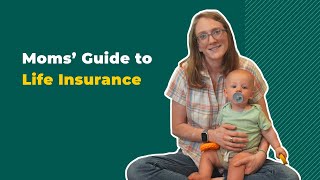
A short, practical video-style talk aimed at mothers about the importance of life and disability insurance. The speaker explains financial risks after a parent's death (childcare, housekeeping, counseling, mortgage, medical bills, debt), recommends term life and short/long-term disability coverage, gives a low-cost example for term life, and advises careful beneficiary selection and planning.
Questions this video answers
As low as $20 a month.
Chapters
Being a mom comes with so many joys, but also a laundry list of responsibilities. Get it? Laundry. You see what I did there? You may not have guessed it, but securing life insurance can be an easy item to check off. You can get it in just minutes and have peace of mind for those who depend on you, like this little squirt. Whether you're a full time working mom, a full time stay at home mom, or a little bit of both, what you're providing is priceless to your family. If the worst were to happen, countless financial stressors would arise, such as the cost of childcare, the cost of housekeeping, and even the cost of counseling or mental health support for those dealing with your loss. That's not to mention remaining mortgage payments, medical bills or other outstanding debt. Alright, that's enough doom and gloom in front of the baby. The point is, having a life insurance policy is sure to help with the stresses that would come from losing a parent. If you're a single parent, this is even more important. It might seem hard to do when you're doing so much already, but term life policies start as low as $20 a month. There are options out there for you that could benefit your family, so take some time to explore some of those. It's never too early to start planning. Securing short or long term disability insurance could protect your wages during pregnancy and postpartum. If you get a policy like this once you're already pregnant, it most likely won't cover your wages as after you have the baby, so take some time to be forward thinking if this seems beneficial to you. A beneficiary is the person who would receive the payout from your policy if you were to pass away. If your children are under 18, you would want to choose someone you trust to distribute and invest the funds. Make sure you talk to them about their role and what you expect from them if something were to happen. Use the information in the description to find out more about how you can protect what matters most even with a busy schedule. Comment below with your favorite mom related Story like and subscribe for more content on how to protect what matters most.