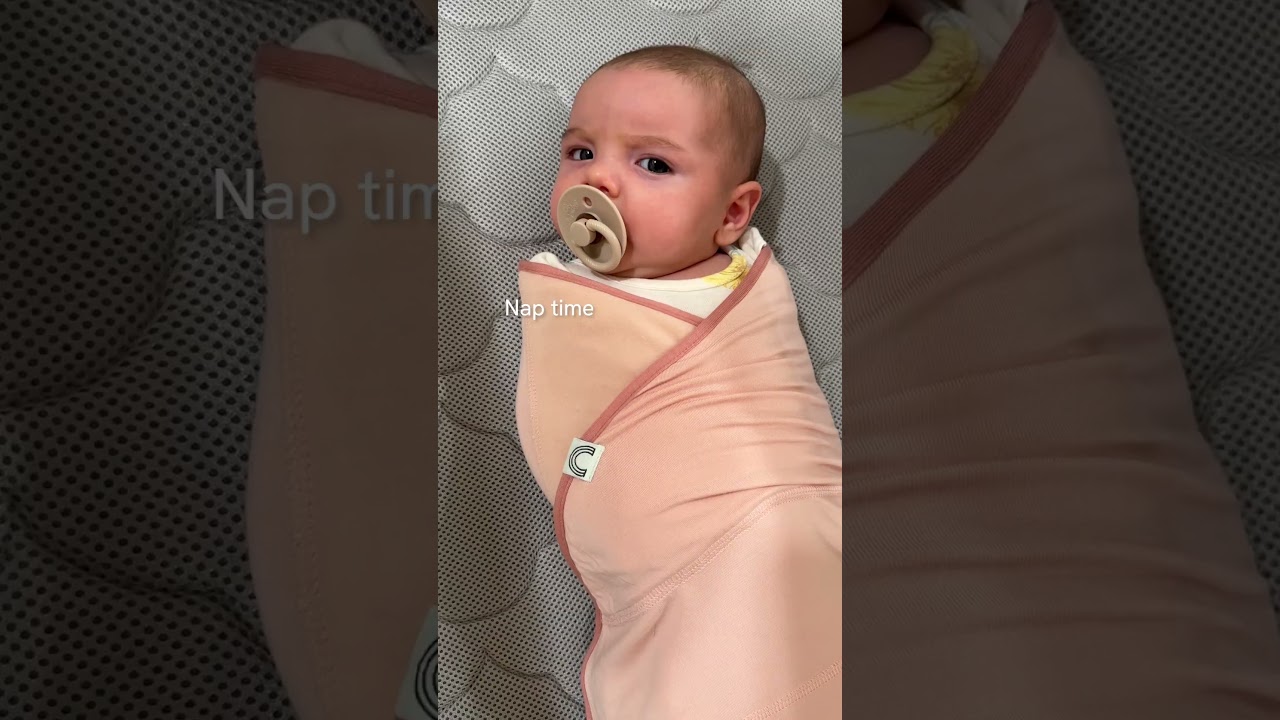
This is a YouTube video titled "4 Month Regression Explained! #babysleep" featuring Cara Dumaplin discussing the four month sleep regression in infants. Cara explains the biological changes in sleep cycles that occur at this stage, the challenges parents face, and practical advice on managing feeding distractions and adjusting wake windows to improve infant sleep. The content is a monologue or presentation rather than a multi-speaker conversation.
I feel like not a lot of parents know this. The four month sleep regression, it's permanent. It's permanent. Now that doesn't mean that sleep has to be forever hard. It just means the changes that are taking place during this time, they're not going away. Hold on, I gotta set this coffee down. Anybody else? If I can't use my hands, can't talk. Anyway. What's happening during that four month sleep regression is actually a biological change with sleep cycles. They move from newborn sleep cycles into more adult like sleep cycles. And that change is permanent. What do you see? A baby who. Baby starts waking more in the night. Naps become harder. They don't want to sleep unless they're on you. Maybe they're more fussy. All of this can get better. But what do you do? Number one, any sleep work you can do before you hit that three to four month mark will make a huge difference. But let's say you're in it, what do you do? Pay attention to what's happening during feeding time. You see at this age, they suddenly become more aware of the world around them. If you're on your phone or the TVs on, the dog starts barking. That's way more exciting than eating, feeding. So they become distracted. If they're not getting those calories in during the day, guess when they're making up those calories at night. If you can be intentional about decreasing the distractions during feeding, that's going to make a big difference. Second thing, pay attention to their wake windows. How long are they awake between naps at this age? We need to start widening those wake windows. You're going to aim for about 90 to 120 minutes bedtime. If you can work on helping them fall asleep more independently at bedtime, it's going to make a world of difference as they begin to transition through these new sleep cycles.