Cara Dumaplin walks through a full day with Harrison, a three-month-old, showing his sleep schedule and daily routine. The video covers feeding times, nap patterns, and practical infant sleep tips from someone who specializes in helping babies sleep better.
Have been loving the day in the Life series. So today I have another one for you. This is Katie and her little guy, Harrison. Harrison is 13 weeks or three months, and his parents took the newborn class. And today we get to hang out with them and see how their day goes.
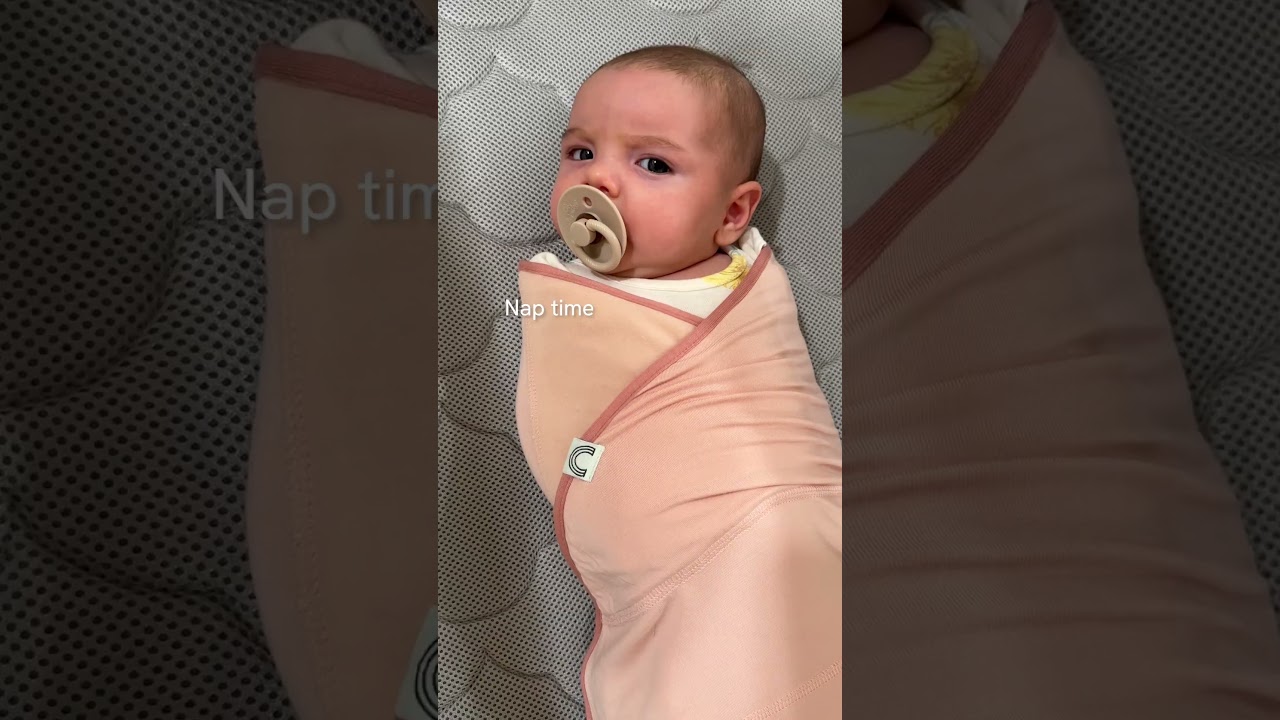
Morning. So we're going to be spending the day with my son Harrison, who's turning three months this week. We wake up at 7 o' clock pretty much every day, regardless of whether I wake him up or he wakes up naturally. So let's get started. Good morning, Harrison. Oh, good morning. Are you ready to wake up? All right, let's get you out of your swaddle, Sam. Harrison's really good about putting himself to sleep, but one area he struggles is connecting his sleep cycles. So we usually get like a good 45 minutes and then things get a little bit dicey after that. So I'm going to take the next 45 minutes to shower and get ready for the day. It is almost 9 o'. Clock. I'm ready for the day. And Harrison is still sleeping for the moment, but I think that might change soon. So. So I'm gonna go throw a load of laundry in and try to enjoy some tea before he starts to stir. Harrison, did you have such a good nap? I'm so proud of you. You did an awesome job, baby. You ready to it? So Harrison has been fussing and awake for the past maybe five minutes. Normally I would try to get him to go back to sleep in his crib, but since he's eating in like half an hour, I'd rather him maybe try to finish the nap. Baby wearing. I know he's more likely to actually sleep on me, so we'll see how that goes. We're killing two birds with one stone. Taking the dog for a walk, and also trying to get Harrison to go to sleep because usually when we walk around the neighborhood, he. She tends to fall asleep better that way. So we'll see. Good job in the mirror. Harrison, is that you? Since asleep, so I'm going to use this time to go get a quick workout in. I don't work out every day. I try to do like four times a week for 20 or 30 minutes each time because that feels manageable to me and I don't feel guilty if I missed a day. So I'm gonna go do that now. Harrison, can you get out of here? Swaddle? Yeah, we need to re swaddle you. Huh? He was still awake and fussing after 10 minutes of trying. So we're gonna give the carrier. Another go, see if he'll finish his nap here. Fingers crossed. Harrison slept on and off for the last half hour, which I'll count as a win. So I'm just gonna have to monitor his sleepy cues during this next wake period because I could see him maybe being a little bit more tired than usual, but it's about time for him to eat. Sam, one more walk to end the day. This is the last thing that we do before we begin our bedtime routine for the night. But Harrison usually loves going for a walk, so it's a great way to end the day. Harrison's hopefully down for the night until we do our night feeding sometime around 4 o'. Clock. But until then, we are gonna have dinner, clean up, and then then hopefully relax a little bit. Thanks for spending the day with us.
This is such a great question. Let's talk through it. First off, I think when it's time to lay down for a nap in a crib or bassinet, turn off the light that cues your baby's brain. Oh, the lights are off, the lights are dim. That means it's sleeping time. That helps set their body up for success, right? Like, okay, it's time to sleep. Here's what I'm going to tell you. A pitch dark room can be really helpful, but it's not a hundred percent necessary. If your little one will take a good long consolidated nap and the lights are off, but it's not pitch dark, I'm fine with that. I know if you've followed me for long, you've probably seen me do the hand test and I'll put that, I'll link that for you next.
Those.
Like, that pitch dark room is really helpful if you're struggling with short naps or early morning wakings, you're struggling with a baby who's really having a hard time connecting those sleep cycles. That's where the hand test comes in. But I'm going to tell you, in this newborn stage, lots of times short naps, that's just developmental. Okay? It's just normal during this newborn time. So I don't want new parents to feel like every nap needs to be in this pitch dark room. That hand test, I'd say starting around about Harrison's age. Like, if mom notices that naps are a struggle, then she can start like at three to four months, start going, huh, I wonder if he would do better in a really dark environment. He may not, because short naps are developmentally normal in these first few months. But definitely by four to five months. If naps are a struggle, that's when you want that pitch dark room. Okay, but you can saw here. You can see Harrison took a great nap. And it didn't. It didn't impact his sleep. So if it's working, we don't have to change it.