5:38
How to dress your baby for sleep without obsessing over temperature. Assess your baby's core temperature and adjust layers accordingly. The video covers different temperature settings and practical clothing choices for safe, comfortable sleep.
How to dress your baby for sleep without obsessing over temperature. Assess your baby's core temperature and adjust layers accordingly. The video covers different temperature settings and practical clothing choices for safe, comfortable sleep.
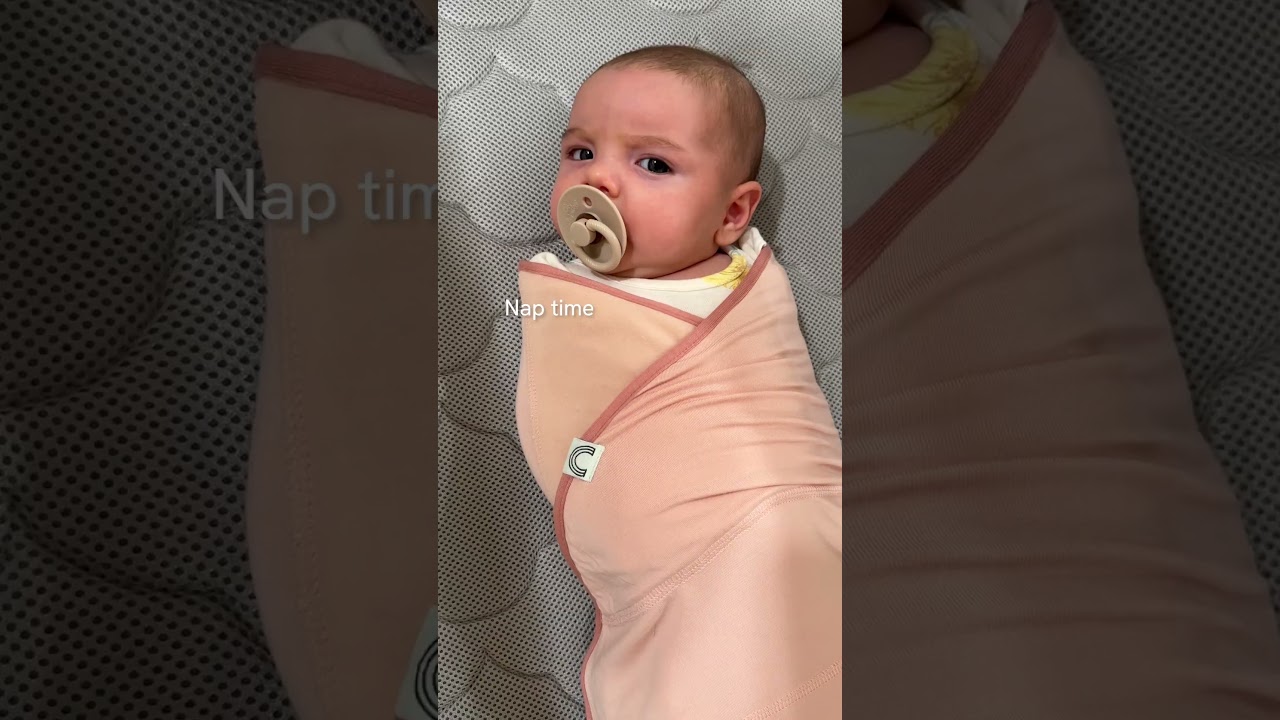
Want to know a topic that causes parents so much stress? Here it is. How do you dress your baby so they're comfortable for sleep? Why is this such a big stressor for parents? Well, we know that overheating a baby isn't safe and we know that cold babies don't sleep well. So what's the secret? What's the way to find that balance without stressing? Well, here's what we know. Lots of literature, including the American Academy of Pediatrics, recommends the room temperature be 68 to 72 degrees for sleeping. Right? So that way they're not overheated, but they're not too cold. But let's talk about that because we know that different homes have different temperatures. For example, this week in Phoenix, Arizona, it's supposed to be 117°. If my air conditioning works really, really well, it'll probably get down to 78 to 79 degrees. That 68 to 72 degree recommended range, that's unrealistic in my home right now. Even during the wintertime when we don't have the heat on, it sits at about 74. So I want you to see that that like the recommended range didn't happen in my home yet. My baby slept well and they were at a comfortable temperature and they were safe. So what's the secret? Okay, here's the secret. Here's your mantra. Assess, don't obsess. Say it with me. Assess, don't obsess. Okay, what does that mean? That means you're going to dress your baby how you're dressed and then you're going to assess. So how are you dressed for sleep? Are you wearing flannel pajamas under a heavy comforter? Okay. Dress your baby like you. Maybe we need big heavy footed pajama pajamas and a heavy sleep sack or swaddle. But let's say you're wearing a T shirt under a sheet when you go to bed. Okay? Dress your baby like you. Maybe that means your baby's going to wear a onesie and a lightweight swaddle or sleep sack. Okay? So dress your baby like you. And if you're comfortable, your baby most likely is comfortable too. But then you're going to assess. What does that mean? That means you're going to feel your baby's core, their chest, their neck, their back, their tummy. Does it feel warm but not cold? Okay, you probably have nailed it. But let's say you notice your baby's a little bit sweaty. Maybe his cheeks are a little red. Okay, he's probably a little bit too warm. We need to take off a layer. So if they're in long sleeve jammies, you need to take them to a short sleeve onesie, maybe a lighter sleep sack or swaddle. Maybe you feel their core and it feels a little cool. Now remember, hands and feet are not good indicators of their temperature. Okay? We always want to feel the core. Let's see. It feels a little cool. Okay, add a layer. Now, this is important when you add a layer. We don't want any loose bedding in the crib. Remember, bare is best. So how do you add a layer without adding a blanket? Well, add a onesie under their pajamas or add thicker jammies or socks or maybe a thicker sleep sack or swaddle. But we don't want loose bedding in the crib. Okay, remember, assess, don't obsess. It's all about assessing. That means you don't have to freak out if the. If the monitor reads 78 degrees or 66 degrees, you can just go, I need to assess my baby. Now, I want you to notice how different parents dress their babies in different temperature settings. Okay? So you're going to see on the next few slides how babies are dressed and what the thermostat read, what the monitor read. Okay? I just want you to observe because all of these parents got it right, and they're all dressed a little differently because they were assessing their babies. Sam. Anyway, I hope that took some pressure off. What I want you to see is these babies were all dressed a little differently and the temperature varied, and all of these parents got it right. Remember, assess, don't obsess. Assess, don't obsess.