This is a YouTube video titled "🌟 New Parent Guide: How to Introduce a Pacifier to Your Newborn 🌟" created on January 28, 2022. The content features a single speaker demonstrating and explaining techniques for introducing a pacifier to a 10-week-old baby named Amaya, including tips on timing, pacifier shapes, and the baby's reflexes. The video is an instructional guide aimed at new parents.
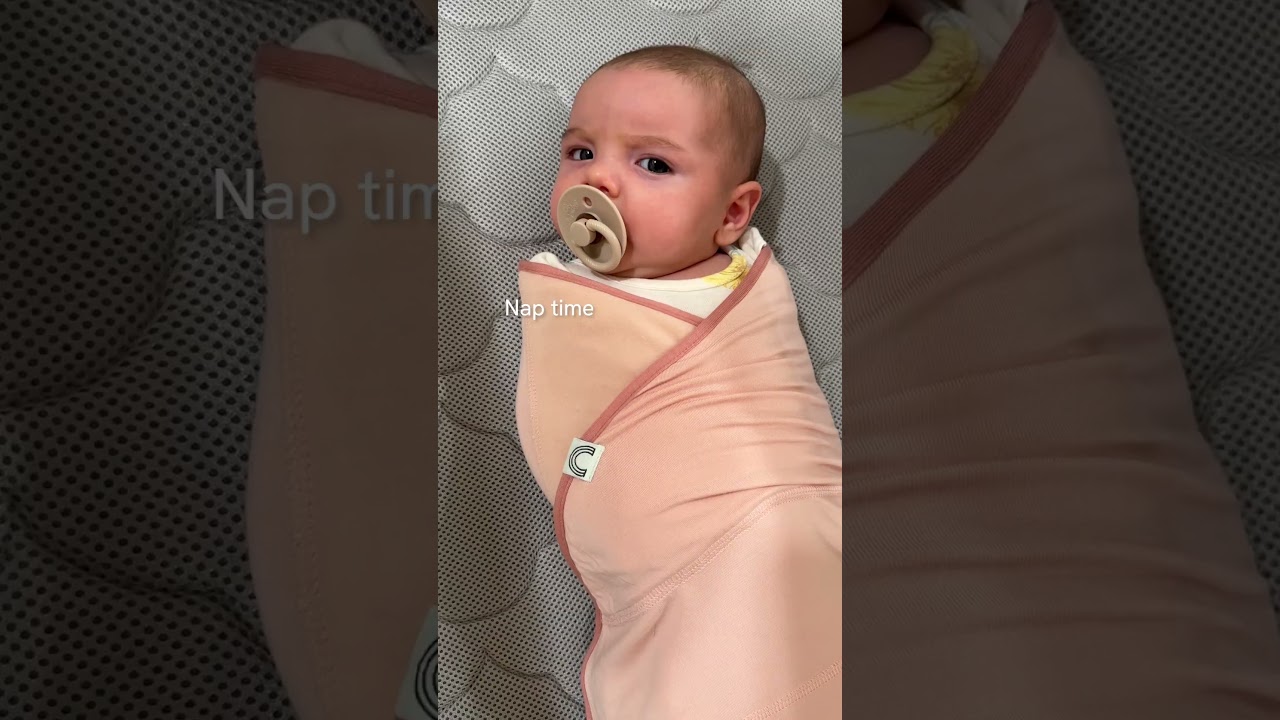
So this is 10 week old Amaya. Amaya doesn't take a pacifier. And so I want to show you how to introduce a pacifier to a baby. Typically, you don't do it when they're crying. Okay, we're gonna see. First off, take your pacifier and apply firm pressure all around her mouth. You can see I have her swaddled and, and that's simply to keep her hands down. But I'm going to apply firm pressure and I'm going to go in circles on the tongue just like this. And she's not so sure about what to do with it. Okay. Keep in mind it's a reflex for them to tongue thrust. They kind of go that with their tongue. Sometimes they'll gag a little bit. What you can see I'm just applying firm pressure on her tongue and I'm going around in circles. Now she's 10 weeks old, she may never take it and that's okay. But we're just going to go around in circles. What do you think of that? Do you like it? Now you can see the shape of this pacifier. Sometimes trying different shapes is helpful. This one is a flat one. Let me show you this. We're going to put it on the middle of her tongue and go in circles and go around. Now you can see I'm not doing this while she's screaming. I'm doing it while she's nice and calm and I'm just applying pressure and holding it there for her. And she's tasting it and kind of just playing with it right now. But that's okay. I'm going to give her lots of time. Go in circles. She's just getting used to it. Now, if you don't want your baby to have a pacifier, you don't have to do this. This is, There you go. This is tools just to show you. If you're trying to offer your baby a pacifier and you can't really get them to take it and you want to help them, these are tools. Look, this is a baby who doesn't ever take a pacifier and she's, she's giving a few little sex on it again. I just want to show you. I've got her arms swaddled just to keep them from being up around her face and making it more complicated. You can see that I'm offering it when she's nice and calm, not when she's hungry, not when she's. Oh, she gagged a little bit. I'm going to apply firm pressure on the middle of her tongue. I'm not doing it when she's hungry or when she's upset. I'm doing it when she's nice and calm and look at her. She's actually taking it. You saw I tried different shapes of nipples. That's really helpful. This pacifier specifically by Ryan and Rose is great because one side is a pacifier and the other side is a teether. So that's helpful. I want to show you the different shapes that you can offer. Some babies like this shape and they get bigger as your baby gets bigger and some like the, the flower flat. So you can just offer different, different ones and see which one your baby like. I think she specifically like this one. So I'm gonna again, if I put it on the tip of her tongue, she'll thrust. See that? That's a, that's a reflex. I'm going to put it on the middle of her tongue and go around in circles. Oh, that gag is normal. I'm just going to hold pressure right here and then try again. She's doing a few socks. And that's how you introduce a pacifier. Oh, let's try that again. And that's how you introduce a pacifier to a baby who really wasn't into it. I do recommend this in the first 12 weeks. After that they may not take it and that's okay. But if you want your little one to take it, probably best in the first 12 weeks. Do you like it? Good job. What do you think, Amaya? Keep in mind that sucking releases endorphins in a baby's brain. So this is called non nutritive sucking, meaning she's sucking without receiving nutrition. And this non nutritive sucking actually releases endorphins in her brain. That helps her relax and be calm. Good job, baby girl. You did great.