This is a YouTube video titled "Separation Anxiety" containing a monologue or informational talk recorded on November 8, 2021, discussing the developmental stage of separation anxiety in infants, its typical age range, causes related to object permanence, and its effects on children's behavior such as clinginess and tantrums. The content is educational and focused on child development.
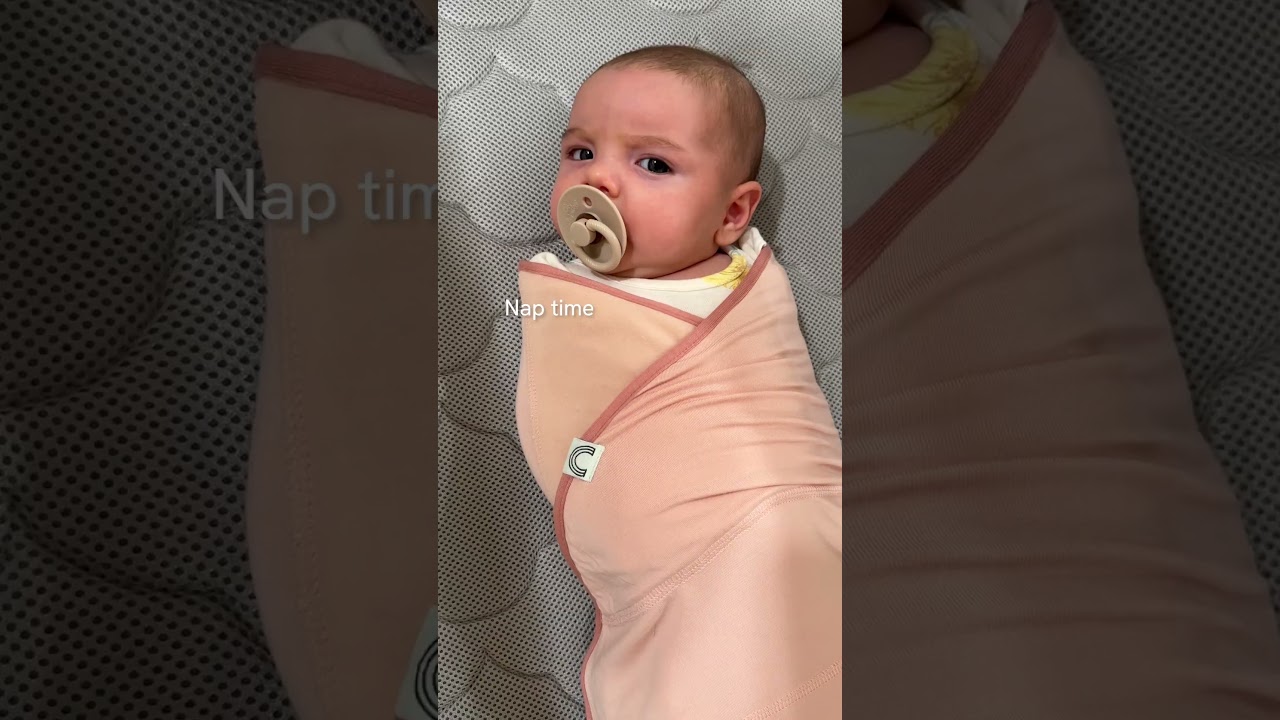
Separation anxiety. Two words that can make you go. Have you experienced it yet? Have you experienced separation anxiety with your little one? If not, it's probably coming. It is a normal part of infant development. You'll typically see increased clinginess, some crying, some tantrums, typically when a parent walks out of the room or when they leave. I know it feels hard and I know it doesn't feel good, but it actually demonstrates normal development and even a secure attachment. So let's talk about when it happens. It can happen anywhere from four months to four years. However, it tends to have peaks and valleys. We tend to see a lot of it between 8 to 10 months and again around 14 to 18 months. So just know it comes and goes, and the intensity can vary from child to child. Separation anxiety is caused by your little one learning a new concept. They are learning. When something goes out of my sight, it still exists. This is called object permanence. If you haven't done this with your child, take a little toy or a Cheerio or something and put it under a cup and see what your little one does. Do they pick the cup up and look for it. That is object permanence. We typically see it so starting around eight months for some a little earlier, some a little later. But when they're learning this concept, this is when we start seeing separation anxiety. Now, separation anxiety can impact all aspects of a little one's life, including nap time and bedtime.