
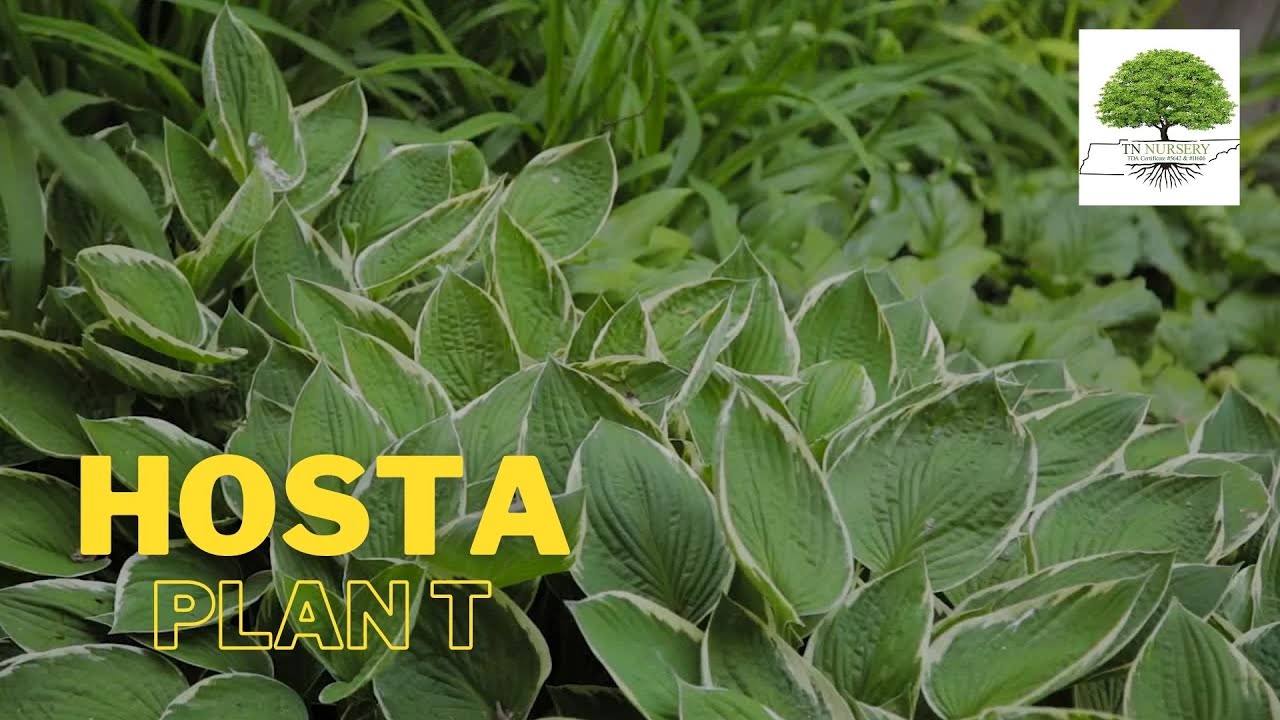
The video from TN Nursery introduces the hosta plant, a shade‑loving perennial prized for its large, heart‑shaped, often variegated leaves and bell‑shaped flower spikes. It highlights the most common U.S. variety, 'Keepsake,' describing its green leaves edged with yellow or white, hardiness, and sturdy ribbed foliage. The narrator discusses aesthetic benefits, ease of maintenance, and how hostas enhance low‑light garden borders. Companion‑planting ideas are offered, pairing hostas with similarly colored flowers such as California bluebells or tuberoses, and arranging species in concentric rings for visual impact. The plant’s value to pollinators is noted. The video concludes with a call to action, directing viewers to a purchase link in the description and the nursery’s website.
Chapters
Welcome to TN Nursery. In today's video, we're featuring TN Nursery's hosta plant. Hostas are shade-loving perennials known for their large, heart-shaped, and often variegated leaves and spikes of bell-shaped flowers, making them popular choices for garden borders and landscaping in low-light areas. They are renowned for their lush foliage and graceful appearance, which offer many benefits when incorporated into landscaping designs. These versatile perennials have gained popularity for their ability to enhance outdoor spaces with their aesthetic appeal, adaptability, and ease of maintenance. Hosta has stunning leaves. The type seen most commonly in the United States is the 'Keepsake.' The charming green leaves ringed with yellow accents are popular because of their hardiness in different climates and the beautiful vistas they create in a garden. Sometimes, the lighter color rings are shades of white rather than yellow, but they don't lose any eye-catching effects. They have leaves of a single color, usually dark green. All their leaves are sturdy and ribbed, even if they're longer and tapered rather than cheerfully oval. Hosta is great with other plants. When they are surrounded by flowers of similar colors, such as California bluebells for the species with violet flowers or tuberoses for the white-flowered species, it creates a breathtaking effect. Alternating the various species in concentric rings would increase their appeal and let them truly shine. This hosta is good for pollinators. To purchase these plants, please see the link in the description below. Visit our website today.







