Pawpaw is North America's largest native fruit tree, producing up to 1 lb fruits with banana-mango-pineapple flavor and high vitamin C and A. It grows 15-30 feet tall, thrives in zones 5-9, and hosts zebra swallowtail butterflies. The tree's bark and leaves contain natural insecticide.
Chapters
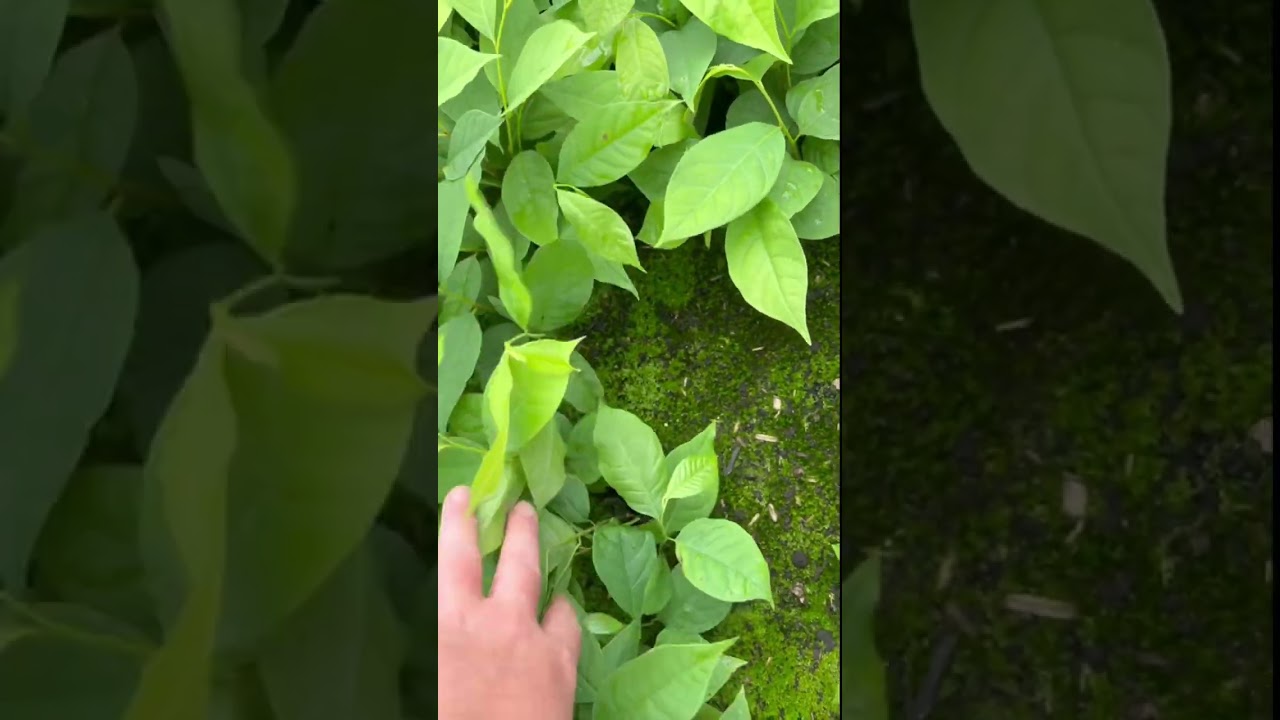
Hey guys, it's Bailey with TN Nursery, and today I want to show you our little pawpaw seedlings. Pawpaw is a very sought-after tree. It's our best-selling plant. There's nothing that compares to it. Uh, it is the largest fruit-producing native tree of North America. It produces fruit that weighs up to 1 pound each, and one cluster of fruit on a tree can hold up to 8 fruits. Just one little bloom. And, uh, the bark and the leaves and the seeds contain a natural insecticide. The fruit is highly nutritious, rich in vitamin C and A and minerals like magnesium and iron. Uh, it produces little to no pollen or odor, making it a very good tree to put with in your yard if you have allergies. The tree grows 15 to 30 feet tall, making it perfect for small yards. The fruit tastes like a banana and a mango and a pineapple mixed together. It's the best tasting fruit you can probably eat. Uh, it is the host plant for the butterfly, the zebra swallowtail butterfly. I'm going to put a picture of that butterfly in at the end here so you can see what it looks like. It's a beautiful butterfly. George Washington reportedly enjoyed chilled pawpaws as a dessert. Lewis and Clark documented eating pawpaws during their expedition. The tree loves moist, well-drained soils along riverbanks and in forests. It thrives in USDA zones 5 through 9. The fruit has black or brown seeds the size of lima beans, so it's very easy to get them out of your fruit when you go to eat your fruit. We have very limited stock available. Get it while you can.