
Rare caterpillars has landed on our milkweed!!! #caterpillar #perennials #nativeperennials
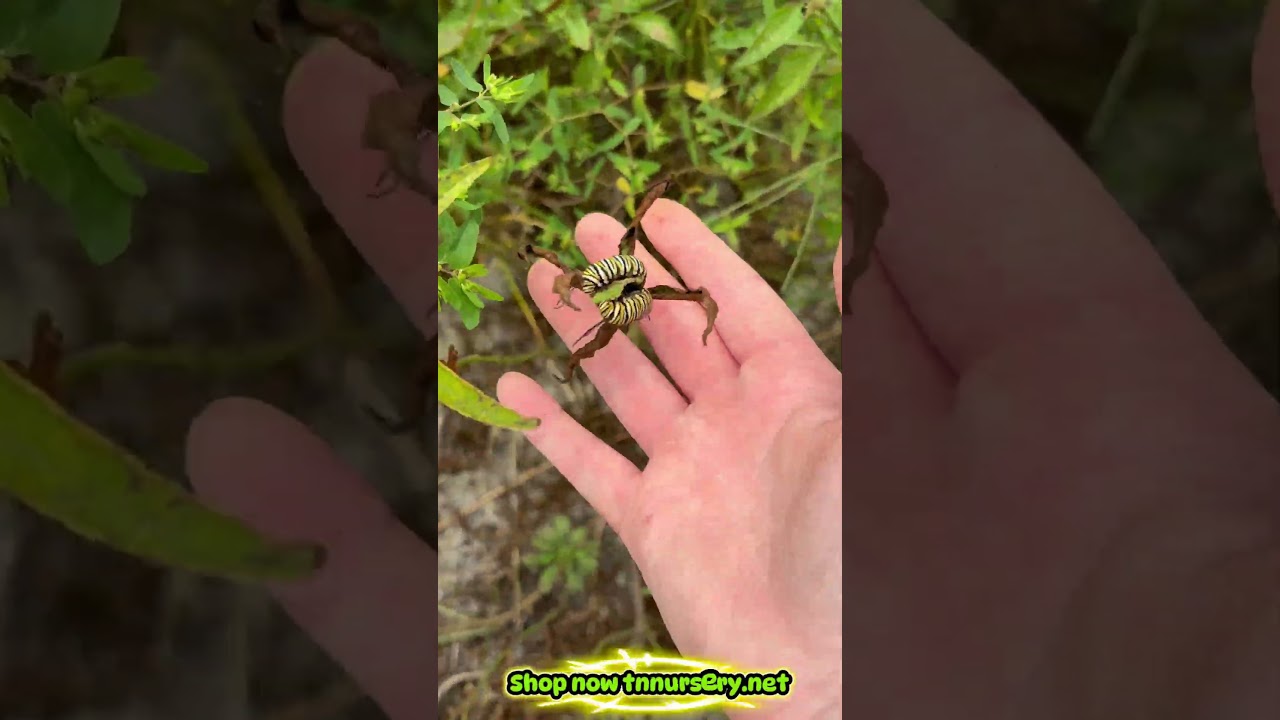
In this YouTube segment, Bailey from TN Nursery showcases a thriving colony of monarch caterpillars on an older, undisturbed milkweed bed in Tennessee. He emphasizes that native milkweed species (butterfly, swamp, and regular milkweed) are the only plants on which monarchs will lay eggs and successfully develop, whereas modern hybrid milkweeds are inadequate. Bailey cites a dramatic 90% decline in monarch populations over the past five years and warns that extinction could occur within the next five years if trends continue. He links this decline to widespread mosquito‑control spraying, which not only harms mosquitoes but also devastates non‑target insects such as dragonflies and monarchs; a single drift of spray can wipe out an entire generation. The video serves as a testimonial that preserving native milkweed can rescue monarchs, and it concludes with a direct call‑to‑action encouraging viewers to purchase native milkweed from tianursery.net to help save the species.
Chapters
More from Tammy



Big Box Quality vs. TN Nursery Quality – See the Truth! #gardening #nature #plants #hibiscus

Growing Black Eyed Susan’s #tnnursery #garden #nativeplants #gardening #pollinatorgarden




Unboxing plants from TN Nursery #plants #growyourownfood #garden #houseplants #ecofriendly



Growing hibiscus by the thousand’s 🌺 #hibiscus #gardening #ihavethisthingwithplants