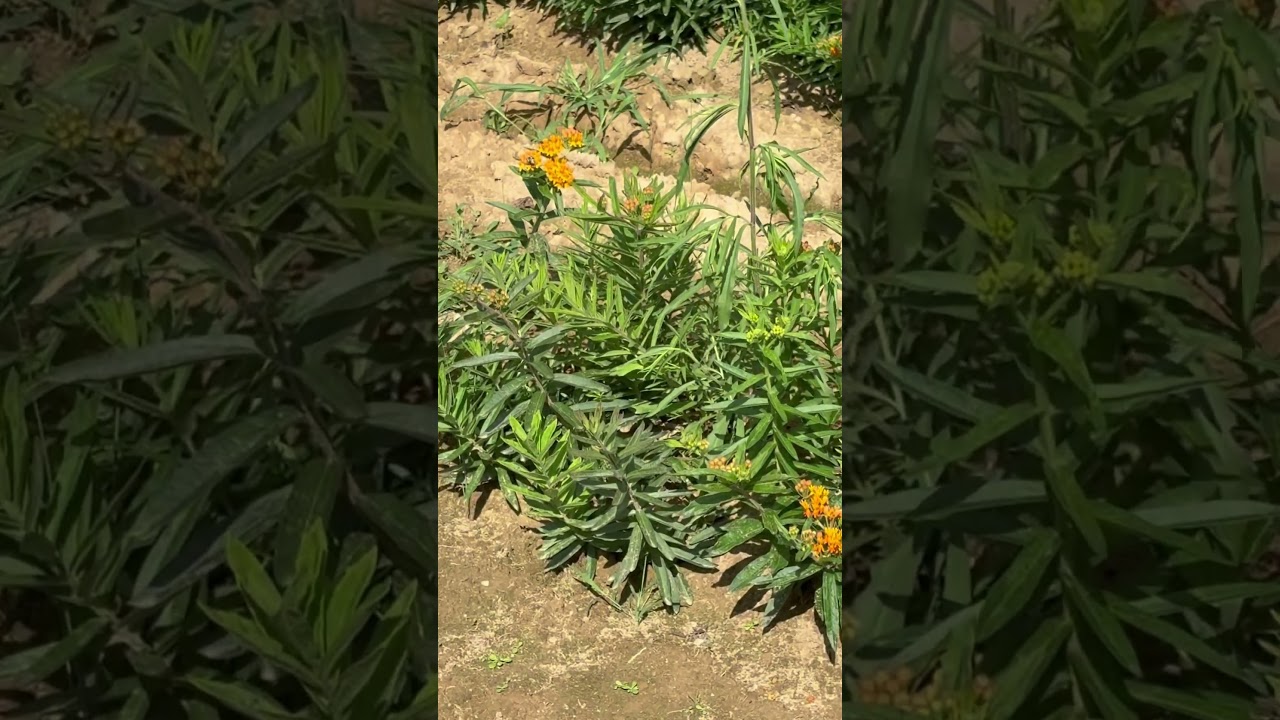
Monarchs could go extinct by 2035–2050 due to habitat loss, pesticides, and mosquito spraying. Bailey of TN Nursery says the fix is planting native species like butterfly milkweed, swamp milkweed, and coneflowers instead of ornamental non-natives from big-box stores.
Chapters
Hi guys, it's Bailey with TN Nursery, and I wanted to show y'all, I caught some pictures of some beautiful monarchs over in the field today on our butterfly milkweed. Monarchs are expected to go extinct in 30 years due to habitat loss, deforestation, logging, and spraying. Now, these cities is coming in and spraying for mosquitoes, and that spray doesn't just kill mosquitoes, it kills our pollinators. It kills butterflies, it kills our good insects, and it kills the bad, which is the mosquitoes. It's wiping them out. And that's not the only thing wiping them out. It is also, we're not planting any native plants like milkweed or butterfly milkweed. We're just planting pretty stuff when we need to be planting beneficial stuff. They're dying due to loss of milkweed, herbicides, pesticides, fungicides, air pollution, light pollution, noise pollution, but that isn't the main causes. It's spraying and it's not planting native plants. If we will start planting native butterfly milkweed, native milkweed, swamp milkweed, honey vine, we can save these from going extinct, but we can't, we can't do it by ourselves. It's got to be a nationwide thing where you where we all gather together and start making beautiful butterfly milkweed forest. And it has to be all of us to try to save these because they're gonna go extinct if we don't. Don't worry about the pretty stuff you can get at Lom— sorry, Home Depot or Lowe's. Don't worry about them pretty roses. We need to be planting native milkweed, native milkweed and native butterfly weed and native coneflowers and black-eyed Susans. We have to save these, and it's going to take more than just a few of us to do so.