
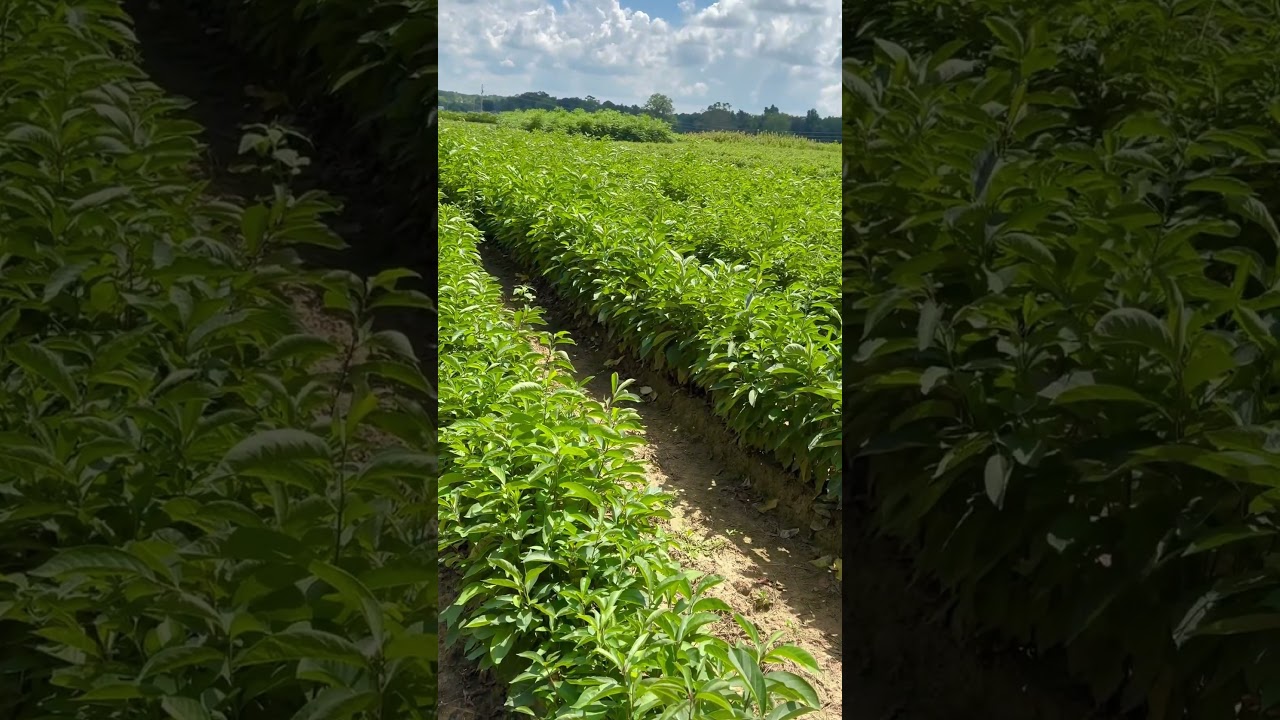
Why should you grow the native persimmon tree for native fruit?#NativePersimmon #nativefruit
19 Aug 2025 · 2 min
2:06
Bailey from TN Nursery explains why native persimmons belong in your garden. The tree grows 30 to 80 feet tall, produces sweet fruit after the first frost, lives over 200 years, and thrives in poor soil with almost no care. Native Americans used the wood, fruit, and leaves for food and medicine.
Chapters
More from Tammy



youtube.com
Big Box Quality vs. TN Nursery Quality – See the Truth! #gardening #nature #plants #hibiscus
2mo ago

youtube.com
Growing Black Eyed Susan’s #tnnursery #garden #nativeplants #gardening #pollinatorgarden
2mo ago




youtube.com
Unboxing plants from TN Nursery #plants #growyourownfood #garden #houseplants #ecofriendly
3mo ago



youtube.com
Growing hibiscus by the thousand’s 🌺 #hibiscus #gardening #ihavethisthingwithplants
3mo ago