Brand positioning should guide every customer touchpoint from awareness to loyalty. When touchpoints misalign, like Bud Light's influencer campaign that clashed with its core audience, brand equity erodes. Map every interaction your company has with customers, then audit each one to ensure it reflects your brand voice.
Chapters
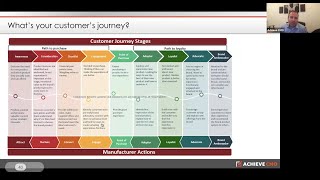
Okay, you're positioned in the market, right? You've got your, you've got your brand identity, you know where you're playing in the market. You decided like, hey, this is the type of company I wanna be. Here's my positioning. Now you gotta go create this journey, right? So part of your brand experience is this customer journey that go on. Everybody who's buying a product goes through some sort of journey. Sometimes they skip steps, but this is kind of a basic journey of like, Awareness, there's path to purchase, and then there's a path to loyalty. So you think about awareness, consideration, shortlist, engagement, point of purchase, adoption, loyalist, advocate, brand ambassador, right? What we want to create is brand ambassadors. Like, that's the end goal. I want to go create a bunch of brand ambassadors that love me, that are raving fans, right? So if you think about what is the goal of your brand journey, of your customer journey, In a lot of ways, this is the goal. The thing is, is as you think about your branding, think about your, your, your identity, think about your personality, think about the story, all of those things. Guess what? Every step in this journey is an opportunity for you to reinforce or not enforce the power of your brand. One bad customer support call suddenly your brand value goes out the window, right? Somebody on social media— this happened with Bud Light. I don't know if anybody followed Bud Light. For, for example, they had in some ways something that's totally out of their control that for whatever reason alienated their base, right? So what happened is there was a point in the journey that something happened Whether we agree with it or not, it's an interesting case study about branding, right? Because guess what? Social influencers who are pushing their brand represent their brand, and they represent the values and the things that they're representing. If the base and the customer doesn't agree with that representation, then you've got a mismatch. So has anybody heard the Bud Light story, or am I You following it at all? A little bit. I think it's a really interesting case in brand, in branding and brand experience and brand journey, because what it says is that, guess what? That brand experience broke. There was something broken in that brand journey, that brand experience for Bud Light users as a whole. You know, it didn't, it didn't follow those things and it, it is definitely affects their brand, affects the value of the brand, the loyalty of the brand, right? One of the ways in which you can create brand experience is by mapping the out and then by kind of looking through that journey and ensuring that each of those steps in that journey is aligned with that brand experience that you're trying to create, right? So in this, I like to create what are called customer journey maps. These are, these are 3 real examples of journey maps that I've created. This first one is for a company called Workfront. Oops, where'd I go? Right, we created the journey map. This one's for Spingo right here, and this is a company called DigiDo, which is a— they help the small businesses with their IT. And what we've done here is we've essentially mapped the touch points and the journey points that go a long way. So in this, you know, It's kind of hard to read these, but there's a point where there's an email that goes out, there's a part of the website, there's a customer interaction, there's a sales interaction, there's a purchasing decision, right? All of these touchpoints should reflect your brand identity, your brand personality, and be consistent with the values that you set forth, right? So if you do a brand audit, which is something you might do or consider doing, is to go through that journey from start to finish and say, hey, is my brand consistent, right? Does it reflect the values in each of these touchpoints? Whether it's brand identity, whether it's brand voice and your language and your personality, whether it's scripting on sales and support calls, it might be emails. It might be the way we represent ourselves at an event, whatever it is. Think about that journey map because in reality, the customer experience and the brand consistency is in all of that. Your marketing, your ads, your social media, your promotions, the displays you use, the word of mouth and the way people talk about you in your emails, with the salesperson, with the packaging, with your invoicing. With your website, with the store, the catalog you have, your customer service, newsletters, surveys, forum, all of that stuff. Guess what? Your brand encompasses all of that. And if you're not consciously looking at your brand experience in that context, there's opportunities where it can go astray, right? So what I'd like to do is for you to take a few minutes and try to identify the brand experience gaps that your company has. And to just make a list for a minute.