product marketing- tuned in.mp4
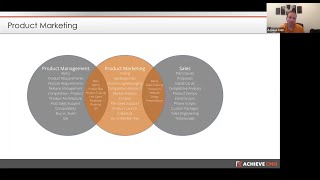
Product marketing bridges sales, product, and marketing by turning technical capabilities into market-ready messaging. The "Tuned-In" framework discovers overlooked problems, defines buyer personas, quantifies impact, aligns with company strengths, and crafts positioning that makes customers instantly recognize the benefit. Examples include iPod, iPhone, Fitbit, and Airbnb.
Chapters
Product marketing, by the way, often sits between— like, it plays an interesting place because it sits between like sales, marketing, and product management. Think of like a software company that is, you know, they're developing a product or a tool, you know, whatever. They've got an engineering team. And so that, you know, there's a product manager often laying out those requirements, the release management, the architecture, things like that. And then you got the sales side says, hey, I've gotta go sell the product that you're, you're creating. And product marketing kind of slives in between those and helps facilitate that, right? And so they help with things like positioning and pricing and market analysis, research, competitive research, go-to-market strategies. They often help create sales training or, uh, you know, demos of the product. They're involved with the website and scripts. And so There, there's a lot that product marketing can do, and that's kind of what we're gonna be talking about today. Okay, so first topic, create products that resonate. So a product that resonates means you create something that has, that is like the perfect solution to a specific problem. Think about it that way. People wanna buy your product because they recognize its value immediately. In other words, they don't have to be conjoled or coerced into buying it. Because it legitimately solves a problem and pain point for them, right? Now the other thing is your offering establishes a real and direct connection to whatever the market values the most. And when people hear about your product or service, they immediately understand the value, even if they've never heard of you before, right? So some examples, um, of products that resonate— one of the greatest examples is iPod, 1,000 songs in your pocket. When it first came out, It was revolutionary, right? And then obviously that evolved into the iPhone, which was even more revolutionary, right? But they were solving very specific problems. The Fitbit's a good example of a problem that trying to solve, manage your, your health and exercise. Amazon Prime, I mean, I don't know what we did before, like 2-day shipping, you know, like it's like immediate satisfaction. I order something, it comes to my doorstep, Airbnb, Airbnb, Uber. You think of, you know, HelloFresh or Tesla or even the Dollar Shave Club. They've created products that solve specific problems in a very specific way. That's like the perfect solution to the problem, right? And so these are products that resonate. We talked about this in You know, earlier in, in talking about branding positioning, in my mind, when we talk about get a product that resonates, it's this perfect place right here in this winning zone, right? It's this place where your competitors don't live, but your consumers want it and your brand does it really well, right? And this winning zone is where you deliver that product service that they want. And it's this, this is where we want our brand and also our product to be, right? The consumers have a high demand for it. Our product does it really well, and our competitors don't do it, or they don't do it well, right? So I want to talk about this tuned-in process for a minute. Um, so this came over a little different. I imported it from Google, or from Microsoft PowerPoint, into Slides, and I didn't really see that you can't see that, but So first step in the tuned-in process, we're talking about how do you find unresolved problems in the industry. So we're looking at overlooked marketplace problems, right? There, there's this unresolved problem out there. If you can understand it in detail, right? And then what those existing problems are, you can solve those, right? This often requires that you have to get out of your office and actually speak with potential buyers. So in the Tuned In process they talked about in the book, they talked about even observing the market and saying, okay, what are the problems, the unresolved problems that are out there? Is there a specific problem that we can solve and do it really well, right? So that's kind of the first thing is, can we find an unresolved problem? If you think about your businesses today, obviously your products or services are solving problems today. Right there, there's, there's a lot that you're solving. The question is, you think about this is, are there any unresolved problems or opportunities that aren't being solved today? Right? The next step is to understand your buyer personas. We've gone in depth on this a little bit. But it's, you know, you're describing that group of people who share one or more of the problems you've uncovered. So if we, if we talk about, I mean, let's just take one of the examples, maybe an Airbnb, right? Um, the founders of Airbnb said, hey, I think people want unique experiences that the hotels can't offer. What if we could have people rent out their spaces, their extra space in their home, to create these experiences? And, and you create this kind of economy, you know, where there's a two-sided market on it, right? And so what they did is, hey, let's go under— let's go understand those buyer personas. So if we're looking at one, would people actually go and stay in somebody else's home? Well, it turns out yes, they would, right? So they under— they're able to uncover that group of people. If you're able to understand that buyer persona, you can then quantify the impact. So you analyze whether or not people would pay to have you solve the problem for them. So this is a big challenge for a lot of startups, right? It's so— it's like, okay, hey, I've identified this problem, I know who my buyer is, but it might— the pain threshold of the problem might not be that great. People may not be willing to pay for it. So it's like, okay, great, it's a problem, and maybe it's a problem for this specific group, but they're not actually willing to pay you for it. And so then the pain threshold is like, okay, what, what's the real impact I'm gonna have on the company or the person if they're not willing to pay for it? And so you've gotta think a little bit bigger. So, okay, is there maybe a different problem that needs to be resolved. Once you can quantify the impact, you create products and services based on your company's distinctive competence. So this is what your company does well to offer superior value. This is that, that, that green zone that we're talking about where you really want to be, and you create those breakthrough, those breakthrough experiences. You then, you develop a memorable way to describe it. You need something which gets to the core of your offering and which also resonates deeply with your buyers, right? So we can articulate those powerful ideas We've also talked about this before. If you use the success ideas, you know, the, the made to stick kind of ideas, you're articulating it. And then communicating with potential customers, show them how, show them you have a product or service worth considering, right? Being authentic. So this says establish authentic connections. Um, so communicate that. When you get these all in line, Tuna says, hey, you've got a resonator. Right? You've got something that resonates in the market. Okay, so what I want you guys to think about— I want to do a 5-minute exercise here. So take out your pieces of paper, take out your computer, whatever it is you're, you're doing notes on. And I want you to think about for a minute, how do you— can you create a breakthrough experience from your, your products? What are the unmet needs? What unmet needs do your customers have? What's your company's distinctive competence? What does your product have that your competitors doesn't? What could you do differently to deliver a breakthrough experience? Could you personalize or customize your service a little differently? How can you surprise and delight your customers? So one of the things we talked about here was this breakthrough experience, right? So a lot of you today have— you, you're doing this already a little bit, right? You have a problem you're trying to solve. You understand your buyer, you're quantifying the impact. Part of creating a resonator is also having this breakthrough experience with your products and services, right? So this is the area I wanna focus on right now a little bit, is how can you create that breakthrough experience? So come back to this here, take 5 minutes, write down some, go through these thought processes for a minute, and how can you create a breakthrough experience? Okay, ready? Go.









