The Achieve Podcast - Brad Johnson (Disaster Recovery Restoration)
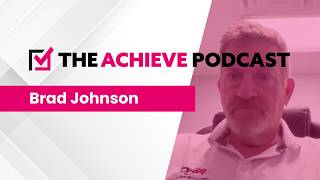
Brad Johnson co-founded Disaster Recovery Restoration after entering the industry through LiDAR and construction ads. He runs 15 core staff with hundreds of on-demand subcontractors, refuses pay-to-play schemes despite industry corruption, and uses Arizona's Prompt Pay Act to fight payment delays. He's aiming to double revenue while staying locally owned and ethical.
Chapters
Welcome to another episode of the Achieve Podcast, the show where we highlight leaders, creators, and entrepreneurs, those who are building meaningful businesses, shaping their industries, and having an impact. I'm Taylor Baker Baker, your host, and excited today to be joined by Brad Johnson, the business owner of Disaster Recovery Restoration, and you can find them at GoDrr.com. Now, Brad, thank you very much for meeting with us today.
Oh, you're welcome. Thanks for having me.
Oh, my pleasure. I'm excited to go through this. And so for those getting to know you a little bit and the company, give us the backstory. What brought you into this niche environment?
Desperation.
Okay, so how did you get into this? Because With what you're doing with recovery, I mean, you're taking calls 24/7, and so yeah, it's not for the faint of heart.
I mean, I got into it because I stumbled into the, uh, to the construction architect, uh, industry, um, through LiDAR, um, 3D imaging and all that kind of stuff, uh, answering ads looking for a job. And, uh, anyway, that's kind of how I got into the AEC industry and, uh Anyway, um, I saw another ad because it wasn't really liking the other thing that I was doing, and, uh, that was like 16 years ago. And I went to work as a business development person and worked for a couple of— 2, 3 different companies over time. And one of the companies was a national brand where I met— I do have a business partner, uh, he runs all the operations. And, uh, he approached me after I hadn't seen him in 2 years and said, I'm tired of making the company we worked for all the money, and you want to start a company together? And so we did. That was, uh, we're in our 5th year.
Oh wow. Now how big is the company now in revenue? I don't share those information, but how many employees? Like, how big is it?
Well, it's interesting because of my business partner's, uh, whole career has been in this industry. He's worked on the, uh, on the CAT teams, uh, which is hurricanes and huge, huge multi-million dollar jobs all over the country. So he's got relationships with, um, agencies all over the country. And so we can have full-time right now is about 15 people in the office, but at any given time, uh, we can have 100 people, we could have 300 people, we could have 1,000. Um, we just manage their managers who manage their people, but these are all resources that we use that are people that are trained in the industry.
Okay, depending on the project you're trying to tackle.
Correct.
It's going to scale for that. That makes a lot of sense. Now, what would you say is driving growth for you guys right now?
Well, uh, relationships. Everything that we do is relationship-based. I think probably a caveat to that though is that there's a lot of things going on in our industry right now, one of them being the corruption. I'm not going to sit here and lie to anybody and tell you this industry is not corrupt. It's very corrupt. There's a lot of, uh, paying people for business, plumbers and HVAC companies and technicians, and, um, I just won't participate in that because what happens is when, when something like that goes down, a plumber's called to a small leak in a house or something, and they get there and they say, hey, uh, you need to call a restoration company, and I got a guy. And so then the restoration company shows up and they say, hey, you know what, you need to file a claim. And so this person that's panicking because, you know, their bedroom, bathroom, and part of the hallway is wet. Nobody bothered to look at their policy or even ask what the policy was, what— what's covered. But more importantly than that, in today's market, insurance companies will drop you after one claim. Um, so they don't care because once that claim is filed, um, there's money transferred, and it's anywhere in between $500 and $2,000.
Oh wow.
Yeah, well, the other thing, it's real quick though, the other thing that's going on now is that, um, venture capitalists, uh, hedge funds, all these people are— I just got two more today— they're, they're buying everybody up. And so what people think are still a locally owned and operated, uh, business, they're not. They, they've sold Um, and it's, it's crazy. A lot of in the home improvement space, the stuff like that, it's all being bought up by private equity firms.
And yeah, so what do you feel like is causing that, and what is that going to have— what the repercussions are going to be?
Well, um, you know, there's a lot of guys like me that, that started the companies, their companies, 20 years ago. I just met with a good friend of mine who was a competitor, but, you know, I try and be friendly with everybody that does good work. Um, you know, he's been in business 30 years. He just sold, um, and has been rehired on as a CEO for that, uh, private equity firm. Um, so a lot of guys are making a lot of money. The problem with that, as far as I'm concerned, is I'm not ready to sell, um, nor is my business partner. And I still think that there's definitely a market out there, um, in both the residential and commercial base of people that want a locally owned and operated company where the actual owners are involved. Um, and, and everybody here is local, and we're not being driven by the almighty corporate gods telling us to go and make a ton of money for them. Um, I've talked to a lot of, uh, adjusters around the country, um, and they're getting really tired of it too because, you know, they used to could build relationships with people like me and our, our estimators and stuff and project managers and work in cahoots and make sure that everybody's taken care of and nobody's been taken advantage of. And that's been lost now because it's just the dollars driving everything.
Wow. Wow. I can see so many layers of that to peel back. So for you, what do you feel like— what turning points have kind of molded the way you think about running the organization?
The turning points, just because I saw the corruption out there, um, it's really everything we do is above board. Everything we do is professionally done. It's, uh, we don't do more than is necessary. We don't file claims that are not necessary, necessary to, to file. We don't inflate our prices. A lot of guys will, they have this, uh, this idea that um, they need to increase their estimates by 20% because the adjusters are just going to hack them down by 20%, and it just drags everything on. Um, I, I, we— I don't believe in that. It's like, here's what we did, here's why we did it, and here's, here's our estimate. And we don't have to sit here and play these games. Even if it's somebody I've never worked with, they want to see that the eyes are The T's are crossed and it's done and done right. And, you know, I think that that news is really spreading around that there's a few companies left out there that are doing it right.
Yeah. Now, for you guys, what do you feel like has been working to attract and retain customers?
Word of mouth. You know, when you're dealing with facilities managers, multifamily, commercial, whatever, um, you know, one talks to the other. It's just like I have relationships with other owners in my industry. Property managers have relationships with other property managers in their industry. And when they say— they get talking shop, you know, it's like, man, I got screwed by this company. And my property manager that I work with says, well, you know, I've got 5,800 homes and these guys that I use are amazing. So, you know, word of mouth spreads around. I'm not a big believer in spending tons of money on social media, meaning Google and all that. Just, here's my credit card, bill me at will. I want to get to know the people that I'm working with and have purpose. Creating emergency response protocols, being proactive, not reactive. When you start painting the picture for them, through relationship building and meeting people. If you've got a story to tell and it resonates with them, they'll listen to you. And it's resonating very much right now.
Yeah, yeah, I can tell that. Now, where do you still see opportunity on the table with all this?
Oh my goodness, uh, there's all kinds of opportunity, um, in city, state, that kind of stuff, universities. You know, because we're still fairly new according to, you know, we're not new in the business, but the business, you know, you have to, you have to apply and try and get in the loop with different cities and municipalities and stuff. And so there's, there's a lot of room for us to grow in that area. The commercial space is, is huge. Phoenix Metro is just booming, uh, with, uh, all kinds of business, which is bringing in residential as well. Um, so it, it really is, it's like, you know, it's, uh, there's, there's room to grow in, in a lot of different areas. We just brought in all the different types of program work. Um, you know, we've had them on board, but we haven't really focused on it. But we hired an estimator that has 30 years experience working with the programs. And, you know, we've just launched everything and letting him run it. So, you know, that's going to bring in a ton of business as well.
That's awesome. Now, with the changes in the economy, there's been a lot of talk around the AI and automation of things. Where have you guys found ways to start utilizing some of those tools?
Well, actually, um, if you go to our website, um, you know, we started out and spent $300 and this gentleman is awesome. I still have a relationship with him. And for $300, he built our first website. And, and then I was lured into the, hey, you know, you need to rank and all this kind of stuff by other people and LinkedIn and all this. And I'm like, I don't really understand it, and so I need a more robust website and I need to look this and that. And, um, so then you go and you spend all kinds of money with firms that say they can do this and they can do that and they can promise all these jobs coming in. And a couple of things about that, you know, it's like sometimes those aren't the jobs I want because that's only cash flowing it. If you stop and look at it over time, you're not really making money because the more jobs you get, the more people you have to have, the more equipment you have to have, the more vehicles you have to have, the more insurance you have to carry. There's all kinds of things that go into that. And, um, you know, I would rather be selective on what I bring in and make sure that I'm profitable on every job and being honest about it than to just have 25, 30 technicians out there chasing every plumber and every HVAC technician and Google just cranking out jobs. And, um, you know, I want to build relationships with companies where I get repeat business and property managers and assisted living facilities. I mean, I've got several verticals that we penetrate— construction, many different ones.
That makes sense. That makes a lot of sense. I mean, ideally, as you're wanting to grow, where, like, where do you want to see things in a year or two?
Well, I'm gonna back up just a little bit because you asked where social media comes in, and where I was going with all that is that we've paid everybody else to make this awesome website. And with, with the AI and all the different things, um, my business partner is actually He hates when I tell people this, but he's brilliant. He's, he's patient. He's brilliant. I'm the opposite. That's why we're such great partners, because my hair is always on fire. I've got the, the drive, make it happen. He's just slow and stable. And if you go to our website, what you're looking at is 3 weeks of him building it, and it's, it's better than anything that we've ever, ever had. And we've spent probably all in $50,000, $60,000, $70,000, $80,000 over the last 5 years with multiple companies trying to get it up to where we wanted it.
It's a beautiful site. I've gone through it. So yeah, that's impressive. He built it himself and he's still building it right now. That's awesome. So Brad, if you had to pick one constraint to focus on and solve over the next 90 days, that could change the trajectory, what would it be?
Getting paid.
Okay.
And I don't really know the solution to that because, you know, insurance pays when they want to pay. And if Palisades fire hits or a hurricane hits, they're going to let you know via email, hey, we got called off to do the something that we feel is more urgent and more important than you. And you know, unfortunately, residential, commercial, doesn't really matter who you're dealing with, they don't really understand the process. And, and what I mean by that is they think that they can pay when they get paid from their insurance. But in reality, even though it's explained right up front by us and our project managers, because we send them first, we don't just send techs, we send a project manager so that we can look at their policy and explain it. And, and when I was doing this before we got as big as we are, I would make sure they understood, you own your home, or you own your business, or you're responsible for this building that your business is in, which means you're the ultimate responsible party for whatever I'm about to do. Do you understand that fully and clearly? Because I don't want to hear down the road that I'm sitting here and I just got done with a big large job that I was carrying nearly $1 million over about 8 months and hadn't received one dime.
Oh man, so interest-free loan, right? Yeah, exactly, man. That, that's, that's tough. And so keeping that going, yeah. Is there anything, any tricks, anything that's worked for you?
Yeah, there's some things here in Arizona, um, that, that we use. The Arizona has the Arizona Prompt Pay Act. And that will— matter of fact, there's some invoices right here that's about ready to be notified because we've done this work, uh, I don't know, 6, 7 months ago and they still have not paid. And the Arizona Prompt Pay Act, after you've sent the invoice, you wait 21 days basically. I'm not going to go over the details, but then the interest starts occurring, uh, on a 1.5% compounded every month. Uh, after a year it's 18%. Um, that'll get people's attention because it's, uh, you know, it's, it's something that's real. And then the government can get involved and help you get your money.
That's good, that's good, because you've already done the work, you've already added the value.
Yeah, it protects contractors against clients, and it also protects subcontractors against shady contractors that go out and do the work, and then the contractor doesn't pay them. They collect the money and then they keep it.
So, man, yeah, so many, so many, so many moving cogs to deal with to get the water to the end of the row.
Yeah, yep. So a lot of stuff. Go ahead.
Uh, question for you, Brad. When you think about your journey through this, the wins, the mistakes, what lessons stand out to you, and which ones do you feel like maybe took longer to learn than they probably should have?
Trust but verify. Number one, trust but verify. Trust but verify. Doesn't matter what you're dealing with, who you're dealing with. Make sure that you— you know, we, we've lost lots of money. We, we've lost— we did a big huge project in Phoenix in our third year, and it was a half a million dollar job, and, uh, it was a vacant building. It was 4 stories, over 350,000 square feet, 3 elevators. Vacant. It was owned by a big group out of New York, and we were all in, you know, we were excited. It was like, you know, this is, this is a dream, this is like what every restoration company wants. And so we got all in. And anyway, long story short, we trusted but we didn't verify everything. And at the end of the day, we were in the second or third position, I think it was second position behind the bank And, uh, we pre-liened, we liened, we foreclosed, and they filed bankruptcy. So, you know, unfortunately you lose that money. So I know business is business and you've got to expect that, but, you know, don't let a bad experience, um, go on— and don't let it go. Learn from it, you know. Yeah, it cost me a lot of money, but I'm going to apply that to never letting certain circumstances in that situation happen to me ever again.
That makes sense. That's wise. That's wisdom right there to learn. So last question for you.
Yep.
You think about the next stages of the business, what are you most excited about?
Um, we're in that, you know, like you always hear a new business after— if you can make through the first year, that's good. If you make it through the third year, That's good. And if you can make it through the 5th year, you're probably gonna make it. And we're in the 5th year. So, you know, and you know, to be honest with you, we started this company with 2 guys, one that knows marketing and has relationships, the other one that knows the back end of the business, $40,000 on a credit card and leased a van. And we did all the marketing together. And then when we would get a job, we would go and change our clothes and we would do the work. We're to the point now where we're a multi-million dollar company in less than 5 years, and there's no reason where we're at right now that we can't keep doubling that every year. I mean, at minimum, you know, 20-30% is, is where we're, we're, where our target is, because we have the right people in place. We've learned a lot of expensive lessons, but like I said before, those lessons aren't going to be left alone. They're going to be learned and Again, I'm not going to change who I am. I'm going to make sure that we do it right. And even though there may be more money out there for me to get my hands on at somebody else's expense, I won't do it. So I hope that that continues to carry forward.
That's good. That's a good ethos to live by.
Yep.
And to build a business off of. Well, thank you very much for coming on and sharing. And for those who want to learn more, they can go to godrr.com, LinkedIn, anywhere else you want to send them.
Yeah, we're on, uh, every social media platform from Instagram to Facebook to— I don't even know all of them because that's what somebody else does. I'm, I'm in my 60s, so I don't use them as much as other people do.
No worries at all. And so we'll tag those in the show notes as well. And so thank you, and thank you to our sponsors of today's episode, Achieve Fractional, which provides fractional executive leadership for growing businesses. And if you enjoyed the episode, reach out to Brad and the team. If you have questions, if you have a problem, start building that relationship with them. Like, they can walk through and let you know what is covered, what isn't, and how they can help you out. So thank you, reach out, and we'll see you next episode of the Achieve Podcast.









