The Achieve Podcast - David Arkin (David Arkin Consulting)
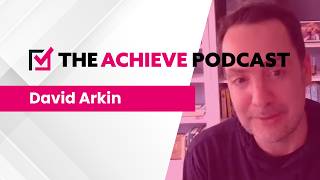
David Arkin moved from news editor to founding a consulting firm that helps regional magazines and niche publishers. His main revenue comes from sponsored content creation, and he uses custom AI tools to automate tasks like converting PDFs to WordPress posts. He runs a fractional consulting program offering executive guidance for 20-25 hours before making recommendations.
Chapters
Welcome to another episode of the Achieve Podcast, the show where we highlight leaders, creators, and entrepreneurs, those who are shaking up their industries and having an impact. I'm Taylor Baker Baker, your host, and today excited to be joined by David Arkin, the founder of Arkin— David Arkin Consulting, and you can find him at davidarkinconsulting.com. Now, David, give us the backstory for those getting to know you, and first off, thanks for joining us. And let us know, how did you get into this space and who are you currently serving?
Sure. Well, thanks. First off, thanks for having me. My background is in news, and so I came up on the editorial side of the business, ended up being an editor at a variety of newspapers around the country, ended up doing some corporate roles, and eventually ended up kind of getting into TV. I was head of digital at an NBC affiliate in Houston, and I ended up— I was there at the beginning of COVID and it was about 6 or 9 months into COVID, and all these before moving to Texas. I live in Houston, and a friend of mine was moving back from California to Dallas, and we just had this idea of creating a website where you could go to find like the community one might move to, find a realtor, how do you set your, your life up, how do you get your kids signed up for after-school sports, all the kind of things you need when you move. And, uh, we launched it, it was really successful, it was all based on sponsored content, and we talked to a lot of realtors. It's very, it's very social product, they really wanted to be on video, and we had some unique ways of doing that. It was about a year into it and we were actually trying to get funding to go to another location in Texas. I ran into a guy who owned a bunch of weekly newspapers in the same area and he said, "I want you guys to go away. You're kind of a pain to me." He bought us, bought the company. My wife was like, "Great. What do you do now?" I thought I had an opportunity to go into consulting. I thought I had a big enough network. I started reaching out to people. I said, "Hey, I'm thinking about doing this. What do you think and any advice?" He said, "You'd be good at this, but here's the thing. We don't need more fancy PowerPoints and audits and things that are like, 'Here you go, good luck.' We need good ideas, but we need help doing stuff." I was like, "Okay, that really resonates with me." It's a little bit different than how a lot of consultants actually operate. We did that and we built all of our programs around that. We do sponsored content for media companies where we build a strategy and then we actually create the content for the advertiser. We have an AI program where we kind of go through workflow and enhancements and figure out where there's holes and efficiencies and then build AI tools to help kind of close those gaps. We help people sort of figure out where they're at with SEO, address their issues, and then help teach them how to write for Google and AI overuse today. And so that touch of like strategy and like doing has been really important. I've been able to kind of surround myself with people who kind of get that idea and want to do that kind of work. So we work with about 3 dozen publishers around the country today. Majority are magazines. So a lot in like the city regional space, every city, like, you know, metro or mini metro has like a city magazine. And so we work with a lot of them, we work with a lot of business publications, parenting publications, and just very niche, niche, nichey businesses. Work with like a business that actually owns a, um, um, they focus on nut growing. We own— we work with Bride magazines, like very, very sort of like kind of specific niches. And those are really good fits for kind of the work that we do.
Gotcha. Wow, fascinating. So what would you say— well, first off, how big is the team in the organization?
How, how, how, how, how big is the team? It's pretty small, um, including me it's 5 full-time people. Uh, we have a host of contractors that work, you know, work with us. Then we have a pretty established internship program. We actually had about a dozen interns, um, this last spring semester. It's cool because we're all remote and they're remote, and so we get like the cream of the crop, um, across like the all the journalism schools and communication departments. So that's a really big part of what we're— big part of our structure.
Wow, that's amazing. And what would you say, looking back, what turning points have molded the way you think about running the organization?
Yeah, I think it was funny. In the beginning, I just— it's kind of anybody new doing anything, you kind of just say yes to everybody. And I eventually started figuring out— I still say yes to the majority of people who kind of come to us. But it helped me figure out, OK, I hear what you want to do, but here's what I think would be most useful for what we can actually do for you and where we can get you to be most successful. I think that was probably the turning point of Posture, just saying, "I can do whatever work you need me to do," is really developing a roadmap that we agree on together. Our biggest program is our fractional program, honestly. It's a content and audience one where somebody might have an editor, might have a head of sales, and we come in next to them and work with them on initiatives and roadmaps. Or maybe they don't have these positions at all. It's like a missing skillset. And I come in with my background, I'm able to sort of, without the cost of hiring a full executive, they get sort of like that touchpoint. And what I found with that is what's so important is that we actually get the time and that engagement to get a month and a half of just conversations and understanding before we actually do anything. So I'm doing this with a client right now. We basically spend probably 20 hours, 25 hours on phone calls, with them and now I'm getting the recommendations next week and then we're going to go into an implementation phase. It just makes the engagement so much better. I will be much more effective by giving them the things I think we should focus on. Now we have— what we didn't have prior was I would tell people, "Well, we're going to do that on the fly and we're going to create that for you as we go." Now that's not where we're at. It's cool now because it's like, "Oh, we have that program over here. Oh, we have that resource." For consultants, you're most valuable when you can point people to all these places and you know all sorts of different things about all sorts of everything all around you. And so we've now been doing this for almost 4 years where we have a really good sense of where to point people to and all the best practices.
That makes sense. And what would you say at this point is driving the most growth for you guys?
I would say sponsored content is definitely a huge engine for us. It's really where advertisers are getting value that goes beyond normal display ads or paid social. It's telling their story. The— I think the thing that's actually pretty unique about this is that we've been able to have professional storytellers that work with them to be able to help pull out— it's funny, like, most people don't know how good of a story or the thing that they have is hiding, and it's our job to pull that needle out of the haystack and find it and write it for them. So I would say that would be like significant. Um, everybody wants AI help today, you know, and I think it's more like— I think it's more just not knowing what to do and just confused by such of the noise and the amount of information and options that are kind of coming to people. So we've actually found this to be like, we take people at a— we work with them at a very basic level, but it's actually the level that I think it's kind of that whole thing of like, you got to meet people like where they're at. And where I think people are at right now is like, what do I do? And so this process that we have where we kind of go through a workflow assessment for a few weeks, we're just seeing them doing the work. They're showing us like in Zoom what they're doing And we're— and you know what these conversations lead to? It's like, well, why, why do you do it that way? Or like, um, if you did it this way, would it be more efficient? So it allows us to build like a very custom list of like efficiencies. Now we have like a little bit of a tool belt of like GPTs and AI agents that are really— we're able to sort of bring in and bring out based on what we need. But the things that I hear, I'm like, that's crazy, I never even thought like somebody would be doing that today. So let's build something for you that addresses that. And often when I say it, I'll tell them like I have never built this, but we're going to build it and see if we can figure it out. And there was one where somebody was taking a PDF of their magazine and they were literally copying and pasting out of that magazine into WordPress. And you can imagine how junky that— all the characters. It was taking them 25 minutes a story. So we built a custom GPT where they screenshot the two pages. It basically gave them all the outputs and the optimizations and it got all the links integrated and embedded. And now we've gone from a 25-minute process to a 30-second process. They're like, "This is awesome. You've saved us. It's like you added a full-time person to our team." I wouldn't call it innovate. It's just listening to something that makes no sense to you and you're like, "How can we use this tool to be able to fix it?" I know there's a lot of fear around AI, but if you know where people are at and where you need to start with them, you don't start with them like, "Let's go have AI go write your magazine tomorrow." I don't believe in that at all anyway. Um, you know, knowing where they're at and how to get them in it, I think, is the most important thing right now. So that's kind of how we're approaching that and why I think that program is so important for people today.
That makes a lot of sense. Meet them where they're at. And what would you say the biggest bottleneck or obstacle that keeps showing up?
Yeah, I would say, um, it's just— I would say it's a conf— building confidence on the sales side to be able to sort of sell the digital products that people need today and not just sort of selling a set of like cookie-cutter, out-of-the-box solutions. You know, the term of kind of consultative sales processing where you really sort of go through a process as almost like a consultant would to sort of understand what their needs are and making sure that they're getting, you know, kind of the right things in place and that you actually have the right products in place. So like where we— like a process we found very helpful is to actually look at somebody's media kit And that media kit sort of conversation helps us understand the things that they might be putting in front of a customer. And those might not be the right thing. So realigning like your product lineup and your media kit and then making sure that your sales team sort of like builds the confidence to go be able to sell that, like that is still like a real like challenge. It's just interesting. It's like the things that make the light bulb go off are the things when somebody starts believing in something and they understand something. So for example, When we typically start doing sponsored content, so the way that sponsored content works for us is the media company sells to an advertiser a 3-month package. They hire us as a content strategist to come in, figure out the stories to tell. We write them, build the reels, all that kind of stuff with the client. It usually takes 9 months to a year to actually get it going. And not because we're slow, but it takes the sales rep that amount of time to build the confidence in the things that are in it, the positioning, and the most important thing, once they believe the content is high quality, it just changes the game every single time. Once that does, it just lights it on fire. We've gone from client— We had a client probably about a year and a half ago when we started working with them. This is top 5 market in the country, City Magazine. Started working with them, they were doing 2 a month. It was just flailing and nobody was focused on it. We did 18 for them last month. I mean, it's like real money. I mean, they're not getting $100 for these things. It's like real cash. But it just turned up because all those things happened. People got more comfortable, and we made it easier for them to deliver the product. And we were able to deliver a product that they believed in. And I think that's the thing to kind of get over with people. Wow.
Yeah. Man, so when you look back at your journey, what turning points have had the greatest impact on how you run the organization?
Yeah, I would say learning how to be like balance talking at a high level with actually doing is probably it because when I gave that explanation about what people said they needed from consultants, I was head of news at Gatehouse Media, which became Gannett. At the time, it was the second largest news organization in the country. There were 600 newspapers that were part of it. It was a massive job I had. We had like 250-person corporate staff. And so like, I was involved in very, very high-level like conversations. But like, to get things to actually work with all of those papers or all those websites, I had to help understand like, hey, take that thing that that CEO said at 30,000 feet and get it to come all the way down to earth, um, on like how you actually do this and what this means and the why. Like, the thing about editorial and content and news Everybody wants to know the reason. They aren't like— somebody once told me, just because it's a policy doesn't matter. Like, just that, that matters nothing. It's great you wrote a policy, but is anybody going to follow the policy? And the way you get to do that is sort of like that kind of hands-on approach. And so I think like learning it like that big of a job— like, I don't have 250 people working for me today, and I'm not working with 600 people, but that lesson and what I had to learn how to do— because it's interesting, in these corporate jobs Someone said this to me once. They said, "You're in charge of everything and in charge of nothing." It's very true. It's like you have all the responsibility in the world and all the accountability, but all these people don't report to you that are part of the organization. You have to manage through influence. While people pay us, obviously, for our service, at the end of the day, it's their boss that's wanting this to happen, and we have to work with the team to build relationship, confidence, and have like things that are very clear so they know how to sort of, you know, achieve it. At the end of the day, people want things done, you know, like that's what this really kind of comes down to. And you got to move from here to like here and make it go that way. And so I think that, that, that was— that lesson has really kind of stuck with me. I think it's really helping us today.
I can see that. Now, as you— this next question is kind of a two-part question. As you think about your messaging, your marketing systems, to get new clients. One, what's been working well to attract and keep clients?
Newsletter, newsletter, newsletter, hands down. So I started, I don't know, a few months into doing consulting, and I wasn't totally sure, like, is anybody going to care what I have to say? And can I really do this every week? So I'm in 3 years into it. I do it every week. I've written whatever that is, I don't know, 300, 400 of these newsletters now. And, um, I don't take— I don't try to sell in the newsletter. Like, I actually like I approach it like everybody in that newsletter is my customer and I am paid to provide them insights and best practices and ideas. And I'm giving a lot away. I definitely know I am, but it's been helpful because here's the thing, you can read advice, but reading advice and then knowing how to actually get into play and actually doing it are two very different things. But I think the approach that I obviously give people an opportunity in my newsletter to engage with me and contact me, but I really treat it as like, hey, if you're thinking about why you should build carousels in your social media strategy, here's why and here's how to do them. And here are 5 examples on how to sort of, you know, kind of like make that happen. The example I just gave you about the screenshot PDF, that was my newsletter last week. I explained how it kind of came to us. I explained how we built it. I had a video on LinkedIn that I showed how we do it. I actually demonstrated the GPT. So it's very real for people. I got 4 emails last week off of that newsletter from people people say, hey, can we have a conversation with you? So like, for me, that's— I mean, I'll take that any day, you know. And so we get leads from— I would say newsletter, and then it's all relation— it's all relationships, you know. Somebody knows somebody who knows somebody that, you know, suggested they, you know, that they talk to us. And I, I know that's real because every, every industry is sort of like, like that. And so it really comes, you know, we're not perfect with every, every client we've ever had, but I'd like to probably say 9 out of 10, if you asked us, was it a good experience, they would, they would say yes. And that's how you, that's how you retain business, and that's how you get new business.
Gotcha. That makes a lot of sense, and I love that. I love that adding value up front lets them know, it's like, I'm not just going to talk about something, I'm showing you I have value here. Greater value is because you can give the instructions on how to fly the plane, but doesn't mean you know how to fly it.
That's right, that's right. Yeah, yeah. Well said.
I love that. So second part of the question is, when it comes to sales and marketing, where do you feel like there's still opportunity or money on the table?
Yeah, so the magazine space is huge, honestly. And so I think we have not even come close to tapping that. And there's a lot happening in the news space. There are a lot of news deserts that are out there where newspapers have closed and there have been digital-only and nonprofit models that have tried to go in to sort of help kind of revive some of that. I think we can be very— we definitely started doing more work with more nonprofit news organizations, and I think we can be very helpful from that perspective. I mean, the reality though is like we are providing Mark— in a way, very clear marketing services. Like we build reels, we help people figure out how to write newsletters, we tell people how to use AI and SEO services. I mean, we've done some work for some small businesses, and I think we're probably really set up to do more of that work in the the future. I mean, all the, all the things that we know how to do well are things that small businesses often struggle with or can't make time for or don't know where to start. I mean, there's not a lot of difference between like a reporter sitting in a newsroom that is worried about what AI means, not knowing where to start with it, versus somebody who owns a tire shop and figuring out like, what should I be doing, you know, with this for my marketing channels? And how do I— am I, am I in the, in the right one? Somebody asked me today, they said you know, if somebody wanted to get into video right now, where's the place you would tell them to start? I said TikTok, TikTok, TikTok. Um, and but like, that's what a small business needs to hear today. And, and but how do you do that? And how do you do that like efficiently and economically? And so I think we're really sort of like, we haven't gone down that path. It's just been kind of inbound that's kind of come to us. But I think we're really well set up to support those sort of things in the future.
That makes sense. Now with all the talk around the AI and automation, where have you guys found ways internally to use it, and where you still exploring it?
Yeah, so we have found ways to, um, you know, use it for, you know, editing and a lot of the things we're working with. Um, there's a cool one that we just built where you can like type the adver— it's like a, it's like a keyword generator where like you can type the advertiser's name in and the category, and it spits out for us all sorts of useful information like, hey, here are the 20 keywords in their business, here's what people are searching for in that industry, Here are the AI prompts that people are sort of using. So we're really sort of exploring with all of those sort of things. There's some things on the social media graphic side and video development side that we've sort of have kind of got into. So it's really important for us to do as we say. And so we're at the same time as media company, we're building them for media companies. We kind of have like a little lab kind of going on for ourselves too at the same time, which is cool.
That makes sense. Now, David, if you had to pick one constraint to focus on and solve over the next 90 days that would have the greatest impact on the trajectory of the business, what would it be?
Yeah, I think for us, it would probably be how we make our services run more on demand. And so it's interesting. Like, after doing this for several years, we have every material possible with SEO today to tell people. We know the tools to use in AI. We have the templates in Canva. We have all this stuff sort of created. And so our next step in this is to like how to build webinars you can sign up for, how to get access to templates and our courses on these sort of things. I think we're like primed to be able to sort of like do that. It doesn't mean that we wouldn't do all the consulting we're doing. We know that people want that, but we also know people want to get information and learn in different ways. And that's not always like a 3-month engagement, you know? And so I, I think getting into that and utilizing podcasting, which we have not launched yet, which we do plan to launch this year, tying those things together where we talk about a category or a topic and like, hey, do you want to sort of like go listen to our webinar on this or go download or take our course on this? Here's how you can go do it. I think connecting those things for us at least, I think it's going to be really impactful.
That makes sense. I can see that for sure because there's so much value there. And the way you're catering to the different needs and interests people have, I love that. So when you look at your own journey, the wins, the mistakes, what lessons stand out and feel like they took longer to learn than they should have?
Yeah, I think like a lot of news people are kind of like, because it's their job to not make mistakes, because making mistakes put out, puts out inaccurate information and that's no good. Uh, I think we're, we're trained to be perfect. Or we're trained that if something is wrong, that's awful. And it is awful when we're wrong, right? But we're not solving a world crisis in what we're doing. We are doing really important work, but we need to remember that it's okay to make mistakes and it's okay to fail. And some of the best lessons that I've kind of learned from was from something that actually didn't work. We have to obviously be very careful about that in our business because we can't be recommending things that don't work, but we can have an environment where we say, like, how do I do with AI? Oh, I heard that. I have not done that. So transparency, very important in our business. And honesty is in everything you do, but definitely in our business is very important. And saying, hey, I'm going to try this and I think we should try this together and sort of see how it goes. I think that environment and recognizing that it's okay if something doesn't work as long as you're upfront, that maybe you don't have all the answers to that, but you think this is worth kind of trying and that people look to us to have all the things locked down. There are very many things we can be like that with, but I also think there can be an environment where we can say, "Hey, wouldn't it be cool if we innovated this together? Let's have the right understanding here that everything we do here may not work and that's okay." I think so. It took me a while to be okay with that just on my own that I was going to be in charge of something we were pushing out to lots of people and it may not work. Or may not work as I sort of had hoped. But I think over time you get enough things that do work versus the things that don't work to balance that out. And when you learn what doesn't work, you can sort of say, okay, I don't have to walk away from that, but if I go back to that and make this adjustment, I bet it will work. And so I think you just— I've learned you just got to stick with it and eventually you'll sort of get there.
I love that. That's so good because you get the analysis paralysis. And you're like, ah, it's got to be perfect. Okay, good enough is good enough.
Deploy.
So last question, when you think about the next stages of the business, what are you most excited about?
Yeah, I would say I am most excited about our ability to serve more of the needs that are within our industry around revenue diversification. And helping people discover things that they didn't know that they could do. And I think like that, like the revenue diversification is just— I mean, I was working with a client this week who is very concerned about what's happening in their print business, knows they need to switch, you know, they, they need to transition their business to digital, can't lose what's in print, but we really need to beef up in digital. And we laid out like a year plan with them on how to sort of be able to do that. And the products and services they need to add. Like, that's a great transitional plan that we want to be part of and that we want to lead. We're not trying to stop something from working, but when the publisher's like, this— I see where this is going to go, I need help, you kind of take me over here— we need to create that diversification for them. Like, I think that's like a real thing for us and something that we're really gonna, you know, be able to be helpful. We care deeply about like the media industry and the news industry and what it means for democracy and what it means for information flow and those sorts of things. And so everything, whether it's a regional magazine, a local TV station or newspaper, we want to do everything we can to make them as healthy as possible for as long as possible, because we believe in the truth. We believe in all the things that we know are so important today. And getting, you know, unfiltered information is absolutely critical. And so we're trying to do everything we can to, you know, help people, help, help, help, help our partners and media companies, you know, thrive for a very long time. I love that.
And the democracy of that is, is, is very much needed. So appreciate that. So for those who wanna learn more, wanna reach out again, David, uh, consulting, uh, LinkedIn, uh, podcast, where else can they find you?
Yeah, you can get me on my email, david@davidarkinconsulting.com. Website is davidarkinconsulting.com. Pretty easy to find me on the, on, on, on the internet, say. So I love to connect with people.
So yeah, again, reach out if you guys have questions on how you want to grow your, your marketing, your media part, not just media, but reach out cuz the tools you dropped today, like the media kit, the newsletter, like so many nuggets. So many. Thank you so much.
Thank you for having me.
And thank you to our sponsors of today's episode, Achieve Fractional, which provides fractional executive leadership for growing businesses. Again, if you enjoyed the episode, share it with a friend, with a colleague. If you're on the fence on if you should do something, like, do, go, like, stop the analysis paralysis. Reach out to David and the team, and we'll see you in the next episode of the Achieve Podcast.









