FP&A Career Advice and the Current State of FP&A with Glenn and Paul
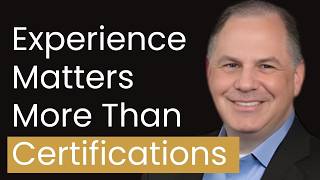
In this episode of FP&A Unlocked, host Paul Barnhurst and guest Glenn discuss the evolving landscape of financial planning and analysis (FP&A). They begin by noting the shift from traditional reporting to a strategic partnership role, emphasizing the need to understand business drivers beyond the numbers. The conversation covers the lack of formal FP&A education in universities, the rise of professional certifications (AFP, FPAC, CFM, Wharton, etc.), and the importance of early exposure to the field. Career development is explored in depth: the outdated "career ladder" model, the need for flexibility, mapping long‑term goals, and progressing from execution‑focused analyst work to leadership‑heavy roles. They stress networking, personal branding, and volunteering as ways to become visible and attractive in a tight job market, and advise on building a professional story on resumes and LinkedIn. Empathy and storytelling are highlighted as essential soft skills for business partnership, with anecdotes illustrating how empathy differentiates senior leaders. The hosts also discuss scenario planning versus simple sensitivity analysis, the value of operational drivers, and the importance of clear assumptions and external economic factors. They touch on the growing impact of AI and FP&A software, promoting an upcoming AI software showcase. Finally, they share insights on people management, situational leadership, core values such as integrity and ethics, and the need for adaptable yet authentic leadership styles. The episode concludes with a call to take ownership of one's FP&A career, build empathy, and stay engaged with the community.
Chapters
The key thing I like to say with the scenario planning— best case, worst case, and base case— that's not a scenario, that's a range of outcomes. A scenario has reasons for why it's different.
If you're an FP&A and you're just thinking about the financials, you're missing the boat because financials are a result of what's happening in the business. The business has underlying metrics and drivers, and that's what the business leaders are focused on.
The first thing I remember is today's career, it's not a career ladder. The ladder where you just climb it, you're at one company 30 years, that's dead. That's the reality.
When you start off and you're an analyst, 100% of your job is really about execution. And now it's about 75% execution, 25% leadership. A lot of times people used to do what I called elevator analysis. This went up, that went down. Okay, fine. But the next natural question is why? What happened? And you got to tell that.
Welcome to another episode of FP&A Unlocked. We'll call this a State of the Union. So that's why Glen's here with me. We're going to give our state of FP&A. And so we're really excited to have you join us and we're going to bypass all the formalities and the normal script I read and jump right into things today. So we'll start with Glen. How you doing?
Doing good. How are you doing, Paul?
Doing well. Keeping busy. Excited to do this episode. How's Riveron treating you?
Oh, Riveron's great. I'm on a real exciting project right now. Lots of stuff to do, but I'm very excited about this because I get asked by so many people about all these different aspects of FP&A and what's going on. And I love the idea that we're gonna cover just a bunch of different topics here and just kind of say, here's where we're at, how FP&A is evolving.
You know, one topic we're gonna skip, just so everybody's aware, is AI. Glenn and I figured there's enough talk about AI. We want to talk about the other important topics, right, Glenn?
Absolutely. And if you want to learn about AI, the last episode that I was on, great episode talking about the impact of AI.
And I have some episodes coming in the future, so look for more.
All right, so why don't we dive in? So the first one, the first topic, it's around FP&A education. Now there's a couple ways to, to look at this. I think there is certification programs that are out there, But I could tell you, because I also do some work with, with UCLA and so with, with students about understanding FP&A, and there isn't really, you know, as part of an undergraduate education, there isn't really FP&A classes out there. It's kind of interesting. And you know, everyone talks about accounting and every, you know, you could go and take lots of accounting classes, but you don't really see an FP&A despite the fact that just about every company has an FP&A group.
I've seen some conversations on LinkedIn. I've seen Carl Seidman weigh in on this. And I think one of the reasons you don't see a lot of education in university is one, FP&A is a fairly new field in developing. If you not budgeting, forecasting originally was kind of a controller. You look in Europe, you know, you have your kind of your FP&A controller. A lot of times it came out of that. And first it was more of a lot of times just planning and reporting function. I used to refer to it as FP&R. In the last 15, 20 years, I think it's something almost every company has developed. But then think over your career, at least I know for mine, how different was FP&A from company to company?
That's true. However, I would say 70% of what you do in FP&A has certain principles and approaches that apply across every company. I mean, I've worked, forget about my consulting career, prior to consulting, I worked in 7 different industries and there wasn't much of a difference if I went from financial services to consumer goods, to data centers, to vacation rentals, it, it's the same approach on how you build out partnerships with people, how you analyze data. And that is something I think that really could be taught.
I would agree with you. I definitely think there's some skills to teach, but I think that's a little bit of why it's taken longer. Also, I don't know that there's as many academic people with FP&A backgrounds, right? You look at many of the other courses, there's plenty of academics, investment banking, accounting, many of the other finance courses. So I'm just trying to play a little bit of devil's advocate and think why we don't have 'em. I'm not saying they're good reasons. But maybe, you know, what are some of the reasons?
I agree with you, but I think that's a gap that needs to be filled because I think about my own career. I came out of college, I went to UCLA as an undergrad. I was active in a, in the largest business club on campus. In fact, I was vice president my senior year. I had a good sense of a lot of the different fields that were out there. I went to, I went into banking, commercial lending in particular, right outta college. It wasn't until 3 years later I, I had my first FP&A job. And when I applied for the role, I'd never even heard of FP&A before. I was 3 years out of college and it was like, what is this? And it was just, and all of a sudden I was like, oh my God, this is fantastic because it's all the analysis that I love. It's, you know, it was the building the partnerships, but it wasn't having to deal with external companies and lack of data and selling and all that kind of stuff. And I was like, wow, I wish I would've known about this though as an undergrad. And because I think there's a really great career path in FP&A that, you know, people coming out of college today, they just don't know about it.
I would agree with you. I, uh, I didn't know about FP&A even coming out of my MBA. You know, my undergrad, I wasn't in finance and I really just got in FP&A because there was the opportunity to get promoted and I wanted a finance role and I had a little bit of forecasting experience. I thought it would be a good opportunity and they were going to pay me more. That's how I ended up in FP&A. I'll be completely honest.
Yeah. I mean, FP&A does pay better typically than accounting and other finance roles, but I just think that that's one of those things that I would love to see a greater or faster evolution on the academia side because there is a skillset that you can teach.
Well, agree. I mean, and we've seen it in the secondary market, so to speak, versus the university market, right? Just, professional education market. You got AFP has the FPAC, you know, you have, um, the Chartered Financial Manager or Certified Financial Manager, kind of like CPA, you know, CFM or whatever they call it there. And that definitely has some FP&A elements to it. And then you have some of these other programs that are much more certificates than kind of the credentials, Wharton or whoever. So we're seeing more and more, and almost all those programs are relatively new. They're all in the last, I think the oldest is AFP's program, which what, a decade old, or CMA, Certified Management Accountant. That's what I was trying to think of. I said the wrong name earlier. You know, they may be the oldest, but they're also, I would say, the least direct FP&A. They're a more broad certificate.
Right. And the funny thing is, is that someone who has, you know, led and built out FP&A teams. Although I think the programs are really good to help people learn about FP&A, potentially transition into a role, you know, when you're hiring though, it still comes down to your experience. What have you seen? What have you done? Carries so much more weight. It's not like being a CPA in accounting, right? Where it's like you can't really go into a, you know, controller role if you're not a CPA. You can go into an FP&A role if you don't have any of those certifications.
And that, that's what I tell people. I get people 10, 15 years experience. Hey, should I get this? Well, probably at your point you don't need it. If you want the learning or you want the credential, fine, but don't expect it to open a lot of doors. Where if you're 3 to 5 years in, often that certificate can help with the next promotion or it can make a difference. And so I do. There's definitely value in them and they're good career changes and things. But yeah, they're not the same as the opportunities a CFA opens or a CPA, or obviously for a lawyer having your, you know, passing the bar.
Right. That's right. But at the same time, there is a narrow field, right? I mean, if you're a CFA, you basically got to be in money management somewhere. Like, you know, you know, you know, CFA is not a broad credential to have for corporate finance. You know, CPA, same thing. It's accounting, and that's kind of where you have to be. I've always told people, if you want a different kind of degree or something, kind of the best thing is an MBA. It gives you that broader sense of how people try and manage business. And ultimately, when you are in FP&A, it's trying to make those connections for what the business manager is trying to do and figure out what is the best way to have that business manager achieve their goals while keeping the constraints, if you will, that that finance puts on there around things like, you know, managing with their budget, that type of thing. So it's just one of those things where I think this is a space that's still evolving. But for those people who are early in their careers, I think that some of these classes and programs could be outstanding. And if nothing else, it's a great networking opportunity.
No, and I think some of these certifications, obviously I've developed courses for some of them. I think they have some great programs. So I'm not saying, hey, nobody should do them, but I do think it'd be great to see a few more at the university level, and I think they're most beneficial early in a career.
So I want, I'm gonna pivot this a little bit because one of the biggest topics that I get asked about are job openings. I have, I know a lot of people who've in the last year, year and a half, companies, you know, they, they've laid off, they've, they've downsized. It's a tough job market out there. Now, one of the things that I think, you know, as we're talking about some of these educations, people say, well, What can I go out and do that will make me better, that will make me more attractive? And I, you know, I'm not sure if some of these certification programs necessarily do that. That's what you mentioned as well. But, you know, when we think about how do you go make yourself a little more attractive to companies and to, you know, help kind of find that next job, you know, my, my answer to people right now in this job market, it's all about networking. It is, you, it's about who you know and who could go over and do the right introduction for you and could be your advocate. That's really what you want to be looking for because just applying to jobs on LinkedIn, oof, I mean, I've been there. That is tough. It is like a 1%, you know, hit rate that you end up getting. And I'm not saying don't do it, but I have found organizations like, you know, FEI is a really good example, Finance Executives International. They're all over the country and, you know, to go and get to meet other like people, get to know them, have them get to know you. It's probably the best way because they will, if they, if, if you build up that good relationship and they hear something, they will pass it along to you and they will be that advocate that you're looking for. But to me, that's one of the big topics out there right now is, is if you're out of a job in FP&A, what's the strategy?
I usually give a couple-pronged approach to people. And a lot of people are wanting to get into FP&A, some are out of work. So it's different answer depending on where they're at. But first I say, are there educational gaps? You need to show you're learning, that you're curious. That's not going to get you the job, but it can keep you from getting the job if you have clear gaps. So do you need to learn better modeling? Do you need to do this? And I, and those answers vary depending on what type of company and where they're at, but something educationally, 100% behind you networking. I always tell them that's huge. But I also tell people something that can help you be visible that's not directly networking is find a way to share, kind of building a brand. And I tell people, look, you don't need to become an influencer. You don't need to post on LinkedIn every day. What I tell people is everybody has a story, something they can share that others can connect to. That can be video, it can be audio, it can be written, it can be blogs, it can be whatever, but it puts you out there and it helps build a brand and it shows credibility. If you're thoughtful in the way you approach it. So I tell people you will get benefit from it. And I always remind them the reality is you're probably going to stink at it at first. Everybody does. If you're kind of sharing a lot and having people comment, but sticking with it or putting a portfolio together, that can help open up doors, just like networking. And, you know, some people will take me up on it. Others, yeah, no, I don't want to do that. And it's not necessarily for everybody, but it opens doors is what I found. So I usually mention that. So people at least think, oh, I hadn't thought about, maybe I should do something to make myself more visible.
And along those lines, I, I like to tell people about this as well, that when you are in between roles, you got a little more time on your hands. You know, one of the best things that you could do is create that story when you go into the interview and someone says, so what have you been doing since you left your last role? And one of the things that I love is volunteering. And there's a local food bank here, and I was between roles for about 4 months, you know, back in, I think, 2011. And one of the things I did is I went to that food bank and I went online and I said, you know, hey, I signed up to volunteer. And I went over and there was a little comment section. I, I said, I, I attached my resume and I said, look, I'm happy to go over and sort through groceries or pass out food if you like, but here's my resume. If there's something else I could do, let me know. The next day I get a call from the CFO and the CFO said, are you kidding me? Yeah, we could use you. And I helped rewrite their accounting and finance manual. I helped build out some access databases on food banks and when they were open and food delivery and stuff like that and connect some dots. I really made an impact on this organization that was doing great, you know, great things in the community, but it was also a little finance related. So when I was interviewing, oh, what have you been doing? Oh, I've been volunteering with the CFO of this food bank and helping them on these different things. And everyone's like, oh my God, that's really great. Wow. And it's like, it opens people's eyes up to say, look, you know what? You're giving back to the community. Most companies, especially large companies, love to see that. And it keeps your skills a little fresh and keeps you busy. And it tells a great story. So think about some charities that you really like here in your neighborhood.
I think that's a great example. And I've often told people a great way to network and get involved and is volunteer to be a treasurer or the finance person for a an organization that needs it. It shows initiative. It's like, hey, especially people trying to make that transition. Like, hey, I'm trying to do things to help me get better and show some of those skills. I help build the budget for this organization or whatever. I mean, even if you don't get a job, people are going to admire that. It's never going to hurt you. It can only help you.
And the thing is, is that we talk in FP&A a lot about being storytellers. And you got to think about how are you going to tell your story? And what is it about you that sets everyone else apart? If I'm a hiring manager and I'm interviewing 15 people, or I'm looking at 15 resumes and everybody shows me their work experience and they were a financial analyst and they got promoted to financial manager. Okay, great. What is it that sets them apart? Oh, I see something down there on other interests. Volunteer at, you know, whatever charity organization, or here's some hobbies and, You know, everybody puts things like travel and stuff on there. What's funny is for me, although I can't say this anymore, for 25 years, I was a partial season ticket holder with the Oakland A's. And there were very few of us, by the way, I like to point that out. But I got asked probably every, like maybe once out of every 3 interviews I was on, somebody would tell me about a story where they were in the Bay Area or they were doing something and they went to an A's game and they, you know, how much they liked it or whatever. And if I could tell you, if I'm in an interview and we're talking about baseball, it's going to be a good interview for me, right? So, you know, do something like that to make yourself stand out. Don't just keep it all about business because you're just going to blend in with everything else. Show your personality a little bit. Show your interest because that's how you make that personal connection.
So two things I'll add there, and I think we can kind of move to other topics. But one, I put on a resume that I was an Eagle Scout, and I remember I got an interview. One of the jobs I got, he said, one of the main reasons I interviewed you is I saw it on your resume.
Yep.
And so don't be afraid to put personal things. Obviously, you know, keep the boundaries where they need to be. There are some things that are totally appropriate to share. If you have a question, maybe ask somebody you trust because, you know, there are times where we see some things on resumes, you're like, I probably didn't need to know that.
Yeah, you got to avoid the cringeworthy stuff.
And sometimes politics or, you know, religion type things. Tread lightly with those is all I'll say.
By the way, I'm an Eagle Scout as well. and it is one of the things that I'm very proud of, and it is on my resume. And it does, when you meet people, and by the way, I have found that if you are talking to someone who's had a military background, even though I've never been in the military, I've, they've always gone over and said, wow, you're an Eagle Scout. And they, they kind of, you know, they're impressed with that. It is just a way sometimes you make that connection. It's pretty cool. So things like that, you never know. I mean, you know, we did that in high school. Right. So we've got our ego.
I agree with you. The second I was going to add before we move to the next topic is another thing, and I'd often ask this in interviews, is tell me something you're learning. Could be personal or professional because they want to see that you're always learning. And so that's important. That time doesn't just have to be volunteer, but if you can clearly show you're always developing, especially when you're out of work. Versus, oh, I beat Madden 2026. Yeah, probably not what to share, right? That's cool. But they're going to be like, all right, so he plays video games all day, or she, probably not the person we want. So make sure you can think of those development things, even if they're in your personal life, because that could be a great connection. Oh, I decided to take up pickleball and I'm learning and now I'm starting to coach others, or I'm training for a marathon, whatever it might be. That just showing that initiative and that opportunity to connect, it doesn't always have to be personal, but make sure you're developing.
All right. So the next thing that I think we hear a lot about is how FP&A is shifting and it's shifting more to be that strategic partner. Very large companies, they're gonna have corporate strategy groups, but a lot of companies out there don't, and FP&A kind of defaults into that role as that strategic partner as well. And one of the things is that as I think over the last, you know, 10, 15 years, you know, 15 years ago you'd say, what, how do you get to be the CFO of a company? Everyone's gonna say, you gotta be a corporate controller, you gotta be a CPA, you gotta know the financials and accounting. Today it's more about being that strategic partner, understanding the business, understanding the drivers of the business, and connecting with people so that, you you could be that leader who could have the conversation with the sales team, with the marketing team, with the operations team, and get them motivated and help manage the company overall, almost like a junior CEO.
100% agree. I mean, I've seen some codes where a lot of people use when they're, you know, in a director role supporting a specific business for FP&A, sometimes you see the term divisional CFO, even though they may not be doing everything because they're trying to show, look, I was basically the, the mini CFO for this business?
I think a lot about, you know, some of the things, I mean, and we've covered this in other podcasts, but it's just so critical that if you are focused, if you're an FP&A and you're just thinking about the financials, you're missing the boat because financials are a result of what's happening in the business. The business has underlying metrics and drivers, and that's what the business leaders are focused on. Tell a more complete story, bring that data into your financial reports, connect the dots, tell a bigger picture story, because it's not just going to now resonate with people in finance, but it's going to resonate throughout your entire organization. And that's really what people are looking for. If you're a CFO, and let's just say you're a CFO of a private equity-owned company, and you're going to go in, you know, on a quarterly basis, you're in front of the board talking about what's going on. If you're nose down and just reading financial data off of a spreadsheet, They're gonna be like, what's happening in the business? What, you know, why is this going on? The, the why is more important sometimes than the what. And that's one of those skills that's really shifted a lot over the last couple of, you know, decades that it used to be, you gotta get your numbers, you're doing your budget variances. And a lot of times people used to do what I called elevator analysis. This went up, that went down. Okay, fine. But the next natural question is why? What happened? And you got to tell that story now. Otherwise you're going to fail in your role.
FP&A guy here. Agentic AI is one of the biggest shifts in finance ever. And most FP&A leaders are still struggling to figure it out. On May 21st, I'm hosting the FP&A and AI Software Showcase with two of the leading AI agents in the marketplace, Concourse and Sapien. Plus leading planning tools, Drivetrain and Oona AI. One sitting, real demos. Register at thefpnaguy.com/fpa-software-showcase. That's fpnaguy.com/fpa-software-showcase. See you on the 21st. Paul Barnhurst: 100%. Business acumen, the ability to connect operational metrics, the whole idea of understanding the business. That's really what FP&A is about. We're just coming at it as a steward of the financials and through the CFO. I've seen some companies that have even taken FP&A and put them under the CEO. I knew of a company that did that. I've seen some where they've integrated FP&A throughout the business to have more of that planning in smaller companies, particularly like you said, your strategic finance. You're also often kind of a consultant in many ways, and you probably see that in your day job. Now doing FP&A consulting, you can see the similarity. And so I think you have tremendous opportunity in companies that are forward-thinking, understand what FP&A can be. And if you have that versus some that still think of FP&A as back office and, hey, you just deal my budget and you're the no police and stay out of what I'm doing. I've been in those companies too, and that— I don't want to be in that environment. It's not fun.
100% agree. In fact, here's something else that I'd recommend to our, our listeners out there. Don't be afraid to take a job in the business. When I think about my career, you know, my first real FP&A role was at Franklin Templeton, and I was in corporate FP&A for 2 years. And then I moved into the business. And then when I went to Visa, I went back into FP&A, and then I moved into the business. And then when I went to Charles Schwab, I was in corporate FP&A, and then I moved into the business. And what it allowed me to do was to see from both, you know, looking at the business from kind of both sides of the fence and understanding having that financial discipline and you gotta tie out the data, it's gotta have integrity, those types of things. You gotta deliver things on time. But now you're doing it in a more strategic business way to solve other problems that have impacts on customers, on revenues, on product development, on whatever it happens to be. And when you take those roles, you could always go back into FP&A, but it's the combination of the two that I think makes it really valuable. I always like to tell people, if you're doing FP&A right, you have one foot in finance and kind of one foot in strategy. And it's that strategy side that you really learn, I think, being out in the business.
I would agree with that. I mean, if you're doing FP&A right, you're helping the business make faster decisions. And in order to do that, you have to understand the business. It's not about the financial numbers. It's about what drove them. And that's operational in nature. Bottom line, if you want to be a better FP&A professional, Get to know your business better. Not the only thing, but it is one thing you have to do.
Absolutely. And I would just, to kind of maybe close this topic out, I would say, you know, use empathy as you're, if you're that finance business partner, I always like to tell people, if you have a 30-minute meeting with a business leader and you gotta get a lot of information from, 15 minutes of that meeting can absolutely be, hey, here's what I need from you, business leader, I need you to fill out this template, or I need you to answer these questions. But leave 15 minutes for them and say, what else can I be doing for you? What's really critical that I might be able to help you with? And learn from them and offer yourself to, you know, to be that support person to show them it's not a one-way street, but it's a true partnership and being a two-way street. As much as they should be providing information to you, you should be providing information to them.
So interesting enough, I've had probably 4 people, 3 to 5, but we'll say 4, that have said on the show, when I ask what is the number 1 soft skill, they've said empathy. Do you know what every person who has said that has in common?
What's that?
As far as I can think of, Jack McCullough, been a CFO. I think it was Bonnie Tomee, if I remember right, CFO. Aaron Goss has been a Divisional GM, kind of a CEO of a company. And all of them have been in the C-suite to mention empathy. I think that's really interesting. It's almost always people that have been up there higher because they appreciate that really being able to put themselves in somebody else's shoe because they got to think strategically. So it's very important the person that's doing the tackling and blocking that they have an appreciation for it. And so I've always been a huge fan of that because I think empathy is one of the most important things you can have in FP&A. I think it's a very Underrated. And so I find it interesting. I'd have to look at the list, but I think almost everyone, at least 70, 80% who have said it have been, you know, in that CFO or CEO type chair.
And by the way, it would have been my answer too. I think you probably asked me that several years ago.
It might have been. And you've been up there high as well, VP. So it's, it's senior leaders that say it. I was trying to remember. I'm like, I know one or two other people say it. I was wondering if you were one of them.
Oh, I know. Absolutely. In fact, I will tell you to the personal story. I started off my career, it was all about finding the right answer. And empathy was something I had no interest in. It was just like, look, I'm here to solve the problem. I was, I mean, it was just the technical side of things. Just really, I, I loved it. And what ultimately happened was I was working for, at the time, CFO of Franklin Templeton, and I presented something to him and he said, if you can't figure out how to get other people to move with you, your career's not gonna go anywhere. And it was one of those things that was like one of those epiphany moments because I was horrible at empathy. But I went over and I shifted and I, you know, over the next couple of years, I became someone that people look to and, you know, ask, hey, how do I become a better business partner? I see how you're doing it over here. And now I'm at a point where I even, you know, some of the stuff that I teach at UCLA and other, you know, uh, when I'm speaking at some conferences, I'm talking about empathy all the time. You know, it's one of those things. So even if you're early in your career, you think, oh God, I got killed by everyone talks about empathy. It's just, it's not me. It's not who I am. You can learn it. You could practice it and you could get better at it. It's not something that you're born with. You can learn.
And, and I think it's really important for people to separate empathy is not sympathy.
100%.
It's empathy is striving to understand where someone's coming from. You don't have to agree. In fact, there are many cases where it's, you have to agree not to agree. You have to say, look, I have empathy, but we still have to do these restructuring. I appreciate the difficult situation and let's try to minimize the pain. I empathize with what you're going for, but here's what we still have to accomplish.
Yeah, that's right. I always look at it as, you know, empathy is trying to see through someone else's eyes. Put yourself truly in their spot. Get rid of all your noise and your approach and say, if I was really that person, how would I be approaching it? Sympathy is like when someone's dog dies and you say, oh, I feel really bad for you. And you, you push your feelings on someone else. It's empathy that is the real partnership. That's how you understand somebody because you look at it from their perspective. Not your own.
So if I was to say, it's really sad the Oakland A's moved, I feel for you, that would be sympathy. There was no empathy there.
No empathy whatsoever. And especially if you— I mean, you could tack on the end of it, but you know what, they seem to have a pretty good hitting team this year like that.
And they're only going to be a few hours away. You can still go to games, Glenn.
Ah, it's— you know what, it's the way of— I feel so betrayed. Okay, back to FP&A. So along these lines, the next thing that we talked about was development in the role. How do you go about becoming, you know, going from that analyst to the manager, manager to senior manager, senior manager, director, director to VP? You know, we talked about some of the things, right, where it's you got to be that more strategic partner. You sometimes taking a role in the business could go over really help. It's bringing in other business data, but there's more to it than that. And sometimes it's people get very frustrated because they're like, I want this opportunity, but there's no place for me. You know, my company doesn't have a role for that and I can't get promoted. And then you got to be thinking, am I going to leave my company? And, you know, how is that going to go? So Paul, I'm going to, before I chime in, I want to hear your thoughts. How do you think about, you know, strategies for people to build and grow their FP&A career?
Career? Yeah, so I think first is have a good idea where you want to go, and, and then be flexible. We interviewed Shannon Nash, who her idea was to be the partner route. She had a CPA and a law degree, and then she married a nuclear engineer in the Navy. I think it was a nuclear engineer, submarine, and, uh, everything changed, and she ended up being a CFO of a bunch of different companies. Like, embrace those opportunities. So the first thing I remember is today's career, it's not a career ladder. The career ladder where you just climb it, you're at one company 30 years, that's dead. That's the reality. Doesn't mean it can't happen to you, but it's just not the path people go now. So that, that's the first thing I say is you're mapping out that strategy. Second, be willing to try new things. Know what you're interested in, but then as far as the career goes, Remember the first role when you're an analyst, it's about delivering results as an individual. They want to see that you're good. You're a hard worker, that you have that analytical rigor that you can, you know, communicate with people. And so all they're looking for at that point is that you can deliver on the things they're asking potential, right? When you have that first hire. So if you're able to do that, you start to set yourself apart. But then as you get promoted, then you really need to start thinking about How do I be more big picture? How do I be more strategic? What does it mean to be a leader? You could think about those in the first role, but you can get to a second role without having thought about them. I would argue you probably should be thinking about them some, but as you move more and more up, it becomes more and more, how can I help others? And management almost becomes as much psychology as it is, how good are you technically?
I think you're, you're 100% right. It starts with the technical skills and evolves to leadership.
Yeah.
What I would say to people is, and I think about my favorite quote, and it was the CEO of Charles Schwab, Walt Bettinger, said this, and it just completely resonated with me. He said, leadership isn't about being able to tell other people what to do and how many people you manage. It's about getting people to follow you when they don't have to. That means you could be an analyst and you could pull together other members of your team, people in HR, people in accounting, people in IT, people in the business, and you have an idea and you could get them to follow you to go over and do something that would be in the, you know, really help the company move forward. You could be that leader without having people reporting into you. So even if you don't manage anybody today, it doesn't mean you can't be a leader. And the more you start showing that leadership skill, the the faster you're going to start moving up that ladder.
Influencing without authority. I still remember early in my career when I worked for the Navy, I worked on a project where I wasn't the lead, but I kind of took control of it because the person who, who was the lead really wasn't. I still remember my boss commenting, she's like, you really helped lead here without having leadership. You showed influence. And that really helped with my career. I could tell if I'd stayed there, I had some really good opportunities that just didn't make sense to me. And I'm glad I made the switch more to finance, but it was a huge opener that I showed that initiative in the leadership. And I did that with a couple different projects. One where we had to close a contract. We had to close this big, huge contract and the contracting officer had a family emergency and there were two people with 20 years of experience, but the head of the office was coming to me because I had been so involved and was looking to me and we were able to get everything closed. And so I was, here I was the new guy that was basically in a 3-year internship program being trusted by the head of the department to help get this contract closed and make sure everybody got to work on time. And it was because I showed initiative and influence and understanding beyond just the role. And so doing that can make a huge difference and, and open up opportunities you wouldn't expect. It's not about direct authority. That's management. That's not leadership.
That 100%. And a lot of times people, especially early in their career, they, They don't understand the difference. And so, you know, I think it's, you know, try and be that leader. I also kind of look at it as when you start off and you're an analyst, 100% of your job is really about execution. Then you become that, you know, senior analyst or manager, and now it's about 75% execution, 25% leadership. You get up to that director level and it's like 50/50. And when you get to the VP level, it's about 80% leadership 20% execution. And it's, that's the evolution of it. And so you kind of have to recognize how leadership comes into play in order for your career to develop. Another thing that I've always enjoyed having, when, whenever I've had employees, you know, I always went through the same exercise with them. And I thought, you know, imagine a graph, right? Just take a straight graph. You got an X-axis and a Y-axis. Now the X-axis is gonna be time and the Y-axis is what what I like to call stuff, very specific. Up in the upper right-hand corner, you make a dot and you say, that's where I want to be in 20 years. In the lower left-hand corner where the x-axis and y-axis intersect, that's where you are today. And so then think about what does 20 years look like? What is it going to mean? What level do you want to be at? Where do you want to live? What kind of life do you want to have? You know, do you want to be coaching your, you know, your daughter's, you know, soccer team? Or do you want to be, out mountain biking, you know, every weekend, whatever it happens to be. Think about what you want your life to be. And then go over and say, and by the way, professional stuff too, about what it would take for you to get there. And then you say, well, if that's where I want to be in 20 years, where do I need to be in 15 in order to achieve 20? Where do I need to be in 10 to get to 15, 5 to get to 10, 2 to get to 5? And what do I need to be doing today to get to 2? And when you start figuring that out, because you have that, that diagonal line that will go, you know, from the lower left to the upper right, you start realizing as you get opportunities, you could ask yourself, is it moving me closer to that ultimate goal where I want to be? And if the answer is yes, meaning that it either moves diagonal to up to the right, maybe it moves vertically up or to the right and horizontally. Fine, you're getting closer, but you wanna make sure you're never going to the left or going down because if it's taking you away from what you ultimately want to get to, even though it could be an interesting role, it might not be where the right career path for you. And so I always like to go through that and everyone thinks it's, it seems pretty simple, but trying to figure out what you really ultimately want in 20 years, that's a tough exercise. But I think once you go through it, it really gives you that direction to say, Look, I got kind of a funnel of how my career is going to go, and I'm comfortable being anywhere in that funnel, but I want to make sure my next role is not going to take me out of it.
I think that's a really good way to look at it, and it is hard. Any time you have to look and really think about where you want to be, it's a difficult exercise. I often hear finance leaders say, I know I need FP&A software, but I don't even know where to start. That's why I created the FP&A Software our showcase so you could see top tools in action. This year we're featuring Drivetrain and Oona AI on the planning side, and the— for the first time ever, we're adding two leading AI analyst agents on the market, Concourse and Sapien. These tools are already being deployed at public companies. You will get to see actual demos without pressure of a formal sales pitch. Ask your questions and compare tools, all from the comfort of your chair. Join me on May 21st for the showcase. Register for free at thefpandaguy.com/fpa-software-showcase. That's the FP&A fpa-software-showcase. See you there.
Yep. Okay, so look at that, Paul. We've gone through those pretty quickly. What else are you thinking about of, you know, just what's out there in FPA today that we haven't covered?
You know, I think one area that's really important for people to understand is operational drivers. And, you know, I think in planning, not everything's going to be operational driver-based. I think many things, it makes sense. And that ties back to the operations that we talked about. If your model is based on just history or, you know, very simple, ask yourself, how does it help influence the business? So I think an area that's critical is that whole operational drivers. And the other thing that goes with that is people need to realize, and I think we're seeing more and more of that, is go beyond point estimates. Being able to give ranges and think through scenarios. And the key thing I like to say with the scenario planning, the historic that we've always seen, and I've built them best case, worst case, and base case. That's not a scenario. That's a range of outcomes. A scenario has reasons for why it's different. Okay? We want to, you know, this opportunity versus that opportunity, or this economic environment versus that, and how we're going to behave and how you're going to manage it. And being able to have a plan to say, oh, it looks like that recession, that government regulations come. So now we need to look at this scenario and do X. Scenario planning is really helping you look out and figure it out versus sensitivity and outcome range of numbers, which are important. But I think we often confuse them. And so I think that scenario is becoming more and more important. And I think it's an area we really need to elevate in FP&A to truly get to that scenario management versus sensitivity in the best case, base case, and worst case that we all see in school or in every exercise.
I 100% agree with you. In fact, I think one of the keys to building good scenario models is really understanding the assumptions and the drivers that are behind it.
100%.
And so if you go over, one of the things I always like to do when I'm building my models is I like to put all my assumptions in one place, one tab. It's just my assumptions. And you could put your different cases, your best case, worst case, most likely case results in there, but identify, you know, what are those key drivers? What are those key assumptions that you're making so that when you go over and you're presenting your data, you could just toggle. You could go and say, well, look, if we go over and if we're able to, you know, just as an example, like we're able to collect our receivables 5 days faster, look at how much additional cash we bring in, right? Those types of things that say, here's how, if you do these couple of things, here's the impact. It's understanding what drives the results, what drives the business, and bringing not only, and not only is it an internal thing, but what I like to do is include economic factors, right? It's one of those things that when you're going over and you're forecasting your company's growth or, you know, your revenue, what's it going to be over the next— especially if you're doing long-term forecasting, right? So you're doing 3, 5 years. Your company operates in an economy for not only the country, but the world, depending on, you know, the size of the company. Include various factors that might have an impact. That's inflation. Is inflation going to have an impact? Well, it could if your company has a lot of debt and it's variable debt. Now all of a sudden, cash flow can't be put back into the business because you're paying your lenders, right? If you go over, if you're looking at, you know, FX movements, should you go over and move a factory overseas so that you are now, you know, operating there rather than just selling? Those types of things, those are very strategic things to be thinking about, but they have a huge impact. And so, Sometimes people think, oh my God, how am I going to forecast the economy or whatever? Here's the funny thing. You could Google it. You could go out there and Google all the major economic indicators that are all over the place, and you will get experts just going over and saying, here's what the investment, you know, Goldman Sachs thinks this or whatever. And you could use those as your starting point for your estimate.
When you think of external factors, I would argue, use the expert's opinion unless you are confident it should be different. And there's a reason for your business. Kind of like when you're building a— if you're a startup, use all the general assumptions, the benchmarks, only change it where it's key to your business, where it's your differentiator that you believe will drive results, and then be able to support it. And I think it's similar with the economic. If you're going to go different, you need to be able to explain why you've chose that and defend it. Now, you because the reality, you're going to be wrong no matter which number you use. So it's the logic, it's defense, it's the planning, right? As we like to say, George Box always said, all models are wrong, some are useful. The planning is where it becomes useful, not just the numbers or the assumptions.
That's right. And in fact, I remember I was working at a particular company and they're, they're a pretty large company and I was asked to analyze the impact of a marketing campaign? And was it gonna bring in greater sales and volume for the company? And I came back and I said, no. The chief marketing officer said, then why are we doing it? And I said, well, first of all, you need to understand what drives the company and what drives spend. Consumer spend is the economy. If the economy is gonna be doing well and there's low unemployment, there's GDP growth, people are going to spend more money. If the economy is not doing well, they're going to spend less. And that's going to have a direct implication on how we sell to the public. And so you got to understand sometimes those key economic drivers, but it's also understanding how you put it into context. And to say, you know, I had to, I explained to him that, look, if you're not doing this marketing, then your competitor and your competitors are, you might not get the direct impact from that marketing campaign, but down the road, you're going to lose that mindshare. And that's when you're going to start seeing shifts that are going to, you know, really start hurting the company. So there are sometimes there are larger things at play than just what is in your own company and bring that into your models. Have a perspective. And I think as you present that data to larger, you know, higher-ups in your company, they will appreciate it because that's oftentimes things that they're thinking about.
Totally agree. So what other topics do we have? Anything else you want to cover, Glenn, or? What are you thinking?
You know, the only other thing that I'm thinking about is dinner. Haha. Well, you're an hour ahead of me, so it's only 4 o'clock right now for where we're recording. So I'm not quite a little early for you, but I am thinking about just overall people management. I've been hearing stories about just horrible managers and great managers. I mean, I've had some phenomenal managers in my career and I've had some awful managers in my career. And I think one of the things, as you were learning, especially if you're starting out your career, one of the things I would advise is just be observant to how people react to different things. When your manager is leading a meeting, are people paying attention? Are they zoning? Are they looking at their phone? Are they multitasking? And why? Why, you know, why are they not connecting? And think about When you go to a meeting and everybody's just like totally on, is hanging on every single word. Why is that? What is that leader? What is that speaker doing to make sure everybody is engaged? And just watch other people around because at the end of the day, you know, the old adage is you don't leave your job, you leave your manager. And if you want to go over and be a good manager and have people who will be not just loyal to you, but will give you their best effort. You gotta find the right ways to motivate them. And it's not about you and your ego. It's about connecting with them and helping them achieve what they want to achieve. And I think that's something else that's just kind of, you know, lacking today. No one's really coaches people on management. Oftentimes you get promoted and poof, now you're managing people. Okay, good luck. And you kind of learn as you go and you make a lot of mistakes. I mean, God knows I made a ton of mistakes when I started off.
I didn't make any, but I don't like to brag about it. I, I'm 100% with you. I was fortunate. American Express did a really good job the first time you became a people leader of training you about management. There's some good programs. Obviously I still made plenty of mistakes, but I was really grateful that they had a program, couple day long, that every new people leader went through in the company.
And I think that's great, but a lot of companies don't do that.
I agree. Most don't.
Right. And if you are, you know, more senior, if you're a director or VP and you're going to promote somebody into a management role for the first time, don't just leave them there. Coach them. Make sure you're connecting with them. Just touch base maybe a little more often on, or every, you know, make sure in your weekly one-on-ones that you're going and saying, how's it going? What are you struggling with? Where can I help you? Because learning how to manage people is one of the most difficult things because everybody is different. Every environment is different. So it's not like you could go over and, you know, you know, 2 7 11. It doesn't work that way. It's not, you know, because you get, people will react. Sometimes you could say something to somebody and they love it. And you say the exact same thing in the exact same way to someone else. And they're offended by it. Right? You gotta understand how to read the room and read that body language to make sure you're gonna go over and motivate people in the best way.
So, you know, I have to share one thing, and only if you're watching on video will you see this. One of the best— I took a course, you know, situational leadership, and then I've always loved this. I'm not good at it. I often, for the longest time, I wanted to manage everybody the way I wanted to be managed. It was a really hard adjustment for me, but this little card here. This was from a Boy Scout training, funny enough. I've kept it on my desk ever since, all the way back in 20— 2009, 2010, right after grad school. And so it says Stages of Team Development and Leadership Styles. And you can't really see it there, but the idea is across the top you have, you know, your typical teams: forming, storming, norming, performing. We've all heard those terms. Right? You're laughing. But what I really like is it says, look, if you have a team that's forming, this also applies to tasks. The leadership style should be explain, hold hands, help the people. Then as they're going through that storming phase, it shows kind of the leader in a circle. Like the first one shows the leader in front of everybody and teaching almost. Second is you're in the middle and everybody's kind of looking at you. You're demonstrating. Then as the team starts to kind of norm and come together, and I think this also applies to projects. It's a guiding style. You're guiding the person. And that's where if somebody has strong skills in the area, you can use a little more guiding, but there may be, they don't have experience or whatever, or, you know, in the beginning they have a willingness, but they don't have the skills. You're going to be explaining a lot more. And then finally, the goal where you want to get, whether it's an individual or team, I think it applies there, is you want to get to the point where you enable people. The best leaders enable you to be successful, enable the company to be successful, and those go together.
I actually took a very similar class when I was at Charles Schwab. It was called Situational Leadership. It was—
Yeah, I took that as well at Amex. Yeah. In addition to this.
Yeah. And although I think it's a great way to manage projects and tasks, and oftentimes people, sometimes there's a little, they're, they're between stages too, which which I would more agree with.
Rarely does the framework neatly fit into every situation. I'd argue pretty much never.
Right. And sometimes you gotta recognize you could be talking to somebody who you should be empowering them on one thing and you should be very hands-on and be instructive on something else if it's a new thing that they're learning. And so you don't, you have to recognize that you sometimes have to adjust your own management style And it might be to the same person based on the situation. And that's the other thing I would say is if you're becoming a manager for the first time, be dynamic. Don't just go over and say, this is the way I'm gonna do it. Because yes, that might work in some situations, but there'll be others it won't. And you just gotta be flexible. And, and, you know, and I think the, when you think about people you've worked for who have been great leaders. They change who they are and their approach based on the situation and the people they're talking to. Although I will also say, and this is kind of a funny thing because my wife said this to me probably about like 2007. And then my boss at Charles Schwab said this to me in like 2013. It was the same thing. And they said, I'm the same person, whether I'm talking to a CEO or a janitor. And I take the same approach. And I, my response to them was, well, part of it is it takes a lot of energy to be me, and I don't have enough energy to be somebody else. But I think it is important to just be consistent with who you are. Don't try and manage up and manage down in different ways. They're all people, whether you're talking to your CEO or you're talking to the lowest level person in your company. Everybody puts on their pants one leg at a time. Everybody has things that they're thinking about, family issues. Friends, you, whatever, everybody's a person. Recognize that, connect with people on that personal level rather than go over and look at their title and treat them differently.
Well, what I was going to say is there are core principles. Those should stay with you. And the part of that is who you are, your integrity, your ethics, your values. Those should apply regardless of who you're working with. Do you have to manage things differently? Have that situational awareness. Yes, critically important. I'd say that's an area I've struggled a little bit in my career was the situational awareness. And it's critical if you want to move up in management. But don't mistake situational awareness for being a chameleon and changing who you are for the situation. There's a difference and people will notice it quickly.
Think about what those core attributes are, you know, the integrity, creativity, you know, those types of, you know, being the strong communicator, those types of things. And just be true to yourself. At the end of the day, if you are good at what you do, whatever you do, you will be successful.
100%. And you know why I think when we talk about core attributes like ethics as an example, I still remember in school I was in a class and we were asked to write down what's the ethical line we will not cross. And I looked over and I happened to see one of the students And he wrote down, will not steal from poor people. And I was like, okay, how do you define poor people? Like, that's a really slippery slope. Define who you are and do your best to stick with it. Like, I'm not going to put through journal entries that don't have all the supports, whatever it might be. I'm not going to cross certain lines. Don't change them for situations. Decide where your values are and hold to them, and that will guide you in your career.
Yep. And it'll also tell you if you're in the wrong situation.
Mm-hmm.
You'll know.
I, you know, there's the newspaper test. There's lots of different ways and different things within that. And they're not all legal issues. There are lots of ethical gray areas where you have to decide what you are comfortable with.
Yeah, absolutely. And there's a lot of what we do in FP&A, right? We're trying to predict the future. There's not always a right and wrong. It's—
Correct.
You're gonna be in a range somewhere. So you wanna have that flexibility, but you wanna have the integrity in your data, in your models, in your analysis that says, look, there are certain things that hold true. We sell this to a customer, this is the revenue we're gonna get. I'm not all of a sudden gonna triple the price and think we're not gonna have any impact on volume for what we're selling. You gotta have that integrity that says this is still grounded in reality.
You have to be able to say, look, that plan was, as I heard it once said, was sprinkled with rainbows and unicorns. It's not achievable. And here's why. We've all had to submit some numbers that sometimes we don't believe are achievable, but your job is to express the concern and then submit the numbers. That's not an ethical situation where, hey, you're putting in a journal entry that you shouldn't be or whatever. Those are different. These are judgment calls. Your job is to share your judgment. And then sometimes you're going to put in a number that you don't believe will happen, but your job is to help the business strive to achieve it and continue to raise those flags when it becomes unachievable, but not from a, hey, look at you idiot. I was right. From a, we're short. Here's some approaches we think can help us. This didn't turn out as we planned. Still be a team player. Smug privately if you want. Fine. We've all done it a little bit. Glenn's laughing because we've all done a little bit like, told you in the first place, this was a bad idea. I wish you would have listened to me. That's not what they want to hear.
Of course not. Because you got to, again, that empathy. You got to put yourself in their spot. I would also say, if you're going to err on the side of being transparent, just be open.
100%. Couldn't agree more.
Share the details. Hey, by the way, here's why I think this thing is risky. Because if we miss this thing, this whole thing blows up. Share that information. I could tell you from not only someone who has had data presented to me, but when I presented it to boards, to executives or whatever, they appreciate that because now you're looking out for them to make sure that they have the best understanding of what you're providing them.
Yeah, transparency is huge.
All right. Well, you know, Paul, this has been fun. I mean, I Our, our State of the Union covered, um, pretty much everything out there. I mean, FP&A covers so much anyway, but, and we didn't even touch on the technology side, which is kind of amazing.
No, we didn't touch on technology, sales commissions, or a few other things, but we had a good conversation. I'm—
Absolutely. I, I mean, if nothing else, I hope that for those people who are listening to this, you know, reflect on your career, where you're at, what's going on, whether you're looking for a new job, you're looking to get promoted, you just want to gain skills. I think there are a lot of really great tips in here that we've gone over. Certainly Paul and I have, are, we're old enough that we, and we've had a long enough career that we've kind of seen and done a lot of things. Learn from our experiences. And I think that's kind of why we wanted to do this.
Yep. So, you know, we'll close with this. We'd love to hear from you. Send any questions, comments you have. We appreciate you joining and just take ownership of your career. FP&A is a great place to be. We can all make a difference. So I'd say take ownership of your career, go make a difference, and have empathy for others. And so we'll end with that. And thank you again, Glenn. Always a pleasure to have you on.
I appreciate it. It's been great. Thanks, Paul.
Alrighty. And that's a wrap. That's it for today's episode of FP&A Unlocked. If you enjoy FP&A Unlocked, please take a moment to leave a 5-star rating and review. It's the best way to support The FP&A Guy and help more FP&A professionals discover the show. Remember, you can earn CPE credit for this episode by visiting earmarkcpe.com, downloading the app, and completing the quiz. If you need continuing education credits for the FPAC certification, complete the quiz and reach out to me directly. Thanks for listening. I'm Paul Barnhurst. Paul Barnhurst, the FP&A Guy, and I'll see you next time.
More from Paul




Trust and Leadership Lessons for FP&A From 100+ Top Leaders with CFO Jon Laudie






