Future-Proof Your FP&A Career with Carl Seidman
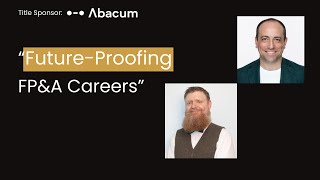
This is a YouTube video titled "Future-Proof Your FP&A Career with Carl Seidman" containing a detailed podcast episode recorded in April 2024. The episode features a conversation between Paul Barnhurst, the host and FP&A expert, and guest Carl Seidman, founder of Seidman Financial. They discuss the evolving role of financial planning and analysis (FP&A), the increasing importance of technology, strategic business partnering, and especially the critical skills of communication, presentation, and influence in finance careers. The dialogue covers practical advice on improving presentation skills, anticipating business disruptions, and career development within FP&A. The content is educational and targeted at finance professionals seeking to enhance their impact and future-proof their careers.
I don't think that 10 years ago FP&A looks a whole lot like what it does today. People are going to be thinking more like I sometimes refer to as junior CFO rather than being sole doers in finance or accounting function. There's a whole lot more technology that is going to mature, evolve and enable FP&A teams to be able to do their work in ways that they never were able to in years past.
10, 20 years ago it was more FP&R financial planning and reporting than the analysis. Today that analysis is really big, mechanical. Carl Seidman, the founder of Seidman Financial. He began his career as a business analytics and strategy consultant at PwC. Carl is a passionate and dedicated FP and a professional providing on site financial advisory and training services to professionals seeking knowledge about various financial matters.
There is so much technology coming out and enablement that was just not possible in years past. It means that people are going to have to get greater exposure and awareness to other parts of the business beyond just what they're focusing on.
I think we're moving more and more towards going to be a lot more strategic, commercial driven business partnering. We've seen that shift and I think technology will accelerate. It's amazing how technology is enabling. Abacum is the leading mid market FP and a solution trusted by hundreds of companies to eliminate the spreadsheet struggle. Visit Avicom IO today and multiply the impact of your finance team. Welcome to FP&A tomorrow where we delve into the world of financial planning and analysis, examining its current state and future prospects. I am your host, Paul Barnhurst, AKA the FPA Guide. Each week we're joined by thought leaders, industry experts and practitioners who share their insights and experiences, helping us navigate today's complexities and tomorrow's uncertainties. I'm thrilled this week to be welcomed by Carl Seidman. Carl, welcome to the show.
Thanks for having me, Paul.
Excited to have you. So this week's episode want to just take a minute and thank our title sponsor Avicam who's made this episode possible. Let me give a little bit of background about our guest, Carl. Carl joins us from just outside Chicago. He's the founder of Seidman Financial and he has a degree in finance and he also did a Master's in Managerial accounting. So I want to start with a question before we get into your background in your mind, what does great FP&A look like?
I think that great FP&A looks like a team of people who are equipped from a technical Standpoint to be able to execute the kinds of requests that are being asked of them. They have the ability to anticipate where the company is going and where questions may arise. And then in addition to having the accounting or financial background, they have enough awareness and familiarity with the operations of the company so that they can ultimately dive down deep into those individual functions of marketing and operations and sales and HR and be able to lend a analytical mind and critical thinking perspective to the people who are in those groups.
Thank you, I appreciate that answer. Which leads me to my next question. You know, do you see FP&A with all the changes in technology and everything, do you see it changing over the next five years? Like how do you see the role changing?
Absolutely. I think that 10 years ago, while there was FP and A, I don't think that 10 years ago FPA looks a whole lot like what it does today. Where we are today and where I think we're going tomorrow and into the future is again people who are not just doers or finance people, but who really come from a much more well rounded acumen in business awareness. This means that people are going to be thinking more like what I sometimes refer to as junior CFOs rather than being sole doers in the finance or accounting function. And as such it means that people are going to have to get greater exposure and awareness to other parts of the business beyond just what they're focusing on. And then as it relates to technology, I think, you know Paul, given your background and your history in recent years is there is so much technology coming out and enablement that was just not possible in years past. So while a lot of people in FPA in years past may have been rooted in more spreadsheet firm, they'll bring me in and I will help supplement some of what the FPA team is doing. In addition, usually my philosophy in this regard is I will do some of the heavy lifting, but my MOTUS and my objective for a lot of these companies is to help equip, equip their people to be able to take on these kinds of initiatives, to own it and move it forward. So while I might go into a 200 million dollar company and help build them a process, maybe even build them a data flow or a data model, ultimately what I want to do is to exit that relationship, hand that off to one of their FPA people and have them run with that work file. In addition, on the learning and development front, what I had learned many years ago was that a lot of the companies I was working with the fpa. People weren't getting a formal FPA education in school. There is no real FPA in MBA programs in terms of certifications. They teach a handful of skills, but they weren't really getting the hands on applicable skills and experience that they needed in the specific business cases that they were facing. And so I continue to build out and deliver these kinds of learning and education programs and in order to help those FPA teams be able to upskill, increase their competence and confidence. And then as it relates to fractional CFO work and fractional CFO masterminds, I'm essentially working with small live groups of people who are wanting to either build out their own FPA advisory practice or build out their own fractional CFO practice and teach them the kind of skills and structure that they need to be able to do that.
Thank you for that overview and makes sense. You know, so what I want to spend most of the rest of our time on is talking a little bit about presenting and communication because as long as I've known you, I know that's been a passion of yours. So how did that passion come about? Wanting to present and, you know, having a real passion for making sure you can communicate with other professionals?
You know, I don't know that it was all that intentional. I think some of this just became an organic evolution of my life and my career. What I sometimes have shared with people when I was more quickly than I think it did in history. Whereas I think that historically a lot of people could have been in that rolling up your sleeves work for five, eight, 10 years and they would have still been a very strong go to professional. Whereas I think that the expectation to be a little bit more high level in your thinking, a little bit better of an understanding of the surrounding business and functions is going to start hitting people a little bit earlier in their FPA careers.
I would agree with that. That need to be commercial and strategic driven is happening at a younger and younger age. Especially if you're joining small companies where you're wearing multiple hats and you have to really understand the three statements, cash flow, a lot of things that you may not have to deal with if you're joining a big, huge global company. Right. Very small niche where it may not be as quick, that you need to really be able to think at that higher level.
Yeah, I think that's a really interesting point that you raised Paul in that, you know, sometimes people will come to me and say, well, if I learn a certain set of skills, I know FPA at Any company that I would need to go into, and I always make this distinction, as you had just pointed out, that FP&A@ a small company looks completely different than FP&A does at a large corporation. And in the middle, at a mid market company, you're kind of going to straddle a little bit of the two. At a small business, FP&A might not exist at all, but when that first FPA hire comes in, they might be doing everything almost like the CFO would be in the absence of perhaps a formal CFO title. Whereas when you go into a larger corporation, you may have somebody who's working on a very, very specific line item within one financial statement, within the P and L. And that's what they've been doing for 15 years. So having that awareness of business context and commercial context I think is very important. And it also looks very different depending on what size company you're in.
Totally agreed. I'll add one more thing and then we'll give you an opportunity to tell us a little bit about yourself, your background before we get too far in. But as you were saying that, I couldn't help think but one time I saw someone put on LinkedIn, the number one skill FP and A professionals need is how to build a three statement model. And I respond with haven't built one in my career. You know, this is a year or two ago and I'd like I was arguing, I think I know FP and A pretty well. And it's because he had worked with all startups. I had worked with companies like American Express and global companies where. Right. You're not going to build a 3 statement and try to roll that up across all your businesses and departments.
Yeah, I, I, similar to your point, I worked with a Fortune 500, their entire FPA team and I made that question or I asked that question, I said how many of you here do three statement modeling? And there was one person in the entire collective of probably over 30 people who does a three statement model. Nobody else. But also on the flip side, you might say, oh well, there's certain software like Power BI or R Studio or SQL, you need to know these things. Well, you talk to one person and that's their job, that's what they do. But you talk to the person sitting next to them or an FPA person across the road, they don't touch that software at all. And so it's a very, very broad as well as extremely deep profession and domain and having one set of skills at one company. May be irrelevant at another.
Yeah, I agree with you. Like you said SQL, one company, you may use it all time or one role, another role, you may never use it. So why don't we give you an opportunity to just give our audience a little bit about yourself, your background, how you ended up getting into FP&A and what you're doing today.
Sure. So today a lot of my work sidemen Financial focuses on FP&A advisory FP&A learning and development FP&A masterminds as well as fractional CFO work. So what does that look like? Oftentimes companies will have a director of FP&A or they'll have a CFO and they'll say, well, I'm just not really sure how to execute this initiative that we're embarking upon. I don't want to hire a full time person, I don't want to bring in an expensive consulting firm. They'll bring me in and I will help supplement some of what the FPA team is doing. In addition, usually my philosophy in this regard is I will do some of the heavy lifting, but my MOTUS and my objective for a lot of these companies is to help acquire, equip their people to be able to take on these kinds of initiatives, to own it and move it forward. So while I might go into a 200 million dollar company and help build them a process, maybe even build them a data flow or a data model, ultimately what I want to do is to exit that relationship, hand that off to one of their FPA people and have them run with that work file. In addition, on the learning and development front, what I had learned many years ago was that a lot of the companies I was working with, the FP and A people, weren't getting a formal FP and A education in school. There is no real FP A in MBA programs in terms of certifications. They teach a handful of skills, but they weren't really getting the hands on applicable skills and experience that they needed in the specific business cases that they were facing. And so I continue to build out and deliver these kinds of learning and education programs. And in order to help those FPA teams be able to upskill, increase their competence and confidence. And then as it relates to fractional CFO work and fractional CFO masterminds, I'm essentially working with small live groups of people who are wanting to either build out their own FPA advisory practice or build out their own fractional CFO practice and teach them the kind of skills and structure that they need to be able to do that.
Thank you for that overview. And makes sense, you know, so what I want to spend most of the rest of our time on is talking a little bit about presenting and communication, because as long as I've known you, I know that's been a passion of yours. So how did that passion come about, wanting to present and, you know, having a real passion for making sure you can communicate with other professionals?
You know, I don't know that it was all that intentional. I think some of this just became an organic evolution of my life and my career. What I sometimes have shared with people. When I was a young kid, when I was in middle school, my school had something called forensic speaking, which doesn't exist in a whole lot of schools, but essentially what it is is competitive public speaking and debate. It's modeled after the way that the Greeks did it in public squares long, long time ago. And my topic that I just really resonated with was storytelling, and not business storytelling. It was actually children's storytelling. So I was responsible for taking a children's story, interpreting it in my own way, creating characters, creating accents, creating voices, and essentially talking to myself. But as these various characters. And at an early age, I started to find an enjoyment of storytelling and captivating audiences and bringing in laughter and bringing in seriousness, but stitching it all together in ways that are purposeful and meaningful. Now, as it relates to business, you know, early on in my career, I started at PwC. My area of focus was in advisory services. I was never really a public accountant on the audit side or on the tax side, but ultimately I was working in advisory and specifically within the context of litigation for intellectual property. And a lot of what goes on in litigation is trying to convince a jury or a judge or the other side or a client of why you're right and why the other side is wrong. So not dissimilar from what I was doing when I was a kid. A lot of it comes down to influence and credibility and building rapport and trying to convince other people why your analysis is the right one to believe. And so I think that as it relates to consulting, or as it relates to turnaround, restructuring, which is where I went thereafter, and then as it relates to FP and A where I went thereafter. A lot of this comes down to effective communication and influence of why the analysis, why the plan, why the risks, why the data that you are so intimately familiar with, why it matters, and why it doesn't just matter to ourselves, but why it matters to you, why it Matters to an audience, why it matters to somebody who might not seemingly be related or touching the finances, why it matters to them and why they should care. A lot of that comes through not just telling, but illustrating, weaving the story together and making it resonate with them.
I appreciate that answer and I'll make sure not to debate you, but I might ask you for a kid's story. You never know.
Yeah, don't get me started on that. I, you know, can create a lot of really interesting voices and characters from all different sorts of personalities. It's. Yeah, I don't do that in, in my real business life. But, you know, sometimes just to loosen things up a little bit in the audience, you know, sometimes we'll bring in a little bit of fun and storytelling.
Do you have a favorite voice you could impersonate?
Oh, I haven't done one in a long time. But, you know, I had won an award when I was in high school for again, storytelling and forensics. I had taken a kind of offbeat, I think it was called Fractured Fairy Tales, written by a gentleman named A.J. jacobs, who I think is a. A fairly well known satirist and humorist. And, and it was kind of a distorted version of the Rumpelstiltskin fairy tale. And I had turned Rumpelstiltskin into this very eccentric fashion designer from the United Kingdom. And if I remember, it was like, hello, hello, darling. I hear that you can spin straw. And what I'm going to do is I'm going to help you spin straw into gold. And then she says, well, I can't turn straw into gold. And he's like, well, I'm going to teach you. And so we end up going back and forth between Rumpelstiltskin teaching her how to spin straw into gold and how she's coming back.
Fun. Thank you for giving us that. I enjoyed it. You know, I don't know that I'll ever use that in a presentation, but it was fun to listen to. So kind of get back to presentation skills. It's obvious you've invested a lot of time in speaking, whether it be the debate, storytelling. I know you've done improv comedy. How much time do you think you've kind of maybe spent over your career polishing and working on becoming a better communicator and presenter?
I don't know if I could put a number on it. And again, I don't know that so much of it was intentional. It wasn't like, oh, I'm not a good speaker. I want to become a good speaker. Part of it was just I enjoy art of communication. I enjoy what the spoken word can do, both as it relates to informing people and educating people, but also on the humor side, also on the resonance and on the emotional connection side. Words are power. Spoken word connects people. So as it relates to the amount of time that I've put in, I mean, I did improv comedy in Chicago at Second City for I think a year, every single week for a year. And then I went up to Improv Olympic, which is another theater in Chicago. I did that for about a year and a half every single week. I did Toastmasters. Those who are listening. Toastmasters is essentially a, you know, not for profit public speaking club for people who want to put in the reps and get experience. I did that for many years. I was a member of probably a half dozen clubs, some of those just social and some of them very, very professional of people just like me who were bringing in their deliverables to their companies and saying I want practice in front of these people who don't know my company, who don't know my work. But these are driven, high potential people. I want to be able to practice in a safe space. I had done a TedX talk many years ago. I took my TedX talk to this club to run it in front of the club and I said, everybody, rip it apart. Tell me what you like, tell me what you don't like. I've got thick enough skin. I want your perspectives and getting their perspectives, not just a great job, wonderful. I have no improvements for you. They gave me a lot of different perspectives to be able to say this is what they're seeing that I'm not contemplating. Do I want to take their advice? Do I want to dismiss their advice? It gives multiple dimensions of of public speaking in ways that we can't necessarily get from ourselves or by watching ourselves on video.
And now a word from our sponsor. The FPA process is broken. You know it is and I know it is. Putting together management reports takes forever. There is a growing demand for operational insights and running scenarios or preparing budgets will inevitably break your spreadsheet. It doesn't have to be this way. ABACOM is the leading mid market FP and a solution empowering hundreds of finance teams to eliminate their spreadsheet struggle with automated reporting and forecasting. With abacum, finance teams can see every financial and operational KPI in real time, forecast revenue more accurately, build headcount plans, budget their spend more effectively and run any scenario with just one click. Avicum is the most scalable FPA solution for finance teams. If you want to double your output, half your reporting time, forecast your performance, and become a strategic partner to your business, visit Avakum IO today. Yeah, so I'm hearing a couple things in there. Obviously, a lot of different organizations you were part of, whether it be the Toastmasters clubs, whether it be, you know, the improv comedy. And then the second is getting feedback from others beyond your own. How important do you think that is for, you know, professionals to become better speakers, to get that feedback from outside of, you know, just watching your recording or turning on the new rehearse feature in PowerPoint or whatever it might be? Right.
I think it's imperative. And I think a couple of years ago, I was speaking with a friend of mine who owns and runs a not for profit, and he said, you know, Carl, I think we went out to lunch or we were. No, I think we were just talking over zoom, perhaps. And he said, you know, Carl, I was just on vacation. I think he was on his honeymoon on a beach vacation, and he was speaking with a gentleman that he had met on the beach. And it didn't come to fruition that this Gentleman was a CEO of a Fortune 500 company. And what my friend had said is he said, you know, Carl, I know that this guy is as smart as. As it gets. I know this guy's got as much experience as it can possibly as, you know, somebody can get. But what really stuck out to me about him and other people who are in positions of leadership is just how effective they are at communication and how good they are at communication and how they're able to resonate with other humans. And I didn't really think about it actively maybe up until that point, but I completely agree with him, is that oftentimes when I encounter people who are influential, who I respect, who are highly credible, certainly from a financial perspective, you got to make sure that what you're doing is buttoned up and it's authoritative. But it's often the people who you're going to listen to, who you're going to believe, who you want to partner with, partner with, who are the ones who are the best and most effective communicators. And so if somebody says, well, I'm getting passed over for opportunities or I'm not getting the kinds of promotion that I would expect, while I think that the table stakes are the technical skills and being able to get, you know, the performance done, I often think that getting from manager to director, director to leadership comes down to influence, and influence comes down to credibility, rapport, being likable, having connections, building relationships, being able to simplify your message not just for the people who are immediately in your circle, but the people who are outside of your circle who don't speak your language. And sometimes for FP A and finance people, it takes, oh, like saying the word dumbing down, but it takes cleaning up and simplifying and clarity of our message to be able to make those kinds of connections elsewhere.
Great point. And you know, I've mentioned this a number of times in the past. For me, I struggled to get from that manager to director role. And one of those areas was communication. Being too detailed in the presentations and not being able to bring it up and really having an appreciation for influence and the nuances in the story. It's like, well, hey, I've done all the analysis. This is a good idea. Everybody should just accept it because I presented it. You know, you could laugh at that, knowing that's not how the real world works.
Right?
Yeah. Sometimes you don't realize that it took quite a while to. To understand that. And so gave me a real appreciation for the influencing side. I've always been fairly decent in presenting. I've done a lot of it and enjoy doing it. But it was really that influencing and the relationship and those other things that increase the credibility beyond just the presentation, for sure.
And I want to add something else. And then I actually want to ask you a question, Paul is, you know, I think that it is easy to think, well, this will just come about as I get experience. But back to your original question was, you know, how do you get there? You know, do you get feedback from other people? Do you practice? How do you build that kind of awareness? And I think that where some of this comes from is maybe it's, hey, I'm not getting the opportunities that I want. Why am I not getting those opportunities? And somebody coming and saying, well, you got to build your communication skills. But also I think that it's starting early and saying, this is a lifelong journey. There is no finish line. But the further I get, the better it's going to be for me and everybody else around me. And so, despite the experience that I have in presenting and speaking, I always want to get somebody else's feedback. I want to say, look, I want you to pay specific attention to what I'm doing here. Does this make sense to you? And how do you think I could do this differently? I have that kind of humility to be able to say, look, I. I'm good, but I'm not perfect. And there's always going to be a place for me to learn and I want to bring somebody else in who's maybe never seen this before or is thinking about it from a very different perspective. That helps illuminate those kinds of gaps in what I'm delivering. The question I wanted to ask you, Paul, is when you were a manager and saying getting up to a director level and you'd said, you know, a lot of this comes down to communication. What were some of the tangible steps that you were either told to take or that you became aware of taking to help you say, this is what I need to do to be better at communication.
Yeah. So a few things. I'll share a couple experiences. The first, when I was a manager, you know, I had one boss that was super detailed and he loved me. And then he got displaced, went through a round of re engineering and all of a sudden I had a different boss and she didn't really like me, thought it was way too detailed. And that's what the prior boss wanted and a really hard transition for me. And there was another director. He's like, Paul, you got to bring it up more high level. You're really good at what you do, you know, your analysis, but they don't want all the details. And he would literally direct message me when I was presenting and say, bring it back up, bring it back up. And we had a agreement that, hey, whenever I'm presenting, you think I'm going too detailed, you tell me. And he would do that. So that was the start of figuring out how to get it more high level. And then one experience that really stuck out to me. I thought I'd be considered for a director role. I wasn't at the time. The general manager didn't want me as a director, even though I kind of been acting as it. And I come to find out why. I was talking to him one day and he looked at me, Paul, and he goes, I'm going to tell you something. Goes, I want you to learn the bluff principle. And at first I was like, what in the world are you talking about? And he goes, bottom line up front goes, just get to the point. Like then you can add all the detail you want. And it was very clear in his voice. I'll never read it, but you're detailed so you'll want to put it in there. And I kind of, yeah, I was trying not to laugh, but the way he said it and that, that really was another defining moment for me of recognizing the importance of knowing your audience and thinking about what they need to see versus trying to tell them everything, you know, like almost I'm like smart and you'll see it if I give you the details.
Yeah.
And it's doing the opposite. It's really hurting you in many cases.
Yeah. And I think that's really interesting and I fully agree with you from, from that story. And I think it's particularly difficult for finance and accounting and technical and detail oriented people to do that because they say, well, I just spent the last two months going through this. There's so much I need to share with you. And I say if you were to put it on one page, what would need to go on that page? Like, well, I can't put it on one page because there's so much that you need to know. It's like, we can go into the rest of it, but what do I, or what does the audience need to know right now at, you know, the, the bottom line? What's, what's most important for them to know in a short amount of time? And what I also challenge and I coach people to think about is they say, look, I want you to build a one hour long presentation, but then I want you to think about how to give it in eight minutes. So it makes you think about the full context of everything that you've done. And to be able to put together the thread of a deliverable, but then say, I'm only going to give you eight minutes to be able to do this. You got to be real clear, real efficient, real concise. What do I need to know in the short amount of time? And again, it's not, we're not going to go into the rest, but I need you to be extremely concise at the very beginning. And the last point that I'll just share here is again, from the perspective of finance and technical people, oftentimes we want to prove or convince or show all this wonderful analytical work that we've done, but by condensing it into eight minutes, we lose that zest around. I did all of this work that I'm super proud of. I actually believe that you can bring greater value through presenting in a concise, clear and efficient way, bringing that value in that way versus unloading on somebody with an unnecessary amount of detail.
I 100% agree and I'll give one more example. So this was probably five years ago. I had spent six months working on this project. We had to change a commission structure. We were losing a big customer and we were trying to maintain some of the smaller customers under this big structure. And so we put together this whole commission plan, and I'd run it by the VP of sales, I'd run it by the general manager, my boss, who was the regional cfo, the person who oversaw that program. Everybody was aligned. And, you know, I went in to present to our global cfo, and I hadn't put a lot of time into the presentation, I will freely admit that. And we get about five, maybe 10 minutes in, and he looks at me, and the other guy's in the. Is on the call. He's like, this is a terrible idea. Why would I do this? I didn't even know what to say. It's kind of, you know, taking it back because I wasn't expecting that. And he calls in the general manager. He rings him up and says, yeah, get on this video call. And the general manager talks for about five minutes, and he signs off on the agreement. And I'm just sitting there going, what in the world just happened? I still remember asking my boss. I go, what happened there? And his exact words were, your analysis was brilliant. Your presentation lacked. And that was the reminder that no matter how much time we've spent, if we don't put the time into that particular presentation, we can fall short. Doesn't matter if we're a great communicator or we've mastered certain things. You got to be credible in the moment, not the other end times.
Right. And what's perhaps ironic about that is 98% of the work was done up front on the analysis and on the data, and only 2% of the work is being spent on the presentation. But the analogy I sometimes use is, you're not going to go to a nice restaurant and pay a lot of money for a delicious dish and then have it be delivered in a greasy brown paper bag. So the deliverable matters a whole lot can actually significantly dismiss the credibility or value of everything that came up before that point in time.
Yeah. I mean, I would even argue if the analysis is good but not great, but the presentation is outstanding would generally be received better than great analysis. Okay. Presentation.
Yeah, that's probably true. Maybe unfair, but that's probably true.
Yeah, exactly. Maybe unfair, but I'm sure there's a lot of ideas that have been accepted because the presentation, the ability to communicate and convince people, was outstanding, even if the idea was less than outstanding.
We'll just say, that's right. I would say that that's like an infomercial where you say, wow, that's really a great product. You buy it and you say, wow, that product turned out not to be what I thought it was going to be, but the message was wonderful.
I'm laughing. I'm thinking of the infomercials I've seen growing up. I'm thinking back to the Ross Perot infomercials when he ran for president. I remember watching those at night with his flip chart and thinking, ah, this is a good presentation. He knows what he's talking about.
Yeah, I, I agree with your point is I think that you can put some window dressing on it. Sell something that might not be so good, but the delivery can often sell.
A word from our sponsor. Let's address the elephant in the room. Bad data. Any investment made on top of a rotten foundation is money down the drain. The Analyst Intelligence platform, or aip, is a data transformation notebook where users write their tasks and the system does the work for them. Clean data is so critical for decision making that Daydream, the BI tool for operators gives customers a discount for using aip. Warning, using this product may lead to a sudden acquisition of a corner office. Prolonged use may result in being seen as indispensable to the company's success. Learn more@ AnalystIntelligence.com yeah, so you know, kind of talking to that there's two kind of follow up questions I want to ask. The first is in your mind if someone wants to get better at not necessarily presenting or communication but the influencing side to be better to influence things, where would you recommend they start?
It's a great question. I think that one of the most important mindsets to have in influence is to stop thinking about yourself and to stop thinking about your ego and stop thinking about what you think is going to be so great and instead start thinking more about other people. You know, sometimes I need to catch myself even in the delivery of my programs of, you know, favoring from my perspective, content, content, content education, all of this good meaty stuff that I think people should take away from but ultimately I need to put myself in their shoes and say if I were them and I would be successful in my role, how do I need to receive this information? How do I need to develop? How does my cognition in the way that my learning and my brain things, how do I need Carl's flow to help facilitate that? And so back to your question is where do I think people can start? I think a lot of it needs to start with mindset around what's important to people who are not you. And when you start to think about that it changes the perspective of the way that you deliver. But I'm going to take that a step further and say, don't just think about what's important to other people, actually ask them. So Paul, if I'm working with you, and I say, well, this is Paul's style. Paul, you know, he's a very detail oriented guy, but he also doesn't have a whole lot of patience for the full story. He wants to know this up front. I might say, all right, well, that's what I know about Paul's style. But Paul, I want to spend 10 minutes with you just so I can make sure that when I present this to you and the rest of the FP and a team that this hits home and then this is a grand slam instead of a strikeout. What does that need to look like? And so I can sit down with you, Paul, and say, well, based upon what I know about you, this is what I'm thinking, but I want to hear it from you. What's going to be the best way to do this? In addition, I think that mastery of the medium is very important. So mastery of the room, mastery of the software, whether you're presenting in Keynote or PowerPoint or putting it on a piece of paper. So there is the strategy of how do you present to your audience? What's the medium that you use? And then also recognizing that not everything comes down to this climax of the presentation. Oftentimes it's the flow of information from meetings and phone calls and zoom calls up until the presentation, which may just be a simple meeting, talking about something. And then what does the supplementary information need to look like? Do I put it into a one pager? Do I put it into visuals? Do I put it into a report? Does the data need to go into an appendix? What are the to do's afterwards? So I don't want anybody to think that effective communication comes down to platform skills of getting into a presentation, delivering audibly. It's how do you think about who you're delivering to, how do you need to tee it up, how do you manage the flow of information and how do you make it cognitively something that is very influential.
I really like the first part you said there of, you know, starting with really making sure you're focusing on the intentions, the needs of the other person. Right. Kind of wanting to put yourself in their shoes, so to speak, what's in it for them versus what's in it for me and really letting that guide the presentation so you can connect with that person. Because at the end of the day, the More you connect with somebody, regardless of what material you're presenting, the better chance you have of influencing them. Because people listen to people they like.
Absolutely right. And I'm sure that you, I'm sure that your audience, I'm sure that all of us have gone into presentations where somebody gets in front of a room and in the first two minutes, you dismiss them because of the way that they interacted with the group, or they were unprepared, or they were likable. And those first couple of minutes are paramount. But recognizing that those first two minutes don't necessarily need to be in a presentation, they can be in interaction through email the way that you are on a call. So making sure that you're intentional about how you are received credibly, analytically, managing that kind of relationship and dynamic in the real or in the virtual room matters a whole lot. And I think to one of the points you raised before Paul is oftentimes it's, well, I'm going to do 98% of the work. I'm going to throw it into a PowerPoint. I'm going to just present the PowerPoint. And everybody's had a terrible experience in their lives where it's, I'm sitting in front of this person reading the PowerPoint. They're not really managing the dynamic of the room and the presentation and they lack the credibility, no matter how wonderfully buttoned up their analysis is.
Fully agree that last mile is so important and investing the time. I think as we talked about earlier, where FPA is going in the future is more commercial, more business partnering, more strategic focused. And that means you have to have more of an ability to influence. And that involves presenting and communication and really understanding the needs of your partner. There'll still be times for the technical skills. Those aren't going to go away. But once you have a certain level, it really comes down to for many of us, that ability to influence and communicate.
Yeah. And I think that plays a role at every stage of a person's career. In fpa, if you're young, you've got to be able to communicate your work. But I will even go back to the conversation I had with my colleague on the beach is you're not going to see people elevate into a position of directorship or leadership if they don't possess those kinds of communication and influence skills. And so, you know, I was even doing a recording last night and I was talking about the importance of if you're going to be moving up in your career, you need to be able to advocate for yourself and be able to present effectively to others, to be assertive, to understand what's important for other people. Because again, I think once you start getting beyond that manager role, after 5, 10 years of experience, a lot more comes down to your strategic thinking, your critical thinking, your analytical thinking, and then your way of communicating that, not so much rolling up your sleeves and doing a bunch of forecasting and modeling work. Yep.
No, agreed. So I think we've covered quite a bit on the presentation side. Have a couple questions, then we're going to move into we call a rapid fire section. So next question I have for you, when we talked previously on another show, you had mentioned one of the most important skills. You said it was critical for FP and A professionals is the ability to anticipate. Why is that?
The ability to anticipate, in layman's terms, is the ability to think about what's coming, the ability to think about where we need to go, but oftentimes before certain events have taken place. So last week I was in Canada and I was Speaking with about 50 people, large manufacturing company, and one of the questions that came from this group was around a pandemic or around a major disruption. He said, you know, Carl, nobody could have anticipated a pandemic of that kind of magnitude that was going to disrupt not just the company, but the country and really the whole world. And he said, how can we anticipate something like that? Again, are you doing planning for other companies and clients around something like that happening? And I said to this gentleman, I think his name was Scott, I said to Scott, you know, Scott, I'm not helping a company forecast a pandemic or a natural disaster or something of that magnitude. But I do help companies anticipate disruption. Not saying what's the likelihood of disruption, but if there was a disruption, what do we need to be able to do to intercept, to rewind, to redirect, to restructure what it is that we're currently doing. And that impacts process around planning, around forecasting, that impacts decision making as it relates to procurement, that impacts implementation around technology. So going back to Scott's question of Carl, what if there's this big disruption? I say, well, if there's this big disruption, how do we plan for it? How do we reduce our risk? How do we make sure that we aren't stuck with our feet stuck in the concrete so that as we need to make the changes, we can? So anticipation, whether that's in our own personal lives or in business, is thinking, well, what could be happening. What could occur that maybe we haven't thought about? And if it does occur, how do we make sure that we're not standing flat footed with our feet in the concrete and unable to move? That, to me, is what FPA is all about, is not just doing analytical work. It's saying where is the company exposed? Where are our risks? How do we need to restructure operations so that if that happens or when that happens, we're two steps ahead of our peers.
Yeah, yeah, As I heard you say that a big part of that is obviously since scenario management and what you're talking about. And you know, none of us could have predicted exactly what happened with COVID But if all of us can say at some point there's going to be a black swan, a major disruption. Okay, if there's a disruption of this type, what do I do? If there's maybe a disruption over here, what do I do? And looking at some of those major disruptions, then focusing on those that could be most likely. So if something does happen, you're prepared and know what changes to make.
That's right. And you know, taking even the black swan comment out of it of saying this massive anomaly that nobody was expecting, well, what are the ramifications of it? Hit on volume, hit on sourcing, hit on timing, hit on clarity, all of these things. Well, guess what, Paul, you don't necessarily need to have a black swan to have a reduction in volume, a closing of sourcing, a customer that got themselves in trouble, a vendor that is no longer able to service you. So those could all be caused by a whole multitude of different disruptions. And if you're thinking about the ramifications and how the business needs to adjust for it, that's anticipation.
Yeah. No, and the example I give is our senior leadership had anticipated I wasn't involved in it, but I worked for American Express. And I still remember the day because I told myself, I'm going to wait one more day till I sell my stock because I'm too busy today. And that was the day they publicly announced we had lost Costco. Yeah. Which is the biggest client we had. And I still remember going, yeah, I just lost 3, $500, whatever, which at the time felt like a ton of money. And you know, that whole anticipate, they spent a lot of time anticipating, okay, what's going to happen, we can invest the money better. That was a major disruption. Nothing to do with COVID or an external factor. It was an internal decision made between to companies to part ways. But it had huge ramifications and they spent a lot of time figuring out, okay, how can we better invest that money because we no longer think the deal makes sense for us.
Yeah. And that analysis took place before that happened, before that major separation happened. So it's, well, what if we were to move in a different direction? What if one of our customers decides this partnership is no longer working? What if we lose 10% of revenue? Again, that might be very specific in your example of the Costco American Express separation. But every company can benefit by saying, well, what if this were to happen? What if that were to happen? How can we plan to limit the kind of exposure vulnerability we have if this transpires? That's something that every company can do.
Do you need to level up your FPA game? Then join us April 23rd for the FP&A guys best practice FP&A course. Imagine working smarter, gaining greater visibility, and becoming a top flight FP and a pro. During the four sessions we will teach practical frameworks and share real world examples that will make you a better FP and a professional. Visit the FP&A guy.com FP&A course to learn more and become the FP&A expert your company cannot do without. Agree. So I'm going to shift gears here. I have one more question before we move into the next section. You recently released a LinkedIn learning course for FPA professionals. Tell us a little bit about that.
So that course is called Excel for FPA or Financial Planning and Analysis. It's about two and a half hours long and given the request that I had been getting for 12 plus months, people said, you know what, there's not really any training at least within LinkedIn learning and then also in a lot of the larger domain within Excel and specifically as it relates to FP and A. And so some people had said to me, you should do that. I had made some connections at LinkedIn Learning and they said, yeah, you're right, there isn't anything on financial planning and analysis. Put something forward. And so I said, well, rather than put together some comprehensive FP and A training, I said, well, what's going to make the biggest amount of difference in the shortest amount of time that are techniques and tips and applications that people can start to apply tomorrow. And so I took some techniques and tips that I incorporated into my own work and that I train companies to incorporate into their own FBNA files. And I said, why does this matter to you? Why does this matter in large companies? Why does this matter to small companies and mid sized companies. Again, going back to what we had talked about earlier is I can share some of these techniques that make no difference across company size, across industry. Everybody can take these and implement them. So the beginning of the course talks about, you know, what is FPA all about? Why does Excel matter? Why is Excel maybe not the right tool in every instance? What is some of the other technology that's out and how can you not get rid of Excel? But how can you actually integrate Excel with some of these other platforms? How can you bring in some more dynamic functionality to be able to save you time on the mechanics so that you can spend a whole lot more time on the focus, on the intelligence, on the anticipation and on the influence of your audience. So when people can master some of these more technical modeling, Excel, mechanical skills, it frees up the time, frees up the mind for them to be able to position themselves and to focus their energy on what matters most.
Got it. Thank you for sharing. It sounds like a great course and we'll put a link in the show notes for that. All right, so we're going to move to Rapid Fire section and based on your last answer in our conversations, I'm pretty sure I know the answer to the first question, but we'll ask it. You a Google or Excel fan?
Excel. However, I have had a number of clients who are in Google Sheets and their main motivation for doing so is just the nature of the collaborative, collaborative nature of Google Sheets. And so I think that for collaboration Google can be great, but 99 times out of 100 I'm going to prefer Excel.
You and me both. That's probably where I'm at as well. What's your favorite Excel shortcut?
Control S?
You've lost a few too many files over the years.
I was actually working on something yesterday. It actually was not Excel, but let's pretend that it was. I was working in a different platform. My computer just got hung up and it closed and gave me no opportunity to save anything. And so wonderfully my PC has autosave and some backup files and so I had to go back about 10 minutes before where I was, but I had to go back and it tweaked some things and it didn't work out so well. So I love auto save. I love Control S because I think we all have nightmares of something getting, getting lost and not saved the way we wanted it to be.
Yeah, we all have those horror stories, especially if you're back where you saved it on floppy disks and all those type of things. The floppy disk gets correct corrupted. I had that during school one time.
So yeah.
Next question. Are you currently using generative AI and if so, how?
Yes, I am using generative AI. I use ChatGPT on probably a daily basis. I have also over the last handful of weeks been experimenting a lot more actively with copilot. Within Microsoft 365 or Office 365. I tend to use Chat GPT for organizing my thoughts. I find it to be great for putting together outlines of what I'm trying to do. That it's not that I can't do it, it's just going to save me so much time and frustration and energy. So I use it to gather my thoughts and to put together outlines. What's also interesting, Paul, is from an FPA perspective, I've gotten myself into some trouble in some of my files where I'm getting an error or something is not working. And while I can continue to put my own energy and efforts into it, I say, you know what, let me just communicate it into ChatGPT. Let's say this is what I'm trying to do. This is the formula or the language I'm using. It's not working. Can you provide me with five alternatives? Now where the technology is great and not so great is it's going to give you five alternatives. Four of them are probably terrible or four of them might not be correct. And so I think it's important for us as FPA professionals to develop awareness and familiarity with the language and the tools and the techniques so that when we get those kinds of outputs, we know what's the right one to go with and we know the four that are worthy of dismissing.
Yeah, I'm with you. I always say I will be most beneficial to those already have knowledge on a subject.
I agree.
All right, you get a one word answer on these. So I'm going to ask you two questions here. What is the number one technical skill for FP&A professionals to master?
Critical thinking.
What's the number one softer human skill?
Communication skills.
I figured that was gonna be communicated. All right, now we get to know a little bit more about you. So what's a favorite hobby or passion you have?
I love to adventure. I've been to dozens and dozens of countries around the world, from South America to Southeast Asia to the northern parts of North America to places all over Europe, a couple places in Africa and beyond. So I love to travel, I love to adventure, I love to eat strange food that I've never encountered before and otherwise just Push myself outside of my comfort zone to see things, experience things I've never done before.
Well, I'll do some cooking for you sometime and send it to you. I can promise it'll be a strange food you haven't had before.
Okay. Just make sure that it's edible.
No, no promises. What is one book you could recommend to our audience?
Oh, okay. So I'm going to answer and then I'm going to just expand slightly. Is one of my favorite reads of the last 10 years has been Sapiens by Yuval Noah Harari story. It is maybe 300 to 400 pages long, but it's basically I think the subtitle is a brief history of humanity or essentially of humankind. And so it explains how we got from the beginning myself outside of my comfort zone to see things and experience things I've never done before.
Well, I'll do some cooking for you sometime and send it to you. I can promise it will be a strange food you haven't had before.
Okay. Just make sure that it's edible.
No, no, no promises.
What is of humanity to where we are today and how that evolution though intentional, a lot of it is unintentional as well. And the reason I want to say.
One book you could recommend to our audience.
Oh, okay. So I'm gonna answer and then I'm gonna just expand slightly. Is one of my favorite reads of the last 10 years has been Sapien. Take it a step further is he came up with two additional books. There's Homo Dew, which is a brief history of Tomorrow, which remarkably came out with a hand come came out a handful of years ago. I read it a few years after it came out. This book is a prediction of the future. And I think with one very, very minor exception, the entire Brook book is very prophetic about what the author thinks is going to happen by Yuval Noah Hararis. It is maybe 300 to 400 pages long, but it's basically I think the subtitle is A brief history of humanity or essentially of humankind. And so it explains how we got from the beginning and a lot of those things have in fact happened. And then the last of his trilogy is I believe I'm going to look back there. That's something. Oh yeah, 21 Lessons for the 21st Century, which is essentially a collective of different domains of what he thinks is going to happen in the 21st century. Phenomenal reading.
Appreciate those. We'll put those in the show notes. And so last get to know you question if you could have dinner with.
One personal of humanity to where we are today and how that evolution though intentional a lot of it is unintentional as well. And the reason I want to say, you know, take it a step further is he came up with two additional books. There's Homo Dew, which is a brief history of tomorrow, which remarkably came out with a hand come came live today.
Who are you going to pick?
Oh, that's a really hard one. Does it have to be somebody famous or just anybody?
No, it could be anyone.
Oh my goodness. That's a really difficult question. What are some answers other people have given? About a handful of years ago I read it a few years after it came out. This book is a prediction of the future and I think with one very, very minor exception, the entire see, what did we get?
I've had investment people. One wanted to sit down with Jamie Diamond.
Okay.
The other day. I'm trying to remember. We've had a lot. We've also asked alive or dead. So on the dead side we've had a number. If we had one person wanted to sit down with Mozart.
Okay, one person. Brook book is very prophetic about what the author thinks is going to happen.
Their mother.
Okay.
We got quite a few different answers.
Yeah. I think. Well, on the. And a lot of those things have in fact happened. And the last of his trilogy is. I believe I'm going to look back there something. Oh yeah. 21 lessons for the 21st deceased side. I would probably say Albert Einstein just because, you know, century which is essentially a collective of different domains of what he thinks is he just had a reputation of obviously being extremely smart to happen in the 21st century. Phenomenal reading.
Appreciate those. We'll put those in the show.
Hard and intellectual, but also a bit disheveled and disorganized and very down to earth. And then I think just in terms of, you know, somebody who is living, I don't know, maybe somebody like a Bill Gates, somebody who, you know, started something remarkable that didn't exist at the time. And then again, he has a reputation of being incredible notes and so last.
Get to know you question. If you could have dinner with one person alive today, who are you gonna pick?
Oh, that's a really hard one. Does it have to be somebody famous or just anybody?
No, it could be anyone.
Oh my good. The intellectual, but also a little bit disheveled. So I. I love the minds of people who are. Goodness, that's a really difficult question. What are some answers other people have given?
See, what did we get?
I've had investment people incredibly bright, move to the beat of their own drum, but are very human and, and very, you know, normal. My parents actually got to meet Bill Gates a number of years ago and spoke to him and they were like, it was remarkable. About what? Just a normal guy. This, this person is great.
I like that. And I've had someone mention Bill Gates before. So as we wrap up here, any parting thoughts or anything you'd like to say to the audience?
Yeah, I think that people.
One wanted to sit down with Jamie Dimon.
Okay.
The other day. I'm trying to remember, we've had a lot. We've also asked alive or dead. So on the dead side, we've had a number to be with. One person wanted to sit down with Mozart.
Okay.
One person said their mother.
Okay. Yeah.
Quite a few different answers.
Yeah. I think. Well, on the. Who have an interest in fpa, whether they're already in it, or maybe they're accounting and want to get into fpa, or maybe they're in school and they're just trying to think about what's next. I had a email conversation with somebody not long ago and they said, you know, how do I get into this field? How do I get successful into this? And as I answered to you, the seaside, I would probably say Albert Einstein. Just because, you know, earlier, Paul is. It's not this perfect pedigree of you go to school, you study certain subjects, you get a certification, and now you've got this entire buffet of options in front of you. I encourage people to think about lifelong learning and never getting. He just had a reputation of obviously being extremely smart. This finish line of, oh, now you're finally there, now all these opportunities are going to open for you. Always be building, always be growing, always be learning and challenging yourself. Art and intellectual, but also a bit disheveled and disorganized and very down to earth. And then I think just in terms of, you know, somebody who is living, I don't know, maybe somebody like a Bill Gates, somebody who you start in ways that you don't know, connect with other people, build these relationships, did something remarkable that didn't exist at the time. And then again, he has a reputation of being incredible because in 5, 10, 15, 20 years, these skills and learnings that you've built will gel in your brain and in your body. And a lot of these relationships that maybe started with coffee or lunch or just a 30 minute discussion over, zoom, that person's going to move up in their career, you're going to move up in yours. And 15, 20 years in, you never know how those relationships are going to return and be wonderful things to have the intellectual but also a little bit disheveled. So I love the minds of people who are incredibly bright, move to the beat of their own drum, but are very human and very normal. My parents actually got to meet Bill Gates a number of years ago and spoke to him and they were like, it was remarkable about what just a normal guy. This, this person is great.
Thanks, appreciate that. And we'll go ahead and put your contact information. I know LinkedIn is a way for people to reach out to you. We'll put that in the, in the show notes along with your website. But really I, I, I like that. And I've had someone mention Bill Gates before. So as we wrap up here, we appreciate you joining us today and just taking a few minutes to chat. It's always good time to chat with.
You, Carl, So thanks for joining always and anytime. Thanks so much for having me.
Paul, thanks for listening to FP&A tomorrow. If you enjoyed the show, please leave us a five star rating and any parting thoughts or anything you'd like to say to the audience. Yeah, I think that people review on your podcast platform of choice. This allows us to continue to bring you great guests from around the globe. As a reminder, you can earn CPE credit by going to earmarkcpe.com, downloading the app, taking a short quiz and getting your CPE certificate to earn continuing education credits for the FPAC certification. Take the quiz on earmark and contact.
Me, the show host who have an interest in FP&A, whether they're already in it, or maybe they're accounting and want to get into FP&A, or maybe they're in school and they're just trying to think about what's next. I had a email conversation with somebody not long ago and they said, you know, how do I get into this field? How do I get successful into this? And as I answered to you for.
Further details.
Earlier, Paul is it's not this perfect pedigree of you go to school, you study certain subjects, you get a certification, and now you've got this entire buffet of options in front of you.
More from Paul




Trust and Leadership Lessons for FP&A From 100+ Top Leaders with CFO Jon Laudie






