Top Budgeting Tips for FP&A Professionals to Build a Strategic & Smooth Planning Process with Glenn
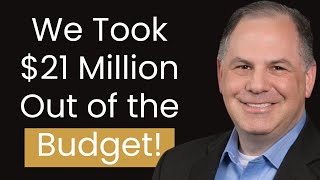
Paul Barnhurst and Glenn Snyder, a senior director at RiverRun Consulting, discuss budgeting best practices for FP&A professionals. They cover practical advice on building a strategic planning process and share personal stories about common pitfalls in financial planning.
FPA is usually the right hand of the cfo. And fpa, if you do it right, you kind of have one foot in corporate strategy, one foot in finance. The finance side is the grounding, the discipline. You got to tie out. You got to make sure it makes sense for the business. This is the time that everybody starts thinking about budgets. One of the best budget processes that I've ever been a part of was. Glenn Snyder is a senior director at Riverrun Consulting specializing in interim financial leadership. With a career spanning Financial Services, FinTech, SaaS, Private Equity, and more. He has held leadership roles at Franklin Templeton, Visa, Charles Schwab and Digital Realty. You really have to remember that the budget isn't just about finance and it's not about having a particular number. It's about how you're going to be managing that business over the next year. We have two different lists, the first one being top five tips for a successful budget process and the second list is going to be why don't we.
Start with your list and then we'll reverse it for the second one.
All right, Top five tips for a successful budget. Number five.
Any last parting thoughts for people on budget?
The one thing I would say is.
FP and a guy. Here, a message from our title sponsor. What if you could delegate your busy work to your most intelligent team member? What if that team member was an AI agent? Meet Be Easy by Future View System, the AgentIQ AI platform to automate entire finance and accounting processes. Our collection of adaptable AI agents integrate with your financial data, handle complex workflows across systems, including our Excel Add in so you can focus on being a strategic business partner. Modern FPA can be easy. To learn more, visit Be Easy Finance. That's the letters bz finance.com hello everyone. Welcome to another episode of FPA tomorrow where we delve into the world of financial planning and analysis, examining its current state and future prospects. I'm your host Paul Barnhurst, AKA the FPA guy, and normally I'm the one guiding you through the evolving landscape of FP&A. But this week and going forward periodically I have a treat for you. Glenn Snyder is going to be joining me and help guide us through these conversations. And sometimes it'll be me and him and sometimes we'll have a guest he's going to help co host once a month for me. So Glenn, welcome to the show.
Thank you Paul. I am super excited about this.
Yeah, I know we've you've been on a couple of my podcasts. I know we've Done a few, we chatted a number of times and we've always just kind of hit it off and one thing led to another and before you know it, we're co hosting together. What was kind of your take of how this all came to came about. Anything you want to add to the story?
You know, for me, I think that we've just had a blast when we've had our conversations because it's not just about the best practices in FP and A and some of our experiences, but the way we've interacted with each other and there are times that we don't always agree and that's okay, but it was the discussion that I think really adds a lot of value. And so for me, I was really excited when you, when you offered me the co host with you just because the conversations that we have are so great. And I've personally gotten a lot of fantastic feedback from the postings that we've had on LinkedIn putting the podcast out there. People really seem to love the way we interact, so I think that's going to be great.
Yeah, no, I'm really excited too. I think like the last time we did a podcast together, I remember going, I wish we would have recorded the first 20 minutes when we were just chatting. There was some great stuff in there. You may not want to release all of it. You know, sometimes the conversations off air are, are so good because they're off air, so to speak. But there is definitely some great learnings in that. So I'm, I'm really excited. Why don't we do this? Can you just take a few minutes and tell the audience a little about your career and background? I know you've been on the show before, but I think it'd be great for this first one where you're co hosting to just introduce yourself.
Sure. So I'm not sure if I should say how long my career has been, because I might. No, well, we'll skip that part. But I started my career as a commercial loan officer at a bank and I realized that that wasn't really the right role for me. And I stumbled into a role around FP&A. And lo and behold, you know, 20 plus years later, I, I am still working in FP&A. So I have over 20 years experience in FP&A. I also worked eight years in corporate strategy. Some of that was also a dual role. And I've worked across seven different industries. Public companies, private equity, private equity, owned and family owned companies. I'm currently working at a consulting company called RiverOne Consulting. We do financial advisory work. Everything that is under the CFO organization, we could help out with that. So I specialize in an area that is called interim management. But I also with my background in FP&A, I've done a lot of system implementations. That's kind of where I've been focusing at River.
Yeah. No, system implementations are a big one. Everybody wants to figure out their data. So what's kept you in FPA all these years? I'm just kind of curious. I was going to say what's kept you in FPA all these years? I know it's something you've loved.
What's the first of all, it's usually the right hand of the, of the cfo. So you're always kind of what's the hottest, latest thing that's going on the company? What's the big important thing you need to solve for? So that's always exciting. But as I mentioned, I worked eight years in corporate strategy and fpa. If you do it right, you kind of have one foot in corporate strategy, one, one foot in finance. The finance side is the grounding, the discipline you got to tie out. You got to make sure it makes sense for the business. The strategy side is what are those possibilities? Where can you go with this? The creative side, the thinking about, you know, how you could really have an impact on the business or on the customers or whatever it is that you're trying to solve for. And so that blend of those two is really what has kept me going and keeps me excited about FP&A.
Yeah, definitely. There's the strategy side and there's the blocking and tackling finance side of things with the logic and the math and all that. But I like how you explain that there. So I'm curious, I know you'd been on a show before. Maybe talk a little bit about your experience with being planful and you know, I know you didn't host, but you were a guest for your conversation. Kind of like co hosting for several months. Maybe share a little bit about that experience.
Yeah, so I've been a four time customer of, of Planful, which I think is a great system and there are a lot of fantastic systems out there and I'm not going to necessarily make a recommendation here, that's not what we're trying to do. But I've worked four different times on Planful System and I was having a conversation back in 2020, 2021, something like that, with the chief marketing officer of Planful and they were doing a Podcast called FPA Friday. Or then they kind of convert into being planful. And myself, the CMO and another guest, Chris Ortega, we just hit it off. And what was great was Chris came from an angle of most of his career. He started off in accounting, but he was real small startup software companies. I had a lot of the large company, public company background, but also the private equity side. And so Chris and I, we played off each other quite a bit, but we were tackling a lot of the big issues about, you know, they're really going on. FP&A. Should you be doing an annual budget? How often should be you be forecasting? You know, how do you go over and really interact with business partners and build out that thought partnership, those types of things. And most of the time, say about 90% of the time, Chris and I were 100% aligned. And we used examples from different types of companies. But every once in a while we were like, yeah, you know what?
There's.
Sometimes there's something different when you're at a startup company than you're at a large public company. And that's, you know, it really played out well. And we did probably, I don't know, I'd say about 10, 12 episodes or so. And it was. It was a lot of fun.
Why don't you take a minute and just tell our audience a little bit about yourself outside of work? I know anyone who's watching this video could probably guess one of your passions. I know you and I have talked about it, but just a little bit of, you know, kind of what you like to do and just a little bit of who Glenn is outside of work.
Yeah. So you could tell from my background I do have a passion for baseball. I was for 25 years a partial season ticket holder with the Oakland A's. I like to refer to ourselves kind of like the Marines. We are the few in the proud. There weren't a lot of us, but, you know, it was a lot of fun. Had some great years with going. Going to A's games, and now's a kind of a sore subject. You could say they're in Sacramento. But I do love baseball, as my autograph baseball collection from hall of Famer is behind me. It's kind of my enjoyable hobby. But outside of baseball, you know, I also, I'm a big passionate person around education. I do a lot of volunteer work. I've mentored students at UCLA where I did my undergrad since 2007. I'm also on the board of a nonprofit preschool for underprivileged children called the Redwood City Child Development Program. And I've been on the board since 2015. But I also, you know, I'm active in the community. I like to volunteer with our local food bank, just, you know, give away food to people who. Who need it. So to me, it's. There are things that I enjoy, but one of the big things is to give back to the community. I think I've had a pretty special life. I would say I have no complaints. It hasn't necessarily been easy. I grew up in a pretty poor family, but I recognize that I've gotten to where I've been because of the supportive community that I've had. So I always try and give back when I can.
I love that. One of my favorite quotes, and I've shared this on the show before, is, service is the rent we pay for the world we live in.
Yeah, I like that. I like that.
And I just love that logic.
Yeah. You know, it's one of those things that I really believe that if you, if you have a certain skill set that can help others, why would you not want to go over and help get other people to build, you know, in the same direction? You know, whether, like I, you know, I, as I mentioned, I mentor these students at ucla. Most of them want to go into finance in some way. I coach them on how to build a resume. I talk to them about what's out there. We know what all the different things. Everybody who's in college always says, oh, I want to go into consulting or investment banking. I never heard of FP&A until I was three years out of college. And I wish somebody would have told me about it. Right. You know, so. So that's the type of stuff that I think is, you know, if you have a passion about a subject or something, there are other people out there who want to learn and share and help elevate everybody. It's my take.
Yeah. No, a hundred percent agree. And I think you're totally right on the. Most people in college haven't heard of what FP and A is. A little bit more, I think in the four years I've been doing this now for my business college students, I've probably can count on one hand, definitely two hands, the number of times a college student has reached out to me and asked about FP&A. You know, it's maybe every six months, two times a year. It's just extremely rare because most people don't know what FP&A is in college.
Yeah, actually. So I'VE had a slightly different experience, but that was because after I got my mba, while still working full time, I was teaching at San Francisco State University for five years. Not fpna. I was doing corporate finance, international trade and finance. But I talked a little bit about my background. And then last year I actually got to do teach two programs at UCLA in their Master's of Quantitative Economics program on FP&A. And so that was really cool. That was, you know, really exciting about. I got to show people who I had no idea about the entire function of FP and A in the corporate world, what it was all about. And there were a lot of students who were like, oh my God, this sounds really interesting. And I've had a lot of them reach out to me because of that.
Yeah, I remember you and I talked about, you taught a class, so I'm not surprised you, you get more reach out from college students than I do. On that front. Would you like to. Why don't we get into our topic? Do you want to introduce it, let you take it away here for a minute?
Yeah, absolutely. So here we are. We are, you know, right in the middle of third quarter, this is the time that everybody starts thinking about budgets, right? You got, if you're on a calendar year, you're starting to do your budget planning and start to figure out when are you going to do forecasting your revenue, how are you going to put your expense targets together. So Paul and I, as we were chatting about what to talk about today, we're thinking, God, you know, we have, I'm guessing, over 40 years of experience doing budgeting between the two of us. And so we thought we'd have a little fun with this and share some stories that we have seen about great successes and, well, let's just say not so good successes or, you know, potential, you know, trouble, trouble budget processes. And so, Paul, I'll tell you what, I will kick it off and I'm going to tell you the one of the best budget processes that I've ever been a part of was really where the executives were not just behind the budget, but believed that the budget was a way to help manage a company. And in doing so, they actually had each ELT member, the executive leadership team members would all have as part of their annual review and compensation, how well they performed against the budget. And that really helped FP&A as we were going forward because you immediately had the business saying, I want to make sure I understand this and I'm going to put a budget together that not Only I can manage to, but something that will help me achieve my goals. And that partnership was just really phenomenal. Now unfortunately I generally saw that at larger public companies because they were a little bit more disciplined, they had, they had greater stability and they had greater processes that were in there. Smaller companies that I've worked at usually are a little bit more, hey, let's just put something together, we'll use it as a guide. We got to get something in front of the board. So it, you know, I generally saw that at large public companies, but I thought that was a great process when you get that executive leadership behind the budget process.
I agree. I'm going to contrast just a little bit of more experience. One year apart, same company. First one is probably one of my worst and the transformation is probably one of the better I've ever gone through. So I got put in a, a new role and about three months later, in addition to having a new role, I was the roll up person for the cfo. So I'm doing all the consolidation for all of north for a regional cfo. They decided to give me a business on top of that cause I didn't have enough to do. And so I had this new business. First time I managed a business that was SaaS based. So we're dealing with subscription revenue and the, the person that was in charge of the entire business unit from a finance standpoint, he was not detailed at all. So I got some basic numbers. We threw together a plan and a month in it is 100% clear. We have zero chance of hitting our numbers. You know how fun that is to tell everybody basically there's no chance you're getting bonuses. The numbers are, you know, we are. Not only did we misforecast the churn that had seasonality to it, it was double what we expected in the first month. And sales came in soft on a subscription business. You can imagine what that means for the rest of the year. You're not making it up because you're now already two and a half months behind, basically out of the gate. And so it was just brutal. Get a new cfo. He comes in and basically the first thing he does is he makes us all rebuild all our models. He's like, these are garbage. Was his opinion. It wasn't quite that bad, but that's how he treated it. You're all going to redo it? We're going to, we're going to make sure we have a good budget process. And I spent six months with somebody on one of the businesses that I didn't have at this point. They'd given me another business that was the most complex because it wasn't being forecasted well. So now I'm learning another business the next year and doing basically both of those forecasting. And I remember sitting in a meeting and this is what happens when you really start to dig in and understand the business. We're sitting in a meeting and someone asked about Churn. Yeah, we know about the seasonality. We've looked at the last four years. Here's all the adjustments we've made. Here's, you know, the cushion we've given ourselves. Here's why we're confident. And I just remember the CFO just kind of, you know, beaming over in the corner to see that transformation from a year earlier when it was like, we're screwed. No, I'm confident we can actually hit our numbers, and here's why. And we've done. We know all our products. And it was more that finance transformed its processes and its knowledge and really dug in and had new leadership. And it was the reminder to me of how important it is to have good processes. You have the right leader and really know your numbers. Rarely, especially in a big business, small startup, different situation to really know your numbers and those drivers and your assumptions. You're right. Sometimes you can go big picture. If you're in a small business just starting, because tomorrow the whole business might change, but a large company, that's not the case. So that was probably same company year apart. Just that transformation is the one that sticks out to me the most. From terrible year where we were way off numbers, to we beat our budget that year and we knew everything that was going on and we could really have conversations with the business.
Yeah, I love that because to me, if you have the same budget process from one year to the next, you're not doing it right. You always should be making improvement. And when you know, and you could say, look, this is what we did last year, but now look at where we are, you naturally get that sense of pride to say, wow, you know, it's right. And I think that's great. Okay, so let's flip it around. Let's talk about some of the worst things that we have seen in budgets. Because this is in some of the stuff that I was thinking about is more common than you could. You could imagine. But one of the worst thing that I've seen is when organizations, CFOs, just executives, whatever it happens to be, when they think that they could just everything's going to click, you Know what? Don't even worry about starting the budget process until October. We're going to, it's going to be all done within one month. Don't worry about it. Everything's going to click, no problem. And you know what happens? You're still doing the budget in March of the next year and everybody's trying to go through and manage their business in January and February, March, they have no targets, they don't know what's going on. All positions are on hold. The entire business comes to a stop. All because you didn't go over and think a little ahead of time and make sure that you had enough time to work through the complexities of the business. Because no matter how, how well you think your data is organized and how good you think your FP and 18 is, it's always going to take a little longer. So you got to make sure you have all of those things planned, enough time to make sure that you don't end up in that situation. I worked at two different companies where I've had the CFO dictate to me how they wanted to do it. And both times we were still doing budgeting in March. When we started in October.
I, I've been there, I've had ones. We were in April fiscal year but you know, we were still finalizing numbers in September one year and that type of thing. So I can totally relate. But I, I agree with you. The one is starting late, thinking it's going to be quick, not giving time. Not to say you shouldn't have an agile fast process if you're doing rolling forecasts, but okay, if you think it can be done in a month, start in August, get that kind of final done in September, then make a few little tweaks and do your board meeting a month later. Give yourself that cushion versus thinking oh it will be fine because it almost inevitably is not. I, I think the, you know, kind of worst things for me, you know some assumptions. One time somebody taking headcount and assuming we're gonna, we, we. The plant assumed adding headcount but they took the last half of the prior year and just run rate annualized it. No, no, you can't. There's all kinds of one times and they kept just coming up with this number and we kept looking at it going. This makes no sense. This is actually the back half of the year forecast. But it's the idea of budgeting. They'd done it in a budget too and we'd seen that in a few places. Like you can't just Take a half year or a quarter and annualize. If you have any level of seasonality or any level of growth, which every business does. Right. If you're not normalizing something, you're probably not doing your job.
Right.
And so that, that was one of my worst that I've seen. I've seen that a few times where it just drives me crazy because I'm like, do your homework. Dig in. So we don't come up with numbers that are just unachievable.
Yeah. In fact, actually, I have a very similar experience where. Except the annualization part wasn't even there. People would hire somebody in July. They would see the forecast for what they would cost, and they assume, well, that's going to be the expense next year. Like, no, you didn't have them for the first half of the year. You got to double your expenses there. And all of a sudden they're looking at their, you know, their expense growth rate and they're like, this can't be right. Well, yeah, you know what? That's what happens when you hire people mid year. You got it. Next year they're going to be here the whole time.
Yeah. So many times had that conversation of that can't be right. We only spent, you know, one, we'll say 1 million for our, this department's operating budget, and it's 1.3 next year, and we're told to hold it flat. Your back half of the year was 700,000. We've already carved out a hundred thousand run rate. What else do you want us to do? You added all these heads. You did this, you did that.
Yes. And that is the value of FP and A. Right. During the budget process, I have more conversations about compensation and having people understand you hire somebody at 100,000, you give them a 20% bonus. It's not $120,000 in cost. You got payroll taxes, you have benefits, you have other things that come into play. And all of a sudden that $120,000 in comp that you think you're spending, it's more like 160, 170. And you know, it's one of those things that FP&A. What I love about FP&A is that you have to be really both solving the problem for the business, but you got to educate the business on how things work in a way to you on the back end. Because if you're a marketing person or salesperson or operations person, you're not thinking about payroll tax rates or benefit rates. And so you're just Thinking about, I hire someone, this is what I pay them and you got to go over to. Yeah, but you know, here's how it all comes together and you get to have that conversation. Usually it's a pretty good conversation because I love it. You're about educating others. Sometimes it's a little more difficult than others.
You know, for sure. I think we'll get into our, our top lists here in a minute. But when you mentioned fully burdened, I just have to say this morning I opened up my email for my medical insurance and you know, 15% increase in premiums and I'm thinking, okay, fully burdened rate, how much do I need to add? And the rates I charge people and where am I coming up with this extra X hundreds of dollars. And just, you know, in that personal life, you sometimes realize just how much these things do also matter in the business world when you start to kind of relate them sometimes.
Yeah. In fact, and actually I think some of the, some of that stuff is where people make the biggest mistakes in their, in their budgeting. A very simple example is there was a company I was at, had a big operations team and they averaged about $70,000 per person in that group. And then there were people on the corporate side that were getting paid 2, $300,000 and they would just apply a 20% burden rate. And what would end up now at company wide, they'd be right on. But when you break it up between the groups, they gave too much budget to the corporate side, not enough to the operations side. Because what happens is that the benefits cost isn't driven by compensation. It's a fixed cost per employee. So what ended up, you know, where most companies in the US would have about 9, 10% payroll tax rate and probably somewhere around 14, 1500 dollars a month per employee for benefits. And so they were shorting each person on the op side by about $10,000. And they had a whole bunch of those employees and they were giving 25, $30,000 more to the people on the corporate side because benefits had a cap. It was a fixed amount, not based on salary. And so it, it ended up making a mess out of the budget. The first year I got there, when they used, when I saw it, and I'm like, yeah, we're going to split that now. And, and all of a sudden numbers got a lot more accurate.
Yeah, I had to normalize whenever I did our pricing exercise, our call center, because we averaged benefits across every employee, but only like half the call center employees actually took benefits. So I'm like if we, if we load in all these costs, we're way off on what our contribution margin is. I don't, I don't care for the corporate fine, however you want to do it, we'll manage that from a how you want to spread it. But we're going to have to adjust it for any kind of pricing analysis to say what's realistic because otherwise we're not competitive on price because we're loading in a bunch of cost that this business isn't really bearing.
Yep. And so these are all the nuances of what will either make or break your budget process. So.
All right, should we reveal your. Start with your list here?
Yeah, so let's, let's do a little, little take step back for our audience here. So what Paul and I are going to do is we have two different lists, top five lists of the first one being top five tips for a successful budget process. And the second list is going to be top five pitfalls to avoid during the budget process. Now, Paul and I have not seen each other's lists and so this is as it is revealed to you in the audience, it's going to be revealed to the other one of us and we, we're going to be reacting to it real time where I think we will end up saying, oh my God, that's good. You know what? Yeah, that needs to be on my list. Or I didn't even think about that. So this is going to be a lot of fun. So, okay, Paul, you want me to start or you want to start?
Why don't we start with your list and then we'll reverse it for the second one.
Okay. All right, top five tips for a successful budget. Number five, give yourself enough time so the budget does become a fire drill. This is something that we talked about a little bit before. Number four, communication around timelines and expectations. If you want your budget to be successful, make sure that everybody who's involved in the budget process knows when things are going to be due so they can plan accordingly as well. Number three, our department manager sign off whenever you put a budget together. Remember that's, it's nice that you and finance are putting that together, but it's how a department manager is going to be managing their business. So don't just submit a budget without making sure that that department manager is comfortable with what the numbers are and they understand it so that then they can manage to it. Number two, budget for vacancy and compensation. I've done this at most companies, actually I've introduced this at many companies. I've worked at. And it saved them tens of millions of dollars in the budget process. That allowed them to repurpose funds to start funding growth initiatives. When everyone thought we couldn't invest in anything, you know that there's going to be turnover. So if you don't budget for that, all you end up doing is giving each department more money than they need for their compensation. And it's all locked up in that comp line. And my number one success is what I call full service budgeting. And this is something that is a little unique, I think, maybe to the way that I've gone out and done budgeting. But finance people could do budgeting. This is what we're built for. This is a big function of FP&A marketing. People do marketing, salespeople do sales. Why do we, why do companies constantly go over and say, hey, salesperson, go do a budget. Marketing person, go fill out the budget template. Instead of just pushing a template onto the business partner, finance should fill it out first. Say, hey, this is where I think you're going to land business leader. Now you tell me where do you want to tweak, knowing you have to stay within this number. And now it's just a conversation. And then you take those notes, go back, you populate the template again, you send it back to one more time, say, did I capture this correctly? It is the easiest process in the world for the business leader. It allows them to focus on what they're being paid to do, not doing finance work. And it also guarantees that when you get the budget template back, because it was done by finance, it was done correctly, and everything's lined up in the right place.
Yeah, I, I love, number one, a budget for vacancy and compensation. That, that's huge. Like I said, you could save so much there. And you know, I, I've seen a few companies take the point of, hey, we're not going to budget for it, but that's our kind of padding to make sure we hit our number. And I'm like, yeah, I'd rather know what it is and manage that other ways. But I've seen that done. But at least if you acknowledge it and you know what you're doing right.
My, my issue when people go over and say I'm going to use that for my padding is if you have a hundred different departments or cost centers, you are now spreading that between a little bit in each of those and there's not a big enough pool for you to do anything with it. If you pull it all out now all of a sudden, hey, you got $5 million. Oh, you could go fund some new hires. You could go over and do this new marketing campaign. You could go, you could do a lot of other things with it. So to me it's a much better strategic thing for the company if you actually budget vacancy.
I, I agree. So you have an idea what it is company wide. You want to understand the number and understand what it means versus letting every department do it. And it just kind of goes into that. Well, there's my slush fund, so to speak. I mean not that it's a slush fund in accounting terms, but you know what I mean. All right, let me go ahead and do mine. We definitely have some similar. I worded them a little different. Mine comes from. So my budgeting course, I kind of took it from the list there. Let's see. There we go. All right, so number five for me, which I think you had this on yours kind of gets me but frequent check ins, you know, almost daily if necessary. One of the best things I've seen that I've seen done in plans is when corporate, if it's all the finance, anyone from the business, there's just a 15, 30 minute touch base where people can call, can dial in and ask questions if they want. They don't have to. But I find it goes so much smoother when you have those. Maybe it's twice a week. It just depends on how long your process is and how big and questions you're going to have. But huge fan of that, those frequent check ins. Number four, book a kickoff meeting, you know, to align on those targets assumptions and calendar. Don't, don't just kind of jump into it and try to do it all. And then you're like why didn't we explain everything to everybody really? Level set expectations is the way I think of the kickoff meeting. I'm a big fan. And this is really, you know, FP and A. Do this in advance. Build your high level and detailed calendar and checklist and build in some padding because you're. If something's due on Tuesday, ask them for it on Friday because inevitably the business is going to have fire drills. And if you ask for everything on that deadline when you need to turn it in, all of a sudden October's turning into what January or February, Glenn.
Or March.
Where you can. And this isn't always possible but obtain management alignment at least at a high level. Timelines, assumptions, targets. Like I've mentioned to you before, we had one where it wouldn't give us any targets. We got all done and they decided they just want to slash everything. And so nobody recognized their numbers when we were done. And then you. The business is upset because they really don't know what to do. They can't manage to them, they don't recognize their numbers. Everybody's behind the eight ball. And so I'm just big, a big fan of do whatever you can to kind of get that alignment. And then number one I had is before you even get started, before any meetings, you know, get an idea of what your high level is. Where do you think you're really going to land? Do the kind of that work to have an idea in your mind of what it all looks like. And that gets into the full service budgeting because if you've done that, it's much easier to take the templates, do that work and go to the business. Here's kind of how we think about it now. Let's have a conversation of what we're missing. What's different in the business that we need to know about to develop this budget?
No, I like it. You know, I think that there is a theme to all five of yours which is around organization and communication. And I absolutely 100% agree with you that if you want to be successful in doing a budget, you got to be organized. You got to communicate and not just communicate within your FP and a team but with all with everybody involved to make sure that they know what's expected when things are done. That high level calendar. I actually I'm a big fan of in January. If you're on a calendar year in January, put out a full year calendar high level to all everybody who be involved in a budget process mean like if they're a departmental manager all the way up to the CEO. So everybody knows hey, here's when you're starting a forecast, here's when it's ending, here's when you're starting the budget so that people start recognizing what's coming when and they can be more prepared. I think it's great, great, great.
Top five FP and a guy here with a brief message from our title sponsor. Modern FPA requires modern solutions. Imagine relying on a digital teammate to handle your complex and team tedious work around the clock while you drive strategy and value for your organization. That's a reality with be easy by FutureView Systems, the AgentIQ AI platform to automate entire finance and accounting processes. Our collection of adaptable AI agents integrate directly with your financial data, handle complex workflows across systems including our Excel. Add in and do all of the legwork so you can focus on being a strategic business partner. These intelligent agents have financial and accounting knowledge, can analyze and provide detailed insights, generate email drafts, answer any questions about your data and manage multi system workflows to complete tasks. Will you remain in the loop and manage the process? Don't just chat with with AI. Unleash it in a secure, reliable and controlled environment. And three extra output. Modern FPA can be easy. To learn more visit be easy finance.com that's the letters bz finance.com yeah, and I think you know both of them very similar. I think on a couple years you got a little more tactical and deep but I think critical for example, the, we've felt the pain of that so much on the compensation vacancy. Right. So I totally. That's one I could easily add to my list because I totally get that. That that is millions of dollars. If you said if you're in a big company.
Yeah, I've actually. So I was at one company where the corporate side of the business was about $400 million in annual spending. They did not budget for vacancy before I got there. When I implemented it, we ended up taking about $21 million out of the budget that we were then able to repurpose into other things. And not only, I mean at first it made people feel nervous, like well wait, what if I don't lose anybody? And you say, you know what? Then all own that in finance say that that variance is due to me and the finance group and what we did. Because I know one group might not hit those vacancy numbers, but other groups are going to exceed those vacancy numbers and it's going to, it's going to all balance out. But where the executives and the leaders of the company really loved it is when they saw how much money we could then go and reinvest back into initiatives to help the business grow.
Well, and speaking of that, I'll share one more, then we'll go to the other list. So I worked for a company where everybody had sandbagged in their numbers a fair amount and it was getting toward the end of the year. And you know, the further you get in the year, the more you're like, stop holding back. If you got extra, give it to me. If you got risk, give it to me. We're early in the year, you're less likely to come off the budget. It's kind of a standard practice. You can argue whether you should and when you should do it. But what had happened is one of the leaders had put everything out there. It got up to about August and he was coming in quite a bit better. And none of the other leaders put forward. They all had opportunities. They'd all had de risk quite a bit that year. New CEO, a lot of change. They wanted to hit their numbers. So they were all being very concern conservative. And we ended up being like 30 million better. And the one guy who came in really close to his numbers toward the end kind of reamed the rest of the executive saying we could have reinvested that. Now we've lost it all because we're just one unit within corporate. We had came in and said we were in and the CEO of this business unit had known we could have made some different decisions and made some real investment which this company rarely ever got because this business unit was a totally different profit margin than the rest of the company. So they were last to get investment. And that was a real good learning moment for me of also knowing when it's time to just put all your cards out there because we know everybody to some level holds back and has opportunities and risks. And that's. That's another thing I learned kind of watching that unfold.
Great example. 100% agree.
All right, so now we'll go to my next list here. Top things to avoid. And this one is. I had add this one, even though it's not a specific thing is negativity. It is so easy to let the budget process be the. The process that sucks. Everybody hates it. I'm just going to accept that we've all been there and if you're not careful things spiral and that spills over to your business. They'll pick up if you're thinking the whole thing sucks. And so if you need to complain. I had a mystery co partner in training, Ron Montero said he implemented this in one of his businesses when they were going through budget and had any meeting first five, five minutes, complain about whatever you want, get it out. I'll let anything on the table from the employees. Once the five minutes is up, we're done and we're focusing on fixing things. He said. And it worked really, really well. And they people would just get it out and then they felt better versus just kind of letting it spiral.
Number four, you got to communicate and not just communicate within your FP and a team but with everybody involved to make sure that they know what's expected when things are done. That high level calendar. I actually I'm a big fan of at the in January if you're on a calendar year in January put out a full year calendar high level to all everybody who be involved in a budget process mean like if they're a departmental manager or all the way up to the CEO so that everybody knows hey, here's when you're starting a forecast, here's when it's ending here's when you're starting the budget so that people start recognizing what's coming when and they can be more prepared. I think it's great, great, great Top.
Five FP and a guy here with a brief message from our title sponsor. Modern FPA requires modern solutions. Imagine relying on a digital teammate to help handle your complex and tedious work around the clock while you drive strategy and value for your organization. That's a reality with Be Easy by Future View Systems, the agentic AI platform to automate entire finance and accounting processes. Our collection of adaptable AI agents integrate directly with your financial data handle complex workflows across across systems including our Excel. Add in and do all of the legwork so you can focus on being a strategic business partner. These intelligent agents have financial and accounting knowledge, can analyze and provide detailed insights, generate email drafts, answer any questions about your data and manage multi system workflows to complete tasks. Will you remain in the loop and and manage the process? Don't just chat with AI. Unleash it in a secure, reliable and controlled environment and 3x your output. Modern FPA can be easy. To learn more visit be easy finance.com that's the letters B E Z finance.com yeah and I think you know both of them very similar. I think on a couple years you got a little more tactical and deep but I think critical for example the we've felt the pain of that so much on the compensation vacancy. Right. So I totally. That's one I could easily add to my list because I totally get that. That that is millions of dollars. If you said if you're in a.
Big company I yeah I've actually. So I was at one company where the corporate side of the business was about $400 million in annual spend. They did not budget for vacancy before I got there. When I implemented it, we ended up taking about $21 million out of the budget that we were then able to repurpose into other things. And not only I mean at first it made people feel nervous like well wait, what if I don't lose anybody? And you say you know what? Then all on that in finance say that that variance is due to me and the finance group and what we did Because I know one group might not hit those vacancy numbers, but other groups are going to exceed those vacancy numbers, and it's going to. It's going to all balance out. But where the executives and the leaders of the company really loved it is when they saw how much money we could then go and reinvest back into initiatives to help the business grow.
Well, and speaking of that, I'll share one more, then we'll go to the other list. So I worked for a company where, you know, everybody had sandbagged in their numbers a fair amount of. And it was getting toward the end of the year. And, you know, further you get into the year, the more you're like, stop holding back. If you got extra, give it to me. If you got risk, give it to me. Where early in the year, you're less likely to come off the budget. It's kind of a standard practice. You can argue whether you should and when you should do it. But what had happened is one of the leaders had put everything out there. It got up to about August, and he was coming in quite a bit better. And none of the other leaders put forward, they all had opportunity. They'd all had de risk quite a bit that year. New CEO, a lot of change. They wanted to hit their numbers. So they were all being very conservative. And we ended up being like 30 million better. And the one guy who came in really close to his numbers toward the end kind of reamed the rest of the executive, saying, we could have reinvested that. Now we've lost it all because we're just one unit within corporate. We had came in and said we were. And the CEO of this business unit had known we could have made some different decisions and made some real investment, which this company rarely ever got because this business unit was a totally different profit margin than the rest of the company. So they were last to get investment. And that was a real good learning moment for me of also knowing when it's time to just put all your cards out there. Because we know everybody to some level holds back and has opportunities and risks. And that's. That's another thing I learned kind of watching that unfold.
Great example. 100% agree.
All right, so now we'll go to my next list here. Top things to avoid. And this one is. I had to add this one, even though it's not a specific thing, is negativity. It is so easy to let the budget process be the. The process that sucks. Everybody hates it. I'm just going to accept that we've all been there and if you're not careful, things spiral and that spills over to your business. They'll pick up if you're thinking the whole thing sucks. And so if you need to complain. I had a, my co partner in training, Ron Montero, said he implemented this in one of his businesses when they were going through budget and had any meeting first five, five minutes, complain about whatever you want, get it out. I'll let anything on the table from the employees. Once the five minutes is up, we're done and we're focusing on fixing things. He said. And it worked really, really well and they people would just get it out and then they felt better versus just kind of letting it spiral. Number four, never. So avoid this. Don't, don't ever trust the business assumptions and numbers. They bring you a project, they bring you analysis. I can already see you smiling without conducting your own validation of the assumptions and numbers because they'll do things like oh employees cost 80,000. Oh fully burdened, they really cost 120 or oh, we don't need to ramp up. Our sales guys will be a hundred percent from day one. Not in any world I've lived in, you know, whatever it might be. Number three and this is specifically to finance, avoid saying anything along the lines of this is your target or your number. So tell me what you want me to do. Then you're just basically acknowledging I, I'm just here to take a number. I'm an order taker and it's your problem. Say hey this, this is the target we've set. Avoid ever making it be a them problem throughout the budget. It's always a we discussion. Number two, avoid including every single line item and expense, no matter the amount in the templates you share with the business. There are things that are immaterial. They, they don't need to forecast the stuff that's $12 a month and 50 and 80 maybe if you, if you give them some backup and they want to go look at it and you put a top line of other or whatever but make it simple for them which got into yours on the top things we should do. So I'm kind of just taking the reverse of that way and number one, adjusting the budget without communicating, you know with and obtaining buy in from the business. Don't think, oh it's just small when you know, make sure you get that buy in and they're aware of the changes you've made because I can promise you if you don't come back to bite you has it Ever bit you, Glenn?
Oh, yeah. I mean, and the hard part is, is that sometimes you're in a bad spot because you have the CFO saying, make this change and let's just go and put it through. And you're kind of like, yeah, okay, but I still want to go over and tell my business lead because sometimes that change and usually what I the way I end up trying to mitigate that is you make the change for the cfo, then you go back to the business partner and you say, look, I was told very specifically, make this change. You want to go and talk about that change, fine, have a conversation with the cfo, But I'm going to go and let you tweak to say, well, all right, if your target just went from ten million dollars down to nine and a half million dollars, here's what, here's the adjustment we made. If you want to keep it at nine and a half million, but adjust where things hit in the line items to make it more meaningful for you to manage, let's go and make that change and we'll keep the budget system open to adjust. So it's a more meaningful budget. But just to go over and have somebody do it on the back end and then surprise business leader, you now have a different target and you had no say in this. It's not a good approach at all.
Yeah, exactly. We've all had the time where we've been told by management, here's the change, here's what has to happen, but make sure you communicate it back. You know, get buy in whenever possible. Sometimes, unfortunately, the buy in is, look, you have to live with it. Here's what I can do around that. I have no choice. If you disagree, go talk to the CFO or the CEO or whoever it may be.
Right. So I like your list. I'm going to point a couple things that I liked on this. So item number two, about every single lineup, the classic example of this is travel. Don't budget airfare and hotel and meals you're never going to get right. Pick one line in your travel and just budget all travel expenses in there for one thing, and it's fine. You know, so that's where you could be much more simple. The other one on the trust, don't trust your business. You know, two things popped to me when you said that. One is I was at a company where, if the pipeline, you know, where in Salesforce, if they identified it as 90% or more, the sales guy would say, yeah, that's a done deal. Now from finance we're like, no, it's not. It's done when the contract is signed and we're actually generating revenue. So you get different approaches because the sales guy wants to show, hey, we're bringing in all this stuff, but it's 90% for a reason and not 100%. You know, the other side of it is on going back to that compensation and new hires, you kind of touched on this a little bit. I love the ones where it's okay, I'm going to need to hire someone right at the beginning of the year to budget them on January 2nd. Wait a second. The budget's not being approved till mid December. At best you're going to have the rec open maybe before Christmas time. By the time you get resumes, go through the interview process, negotiate compensation, they give a two week notice and they start. At best, you're getting somebody starting March 1st. So if you're going to hire somebody through the budget process, you get creating a new role. Don't have them start in January or February. It's just, you're just wasting budget dollars. Have them start in March because it's much more realistic.
Amen to that one. I've seen it so many times. My favorite is when it's like, we're going to hire 20 people in February. No, you're not. Where's the agency you're using to hire these people?
Right. Unless you're going over and grabbing people off the street, you're not doing that.
Yeah, no. And so that, that, that's a big one where just help educating them of what's realistic. And the good news is we almost always have the historic data to show them. So you could at least come up with a realistic estimate based on history. You may need to adjust. There's reasons it will be different in the future, but at least you can bring facts to those conversations. Or you should be able to.
You know what? One of the best things that I've ever done, and here's a good tip for everybody out there, is when you go over and you're doing open recs work, take over the last year, work with your HR team and your, the recruiting team and find out the date that the rec was opened and when the, when the offer was made and when the start date actually was. And people. Because what I have found is typically if you're hiring for a role that's below a director, so everything from you know, an, an analyst to a manager, senior manager, whatever usually takes at least 60 days if you're hiring at a Director level, it's usually closer to 90 days. And if you've got the VP or higher level, it's usually somewhere between 120 and 180 days.
As they say, four to six months. The higher up you go in the role, the longer you can generally expect to take it to fill.
That's right. And so, but when you have that data from HR and you share it with business leaders, first of all, it's usually eye opening for them. They're not thinking about that. But now it's much easier to have that conversation to say, okay, you want this person to start on June 1st. Then you know what, let's go over, let's open up the rec in April and we're going to make a note and I'll, I'll ping you on it to make sure you're going to open up that wreck in April. Otherwise, if you open it up on June 1, you're not really getting anybody until August.
Yep.
All right, my top five. Number five, make budgeting an internal finance project. If you go over and then you are saying budgeting is all about finance and it's about finance puts it together, you are missing the point. The point is to help the organization manage itself in a better way within certain guidelines. And so this is, if you're doing it all within finance, you're not engaging the business and therefore the business won't buy into the budget.
So you're not being a business partner.
Exactly, exactly. Number four, don't listen to your business, you know, sorry, don't listen to your business partner's needs. And so the idea here is that if your business partner is telling you that they're going to have to do something, don't be so rigid in the way you're putting the budget. Well, no, I'm sorry, we just can't do that because our numbers won't add up correctly. Wait a second. You are there to help them, not to go over and solve a puzzle in math and you know, to make sure that the numbers are lining up. So make sure you're listening to your business partners. Number three, a pitfall to avoid. Don't leverage business metrics as drivers. It's the underlying metrics where the story of the business really takes place. You could say revenue is 5 growing 5%. Great.
Why?
Well, it's because you launched a new product, you went into a new market, you did some kind of bundling. You did, you know, something like that. You hired some new salespeople. It's, that's, that's the story that's underlining the why and how you explain things. Incorporate that into your budget process. Don't just go over and look at the numbers and say, well, here's how we've always had revenue or here's how we've always spent money. I'm just going to take an average and there you go. Make sure you're tying it back to what the business is actually doing.
I love number three. I would added that to my list. That's so important. Yeah.
Number two, operate in a vacuum. Remember, you are there to make sure this works for the whole company. And so if you just keep things to yourself and you know, this goes to Paul, what we're just talking about. If you're not communicating, if you are, you know, not listening to your business partners, you're not engaging with them, if you make changes and you don't tell them, this is going to really screw up your budget process and your business partners will hate you. So you want to really go and avoid that. And my number one thing to avoid moving targets. This is the hardest thing for people in the business to understand. And then, oh, you know what, two weeks later, you know, sorry, it's down 9.7. A week later, no, you know, we're down to 9.5. You know what, really, I need you to manage about 9 million. They're just going to say, I don't want to hear from you anymore. Figure it out before you come back and talk to me. And they're going to be very, very frustrated when you're working through that. So work on your targets ahead of time. Get buy in at the executive level before you roll it out to everyone else. If something catastrophic happens because something in, you know, in October and all of a sudden, you know, the market shifts and now you, everyone will understand that. Say, hey, wait a second, everyone knows it just happened. We're going to do a little reset on the budget. Everyone will understand it. But don't keep on trying to adjust the budget targets as you go every week. Oh, it will drive everybody, including yourself, crazy.
I think everybody will expect, hey, if you get everything rolled up, you've done the first presentation to come back and there's price, some haircuts that won't surprise anyone. We're asking for a little more revenue. But if you're continually moving the targets, you're just killing your trust and the desire to work with you because they're just like, just leave me alone. Obviously it doesn't matter what I put together. You're just going to keep changing it. So just go do what you want. And then it turns into number five.
Exactly. Exactly.
That is they really kind of feed each other if you. Because if you do a lot of moving targets, you're going to basically end up with a five for your plan.
Yes. And so, you know, one of the things is to remember the budget is about creating a path that the company, that the board of directors is saying, we are comfortable with you company moving and operating in this way. And so if you are constantly changing things and you are not working with the business and they are not aligned, how on earth do you use the budget for how it's supposed to be used? You can't. And so you really have to remember that the budget isn't just about finance and it's not about having a particular number. It's about how you're going to be managing that business over the next year.
And that's exactly what it should be. Right. As you, as it's been said, plans are nothing. Planning is everything. It's about the process, tying it back to your strategy, your objectives, your, Your goals, and then you working with the business to help them achieve the numbers, to help them achieve the goals. I mean, nobody cares if you come in at 1.02 or 1.05. If you're moving in the right direction, the business is doing well, you can explain why things are happening, people are going to be happy. It's not about trying to be exactly on.
That's right. And a lot of times people in FP&A, they forget why we're really here. They get so caught up in the process and the numbers, FP and A's number one, you know, goal in any company is to help drive better decision making. That's what it's all about. It's. How do you go over and influence that next decision to make sure that there is. You have the right facts and you have the right information and you have the right context when you're going over and making decisions and whoever that, that business leader is, who's making those decisions. So if you keep that in mind, now all of a sudden everything starts to fall into place because the budget takes on a much bigger meaning than just doing a mathematical exercise.
Yeah. When, whenever it's a mathematical exercise, you're. You're asking for trouble, so to speak. And I love what you said about, you know, helping the business. Stu west used to be the CFO of Grammarly. He defined finance in one sentence this way. Help the business make better, faster decisions.
Exactly. Now, I would in. In the term better is of course subjective.
Yes.
But that is typically where we would think more accurately, you know, more timely, more impactful or impactfully. So that, and that's the idea. And that's, you know, you get back to that. One of those questions you asked at the very beginning, Paul, about why do I love that P and A? It's because you get to go over and have an impact on how companies make decisions and how companies move forward. And the budget is a great tool for that. And by the way, for all the people out there who are working at small startups and say, yeah, you know what, we don't even do budgets because the company is growing and changing so much. We're really doing forecasting. Same concepts apply. Because if you go over and you just try and push through, like I've worked at companies where they want to do monthly forecasts and the FP and a team would never have the time to engage with the business. So all they would do is just churn through. Okay, we got our monthly reports out. Now let's go to the next forecast. Now it's time to do close again. And you're doing, you know, you're reporting again that the business was never connected. They didn't know how to really use and manage that forecast data. And then you get to a board meeting where a board member goes over and asks the head of operations or something about where they said they would be. And they're like, yeah, I've never saw, I've never seen that forecast before. And now everybody looks bad.
And so I came into a company where I heard that conversation more than once and it was not fun.
Right. It's an easy thing to correct, but you gotta make sure that you are aligning where the business is going, where you're saying that you know the forecast. If you're just doing it for a numerical exercise, why waste everybody's time? If you want to put a number in front of the board and say, hey, this has meaning, this is where we think we're going to go, you better make sure the people who are running the business can actually do that.
It doesn't matter if you do beyond budgeting, you get rid of a budget, you do a forecast, you do a portfolio, planning still has to happen. And at the core, budgeting targets, whatever you want to call it about is planning, you can bash the traditional process and we all do. And there we've all seen the super long and question the game playing and hey, should we separate targets and resource allocation and forecasting. And you can make a valid argument like beyond budgeting, I would make an argument there's a lot of good things there that can be implemented. But whatever you call it, however you implement it, you still have to plan. And fundamentally it's all about alignment, communication, planning and moving the business forward in achieving its goals. At the end of the day, that's, that's the goal. And if you're just doing a mathematical exercise, you're doing it wrong.
That's right. And you should also go over in every year, once you go through a forecast or go through a budget, do a postmortem on it. Where should we get better next year? Where do we mess up? How do we go over and make sure we don't make the same mistakes twice? And I've talked to companies too, where they start doing their annual budgeting for on a calendar year in March or April because it is a nine month process for them. That's honestly, you're missing the point on that too because you're getting fine. You can't manage a business like that. So if you're out there and you are working in FP and A and you're looking at your budget process, the entire budget process from when you start to end should be under six months. But the bulk of it, from when you start really forecasting revenue to when you finished up your expense, you know your, your expense targets and you got everything lined up, should probably be roughly three months and then the last, the month after that is going to be packaging it up, making sure, you know, you got your deck together to present to the board, that type of thing. So usually again we're here we are in August that it's, you start around August, you wrap up, you have your board meeting mid December, the board approves the budget, everyone's good to go starting January 2nd.
And I know you've dealt with a lot of big public companies. I think that timeline you given is definitely the bigger the company, more it's going to be like that. But I think with how quick things change Now, I think eight, eight 12 weeks should be kind of that, that max, maybe there's a month in there that FPA is preparing. But I think if you go anything beyond really three months for that bulk of the process, you're doing something wrong. I think in some companies it can be done in four or six weeks, depending on size, how much you're changing. Because at the end of the day, on day one, the budget's wrong, right? It's a it. So it's all about that planning process and I think getting more and more agile, which is what we're starting to see. But technology's had to catch up. We've had to change mindsets a lot of things.
Yep. I would say that there are companies that will do their annual operating plan right. That they're looking at more of the sales side of what's going on before you get to the revenue. And that usually takes a couple weeks to align with sales. So that kind of extends the process. I'm also a big fan that when to do strategic planning. So when you're going doing your three to five year corporate model, high level plan, you kind of want to start down a calendar year. You want to do that May or June so that the outcome of that is what influences your budget process and you want to have that completed. So some of that stuff can expand.
That depending on how you count what all you're including. I've typically seen long range planning like when I worked at American Express, it was typically February, March, we did it and then we'd refresh it lightly once a quarter.
And I've done it where you know, several companies, we do it kind of in the May, June timeframe. The results of that you now flow into where you're doing a five year. Okay, here's the direction we're trying to go. Then you say, okay, here's what that one year looks like. Let's flow into revenue for the month of July, create expense targets in August, you roll them out to the business, you finalize all the details in September. October deck is put together in November and you're good to go for a board meeting in December.
Yeah, but now you spent six, five, six months. But the bulk of the actual budgeting.
Process work is within a three month time frame. That's right. And you've expanded it because you're doing long term planning as well, which isn't. It's technically you could say it's part of the budget process, but it's not really because budget process is really about the next year. And what are you doing in the next year?
Well, I think we're coming up on time. We've been chatting for about an hour now. Any last parting thoughts for people on budget?
You know, the one thing that I would say is to recognize if you're an FPA and you're doing a budget, this is a great time to connect and learn about the businesses that you support. Don't just go over and take their numbers even if they hit their targets and they say, yeah, I need you to manage this. And here are these. You had them fill out a template, whatever. Ask them why. Ask them what's behind it. The more you understand about how the budget's put together, the more you're going to benefit from that budget and doing budget variance analysis for the rest of the year. And so, and not only that, it's going to help you think about other ways that you could connect and solve problems for that business because you now have a greater understanding of what they're trying to do and how they're trying to do it. So use budgeting as an opportunity to reconnect with businesses that maybe you lost track of a little bit to understand them a little bit better, but to really enhance that part between Aena and the business.
I like it. All right, I'm going to end with the joke and we'll see if you've heard this one before. It is around. It totally fits with this theme. So do you know why the spreadsheet was constipated?
I'm afraid to ask, but why?
Because it couldn't budget.
All right, so.
All right, thank you for joining us for another great episode, Glenn. I look forward to many more of these. And as you're going through budget season, I can boil it down. Learn the business, communicate, get alignment early, and leave yourself some time in this process. You know, there's lots of other little things we could talk about, but I think if you do those, you'll be in a much better situation than if you don't.
100% agree.
Thanks for listening to FP&A tomorrow. If you enjoyed the show, please leave us a five star rating and a review on your podcast platform of choice. This allows us to continue to bring you great guests from around the globe. As a reminder, you can earn CPE credit by going to earmarkcpe.com, downloading the app, taking a short quiz and and getting your CPE certificate to earn continuing education credits for the FPAC certification. Take the quiz on earmark and contact me, the show host, for further details.
More from Paul




Trust and Leadership Lessons for FP&A From 100+ Top Leaders with CFO Jon Laudie






