13 year old Immigrant to AI Thought Leader
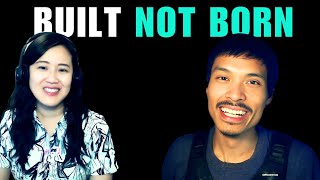
Robert Ta interviews Dr. Serena Huang about immigrating to the U.S. at 13 and building a career in AI. She discusses leaving corporate roles to start her own business, the mental resilience required, and how her core values shaped her path from immigrant to entrepreneur.
If you haven't been to the verge of getting sued, you haven't been in business long enough or. Or have the urge to sue someone. Well, I was born and raised in Taiwan. The first part of my life and I moved to the U.S. i was 13. I thought, okay, it's hard to get a job with psychology. So I switched to business and I realized I did not like accounting at all. Then I switched to Spanish, thinking I was going to be an entrepreneur, travel the world, and then eventually had to take an econ course as a requirement. I got a scholarship that I couldn't turn down and ended up with my PhD in economics a few years later when GE called and said, hey, we're building people analytics team. It's called HR analytics at the top. Why would you like to come fast forward a few years later? Most recently, about two years ago, I started my own company and left the corporate world.
Everybody, welcome to the ABCs for building future podcasts. Today we have on myself, Robert Tsar and a friend of mine, Dr. Serena Huang, who I recently met at the sidebar summit. And she is doing all sorts of cool work around data people, data AI. We also learned that we're both fitness and longevity nerds, so we got along really well. As the audience knows, y' all know that I'm really into that building in that. So I'm really stoked to meet a friend who is also a founder. And on this podcast we bring on people doing big things with big stories to tell. Serena definitely has a big story to tell. Serena, I think the first thing I'll just start you off with and I'll ask you to give a deeper intro of yourself is can you give an overview of the defining points of your life after a quick intro of what you do and how you got here?
Sure, sure. Thank you so much for having me. I had a great time meeting you and chatting about health and fitness and I. I can't wait for the audience to share their notes with us after this episode too. Well, I was born and raised in Taiwan, the first part of my life and I moved to the U.S. i was 13. And so I think that's one big moment in just picking up your life and moving. I moved here with my parents at the time and then a year later they went back to Taiwan and I decided to stay by myself with a new family and I found the American host family who were amazing, took really good care of me. We're still in touch today. And so I actually had two sets of parents. I'll say so those, those were big moments as a child. And then getting to college, I, I had four different majors. I couldn't decide what to do. I started in psychology. I was really interested in learning about what people are thinking, about how they make decisions. And, and then I needed something, you know, more practical. I thought, okay, it's hard to get a job with psychology. So I switched to business and I realized I did not like accounting at all. And so it was a required course. Then I switched to Spanish, thinking I was going to be an entrepreneur, travel the world and, and then eventually had to take an econ course as a requirement. And I loved it because the professor was just amazing and explaining their concepts and I felt like, wow, this is like the art and the science, the math and the heart. And I loved it. So I became an econ major, graduated with that, and then I was determined to not go to grad school because I was like, oh my God, I'm tired of school, let me out of here. But, but then I got a scholarship that I couldn't turn down and ended up with my PhD in economics. And so I think those were some of the big moments. And then I was going to, you know, pursue academic research, maybe go to a think tank, live and work in D.C. but then it was right after the Great Recession and all those opportunities were cut, so I had to get a real job. My next defining moment is when I got into consulting and I was like, okay, I'll stay open minded. It's a job. And I loved it. I was surprised by just the diversity, how much you get to learn. And then a few years later when GE called and said, hey, we're building people analytics team. It's called HR analytics at the time. Would you like to come? I think that's another moment of, wow, that's a big pivot away from consulting. Because at that point I was like, oh, I'll be a partner at Deloitte and whatnot. My path is set. Not so fast. Yeah, fast forward a few years later. Most recently, about two years ago, I started my own company and left the corporate world. And after climbing the ladders for many years and yeah, maybe recently, what was that like? What was that part?
I want to double click into so much of this, but I think in particular the audience would be interested in hearing how did I go from, you know, cushy big tech job to even thinking about quitting and doing my own thing. And could you take us through that in a bit more detail?
Right. You know, it's funny, I Think people always ask me, how did you know when you were ready to leave? I don't think I knew I was ready to leave until I was in the middle of a conversation where it's the chro. And it was just a regular one on one. And I have been doing some soul searching, if you will, during COVID just like everyone did. And I started working with an executive coach and a therapist as well. Well, to work through some things. And I noticed that I was spending majority of my time in things that I didn't necessarily enjoy. So. And you know, it's just the nature of things. As you get more senior, there's a lot of things to handle. And I wasn't really doing data work anymore. Basically stakeholder managing every single minute of my life. And while I got good at it, it also felt like, gosh, I didn't go to school for this and I don't want to do this forever. And so I asked myself what really brings me joy? And there were two things that stood out. One is public speaking on life stages, preferably, and seeing those light bulb moments go off and people coming up and say, wow, I learned something. I'm going to try this immediately. That was super. You know, it resonates with me. I can relate. So those were the moments. And then the other is content creation. And I consider writing also a form of content creation. So blogs. I started a newsletter and started creating fun little videos on YouTube about health and fitness. And I remember just how much joy I had doing those things, even though I wasn't getting paid at all. And I had to carve out time on weekends and evenings to do those things. But. But yeah. So I think I got to a point where I was like, I wonder if I can make a living doing just things that bring me joy. And during this process, I also got a really helpful tool. I printed out a copy just so people can see too. It's called Pie of Life. Have you seen Pie of Life?
No, I haven't.
Yeah. All right, so this is not like a fancy version of it, but you can look it up. Basically, you picked out your color and how you're spending your time. Are you spending this time in, you know, health? Are you spending this time in family, Spending this time on career or alone with people like, you sort of map out how you spend your time and then you think about, hey, is that really how I want to live my life? And I did that and realized, wow, I'm spending very little time doing things I want to do. That really brings Me, Joy. And, like, really in the middle of the conversation. And this is probably after two, three years of friends consistently telling me, serena, I have seen you speak on stage. You need to get paid to do this. Like, go on the tour and go around the world and share these experiences with people. And I thought, oh, no, no, no, that's. That's not me. I don't want to do that. That's so public. And, you know, I'm like, I'm happy to speak for free at conferences and just connect with people. It's it. Until I think one day someone reached out and was like, hey, I want to hire you to do this. Very specifically, can you get approval from your company to, like, is there conflict of interest? It's sort of similar industry, but not quite. And it, like, planted a seed. And I went back to that person. She's a partner at the law firm. And I was like, I just want to thank you for planting that seed, I don't know, five, six years ago, to let me know that maybe someday someone will hire me for doing things that I love, that I'm good at. And I give her a copy of my book. So anyway, so I think it's all those things that build up, and I started to think about it more. And then one day, I was having a conversation with my chro, and I basically said that I think I'm ready to do some other things. Additional things, like, I like the job, I'm good at it, and. But I know I want to do other things that, you know, brings me joy. I didn't say bring me joy, because that sounds weird to a chro, probably, but, like, yeah, like, he knew what I was talking about, so. But then basically, we couldn't land on what might be next for me, and I realized, and it's not the company, and it's not him. It's not the team. Like, there wasn't another job that I wanted to do inside the company, and not just within that company, but just in general. I wanted to see if I could do speaking content creation for a living. That's it. So I landed with ending that conversation about transition plans, and I gave them three, four months, and it was, yeah, was just ready to go in.
What was the feeling leaving that meeting?
Relief. I think it was relief.
Yeah.
For the most part. I think there was a little bit of, like, I'm terrified as well, but most of it was a rock is off my shoulder. Yeah. And also, you know, after. After that, I started to feel excited. Like, I was visiting Family in Seattle at a time. And I. I told my aunt I was with. It's like, so I think I just quit my job. She's like, what. What's the next job? Said, oh, I have nothing lined up. Oh, yeah, yeah. She was. She was terrified. This is like, yeah. Elderly.
Worse. Oh, yeah. They just want to see, you know, the younger people just secure, steady, go through the capitalist wheel motions. Like, just be safe. Don't die.
Yeah, yeah.
That probably gave her a heart attack.
Right? Right. For sure. Yeah. So. So I think, like, I. I'm a very intentional person, and I also consider myself very disciplined. So that was not how I planned on leaving. I think I was like, okay, I'm gonna build. Build out a plan. I'm going to make sure how much Runway I have all these things and maybe get along if I need a long and. But nope, it was like. Nope. It just. Like, it just happened. Wow. I guess. Here we go.
Wait, real quick. Right there. You mentioned you're a very disciplined, like, constructed, planning person. I also see myself as such. So it's kind of interesting. In this transition period, you were like, just totally. Just didn't go that way. So are you still structured and stuff in your current work, or was that a transition from superstructure, discipline, Serena. To a new mode or new era?
Yes, yes, and yes. So I think. Definitely. I think there was so much structure and discipline that I had imposed on myself over the years that there's parts of me that wanted none of it that was like, I just. I don't want this anymore. I can. Yeah. Take naps if I want to at 10am and I can take PTO on the Thursday, you know, and it doesn't have to be a long weekend. I mean, I think there's a lot of that initial sense of freedom that a lot of entrepreneurs must feel that I definitely felt. So I went through a phase of, like, okay, anything is possible. Let's just do whatever. But then I think, just at the core, I am more structured and disciplined as a person, so I need it. So, you know, as I got busy, I started blocking things. Like, you know, this time is. Is for workout. This time it's for reflection, and this time, it's for uninterrupted lunch. No. No. Social media. And I went back to that. But I've also learned to appreciate spontaneous spontaneity that I don't think I did before.
How so?
Gosh. I think, like, with entrepreneurship, there's so much more chaos than in a corporate world. So much can happen in A day like, it forces you to just be okay, be. To be open to new things and be less rigid. And when things don't go according to plan, because they won't, you are still okay. So, you know, being spontaneous could mean, like, hey, a client canceled this work. Well, that really sucks. Instead of feeling really terrible about it and beat myself up, I'm going to enjoy a spa day and just chill or ask my friends if they want to hang out on this free day that I suddenly have. And I think those type of mindset shifts weren't as easy at the beginning. Yeah. And it took a little bit getting used to, so I think it's different. But also the core elements are similar.
Yeah. Thanks for sharing that. I'm kind of picturing, you know, you were this, like, caged bird, and then you became free, and then you really enjoyed that freedom and you were like, well, I do like some of these things. I do like that little thing being there all the time, or my little feeder, you know?
Yeah.
So cool. That's interesting to hear about that transition. Well, one thing I want to double click into. When we first met, you told me that initial story of, like, didn't have a thing lined up, didn't know if I can get any leads or sales or whatever. And then I think you almost immediately got like, a sale. Right. Or some. Some requests. Could you. Could you walk the audience through that experience? Because it went from, like, talk with the coturo big rock lifted off my shoulders.
Yes.
And at the same time, kind of, what am I doing next? But I feel good. So then you got that first fail, I think, way quicker than you had originally expected when you told me. So I'd love to hear more about it.
Yeah, definitely. Yeah. So I think I. Yes. So I announced my business in. Was it February? And I said, hey, data with Serena is born and I'm ready to speak, train, do consulting, content creation, brand partnerships. Those are some of the things that I knew I would enjoy doing again with no idea whether or not people were going to pay for it. And instantly, I got so many messages right away that I was booked all the way to, I think October, November that year with speaking engagements, including on different continents, and ended up going to 30 cities within those few months doing speaking engagements that I love with different audiences. Yeah. And I, like, almost got no break. And it was really shocking, but I think. I think it was it. I did get messages, right. Like, by. From people who I'm sure mean well, but they sort of describe that as like, oh, you are so lucky you are overnight success. And, and, and it's like there's no such thing as overnight success if you ask me. And if you ask any entrepreneur, any founder was built anything, they'll probably tell you the same. Right? Because prior to that I had been speaking for years on stage. I had been doing workshops for the corporate clients internally at different levels on those specific topics for many years before. Right? Yeah. So it wasn't starting from zero, it was just like a different audience. So I was getting paid through a salary to do some of those things. And now instead it will be a different channel. And I think, yeah, and I think I reflected a lot about what our perception is of other people's success too because it always seems so easy and we don't see the hard stuff. We don't see when contracts get canceled. We don't see when the flight is delayed and trapped, when you're in a.
Fetal position because of whatever insert XYZ here. That happens in startup life, right?
Yeah, yeah, exactly. Like so seriously, today nothing at all works. Nothing works great. This is gonna be all those days. And you know, like I, I, I am pretty transparent about difficult things because like that was really core to my content creation philosophy is like, I don't want to paint this picture of a perfect life of going from zero to a thousand in two days. And, and I also do acknowledge my luck. Like, I think that's something I wish other people would do more to. I always really admire people who have been successful and say yes, luck played a role in the timing and the success and the funding I got and whatnot. Right. You can be building the best product and maybe timing is just terrible. No one wants it right now. Right. And two years later it could be the perfect thing. So I think I started to work with AI for example, when I was in, in my corporate roles, right in where I had data scientists on my team and we started to vet and implement AI based technologies in HR hiring. How do we recruit better? How do we find people who are good fit for these jobs using AI, right. And then at some point I was like, this seems really easy. I don't know what the vendor is selling. I bet we can build our own that's even better. So I even attempted with my team, like that's build this AI screening resume screening tool and see if we can do a better job. So I had started all that years ago and I feel like now I do a lot of gen AI strategy with different companies that are advising with their upskilling efforts and I do feel lucky that I had done all that work prior to that so I could understand the difficulties, the importance of governance, the importance of data quality and how to ask the tough questions to vendors and things like that. So, so yeah, I think there's.
You did a lot of the work. It wasn't, it wasn't overnight success. It was like.
Absolutely not.
If you think about step functions on a graph, right?
Yes.
Like think about the long grind of building all these skills and then.
Exactly. Yeah.
When people think overnight success, they don't see this, they just see that.
That's right. Yeah, that's right. That's right.
And I'm curious because I experienced some of this too in interviewing other founders, but it's kind of lonely and especially transitioning from not being a founder and you don't have founder friends and you just have tech worker friends. Then you go from there to become a founder and you talk to your previously 9 to 5 comrades and they don't get you.
They don't, they don't.
Yeah, that's what I found. So I don't know if you, you have anything like that.
Yeah, absolutely. And I think it hit me very suddenly one day. I don't think I realized how different it was, but it was like one day I was saying something about, you know, it was a situation where I had a really rough time. A few clients had signed and then suddenly canceled the engagement and. And then suddenly I'm like, oh, what am I going to do with my time? And should I chase down some more leads? Should I try doing, I don't know, some sort of special marketing to get this to work or should I get a part time job? I don't know. And then I think I had a conversation with some friends and then again, there are W2 employees and even though we have similar more senior level roles, some of them had said, well, at least you don't have to ask for permission to get PTO anymore. And I was like, true, but the trade off time off's not paid though. It's not like that doesn't pay for my mortgage.
It's not pto, it's just TO now T o.
Yes, it's upto. Any TO is upto.
So that's all.
Yeah. So I think like that moment hit me really hard because I thought, oh, it's priorities that are not the same. Your perceptions, your experiences are so different. So it's definitely lonely in that sense. So I started reaching out to meet new people and including people who do content Creation or people who are thought leaders and do speaking things, writing for a living, and started to expand that circle and. Yeah. And so right now it's just taken more intentional work to do a different kind of networking and, and then support each other in different ways. Right. Like when you're working the same company and you can, you know, sit together and complain about the boss or the new policy about rto. Sure, great. But it's not the same as like, hey now, I, I can't seem to get this small business loan approved. Like that's a serious problem. What if I, you know, if I have payroll pressure, what am I going to do? Who has the experience to, to make some kind of magic and like those really, I would say high stake problems and have people who can answer those quickly or like, hey, I think this is a bridge of contract. Should I get a lawyer to deal with it? Is that worth my time? How much is that going to cost? Those really real problems that we all face is something that you need, a support group who's willing to tell you those answers and help you out in the meantime. I always say like a joke, but not a joke. I feel like if you haven't been at the verge of getting sued, you haven't been in business long enough. Like, or, or have the urge to sue someone. Right.
You never even think about this stuff when you're a nine to five. Yeah. Then you got to the, you know, do your own thing and then all.
Of a sudden, yeah, that liability and you.
Exactly, exactly. So, so I'm hearing a lot of intentionality. I'm hearing a lot of the struggle and the, you know, come up and you've had to make a lot of effort to find people, to find the right network to support you in this chapter from a very deep, different previous chapter. And so my next question is really about what are your core values and why are they your core values? And I'm hearing, even just the way you talk, it seems like gross mindset, seems like learning. It seems like picking yourself back up and moving on anyway, it sucks. Resilience, grit and intentionality. And so I want to go back to the start of your journey. You said, you know, you came over here and your parents went back and you decided to stay. And so that, that's a very bold move. And I'm hearing a journey full of bold moves, honestly. And so I'm curious, both like, is, was that your very first bold move? And like, what drove you then? Were you, you know, a lot of this arena, I'm talking to today that has, you know, done these things. Like, did they have origins from that choice you made back?
Yeah, I think so. I think it's. Maybe it's the longer term thinking in me that I've had since I was young that drove those choices. And because, like, to me at the time, it didn't seem bold and courageous. Right. I just felt like this is, of course, the better choice because I wanted to go to grad school or even college in the US and my logic to my parents who didn't want to leave me here initially was that, hey, it just simply makes more sense. I can continue to. Like, mind you, I came here, I didn't speak a word of English, so I was like, hey, it's only been a year. Let me continue to learn the language and I'll get better so I can be prepared for school and, you know, like, the culture. I can assimilate and learn about the American ways. And the other piece was I actually have family, like, like I said, on the West Coast. And I chose not to live with them because, again, my argument was then I would continue to get really good at Chinese. My English wouldn't get any better, so I wanted to live with an American family and have the American experience. And they thought. They thought I had, you know, certainly gone crazy initially. But. But I continued to make my point and I said, look, this is better for the future. And I didn't fully realize what kind of sacrifice and difficulties I was going to run into at that age. And if I had known, I would not have done it. If someone had told me, like, hey, it would be impossible for you to, like, do simple things like go to the bank, drive a car, and you're gonna. You're gonna have to navigate these things. And even if you can't, if you only speak, like, 20 words of English, it's going to be pretty difficult. So you. You have to pick up the language really quickly. Can you do all those things? I will be like, no, take me home. But. But that's part of, you know, they say ignorance is bliss, but I had this vision of, you know, I want to go to school here, and to make that happen, I need to do these things. And I think I can, but I didn't get the full picture. The same with entrepreneurship. If you had told me all the horrible things that could happen, I would be like, no.
Oh, my God, don't.
Don't sign me up for that. Right?
That is so hilarious.
And also, I'm a firm believer. Choose your heart Right. Have you heard that before? Look, life is hard. Employment is hard. Being unemployed is hard. You got to choose your heart. Being married is hard. Being single is hard. Being divorced is hard. You gotta choose your heart. And the same with, you know, staying this country as a child who have limited English capabilities, hard. But so is going back and then trying to come back again for school. That's also hard. Right. And so I chose. I chose my heart. And sometimes I had moments of regrets. Most of the time I don't, because I know I can't learn what I have learned without it. And that's always my encouragement to people I coach now. And even when I run into difficult situations, it's like, okay, this is not great, but how am I going to choose my heart? And then once you choose, you go with it.
Have you always had that? Which is. Even when you were a kid, you had that quote in your head, which is choose your heart. Or is that more of a recent. Okay, okay.
Yeah.
So. So I was gonna ask subsequently.
Yeah.
What mental tools do you have to flip that switch to be like, this sucks, but I like it. This is gonna be great because I got my own. And I think every founder, if you. If you're gonna try, if you're gonna succeed, like, you gotta have the mental tools because it's a mental game.
Yeah, definitely. I think that choose your heart is a good one. I also think about basic things, like what's important to me. And you asked about my values, and I think you got. Yeah, I think you are spot on. I don't know if you've done this values card exercise. I highly recommend it, but please send.
That after because I'm a nerd about these things.
So basically, yeah, there's like a deck of cards you can buy and you lay them all out and basically you sort through them until you get to your top five to 10. And that's like, what's important to you as a person. Not what you think other people will find it admirable about you, but, like, what's really important to you. And after going through a lot of these changes recently, my five, I actually keep next to my laptop. And it's like I use them as my North Star, like when I'm deciding between speaking engagements. Like, right. Of course, event season is always the same every year. And then on the same week, you will have multiple possibilities and you have to decide. Right. Then I use them as a North Star, deciding which one to take on. And now I'll show you what they are. Like, it's can you see? So autonomy, you won't be surprised, but health, honesty, safety, and most importantly, play. So, yeah, so I. So I. Right, yeah. So. So that's my North Star on what's important to me. And everything I do needs to be. Needs to have those five values in. @ the center. You know, am I. Does this feel like play to me?
Including. Including relationships, like friendships, family connection.
Yes.
Okay. Yeah, that's a hard one with Asian immigrant family, at least I found.
Yes, it is. And oh, my gosh, it's. It's so hard. It's so hard. And this is. This is a slight tangent, but which one. Which one of these do you think is hard for Asian relationships? Asian families?
Those. Those five. Yeah, autonomy is probably. My mom is always questioning my decisions.
Yeah, yeah, exactly. Right. Yeah, right. Yeah, Very, very true. So. And. And I started to do some more, you know, just research in general on Asian Americans and like the different generations. And. And I think there's the communication style that's really different. So for me, I think honesty is the hard one. And it's not sort of honesty. It's like the level of directness that is acceptable to an Asian parent. You know, it's very different than someone who grew up here. And it's used to like, hey, that what you did there wasn't very cool. Can we talk about it? This will never happen. And, you know, you don't go back to your parents, say, oh, hey, remember how you left me at home all by myself? I'm really traumatized. We need to talk about that. According to my therapist, no one is having that conversation. Okay, doesn't matter.
Go get your A plus. What are you talking about?
Yeah, you are fed. What are you talking about? So. So I think, honestly, yeah, to me, like, I. I am a very direct communicator and I've always been. And that is not everyone's style. And especially with Asian parents and elderly, like, that's sort of. Yeah, it's sort of difficult. But autonomy as autonomy is really hard in a corporate world. Autonomy as an entrepreneur is much easier. And so I always think about. Think about that as well.
Yeah, I'm that one on that one. There's something that Brian Chesky said, which is an employee at a company doesn't truly want autonomy. That's what he said. It was a very controversial take, especially for chros and chief people officers. He was basically saying to employees, like, you don't need autonomy. You don't actually want that. And he said, if you wanted autonomy, when you got to go pay people for payroll and you don't have money. Do you want that level of autonomy? You want that autonomy? Yeah, go get it. Go be an entrepreneur. That's how you get the autonomy. Yeah, when you said it that way, I was like, actually, yes, I agree with that take.
That's funny.
The autonomy doesn't come for free. That's what it's not.
It's not.
It's freedom, but it doesn't come for free.
That's right. That's right. Absolutely. Yeah. So. So I think that the values really helped me think about how I want to live my life. And I have to keep reminding myself and. And then it also gives me a framework if I'm turning something down, like, hey, I can make this girls trip to Napa. I have a, you know, framework and everyone knows I use these values and.
I'm gonna steal this and use it in terms of framing my decisions with my friends. So I actually have my own core values written down in a different way. I'll share that with you. Or yeah, I. I could share some of it right now if you want to hear it.
Yeah, yeah, right here.
I kind of. Because I'm typically. I don't know, I could be a workaholic nerd. That's just who I am. I'm really into growth too and always trying to improve myself. Something that I am such a nerd about to the degree. So I had this, you know, you know, in corporate or for work, when you're rallying teams and stuff, you've been a leader, right? Like you got to have like a purpose, vision, statement, mission statement, whatever those are. Creative statements. Myself. And here's. Here's an example. So my purpose statement. I aim to create a lasting, positive impact on 5 billion people in the planet that last after I'm dead.
It.
And to do this. To do this, I will always strive to. Here's. And this is where I inserted a bunch of core values. I've always tried to try to try hard every single day at everything, even relaxing. Love and take care of myself first to be my best self for others. Help everybody. I have the capacity to. And leave a positive impact wherever I am. Be a forever learner and keep a beginner's mindset. Breathe mindfully to cultivate peace and happiness. Think bigger picture. Live with purpose, intention and autonomy. Appreciate the little things and give back to the universe. Befriend and acknowledge ego. Lead with honesty and authenticity in both rationale and emotion. Constantly lean into discomfort to stimulate growth. Love with My whole heart. Like Nibbler and Poppy, a couple dogs I had, like they taught me, do not allow the fear of what if to ruin joy of what is. That was a condition. Yeah, I have a bunch like that and then I have a few. And then I have a few identity statements is what I call them. I didn't see this written on anywhere. I just created it. But my belief is that we are all fragments of identities we hold together into a big mirror, Right?
Yes.
And we keep refining it. The more time and effort, thought or energy we put into identities, the more they become like as we do, as we think we become. So that's my philosophy of life. And so one of my identity statements is I am the most disciplined person who makes choices to nurture my long term self. I felt like you could relate to that one.
Yes. Yeah, I might steal.
Yeah, yeah. Yo, I'll send you this after. Maybe you could steal some of this. Send me yours, I'll steal some of yours.
Yeah.
Here's another one. I'm a poet who uses the art of wordplay to convey complexity and emotional experiences to better self express and regulate. I am an always optimist and my ability to find the positive in any situation never wavers. So it's like 20 things kind of like that.
Yeah, yeah.
Whenever, whenever I go through, you know, I don't know if you get this. I certainly talked to other founder friends who get this, where you get like these almost manic depression waves where you're like, oh, I'm so excited. Everything's going. And then boom, something happens. Boom, another thing happens. Boom, another thing happens.
And then three times a day.
Yeah. And then you're like, I just got that phone call. This cancel. Oh man. Just get beat up. Right. And then you have this micro depression and you're like just trying to get out of like, I just need to go to the gym. Like my spirit is down. Right. I always go back to this document and read what did previous me say? In a lucid state, unhindered by flight or fight kind of stress. And it helps. It helps a lot actually.
Yeah. Yeah, definitely. Oh my gosh.
Is that how you used yours?
Sometimes I think, I think where I. When I'm down, what I've done is I go back to messages from, you know, clients, colleagues who share how I've made an impact. And just to remind myself. Yeah. Because I feel like, I think it depends on the degree. Right. Like if I'm so down that then my data brain is going to go off and Find all the evidence of, like, you are not doing great. And then at that moment, I need to counter it with facts that I cannot argue with. And, you know, it might still be like, oh, that's just. Okay, that's not. That's not five stars, you know, and whatnot. But. But it's a lot better than me trying to tell myself things. And, I mean, maybe there's something to work on, but it's just, like, I found that to work for me. And I will remind myself, hey, remember how far you've come when I'm doing that too, because I think progress is something we need to continue to celebrate, and we don't really pause and take the time. And that's something I've been trying to do a little bit more, like, every week. Celebrate something. Doesn't matter, big or small, but you've gotta find something that. That you want to celebrate this week. Right?
Yeah.
And it can be as small as you. You know, you are down and now you got out of bed, went to the gym. It's good, right?
Yeah.
Yeah. Or you fix a bug, right? Like, you don't have to do shipping features to celebrate something, but something on a regular basis. I think that's really good for us.
I think so, too, psychologically, because. And philosophically, taking a step back a little bit, I'd love to hear your thought on this. I have this belief, or maybe this philosophy that humans, we're naturally complacent. We get used to a standard of living, and then we get complacent about it.
Yes.
And I think that is, like, I call it the complacency demon.
Yeah.
And I think you have to fight it. Like, I go fight that every day with my morning routine. And so. Yeah. Do you subscribe to that idea of, like, you gotta pick gratitude. You gotta look on the bright side. You gotta fight that complacency demon. That's certainly how I look at it.
I think I do. I would say not everyone needs to, though. I think.
Tell me more.
I think complacent has such a negative connotation. Right. Like. Like, we always have to be growing, and we also have to be getting better. But some people don't. And they are. You know, like. I guess my philosophy is, if you're happy with that, and that's your business, it is not up to me to try to get you to grow and not be complacent. If you're happy being complacent for the next 25 years, who am I to say you are living your life the wrong way and I won't live myself my life that way. And that's my choice. Yeah. And I don't know because I, I think in, in a lot of my conversation with strangers over the years, I've just come across people who seem complacent. Right. Or who would fit, like if they talk to one of us would be like, oh yeah, super complacent. And, and they're really happy and fulfilled and they have a good life, you know, in their standards.
Real quick, I would say how I define complacent just now might be different than the way that you perceived it. So.
Okay, let me just.
So when I say complacent, I mean like somebody who isn't even grateful for life, like, who isn't even grateful to just be here. Not, not that you have to go push yourself every day to self actualize the best person ever. Right. It's more like do you even just like what you have? Like we got one ride in this life. Are you even enjoying the ride? Right.
Yeah.
I think growth and self actualization is on a curve. Right. It's sort of like crossing the chasm. More like adoption technology lifecycle curve. Right. Like how many people are ultra biohacker longevity people, nerds that are going to therapy every week turn self actualized ghost mindset all the time, writing books like being athletes. That's like 1.5% probably.
That's right. Yeah.
And I'm saying actually most people could just do better with just a minute of meditation every day. Just appreciate what they have. That, that's really what I'm saying is the complacency demon I think tells you that it always is. Like, oh, there's more out there that you don't have. There's gaps in your life. Like, yeah, it's the, it's the thing that drives the whole keeping up with the jones in or the capitalism wheels. That's how I think about it. I mean.
Okay, okay.
There's certainly. Yes, there's something part of it too where I think there's levels to it where when I've been depressed, for example, I feel pretty complacent about life. I tend to look at the bad things.
Right.
And one of the mental tools I have now and always go back to is I just think about my great grandparents worked in a rice paddy. I get to just click keyboard buttons and make more money than I ever did. What do I have to complain about, you know? Yeah, like that helps. That helps me in particular keep the complaint.
No I think, I think the gratitude is an under underrated tool. I wish. Yeah, I wish gratitude was taught in like, I don't know, preschool and require curriculum for, for people in, you know, K through 12. I think we will be a very different generation if that was the case. But I remember in like, I remember this research that found you can't, like, you can't feel grateful and anxious, you can't feel grateful and sad. Like, that's one of the things that is so strong and powerful when you are truly feeling gratitude. You are in. You're in that gratitude zone and you can't feel anything else. I don't know if it's true for everyone. It's been true for me. And so when Covid hit and everything was really difficult, I started a group chat with friends where we're just sharing gratitude notes every day. It was like something simple that we're grateful for. It was like, I got up this morning, I didn't have Covid. I'm grateful. Okay. Yeah, I have coffee, you know, in my house and water. So I can make espresso. Great. What else is there to complain about? You know, when Starbucks open back up, I'm like, I have a car. I can drive to Starbucks. But, you know, and, and it doesn't take a lot, but it takes a different muscle than what we've been trained to, to use. So, yeah, I really wish that was a life skill we were taught earlier.
We could be the change that we want to see. So actually, quick question. It can be, what are you grateful for lately, Serena?
Oh, I am. Gosh, I'm grateful for the new communities I found, you know, really, you included. So many people I met at the sidebar summit were just amazing and like high achievers who are also humble. Like, how is it possible? I don't understand, like, how are you not standing on some stage and shouting out all these accomplishments? Anyways, so the new community for sure. And I think anyone who has shown interest in talking to me about the controversial topics like the intersection of AI and well being and inclusion, I've been really grateful. Yeah, because I think it's. It's. It's not mainstream. Like, it's, it's like. Well, I don't know if it's mainstream or not. Who am I to say? But, but, but yeah, it just, it means a lot to me. Research that I've done and people are interested in it. So say those.
Thanks for sharing. I'll share one. I lately have just been grateful for being alive and just existing and Having the opportunity to exist.
Yes.
That is something that I just go to. I'm like, okay, at least I'm here to have, quote, bad experiences, right?
Yeah. Yeah.
So on that note, I would love to hear more about what you just talked about. The intersection of diversity, equity, inclusion, people, analytics, AI, workplace, well being, all of those things.
Yeah, yeah. So I recently wrote a book on the topic at the intersection of all those three things that you mentioned. And the core of the book is really that you can't have well being without inclusion. Yes, yes.
That is something that I just go to. I'm like, okay, at least I'm here to have, quote, bad experiences. Right?
Yep. Yeah.
So on that note, I would love to hear more about what you just talked about. The intersection of diversity, equity, inclusion, people, analytics, AI, workplace, well being, all of those things.
Yeah, yeah. So I recently wrote a book on the topic at the income intersection of all those three things that you mentioned. And the core of the book is really that you can't have well being without inclusion. You might even have. Have a little postcard coaster. Not a postcard. Yeah, and that's, that's kind of the main message I was, I had a hunch on. I thought, hey, these two things are connected. And in HR functions, a lot of times they sit in completely different parts of hr. Right. Like usually well being might be part of benefits, could be part of ehs, sometimes somewhere else, but then DEI or however that's called these days that sit somewhere else and they don't talk to each other. And what I notice is both sides of the house have so many initiatives and programs that are thrown at employees and they're coming from the same budget and employees are overwhelmed by things coming their way. And I always wonder, why don't they work together? It seems like the concepts are connected. So I had this hunch that they actually are. And I remember some of the survey analytics I'd done in the past. I found that teams that report higher levels of well being, higher levels of belonging, inclusion, also report a higher level of well being. And of course it's all self reported, right? Like, I'm not measuring their blood pressure or anything like that, but there's always a correlation that's really strong between the two. So I thought, huh, is that just me? And I started talking to people and then I thought, you know what? Of course it's connected. When you are excluded at work, when you feel excluded, whether it's a meeting that you didn't get invited to, a decision that was made without Your input that impacted your career, you felt left out, you felt excluded, you probably didn't feel very good that whole day, probably a whole week. And if it continues to happen, you start to wonder what is wrong with me? Do I have a future here? Why am I not in the group? And so there's a really strong connection between certainly inclusion and our mental health, which we know it's connected to our physical health. So as I started the research I noticed there isn't a ton out there connecting the two. Like academic research wise. There's a lot of books on dei, there are lots of books on workplace well being but non connected the two. So yeah, so that's, that's what the book is about. And essentially I said data is the connection point. Right. And that's how I found the connection. And now with AI we can do much more with the data we have and we can measure things like inclusion and well being in faster and better ways than before.
Could you tell me more about that? How can we use AI? I love all of that set up and I love that story. But how can you know, tell the audience and myself, how can you use AI more towards that?
Yeah. So if you think about it, inclusion, how do I measure inclusion? Like do you feel like you belong? Sure. We can send out surveys and I can ask you do you feel like you can speak up here and things like that, but then you don't know what you don't know. Right. A lot of times when you are not invited to let's say a golf outing on the weekend, let's say a happy hour, that happens, you weren't there, you didn't even know you were excluded. But if I had access to the metadata, let's say, you know, just calendar invites, even I would know to what extent you were excluded from the core group near you. And like that gives me a different kind of signal compared to the surveys. And so I think like there are lots of things that you can do with that more advanced data analytics to map out where exclusion is happening. Is it under certain leader? Is it more likely to happen within certain generations? Is it when the manager and the employees are from different generations or maybe they're from different offices and whatever the situation is and kind of explain the why so that you can create a plan to address it when it comes to well being. Of course again we can do surveys, we can do text analytics with AI now much easier and identify things like burnout signals much earlier than before. Like you can of course look at log on hours when Are people online and things like that. You could also detect that from the text that people are saying and maybe the slack channels and whatnot. So lots of data, lots of opportunities. But you can take a step further and give employees wearables, have them opt in to be part of the analytics and understand sleep patterns, understand are they really sitting in a chair all day and that's really unhealthy. And then do more with that. And so we have so many more opportunities to get more real time data than the traditional way of one engagement survey. Whole year, maybe a couple questions around these really important topics and still really having no idea what to do afterwards because gosh, that's one data point per year. I just think, yeah, we have so much more work that we can easily do now than before because of AI.
Yeah, that's so interesting. I think AI like any tool, like a double edged sword. I think every tool is a double edged sword. You always hit a nail into a wall or you could drop the hammer on your foot. Right? Like yeah. So same thing, same thing with this. I actually saw my previous company Workday got sued because apparently their AI recruiting algorithms are perhaps, and I don't think this is proven, but perhaps unbiasedly ranking candidates based on demographic heuristics, which is just totally not good. And then to your point, you don't know what you don't know. So we don't know the numbers of people and they don't know that they got excluded from recruiting processes just because some AI black box decided one point below, one point deducted.
That's right.
No reasoning. Right. And so I'm curious when you consult with companies because I work as a technologist in the space, like worked at Workday at Dayforce and really high ranking product and technology roles. Oh that they got excluded from recruiting processes just because some AI black box decided one point below, one point deducted.
That's right.
Global reasoning. Right. And so I'm curious when you consult with companies because I work as a technologist in the space, I worked at Workday at Dayforce. Really you I find that not all leaders and in fact most have to be sold on this as like a thing. I don't know, like do you get this where it feels like an uphill battle selling them on? We should use people analytics to make sure people feel included by ranking product and technology roles. You I find that not all leaders and in fact most have to be sold on this as like a thing. I don't know, like do you get this where it Feels like they do their best work so we make the best freaking products. Like to me it's like I just said that one sentence. I bet I could find other people that agree agree but it is hard to find a chief product officer or chief technology officer or chief whatever officer to go agree with that and go do something about it. They may agree in like principle but it's. I find the action part is. Is very difficult. So like how do you battle selling them on? We should use people analytics to make sure people feel included so they do their best work so we make the best bricking products. Like to me it's like I just navigate these engagements, right? Because they it is you're making culture change. That's hard said that one sentence. I bet I could find other people that agree but it is hard to find a chief product officer or chieftain inherently.
Yeah definitely. I think a couple things right like people in the Linux is definitely not as mature as technology officer or chief.
Whatever officer to go agree with that and go do something about it. They may agree.
Let's say customer analytics, right? Marketing analytics. That being around for a lot long.
A lot longer in like principle but it's. I find the action part is. Is very difficult. So like how do you navigate these engagements right, because they it is you're making culture change. That's hard.
Yeah, definitely. I think a couple things, right, like people analytics is definitely not as mature as vulgar. So some companies still don't have a very mature function around that and their leaders might think oh I was just reporting just you know, the headcount reports, that's all you get. It's so much more. So I think there's a maturity there I do want to acknowledge. But then taking that to a step further on things like let's say customer analytics, right? Marketing analytics that being around for a lot long, a lot long inclusion and well being that now of course has become more controversial than before. I found two things. One, people will only change their minds when they're ready to change their mind and there's not enough data and story that you can throw their way if they just don't want to change their mind. So some companies still don't have a very mature function around that and their leaders might think oh I was just reporting just you know, the headcount reports. That's all you get. It's so much more. So I think there's a maturity there I do want to acknowledge but then taking that to a step further on things and those people are probably not my Clients. Right. And that's okay. Right? Nobody needs to have every person in the world as their client. Inclusion and well being. That now of course has become more controversial than before. I found two things. One, people will own light and maybe it's just timing. Maybe two years from now they will change their mind. It's just not today. And then two, what I found to be most helpful is they change their minds when they're ready to change their mind. And there's enough is to not try to solve problems that they don't have is to actually find the problem that that can be solved doing this work. And right, like what were some examples of that? So for example in people analytics, the go to predictive analytics model, the data and story that you can throw their way if they just don't want to change their mind. And those people are probably not my clients. Right? And that's, that's okay. Right? Nobody needs to have every person in the world as their client. And maybe it's just timing. Maybe two years from now they will change their mind. It's just a MIL model people always build. First is attrition prediction model. Who's going to leave when and why? I built four or five of these my own and predicted my own departures. Great, the same works. But guess what? If your company is downsizing and you have no growth coming your way, you are just like trying not today. And then two, what I found to be most helpful is to not try to solve problems that they don't have is to actually find a problem that can be solved doing this work.
What were some examples of that?
So for example, hold on. You are not going to care about a predictive attrition model. There's no way anybody, no matter how many PhDs they have or how great the model is performing can sell the CEO that model. So it has to solve a true business need. And when it comes to people in people analytics, the go to predictive analytics model, the ML model people always build first is attrition prediction model. Who's going to leave when and why? I built four or five of these my own and predicted my own departures. Great, the thing works. But guess what? If your company thinks like well being, it's not so much that if you try to sell to a CEO that hey, let's make everyone CrossFit champions. Sure. No, are we CrossFit? If not, I don't care. Right. That's not the level that makes sense for any normal company. But if your story is downsizing and you have no Growth coming your way. You are just like trying to hold on. You are not going to care about a predictive attrition model. There's no way anybody, no matter how many PhDs they have or how much how great they model is performing can sell the CEO that model. Trying to see things like hey, we're seeing a lot of absenteeism from sickly. We're seeing long term leave because of medical issues. We'll know what exactly because that's private. But we're seeing that trending upward so much so that we are unable to meet our customer needs. Okay. That's a real problem. And your solution so it has to to solve a true business need and when it comes to that is to improve health and well being. Any CEO will listen to you at that point. So I think it's finding those opportunities that make sense and where you can make an impact. And they want to invest because in things like well being. Right. It's not so much that if you try to sell to a CEO that hey, let's make everyone CrossFit champions makes sense to reinvest. That's the sweet spot.
Got it.
So sure. No. Are we CrossFit? If not, I don't care. Right. That's not the level that makes sense for any normal company. But if you're starting to see things like hey, we're seeing a lot of absenteeism from to reflect back what I'm.
Hearing culture change hard really understand the ICP. If it's not ICP where they don't want to change culture. Probably not your icp. Right.
Probably we're seeing long term leave because of medical issues. We'll know what exactly because that's different.
Maybe they're not at the stage of problem awareness that they need to be to be in your bond. And so you mentioned like maybe in two years they'll be ready. Right. Like that makes a lot of sense. And then private.
But we're seeing that trending upward so much so that we are unable to meet our customer needs. Okay. That's a real problem. And your solution.
The other part that made sense was align it with business value of where they see the problems tied to people employee well being.
Right. Something I have learned and I credit to that is to improve health and well being. Any CEO will listen to you at that point. So I think it's finding those opportunities that make sense and where you can make an impact. And they want to invest because admitted this to being part of ge. That was my first corporate job. Makes sense to Reinvest. That's the sweet spot.
Got it.
So at ge, and I'm sure it still is, finance was to reflect back what I'm hearing.
Culture changed hard.
Really understand the icp, meaning nothing gets approved if you, you know, if the CFO is not happy, nothing gets signed off. And so I learned very early on in people analytics that everything I did had to have quantifiable benefit. And you know, icp, if it's not.
Icp, where they don't want to change culture, probably not your icp. Right. Probably different. Maybe they're not at the stage of problem awareness that they need to be to be in your bond. And so you mentioned like maybe in two years they'll be ready. Right. Like that makes a lot of sense.
And then viable ROI and it better be 6 to 12 months and not like 5 to 7 years because I would not get approved. So I had learned to speak that language very early on in my career and, and guess what? I found that money talks everywhere else.
So the other part that made sense was align it with business value of where they see the problems.
If you're able to speak that language of money and show that this is going to either. Right. Something I have learned and I credit this to being part of ge. That was my first corporate job. Make the company more money or save the company more money. If you can do one of those things, you are on the right track. And if you can't do either, just find something. You got to find something else to do.
Yeah, learn that skill, then figure it out. But then this goes back to what you said, which is obviously this was not at ge.
I'm sure it still is. Finance was king, meaning nothing gets approved if the CFO is not happy. Nothing gets signed off. And so I learned very early on in people analytics that everything I did had to have quantifiable benefit and you know, overnight success.
And you were building these skills, cooking in the kitchen, working hard on these skills to even learn how to express the business value of people analytics. Like even that in its in itself like that level of sales ability. Like so true, so true.
I know we're filing more ROI and it better be six to 12 months and not like five to seven years because I will not get approved. So I had learned to speak that language very early on in my career and, and guess what? I found that money talks everywhere else. So if you're able to speak that language of money and show that this is going to either getting over time.
So I'm going to Transition and end it with the last question. I always ask my guests, which is if you had one hour with your younger self just starting your their career, what are the top three things you would discuss with them in that hour? Like younger Serena, pre Ecom, pre.
Make the company more money or save the company more money. If you can do one of those things, you are on the right track. And if you can't do either, just find something. You got to find something else to do.
Yeah. Learn that skill, then figure it out. This goes back to what you said, which is obviously this was not an anything.
How old am I?
Whatever you imagine in your head as.
An appropriate time man. Okay. All right. Oh, gosh. I think my. My number one advice would be it's.
It's overnight success, and you are building these skills, cooking in the kitchen, working hard on these skills. They even learn how to express the business value of people analytics. Like, even that in its. In itself, like that level of it's.
Okay to ask for help. In fact, it takes courage to ask for sales ability.
Like, so true. So true. I know we're getting over time, so I'm gonna transition and end it with the last question I always ask my guests, which is if you have one hour with your younger self, just I.
Hope it's not a weakness. I found that to be really challenging to ask for help. And partially because when I didn't ask for help, I was able to successfully navigate a lot of challenges. So it sort of starting your.
Their career. What are the top three things you would discuss with them in that hour? Like younger Serena, pre Ecom, pre K.
Oh, I don't need to ask for help, but there were times where I could eat anything. How old am I? As for how much sooner and my life would have been much easier and I could be healthier, and I had to really learn kind of unlearn certain behaviors to do that differently. And then the other is whatever you.
Imagine in your head as an approach.
Appropriate time man. Okay. All right. Oh, gosh. I think my. My number one advice would be it's. It's. It's okay to change. It's okay to change. It's okay to ask for help. In fact, it takes courage to ask for help. It's not a weakness. I found that to be really challenging. And it's okay to change your mind. It's okay to change yourself like what you want to do. I think there were lots of moments when I finally got that dream job, finally got that dream whatever to ask for help and partially because when I didn't ask for help, I was able to successfully navigate a lot of challenges. So I sort of became, oh, I don't need to ask for help. But there were times where I could. And then I thought, oh, this is not what I thought it was going to be. Ask for help much sooner and my life would have been much easier and I could be healthier and just not knowing the full picture, right. And it's okay to change your mind. I had to really learn kind of unlearn certain behaviors to do that. What's important to you. And then finally, man, I think differently. And then the other is, it's okay to change. It's okay to change this. How do I put this? Be. And it's okay to change your mind. It's okay to change yourself as compassionate towards yourself as you are to others self, like what you want to do. I think there were lots of moments I think I'm. That's how I'm wired. Many Asian immigrants the same way. Very tough on myself. Like when I. When I finally got that dream job, finally got the dream, whatever, and then I thought, oh, this is not what I thought it was going to be. And. And just not knowing the full picture, right? And it's okay to change your mind on what's important to you. And then I. Very high standards, right? And. And it's like, okay, well, maybe cut yourself a break sometimes. And because I would not hold other people to the same standard. And why not? You know, finally, man, I think some something. Gosh, over time I run into really good. This. How do I put this? Be therapist. I'm not so good, but a really good one told me this one thing and I never forgot. As compassionate towards yourself as you are to others. I think I'm. That's how I'm wired. Yeah. Because I repeatedly said something along the lines of like, I just wouldn't have many Asian immigrants the same way. Very tough on myself, like, oh, other people to this standard. But I think I can do it. She goes, serena, why is that? What makes you so damp? I. Very high standards, right? And. And it's like, okay, well, maybe cut yourself a break sometimes. And because I was special. Excuse me. Would not hold other people to the same standard. And why not? You know, some something. Gosh, over time I've run into really good things. And she said, seriously, let's. Let's talk about it. You've been on this train for a long time. Let's talk about it. Why are you different? Why are you special? Why are you better than other people? She kept going. I was like, okay, I get your point. I'm not so good, but a really good one told me this one thing, and I never forgot because I repeatedly said something along the lines of, like, I just wouldn't hold other people to this standard, but I think I can do it. She goes, serena, why is that? What makes you so damp? And it takes humility. It takes, you know, just a different kind of thinking to acknowledge, you know what? You're right. I'm not different. I'm not a superhuman. Even though I wanted to become superhuman, ultimately, I'm not. And I'm just a regular person special. I was like, excuse me. She said, seriously, let's talk about it. You've been on this train for a long time. Let's talk about it. Why are you different? Why are you special? Why are you better? And I can hold myself to the same. Same standards as I hold other people. I think. Yeah. I think it just. It took so many years of another people. She kept going. I was like, okay, I get your point. And work and. Yeah, and I think so. So much of that was like, gosh, over time, I even packaged that and. And it takes. It takes humility. It takes, you know, just a different kind of thinking to acknowledge, you know what? You're right. I'm not different. I'm not a superhuman. Even though I wanted to become too, like, this is a good thing, that you are different and you are special and you're unique. But then ultimately, it just, like, the bar keeps getting higher and higher. Superhuman. Ultimately, I'm not. And I'm just a regular person, and it wasn't super healthy for me, so I was grateful for the honesty. This therapist was just bold to call it out. And I can hold myself to the same standards as I hold other people. I think it took so many years of work and. Yeah, and I think so. So much of that isn't a. I.
Think we're really similar. We got it. We got to talk more about this. But I think it. I think it's the Asian immigrant background, because I have the same lessons learned. The very last one I have a.
Was like, gosh, over time, I even.
Packaged that question for you, which is, you clearly had not lowered your bar of excellence, but it seems like you're happier. So then how do you. I think. I think that learning to, like, this.
Is a good thing, that you are different and you are special and you're unique. But then ultimately, it just, like, the bar keeps getting higher. And higher. And it wasn't super healthy for me. So I was grateful for the honesty. This therapist was just small to call it out that me.
That I've gotten. And I'm wondering if it's the same for you. Here is how do you keep a high bar of excellence but still be happy?
Oh, I think it's simple. I think if you're living. If you're living in your values, it's easy to be happy.
Yeah, that's.
Yeah, that's a good point. I think that's.
I think that isn't a. I think we're really similar. We get it. We got to talk more about this. But I think it. I think it's the Asian immigrant background because I have the same lessons learned. The very last one, I have a.
And because I'm not spending time and energy on things that don't align with me.
You know, I question for you, which is you clearly had not lowered your bar of excellence.
I. Gosh, it's. I never thought this day will come. But, like, last month, I turned on two big paid speaking engagements because.
But it seems like you're happier. So then how do you. I think. I think that learning what the clients.
Stood for and what they wanted from me just weren't aligned with me. Could I. Could I fake it and. And deliver something? Yeah, sure. Could I use the money? Yeah, of course. Who can't? But ultimately I was like, no, it doesn't feel good.
There's something that I've gotten, and I'm wondering if it's the same for you. Here is how do you keep a high bar of excellence but still be happy?
Oh, I think it's simple. I think if you are living. If you're living in your values, it's easy to think in my gut. That's telling me, yeah, no, be happy.
Yeah, that's.
Yeah, that's a good point. I think that's. I think that's. Yeah. And I'm. I'm proud of myself for saying no, because that's amazing and. Because I'm not spending time and energy. Yeah. Yeah. Because before doing all this hard work, I would have been like, okay, I'll just convince on things that don't align with me. You know, I myself, I would just close my eyes and I would just do it, and I. And it's okay. Gosh, it's. I never thought this day will come. But like last month, so have to tell to them again. But, like, realistically, I'm thinking, nope, that is. You know how many I Turned on two big paid speaking engagements because what the clients stood for and what they wanted from me just weren't aligned with me. Meetings, how many hours I'm going to spend with them. And every time I'm going to be like, could I. Could I fake it and deliver something? Yeah, sure. Could I use the money? Yeah, of course. Would. Who can't? But ultimately I was like, no, it doesn't feel good. There's some. There's the, the low voice that knows you are like, this is not your values and it's gonna get louder and louder. So.
Yeah.
Yeah. And. And your body always knows. I think, I think a big part of my journey has been loving my gut. That's telling me.
Yeah.
No, yeah. And I'm. I'm am proud of myself for saying.
No, because that's amazing.
Learning to trust my body. Learning that I actually know deep inside. Yeah. Yeah. Because before doing all this hard work, I would have been like, okay, I'll just convince myself. I would just close my eyes and I would just do it. And I. And it's okay at night. And because it's a data person, I don't have to talk to them again. But like, realistically I'm thinking, nope, that is, you know, how many cerebral and. And sometimes I try to come up with things to convince my body otherwise. But. But your body knows. Your body knows a lot. Meetings, how many hours I'm gonna spend with them. And every time I'm going to be like, when you are in a.
Your body's got a model. It's pretty refreshed.
Yeah, exactly. When you're in, there's the, the low voice that knows you are like, this is not your values and it's gonna get louder and louder. So. Yeah. And your body always knows. I think, I think a big part of my journey has been situation that you're not comfortable in. And you're convincing yourself deep down, you know, you just are not listening.
Yeah. Yeah. Could I also share a thought and get your opinion for closing out one?
Yeah. Yes.
One of the learnings I've had is you have to separate out learning to trust my body.
Learning that I actually know deep inside. And because as a data person, I'm. I'm very.
Your worth from the outcome of what you do.
Yeah.
And I. It took me a long time to get there. Lots of time. Lots of therapy time to get there. Sounds like you too.
And the biggest thing is liberal and, and sometimes I try to come up with things to convince my body otherwise, but. But your Body knows your body knows a lot.
For me was just realizing my worth is in my ability to put in effort.
Like when you are in a body's got a model.
It's pretty refined.
Exactly. When you're in a situation that you. You don't. You're not comfortable in and you're convincing yourself deep down, you know, you just are not listening.
Yeah. Yeah. I mean, yes, I have a high bar of excellence for the outcome. Sure. But if the outcome isn't what I wanted, but I put in the prerequisite effort that only I know I could judge my own effort.
Mm.
Then I'll feel satisfied if I put it. Could I also share a thought and get your opinion for closing?
Yeah. Yes.
The effort, like that's where I've gone to is no matter what the result is, if I put in the effort that I. One of the learnings I've had is you have to separate out your worth from the outcome of what you do.
Yeah.
And by. It took me a long time to get there. Lots of time. Lots of therapy time to get there. Sounds like you too. And the biggest thing for me was just realizing my worth is in my ability to put in effort like I believe I could put in. Then I feel happy about it. I'm curious if that resonates with you at all.
It does. It does a lot. And that's a hard one. I think that for high achievers and immigrants, all those. It's very hard to unwind. Right.
I mean, yes, I have a high bar of excellence for the outcome. Sure.
But if the outcome isn't and because, you know, whatever it was. Right.
Lots of parents what I wanted. But I put in the prerequisite effort that owns.
Who sacrificed so much for us to be here. And all. All of that is kind of on. On the back of our minds. Right. And no one explicitly said. At least no one explicitly said to.
Me, I know I could judge my own effort. Then I'll feel satisfied if I put in the effort. Like that's where I've gone to is no matter what the result is, if I put in the effort that I like.
We've sacrificed so much for you and you must be grateful and believe I.
Could put in, then I feel happy about it. I'm curious if that resonates with you at all.
No. Pay back by achieving a lot. No one has said those things out loud, but somehow it's somewhere in there. Right. It's in the code. It does. It does a lot. And that's a hard one. And so I think learning to separate work, I think that for high achievers and immigrants, all those, it's very hard to unwind. Right. You're like, you are worthy as a person without doing anything. And because, you know, whatever it was, right. Lots of pairing else, you're worthy simply as you are. And who sacrificed so much for us to be here and all that is kind of on the back of our minds. Right. And no one explicitly said, at least one explicitly said to me, like, we've sacrificed so much for you and you must be grateful and, you know, pay back by achieving a lot. No one has said those things out loud, but somehow it's somewhere in there, right? Yeah, it's in the code. And so I think learning to separate, worse, you're like, you're worthy as a person without doing anything else. You're worthy simply as. As you are. And you don't need to change a thing. You don't need to do anything. You don't need to achieve anymore. You are worthy. I think that was so hard. And growing up as, I think I didn't, like, that's not something I heard from, from family. Like, that's just not. Not the thing. Right. And so it was always like, when you achieve something, then you are met with, you know, great job. You know, like. Yeah, exactly. So you're learning. Oh, that's what I should be doing. And over time, when, when it's all intertwined, like, I must achieve more to be worthy, then eventually you get into a situation where you're like, maybe I'm now sick. I can't achieve right now. Or, or heck, no one should be achieving every single day, all the time. Maybe today I'm resting. That's okay. And it just takes a lot to. You don't need to change a thing. You don't need to do anything. You don't need to achieve anymore. You are worth kind of unwind. So.
Yeah.
Yeah. And, and, and like, I think the best thing I've heard in, in that. So I'll see if this resonates with you is.
Yeah.
If you think about, if you think about a newborn, a really cute newborn that you're holding in your hands, maybe your friend's new baby, you look at this baby, do you think that baby is worthy?
Yeah.
Most people will say yes, right? Like, inherently, that baby is worthy. Okay. That baby is not going to be able to speak, can smile, probably will cry a lot and would need all kinds of help. Completely dependent on the adults. But we say that baby is worthy and we're going to take care of the baby. Why? Because that baby is human. And just because he or she exists, right? That's it doesn't have to do anything else. Doesn't have to be cute or it doesn't have to win beauty pigeons or smile and all of that to be worthy. Like, we're not saying, hey, if you don't smile today, you don't get milk. Right? But, yeah, but like, we, we have this version as an adult of you don't smile, you don't get milk of like, hey, if you didn't achieve this, you are not good.
You don't get whatever.
Right? Yeah. You don't get, you don't get a break until you get this done.
You don't deserve whatever. Xyz.
Yeah, exactly.
You're not good enough. You know, nothing.
Yeah, yeah, yeah. So, so I go back to the baby and yeah, yeah. Or like, even, gosh, this sounds strange, but even a puppy, right? If, if baby is not your thing and puppy is more your thing, think about a puppy. Like, that puppy is worthy and it's, it's only, it's very, you know, it's like not even potty train. But yeah, but think about all the things we're willing to do because the puppy inherently is worthy. So why can't we do the same with ourselves when we have worked so hard, when have we have done so much, overcome all these things? Why do we need to do more to earn whatever it is that, you know, just don't need to be earned? Things like rest, things like relaxation, things like food and vacation and, you know. Yeah, so, so I think about that a lot. And I, yeah, I, I, I'm continuing to work on it. It's, it's definitely a work in progress.
Same here. Let's keep exchanging notes and exchanging accountability over this work in progress over the kind of neural pathways our minds go to be our own enemy sometimes, you know?
Yeah, absolutely.
I loved our conversation, Serena. This was wonderful. Thank you so much for sharing your journey, your transformative moments, your core values, and making space for me to share some of mine as well. It was very lovely. And also thanks for double clicking into your areas of expertise, like with AI and, and people analytics and all of that, and belonging. That was very fascinating. I love nerding out about those things. So we'll have to do a part two in the future, I think.
So. I think we need to, and we'll.
Definitely need to be in touch about the Asian immigrant, the connection thing, because we, we haven't talked about that actually out of the podcast too much. But this is a thread that we should just talk about more because I feel like I could. I could learn more from you and Sounds like you deeply thought about this. I feel with a lot of that too. So.
Yeah, me too. Yes. No. Yeah. Maybe one day I'll have my own podcast and I get to interview you. I think you have even more interesting stories than mine.
No comparison is a thief of joy. That's another one in my case, Serena.
Okay, that's. That's true. All right.
We'll just both. We'll just both be interesting. We'll just both be interesting.
We are. We certainly are. We're both worthy and interesting. Yes.
Yes. Even our inner child, kid, baby selves are working.
That's right. That's right.
Yes.
Yeah.
Thanks everybody for listening to the ABCs for building the Future podcast. This has been an awesome interview with Dr. Serena Hoang. If you are a company that needs people analytics, work at the intersection of AI or employee belonging or you need gen AI strategy help. Serena is your woman. So I'll have all of her links in the show notes. Please reach out to her and if you got any questions, throw them in the comments and we'll get to them. Thanks a lot, Marina and I hope everybody has a great day. Take care. Bye. Bye.










