From Hollywood to SaaS with Darren Fanton, CEO of ScreenSpace
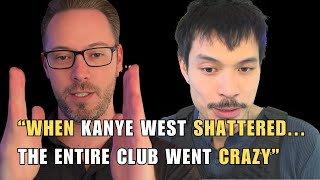
This is a YouTube video titled "From Hollywood to SaaS with Darren Fanton, CEO of ScreenSpace" containing an English podcast-style interview recorded in January 2025. The conversation features Robert Ta interviewing Darren Fanton, a storytelling expert and CEO, about his journey from working in Hollywood on music videos and film to founding ScreenSpace, a SaaS platform for immersive storytelling and marketing. They discuss creative processes, the importance of storytelling, balancing work and life, and the evolution of Darren's career and company. The dialogue is rich with personal insights and professional experiences related to storytelling, technology, and entrepreneurship.
One of the key music videos I ever worked on was Knock youk Down next to Keri Helson. And there's this moment in the music video where we build out and we see Kanye west is sitting next to Keri Helson. And over the course of the music video, he's starting to fall backwards. We cut away and we cut back, and it's building this tension. And in this moment where everything's built in the music video and in the music, and it gets this pinnacle moment where Kanye west shatters. And in that moment in Las Vegas, that's when the entire club went crazy. You're just feeling all the emotions come together. All sense of reality disappears, and you feel like you're actually absorbed. You believe the characters, you're in the movie, and that's what we do. Margota Market. So they actually feel and believe everything that you're showcasing to them.
Normal thinking and normal execution brings normal results. Outlier thinking and outlier execution brings outlier results.
We live and we breathe. Thinking outside the box. I live my life breaking the rules to see what happens. And then there's this moment, and I remember the first time I've ever in my life seen.
Welcome to the ABCs for building the Future podcast, where we bring on founders, entrepreneurs, leaders, researchers, and scientists who are working on big things with big stories to tell. It just so happens that today we have on a friend of mine, Darren, who is in the business of building storytelling software, which I think is so cool. Darren, could you introduce yourself? You know, where you're from and what you like doing? Fun. And then a little bit about that storytelling software business?
Yeah, absolutely. My name's Darren Fanton. I've grew up in the Bay Area, California. Lived in Los Angeles for 17 years. Of course, the storytelling really took off then. And then I moved out to Colorado about 2018 or so. I. I mean, and the reason is because I like to do things that are fun, to balance my. My world in film, television storytelling. And I'm always in front of the computer designing and animating. So I like being outside it. It gets the creative juices going. It gets me, you know, gets the. The blood. The blood flowing. And, And I. I find if I spend, you know, 20, 30 minutes outside, it's a whole different world when I come back and I sit in front of the thing that I'm focused on. So. So that's, you know, mountain biking, hiking, outdoor games with the kids, you know, all the. All the dad stuff that you. You'd find especially for Comradans. Out here.
That's great. No, I feel like nature gives. I have this concept in my mind about happiness points, like for time. Like you spend your time and effort on happiness points and nature to me brings back the most happiness points by just perioding.
It's like a superpower, right. It's like a surge of happiness points. And, and, and when you apply it back to work, it's just incredible what it can do for you.
Yeah, for sure. And then talk a little bit about screen space and that, you know, just how you got even into that at a, at a really high level. And then we'll get into the details later.
But yeah, so it kind of, it, it goes back, you know, to, you know, throughout my whole journey. Right. I, I started off as a kid, I love storytelling and it got me into film and television. That's what pulled me at, you know, into USC cinema school back in the day. And I was always drawn to the Hollywood lights, you know, the idea of telling stories that are just ingrained and hardwired in your brain. And I was a very visual person. I love being creative. I built my first, actually my first website on Flash, if anyone remembers Flash in, in, in, in high school and it was all animated and it's kind of, you know, what screen space almost became today. Shot my first feature film in high school. So I was really in the storytelling world and, and moved down to Los Angeles and started a video agency where we focused on visual storytelling through motion design and visual effects for television and film and, and for B2B marketing. And what kind of where screen space came, came about was, you know, I loved, I, I love being in film but you know, it's, we hit kind of a ceiling, right? We've got a captive audience. I'm working on Dancing with the Stars and Britney Spears music videos and Academy Award winning films. And so I felt like, you know, I loved what I did, but I felt like there's more to storytelling. I could, I could bring it somewhere else. And, and what I found with our, our tech clients is when we create promo to, you know, to B2B good market teams so that they can build their own content. So ScreenSpace's first iteration was a productized version of our agency. We took all the technology that we built, our IP that we built in house to stream production quality promo videos and we put that online so that, and made it self serve so companies can go in and upload their content, build 30, 60 second kind of like Apple style iPhone commercials with music and voiceover and beautiful Experience that's hybrid video, images, interactive content, Persona. You get to pick, you know, the use case and the journey. And as a. We shifted from video into more of a product tour type of solution. Anywhere is moving into that whole idea of thinking outside the box. So screen space has evolved and our customers has pulled us into a storytelling world where we're not just, you know, time to value everything that a buyer needs visually. See, touch and feel where they are today. In other words, feel that pain and then see where they need to be and actually feel that. That journey all right then and there on your website or inside your link to get there. And that's that storytelling of how we've pulled everything that we've learned from, you know, glitz and glamour of Hollywood into this. This thing that someone can get immersed in. And. And we call this a transformative moment in film, the movie. And that's what we do for go to market is we want your buyers to act thing that you're showcasing to them.
That's amazing. I love. I love the form of how you got into storytelling early and then got into film. We're working in Hollywood and then. Did you say you worked on like, Britney Spears or did I. Yeah, we.
Worked on a bunch of. Yeah. Going into the whole idea of visual storytelling, I started directing and while I was still at. I got pulled into the music video world because I wasn't really into dialogue. I wasn't into, you know, character interaction. I love telling stories. A lot of angels and airwaves music videos. We did Britney Spears. I. I could.
It's a.
It's quite a bit of a list. You did a lot of Kanye west back then, really.
Wait, well, name name like a song like.
Yeah, so the. Gary Hilson. So actually one of the. And we cut back and it's building this. This tension of, you know, what's. What's going on here? And then there's this moment. And I remember the first time I've ever in my life seen the payoff of something that I worked on where actually I see an audience absorbing my content. Was. I was in a. It was in Las Vegas at a. At a club. A thousand people. You just lost your picture frame there. A thousand people in the room, and they had these screens up and they were playing the music videos of the songs that they were. They were playing and in the music. And it gets this pinnacle moment where Kanye west shatters. And in that moment in Las Vegas, that's when the entire club went crazy. And it was that first moment that I got chills. I was like. And this was. This is a music video that we got. We signed on at 1pm on a Wednesday, and we had to deliver by 4am that night. Right?
This is Hollywood, right?
So it's very fast turnarounds. Super fast. Right? And so we. We had a conceptualize the idea. We were. We. We're actually. We were on set shooting it in New York to prep for it, but it was supposed to go to another studio that wasn't pulling through. But the. At the 11th hour, we. We were brought in to finish it off. And that. That shot, that moment became a. A very big moment in. In music videos because it was. So it was. It was storytelling, right? It was build. Building each shot. Everything was building on top of each other till you get that. That payoff. And that's how. And that's what I. I coach with my clients.
Is that the transformative moment?
That's exactly. That's the transformative moment exactly is when you. You feel it and you're. You're just feeling all the emotions come together. Um, and. And that's what I coach with with my clients is, you know, that is. You don't want to just give the payoff. Right? If we just had them shatter in the first shot of the music video, it could be cool. But there's nothing. There's no benefit out of it. You're not gonna remember it later. It's that build and connection and getting people to start to lean in and see, you know, what's going to happen next. And you'll see that kind of carry through. Through all the videos that I worked on, the shows, the Dancing with the Stars. We did a lot of work with them, Fox, and. And so everything that we've designed was that kind of vis. And it was all visual of how do we start, you know, with something that's small, that gets people to want to learn more about it. And you're kind of like cookie friends. That's going to pull them in more. And then you get to them that. Get them to that right moment and they hit that aha moment. And then you just, you know, and in the space now, you give them a book, a demo button, and boom, you're in, right?
Then conversion rates, air rockets, if you get it right. That's so cool. Thanks for sharing about your early career and how you got into storytelling and even teaching me something new like that transformative moment thing. I could think about times when I've been so immersed, but I never had a name for that. But there's certainly that feeling and that's so cool to. That you coach clients on, like, you know, really build up the tension into that moment for go to market teams. That's super cool. And it's cool how you went from Hollywood like bootstrapping an agency into. Okay, let's, let's like try to democratize the ability to store.
You want to unpack that?
Yeah, like. Well, actually I have one fun question because we just got into it, but I had planned this one question, so I want to ask this then I would love to get into a lot. If your life was a book, and it sounds like there's a lot of life so far, even in the first 10 minutes of this podcast interview, what would the title be and why? And we don't, you know, at this point it's been 10 minutes of Darren's life and it's already like, oh, Britney's.
Wait, let's ship that back to the audience. What would everyone else. What would the title be for?
Actually, I would love. Yeah. If the audience is hearing this, email me, send me a post or send Darren a post about what would the book title you've heard so far?
I've got an idea, but I'd love to hear and, and, and to, to throw a twist in it. All right. So, you know, back there's everything from backyard, you know, storytelling in backyards, you know, shenanigans with my, with my, my family, to Hollywood glitz and glamour, to B2B marketing and sales. But the one key about this book is it has to be double feature because the whole story that I've told, standing right by my side has been my identical twin brother. So he was my co founder with my agency in Hollywood. He's my co founder today. He's. We've actually only worked together our entire lives. We've never been in a W2 employee of any other company. That's amazing. Yeah. So from day one. So, yeah, double feature. This is a.
It's gotta be a double feature. It's gotta be. I wonder if there are specialists like writers that work with people that have this need, like a twin. Like, you know, we don't be one by rv. We do too. That's our specialty.
It's funny because. Yeah. Everyone's always saying, oh man, if all. If only I had a twin. If only I had a twin. Well, yeah, not a twin. It's. It's. If only you had a triplet. Right? You know, there's, there's always only so much you can do. There's always more you can do. There's always more. And that's what's. And, and that's what's really kind of brought me into the go to market space from film, is I always felt like there's got to be more. I'm just doing more content that's that beautiful people love that, that inspires people. But I knew there's. There's gotta be something to this idea of storytelling that's, that's like ingrained in us that I can do more of. And of course, you know, I, I definitely, at my parents, you know, stress levels when I told them, hey, we started our own agency, we bootstrapped that, we got to the top, and guess what? We're starting over in the startup world. And, and here we go.
Wait, Tom. Okay. There's so many questions going through my head of that part of the journey. And this podcast certainly is about unpacking, like, more of the behind the scenes, like, journeys, big stories. You know, this is really meta because it's a big story about creating a way for other people to tell big stories. Like, that's so cool. Wait, so you obviously love storytelling. Could you talk a little bit about you and your brother? You know, the parallel of, like, that story of, did you both. Are you super into it at the same time? Like, how did you even think about starting an agency? And then when you were at the point of, hey, let's go into tech startup world, like, what was that thought process? Like? I'd love to know.
So we've. I don't know if it's because we're identical twins, but we've always been on the same page. I don't know if it's like we got some telepathy thing that everyone talks about, but I, you know, don't know if I really do have. We have very different personalities, which helps, but we are very passionate about the same thing. And from the beginning, we started in middle school, right? We got our first copy of Photoshop and we started collaborating on. Initially, it was flyers from my mom's book group and evolved into doing all the content for our high school in the Bay Area. And we've always been by each other's side, and I don't know if it's because of that journey that we've learned from each other, but what I know today is what we're capable of doing being identical twins, having the same passion, the same experience, the same background, and also being smart in that. In college, I went to usc, so I'm A little bit smarter and he went to ucla.
You got rivalry, right? Like you just. We got the whole rivalry shout out to you.
Yeah, the Bruin. No, we. And it was actually great. We. We loved being rivals. He would sneak into my classes at usc. I would sneak into his parties at ucla. The people were better at ucla but the, you know, the. I hope my friends aren't only watching this now. But we, we discovered in college when we started our agency, I think it was sophomore or junior year that, that we needed to compliment each other. We did. We. We couldn't step on each other's toes but we loved everything. Right. I loved building very intricate 3D animated environments and moments that. But that would take a lot more time and more backend work. And I also loved slightly more. In fact a lot more eventually is working with the directors working, you know, what's the final look, what's the end of motion and getting there. And we found, you know, from he. What he learned at ucla, what I learned at usc. We started to compliment each other. We knew what where we lived. We started to give each other the areas that we own and it turned out to be a really good pairing and a good relationship in that I specialize in the storytelling and client facing content in the, in the audience. And he specializes in everything to get me there. Right. So he actually my twin brother owns screen space. The product, the design, the flow. That's his world. And I'm kind of everything else. Right. And so we work really well together. If you know, you know, I can talk to him about the strategy and you know, coming out of a customer call and what we need to start, you know, to build in the trends and then he can come back and say well here's a better way to visualize that but get the same end goal. And then he would go and build that into the product. So it kind of. It's funny because what we did in film was so similar in that he was in the back end doing the harder, more grandiose content for our clients. And we always work together on every single, every single project. We've never, we've never been a credit on a film or, or anything where we next to each other.
Cool.
Yeah. And so, and so that. That translated from you know, me being on the more the directing, creative director, client facing side and into the startup world. It's the same. Right. He's in the product and I'm. I guess you'd say the face of the. Even though we have a very similar face.
That is true that is true.
But. But you know, what I can say, and I think this is important for this audience here is, you know, we have a unusual benefit in being twin brothers. Not even just brothers, but twin brothers. We can. We have incredible trust, like, undeniable trust in each other to the point where we often get in great, you know, heated conversations about our ideas and strategy and where we want to go with either screen space or a specific. And. And we can go back and forth, but we unleash everything. We're super transparent in five minutes later, we're best friends again. Right. And it's that transparency that allows us to learn so much. We break down each other all the time. Like you, if you have an idea, you kind of want to hold it close to yourself and say, no, this is right. Right. Especially as a founder, you get. You have. In some ways, it's really, it's really important, especially when you're working with investors and you have a very strong vision, you need to hold on to that. Right. But when it comes to other, other elements that you are holding strong, strong to, but they're smaller projects or capabilities, you always want to listen, you always want to be learning from others, whether you take their advice or not. And my brother has this ability to just break me down where we would. I would just, I'd be strong on it as anyone else would, but we can get into these conversations that allow me to see it in a different way, where normally I might have a brick wall up because I just believe in it so much.
He brings another, like, perspective and gets you to view it in a different kind of perspective or objective.
Exactly. Yeah. And. And I think it helps because we, we do overlap a lot in our, in our vision. And so it's. It's not coming from a completely different direction. Yeah. And, and you know, you also have to think about, as co founders, I'm. My world is different than his. I'm focused on different things. And so getting his fresh eye on something that I've been thinking about for, say, months. Well, usually we talk, let's just say weeks. And, and then I bring him into the conversation from a very unique, you know, he hasn't thought of this idea, you know, before he. It either he can counter it or in what mostly, in most cases, will work on top of each other. It'll inspire an idea that he'll come up with and inspires another one. For me, that net is better than the original idea.
It compounds. It sounds like.
Exactly.
Or your different lenses on the problem.
And our launch next month is the catalyst of that. Like, you know, what we're launching next month is not like any other product launch that's ever been out there. It's very weak and different.
I am so amped to know what this is about now. Are you able to, like, tease at all what this is like?
Well, the campaign. Yeah. So the campaign title and actually, I haven't even told. Told my brother yet. His name's Adam. I haven't told Adam yet. So he's. He'll probably come back with a better idea. But this did come from a conversation with him is like the pain and kind of the direction we're going is think outside the box. And it's 20, 25 that you have to think outside the box if you want to stand out, if you want to do better, if you want to grow in every, every sense of everything that you do. Playbooks, you, you know, they're. They used to work, there's some factors, but you have to think outside the box. And how can you take what has worked, what you haven't tried and, you know, work that in? And that's one of the biggest things in B2B marketing, sales. And the reason why I'm here from, you know, coming from film and television, is I've never been inside a box. I've lived my entire life in a creative world. Right, yeah, that's that. And I don't. And I don't know how to just be inside. I can't just sit and, you know, and relax and be bored. I have to be. So. So next month's launch is. Is exactly that. It's. We live and we breathe thinking outside the box. And it's something that we encourage our customers and clients to, to always do. And that's how you're going to excel. Obviously, if you have something that's working. Yeah, don't. Don't move it, don't change it until it doesn't. But you have to think outside the box. How can you enhance it? How can you accelerate it? How can you do something different and new? And that's where my brain lives and where. And everywhere it's going. And so I, you know, all I think about is, you know, for our launch, it can't be normal, it can't be a traditional webinar of here's our launch. It can't just be a blog post. It has to be something memorable for Audi, our audience and lives and breathes, our vision. That's so cool.
I like that. The think outside the box live Outside the box sort of philosophy or ethos, not just in a marketing campaign, but in your day to day just how you even think about your product, your business, your customers, your problem solving.
You always have to be thinking out, you know, no matter what you're doing, you have to be, your brain has to be elsewhere. At some, you know, point of, you know, at least, you know, 10, 20 minutes out of your day, you have to be thinking of something completely different, whether it's, you know, creative in your, in your knitting or your outside or. I have a patent on a spice dispenser, right. I've, you know, I got bored in film and television and I was thinking, you know, what else could I can I do? I've got a 3D printer, let's start making things. And I found we had a pain, you know, problem with. I had always cleaning our, measuring, you know, spoons and everything. So I came up with a cap and I built it in 3D and 3D printed and got a patent that it dispenses a different amount of, you know, contents depending on how far you turn it and then you turn it back and it resets. And it was, and I'm doing this literally while my computer's rendering for, you know, you know, music video or the American Idol logo. In fact, it was the American Idol logo animation that was rendering in the background on my computer. And I walked over my office to the other corner where I had my 3D printer and while it was rendering the 4K, you know, logo animation that's going to go on the new, you know, for the new American Idol brand, I was 3D printing my spice dispenser and trying to engineer it for a patent. And it's thinking in that way is just how I've applied my entire life and everything that I do. And, and I encourage that for everyone to. It just keeps you healthy and, and kind of on your toes.
So really like not just thinking outside the box, living outside the box, trying different living, especially because as founders, you know, you can get really into your very narrow niche thing. So I've always actually one question later, I was going to ask, maybe it's worthwhile to ask now is like how do you balance the demands of being a founder, especially in the tech space and the rest of your identities, which I feel like isn't talked about enough. But you know, when I bootstrapped my first startup, I was working like 100 hour weeks and I like knew that that would be what it would take for the first year and I had mentally committed to it, but I realized I had to be very rigorous with time. I had to be like, okay, the only fun thing that I do is I go to the climbing gym and I'm like, well, that synergizes with. I'm extroverted. So I get to see people, I get to see my friends, my community, and I can invite people to come climb with me. And I'm still getting physical exercise, so it's like hits a lot of things to maximize happiness. Happiness points going back to that theme. So that's how I dealt with it. But I am curious to always hear from other founders, like, how do you like balance? Or is that a myth? Or is that just like always?
It's, you know, it's hard to sustain. Right. And, and I'm, I'm probably not the best person. I know all the, the, the tactics and I've tried them all and they worked for a time. And it's, you know, what it comes down to is accountability. Right. And for me, I have the, the, you know, I'm fortunate enough to have my identical twin brother and he cares about my health as much as our product and hopefully more. And so it's always, you know, he calls me up randomly throughout the day to say, you know, did you stand up today? Right. Did you walk around?
Wow.
Yeah. Well, that's the thing. I did do it back to him.
Right.
Because I know what we're working on and what he's focused on. And he. If he's working on our, you know, our integrations or something, that's not sexy. I know it can get to real fast. He's fantastic at it. But where he thrives in his energies better is when he's working on front end, you know, client facing, UI and functionality and so on. I know when we're working on that, I have to keep checking on him to make sure that he's not, you know, over girls.
Yeah, that's, that's cool. Okay. That makes a lot of. You'd be there for each other, like at that emotional level to. It is.
It's everything and it. And. Yeah. You know, and so that, that's, you know, a huge part of his accountability. Where I've been the most productive for myself is. And I highly recommend Miracle Morning, the book, because that changed my life. Right. That when I read Miracle Morning, I was not a morning person. I was in film and television. I didn't need to be up, you know, before 9 or 10. I would work until 2 or 3 in the morning. I always run the midnight oil and I still do today and I shouldn't be, but, but it's what I do because. And that ties back to your early question of what I do for fun. I love what I do so much that that's the problem.
That is the fun.
I don't want to stop. Yeah. And every project's different when I'm working with different clients and telling their stories, they're all so different. So when I bring in another client, I just get excited about what I'm building for them and it's so fresh and new. Yeah, yeah. But, but what's worked for me when it comes to something that's more, you know, applicable to, to the audience here today is, you know, Miracle Morning got me to shift my mentality. I never thought I was a morning person. I was like, there's no, I was reading in the middle of the book. There's no way. End of the book. It challenged me and it said tonight, I guarantee you tonight you're going to be, you're not going to sleep because you're going to be so excited to wake up at five in the morning tomorrow. Guess what? I was up the entire night because I was so excited. I Woke up at 5 with more energy than I had in months. 5am yeah. And I read, you know, I, I meditated, I wrote my journal. I, you know, did all the things that, you know, everyone tells you to do.
Yeah.
And I had, you know, a period from, you know, Miracle Mornings from, I remember is an hour of workout of, you know, very regimented, you know, every single day, even weekends, you just stick to it. You do not stop or 30 days, you get through it and it's your new, your new self. That's your life. And I did that and I've, and I switched to a six hour day and I was the most productive I've ever been in, in six hours in a day where I worked three or four hours in the morning, hour lunch, two hours in the afternoon. And the best thing about this is that if you believe, you truly believe that six or seven hours is the best output a human being can possibly put out in a given day. And anything you do beyond that is going to compound significantly on your productivity the next day. It forces you to be super present with your family, with everything because you know, as soon as you start thinking about work, you know you're hurting your tomorrow's productivity. Yeah. And I was the most present with my family. I was the most, the healthiest, I was the most productive at work. And I'm starting again tomorrow from this call. I'm starting. I gotta get back in. And I think this is, this is gonna get me do it. You got it, man.
You got it. You're going to be so excited tonight to wake up. F5 Abrar.
There it is. Let's do it. Robert, you're going to join you, man. 5:00am we're calling each other.
Actually, I already do this. So what I wanted to comment on is I, I didn't read this book, but my inspiration was like Kobe Bryant. When I was growing up, I, you know, wanted to make the basketball team my first year of high school. Didn't realize I was trash. And I was like, well, how do I get better? So I watched a bunch of like YouTube videos of NBA superstars. Kobe was one and he, his work ethic is like legendary. Right?
Yeah.
So you talked about how he gets up at 3, works out at 4.
Oh, it's the best.
But then, then people like, like, then he rests for a little bit, works out again at like nine, then rests a little bit, works out again at two, and then same thing at like six. It's just like, the dude's just always working. So I thought, I'm not talented, but I could certainly work hard, so I'm gonna do that. So I started getting up every day in high school at 5 and I would go running and working out and then same thing at like 6. It's just like the dude's just always working, so I thought I'm not talented, but I could certainly work hard, so I'm gonna do that. So I started getting up every day in high school at 5 and I would go running and working out or playing basketball in the morning and training. And then the next year I like started on the team. And so that taught me, oh, okay. I can make up all my capability, talent gaps by just getting up early and just getting to work.
Oh, yeah. So that's what's, that's what it turned into. I still get up at 5 every morning, but I'm so excited. And this has been this adjusted in the last few weeks. I've, I've been so excited about what we're launching in January.
Yeah.
Partnerships and everything that's going on right now that I'll get up at 5, but I'll get too excited and instead of going down to the gym or actually like getting doing with the things that I should be doing, the me time, you know, there's, there's a period when I would just give myself three hours in the morning from 5 to 8 that my phone's off, I'm working out, I'm reading, I'm meditating, I'm. I'm just doing, you know, I'm spending time with the kid before they go to school, being super present. And I. And it's. It's hard to balance when you love what you do so much. Right? Yeah, it's. It. You just want to be in front of that thing when you have that.
Neurotic energy for the new, like, the thing. Like, I totally feel that.
So that's where I'm at. But I need to. It's healthier to get back into.
Is good to have boundaries. Thanks for sharing a little bit about that. I think these things aren't talked about as much as they should be. One thing I wanted to go back to when we went on the side quest about, you know, boundaries and stuff, and you shared about accountability, being an accountability partner with your brother, having that emotional support and network, like, that's really important. Thanks for sharing all that. One thing I wanted to go back to is when you went from co founding the agency, got a lot of work in Hollywood, and then you were like, let's start a tech company. So you had, you mentioned you had built up a lot of IP and tools to help with agency work. And then, you know, there must have been discussions about, like, well, what do we do with this? How do we get more leverage? How do we grow the business? What's our legacy that we want to leave? I'm. I'm guessing things like that. Those are the things I would be thinking about. So, like, could you tell the story of, like, behind the scenes? How did Screen Space come to be, like, at that decision, Mark, like, what were those conversations like with your brother and what made the decision?
Yeah, so. So this was back. I think we, we formed Screen Space. I think it's 2017. So we've been around, and for the first few years, it was a side project. So it started off, you know, we were. We were bouncing full time, you know, and this is kind of where this, this miracle morning, you know, start to. Started to break down, was, you know, waiting to do these jobs, but I was still, you know, in film and television. And the thought process was, you know, we're running the agency. And I loved working with startups. I love, you know, it's. I didn't have multiple cooks in the kitchen. We didn't have studio leads and executives that at the 11th hour would stop everything and say, wait, we Just, we have another show that's launching in a couple months with a similar design package. You guys need to change it all up. And we had four days. It was, yeah, that's Hollywood life, right?
We prefer customers instead. That's what it sounds like.
And that's what I love about working with startups is they're passionate about what they're doing. They trust me in what I can design and build. And, and I, and I love the idea of, of the audience again, like that, that challenge. And so when we would have startups that we would, and, and tech companies that would come to us to build out their animations and, and promos budgets were low. The, the, you know, that, that, you know, the turnaround times were fast. That was, that's pretty normal, but, but just for a bit higher in entertainment. But the turnaround times were, you know, where you were used to, you know, ask them. Yeah, but what we found was those customers that were asking for videos needed more. We didn't feel like what they felt like they needed, which is what we do great, you know, work of. We didn't felt like it was going to deliver what they actually needed for their, for their buyers, for their, their audience. And so we wanted to, and at the time we felt okay. They, they know their stories. They need to be able to churn out more content, better content that's catered to each buyer. And in order to do that at a, at, you know, cost, at a, at a lower cost. We built toolkits in house so that we can plug and play as much as found trends, found patterns. We built it into our toolkits. We'd render in the cloud as that started building. And what we found was what we had designed in house to build, make everything faster for us. We could productize that and train our clients on how to use it so that they can build their own videos themselves and upload it. It still uses the cloud, but it uses our templates. It uses our. We had a, we have very good eye when it comes to 3D animation, lighting, camera movements, all the little details we were trained in in film and television. You know, perfection is not good enough when you're in Hollywood. So that's, that's where we're coming from. And we built that into our products so that they can start our. When our clients would come to us to hire us, we would push them into our product instead so that they can start using that. And we actually found ourselves using the Screen Space platform, which is called Screen Space Studio at the time. To create our own content for our clients that would pay us more for a bigger project. And that's kind of what the thought process was. We built something for us that was working well, but we felt like it was still limiting. And the limiting factor was the fact that we're the middleman and we don't need to be the middleman. And if we can equip our clients, the cost can come down for them. They can churn out more, we can scale it, and it's a win win for everyone. And that's where we are with screen space today, is that it's evolved and there's a lot more to understand when it comes to storytelling and narrative design and building a story arc, that's not something that is. Is just an inside of a template. We do have a bunch of templates that have that, but we've built a ton of interactive content and video content that trains and helps our clients understand narrative and storytelling and thinking outside the box so that they can use our platform on their own, learn everything, become better at this tool of storytelling, which is one of these most powerful tools you could ever use in anything because it's so ingrained in your brain and it's been around forever and it's not going anywhere. Storytelling is the. Is so powerful that I want to train people on how to use storytelling, not just use a product for an output on that.
I love that transition and I love that story and background, like how you two as founders were just trying to make something that made your life easier, to deliver a better customer experience. And then the learning and realization that, hey, if we productize this and get out of the way, we can actually provide more value to our customers and help them with the end goal, which is your brand is outside the box or your brand's story outside the box. So that's. That's. That's so cool. That's a very cool arc in itself about screen space and how it came to be today. So I really appreciate you sharing that. And on this last note, you mentioned, like, we're hardwired for storytelling. That's not going away. So actually, I did have a question. Like, humans are hardwired to respond to stories, you know, emotionally and from what I've read, biologically, even neuro, neurologically. I'm curious. No. You know, because you're probably the most obsessed with stories guy that I've ever met. It makes sense because you're the CEO of this storytelling, you know, immersive stories tool. So. And you come from this Hollywood background. So how do you integrate those principles behind, you know, like, the science of storytelling, if you will, into the design of screen space and how it works to enable others to tell stories? Anything you want to talk about there? I know that's a wide net, but.
Yeah, no, absolutely. And I think it. It. Where it comes down to is everyone gets so focused on. On processes, on frameworks, on numbers, right? And they forget why we're all doing this, why we're here, right? And the core is to help someone. They, you know, if you focus on money, you're going to get lost. If you focus on helping people, that's going to translate into more money than you can imagine. If you find a way that you can do it really, really well and scale that. And when it comes down to it, we're all here to help solve other people's problems. And really, you know, tech became this whole, like, you know, Shark Tank, where we're all just feeding off each other, our product and the product is for each other, right? Tech became this whole, like, you know, Shark Tank, where we're all just feeding off each other somehow we're getting money. I don't know how that works. It's magic. But when it comes down to it, it's. You're selling to people. They're human beings that if you strip away all this stuff, they're just humans, right? And they have problems that are frustrating them, that are keeping them up at night. And you need to find a way to help them. If you care about their problem or you care about them, you know, as a person, as an industry, as a whole, you need to find a way to tap into that and focus on, how can I help this person be better or resolve their problem or help them get some, you know, further along in their journey. Um, and if, if you focus on that, you're not selling a product, the product would be great. You know, the idea is you want to find the problem where your product is likely gonna solve, but if you're focusing on that person, that human being, and if you imagine them as, as you know, I love going back to the hero's journey. And the whole idea of this person is in. Is uncomfortable in the space that they're at. And they need to get to this promised land. They need to find this treasure that's going to unlock a whole new life. And it's a long journey. It's a hard journey to get there. Especially today when your job's on the line, your reputation is on the line, your time, it. It Becomes a lot more emotional when you're buying higher software product than it, than it used to be. If you boil it down to that idea of how can I help this person, where do they want to get to? How can I help them get up on their feet and go the journey to get there? How can I motivate them and inspire them that it's worth it, the goal is worth it and the journey is actually not that hard. And here are some other ways you can go, you know, build that trust of in your solution may not be the right solution. I think the best salesperson is someone who has in the past more than once sold a different product than their own, push them in a different direction than their own when they, when someone actually could have bought their product. That that truly means that that sales rep understands the problem, understands that person and that person is going to go back to them as soon as it's the right fit, right? And that's what it's about. And that boils down to storytelling. It boils down to what's hardwired in their mind, what's emotionally going to get them to, to stand up on their feet and want to go that distance. And it's not just emotional. The logical side, it, it storytelling works on, on both levels and it's, you know, especially with the way screen space is built, is designed to start there, to start with that conversation, align on the problem and solution, not dive into the product like our product did a couple years ago and some other other similar product tour solutions out there. Don't just show the sword and say here like figure it out. You gotta, you gotta focus on like, you know, on the person mon or what the dragon display, Slaying the dragon, right? But, and you have to, you have to get them to believe in you. You have to be the guide that's gonna help light the way to get to that promised land and show them how to get there and visualize that journey. And that's what screen space does is it takes an abstract idea that's scary, that's hard, that's expensive. And we make it tangible and visual and warm and inviting to your buyers. And it's a creative process. It is a creative process. It's not. You can't just slap your, your product and a bunch of screens and a click through, throw it on your homepage and think, oh, they're going to touch and feel it. So they get it and they're going to, they're going to buy our product. It has to be creative and has to tell a story and it has to be the path for that, that person. It can't just be, here's a product, here's the journey, right? Here's that, here's where you're going to go. You're going to see some other dragons, you're going to see some, you know, drop offs and cliffs. But don't worry, this is your path. This is, it's the best and easiest path. And guess what, I'm holding your hand the whole way there, right? And that's the guide, right?
Yeah, that's. I love that position of like, you need to show yourself as the guide and the person coming to your product, your website, your service, your company, your offering, whatever as the hero. I think of it as like, you want to be the Yoda to their Luke Skywalker. You want to make them feel like the Luke Skywalker.
You want to be on the same side of the table with them, right? You want to be looking out together. If you're on the other side of the table, you're selling, you're sitting right next to them and you're both looking out at all the options. Now they're, you're there, you're their friend that they trust and they're going to say, well, here's some ideas, you could go that way. But you're going to, you know, here's the issues. You're going to come with that probably. But have you thought about this other thing and align there. It's like, oh, actually that does sound like it makes sense. And that's when you earn the right to say, oh, by the way, I just happen to have a product that can unlock that. Would you like to check it out?
Right, yeah, yeah, that, that's, that's such a good point. That, and underscoring what you just said is like brand trust, credibility. And then part of that is empathy too. I think great stories have an emotional component because we're emotional and you also mentioned, you know, we're also rational. So I like how you couched it with like great stories can have both, it hits both sides of the brain, right? But I do think the emphasis on like, what's the emotional component? How do we like something that I always think about actually in entrepreneurship is what pain are we helping them avoid? Like, or what anxiety are we helping them avoid? Because people will pay for emotionally painful solutions.
Right?
So that, that's something that I, that I kind of think about that back.
To what we were talking about earlier is that transformative moment is everything boils down to what's that transformative moment for that person of where they are today, where they need to be. That five second moment that's gonna change that person and everything else that you do, your product, your videos, your everything else is all. All that's there is. It's only there to emphasize that five second moment that's going to transform that person. So everything has to evolve around where they are today, where they want to get to what's that future state, that's everything. And helping them visualize that you could do it in so many different ways, but that's a great component is the transformation and that transformation is an emotional transformation. Right, Got it.
No, I, I like that from a design philosophy perspective too. Like if you just told product teams like everything is about transforming their life and bringing a ton of value for this moment, concentrate on how to make that, you know, and then, you know, you can think about this in business, but time to value is just like get them there faster, right?
Exactly. And actually when I work with our clients to find that moment and build these stories, in many cases they'll actually find a flaw in their product and say, well, instead of fabricating this to tell the story better on our website and for our demos, we should be changing the product to have this moment in product. So when they actually go through, they feel it, not just. And so in many cases they'll actually for, you know, move that.
Their time philosophy.
Like absolutely. Because products also have to think like you're like you're saying, Robert, it's, it's spot on. Product teams are also storytellers. Totally. The actual product itself is the story. And marketers should be able to just convey what the products team has done in the storytelling to just say here's the story. Doesn't it usually goes the other direction?
But yeah, but eventually one day everybody will be plg and we'll get there.
In a panacea, but we'll get there always. There'll always be sales assists or all those sales reps that are listening in. Your job's not going away. You just have to be strategic because people. And it's not your fault, it's not your product's fault, just it's people in general. The way the world's going the way with AI, it's all about instant gratification. We all know it. We don't want to go through a whole long sales process. So it's just naturally people are going to want PLG and they're only going to accept plg. Down the road and, and it's all about again, motivation. If you can motivate someone to hop on a call with you at any point in that funnel, that's everything. And it's just finding what is it that's going to trigger them to want to be in front of a person.
That's so that's such a great framing of that. It's all about that part which is the conversion of at some point of your funnel. And then when teams arm themselves with that thinking of like we gotta have a cohesive narrative around that to increase that conversion rate. That makes a lot of sense. So I know we're coming up on time. I'm thinking there's like two questions that I really want to ask if you got some extra time.
Absolutely. I'm loving this conversation. I love talking about storytelling and hanging out with you.
It's always fun to chat, man. It's always fun to chat. We could talk endlessly. So two questions as we were just talking about how you know, AI is, is disruptive and you know, sales assist and we're kind of talking about the future. What do you think storytelling looks like in the year 2525. This is just super out there question. But like, you know, if you just cast vision to, as an oracle, maybe your Yoda in the future, you know, the Yoda of storytelling, what does that look like to you in 2025?
Like that's a great question and it's what's funny is when it applies to storytelling, like I can see it in any other context, it can be a much more complicated question. Storytelling is not going to change. You look centuries in the past and storytelling as its core, the structure, the arcs, that's never changed and it won't change. It's, that's, that's what's hardwired. So there it's going to be a lot of evolution to get that out of your head. What is going to change is people are going to be leaning into that, that muscle of storytelling and, and when it comes to selling and marketing down the road it's all going to be content. I, I, you know, you down the road. I think we've, and not even that far down the road, even right now we're working on, on some content with, with some clients is brands are going to be building, you know, movies like, you know, short form films. You know, you're seeing that all in like the short form content. Well on social right now and that's just an easy, easy way to produce content and, and Great. But everything. Storytelling interweaves between everything that we're doing and companies are going to get a lot more creative in leveraging that storytelling and building those emotions. And so that's going to translate into interactive content, into new formats of video that are not just linear static video. It's, you know, it all kind of revolves around screen space. Right. So, you know, whatever I think storytelling is going down the road. We're going to be building that functionality in the screens. First to test. Yeah.
Hopefully screen space is in 20. 20, 25. 25. Helping, you know, set the thought leadership for telling stories.
I will.
I like how you put that, which is the storytelling. Psychologically it's hardwired in us. That will take a lot of evolution to change and it probably wouldn't be for the better.
So there.
It likely not happen. But then, you know, the medium or how it's applied might change. I'm, I'm kind of curious to intersect this with a different topic. So obviously in like startup, like in business, being an entrepreneur, founder, a lot of it is like finding market fit.
Right.
And then after you find product market fit, then you work on scaling and getting more leverage. So I actually there's a, there's lots of tactics around this but. And I type in some story like, hey, there's this target Persona go to market team. I am thinking of building this kind of solution that solves these problems. They're internal problems, they're external problems, they're philosophical problems. Create some diagrams in a high fidelity app that I could send to a customer to test out to give me feedback. And then like, what if I could do that in a morning and then have the app out and it's being prototyped live and somebody's testing it. And I basically think about how these tools that we're coming up with, especially with Gen AI, could help us experiment at a much faster rate. Or what are your thoughts about. About that in general? Like do you have a different perspective, similar perspective or.
Yeah. When it comes to creativity, there's, you know, I've. When it comes to AI, creativity is still absent right there. It's getting better. Um, but what, what it comes down to and the reason why creativity is so important going down the road is that's what differentiates you from AI. So AI is a fantastic tool. Of course I've built a bunch of stories, especially bedtime stories with my kids using AI and you can really get it dialed in and it's fantastic if you do the right prompts and you have. And you're modifying it the way you need to. It's, it's great at bite sized storytelling on, on LinkedIn and social and it's effective as AI evolves and can and it knows, it knows story arcs. That's again it's been anything. It's scanning their story in it so it knows the story arcs. It knows it used to be too spot on where it would just be like very obviously you know what the arcs are. So over time it's going to get better, it's going to get more emotional and I think where it's all about standing out and as if you're the first to start using that. It's going to be, you know, and you, and you dial it in with the right prompts to tell the right stories and you can translate it into a medium that is easily digestible by your audience and they, and that's something that actually does motivate them. Then it, then it's going to be fantastic and it's going to work well. The problem is when you get 20 companies using the same technique all doing the same thing to the same person. Now all of them are trying to emotionally charge this, this poor buyer to and tell a story and they're all effective. They're still not going to know what to do and so they're likely not going to buy anything. They're just going to, they're going to deal with, with the problem and only way you're going to support.
That's where standing out matters.
Like the creative tool matters. And it's not just the, you know, right now, you know, AI can't predict the future. You can ask it to and it'll kind of work off patterns and trends. But when, you know, when you're, you're using this content and it's, it's trying, you know, it's trying to break the status quo. Like AI is always going to be status quo. So you have to take what it's giving you as this is what everyone else is doing today and you have to find new ways to translate that. And that's where like you're saying Robert, medium is everything. It's not going to create an entirely different medium or idea or a different way to convey storytelling that hasn't been done in the past. You can try to get it to, but it's going to get weird. And that where we are with screen space, granted it'll start, you know, be scanning screen space more to understand what we're doing, but it's not going to be able to produce a whole different medium and technique to convey storytelling, even though it will and is really good at the actual message that go, that goes into it and the arc that goes into it.
Yeah, the novelty, I think will come out of like AI hybrid human innovation. It's similar to how I think about. I was reading a book on copywriting and they talk about how all writing is not really novel because you've read other things, you've integrated that, synthesized it, and then you wrote a new thing. So you take that concept. Like you said, AI will always ever be status quo because it's the intelligence that we give it. Unless other things change, of course. I don't know, maybe cool innovations and stuff, but understanding that core principle, then it's really what do the humans do on top of this new technology to innovate and create novel mediums.
One language that makes you well with that and is your pov. Your POV not be copied by AI and it won't be copied by your competitors. If it's, if it's your actual POV and your personality, it's something that helps you stand out, you know, immediately. And it's something they're not going to want to copy because it's not who they are. That's not their personality. They can try, but they're not going to live it. So POV is everything moving forward in how you can differentiate from anything else. And so POV is the number one thing that I'm focused on right now for myself. For screen space, we have a very strong POV coming from film and television. So we're very unique in our experience. Unlikely another company is going to pop up similar to ours with some of the 20 plus years in film and television, but you never know. So that's ingrained in who we are. And screen space is birthed from our POV versus trying to find a product and then trying to, you know, match a POV to it. So you have to think about who you are as a person, what you actually believe. And that is going to always, that's always going to be unique, even if you have an identical twin.
Yeah, well, as from experience, that's great. I also agree. I had another question here about creator economy. Maybe we could touch on that for a sec. But I think in this world where we democratize creation of content, then it does become like creative, which is the edge or the way that you innovate and stand out or be outside the box. And then the other thought that I had this year was, okay, let's Say everybody In the world, 8 billion people could be creators. How does everybody stand out? And then I came to this concept. I'm curious as your thoughts, but like that everybody's a snowflake in a way.
Right.
And so accentuating the differences of what makes you very unique and very different, that is how you stand out. That is your differentiator as a personal brand and then bleeding that into, you know, the work brand or startup brand or company brand or product brand. And the other thought that I had was, even though we're all snowflakes, snowflakes are all made of water. And so we're all. We're all humans. So like, you know, emotional connection, we all desire that feeling. Like we belong. We desire that feeling. Autonomy, we desire that. So there's all these like intrinsic motivators or things that make us human that go into, you know, telling stories. But the stories to be told from your unique point of view is unique.
Right.
That's your own thing.
So that's a positive. It is. And I think it's the theme across your stories that helps you build an audience that's unique to you. And it's the. And it's not the stories. The stories aren't about the car crash. It's not about the big explosion, the big moment, the big shift. It's about what changed in you that came, you know, who you work, that come out of it. I saw your post a few days ago about. Oh, yeah. Your experience with. With, you know, close to death experience. And if your post was just about the, you know, the accident. And that was. And that was it. Yeah. Then there's no story. No one's gonna, you know, you've heard it before, you've seen it in a movie. They can't relate to it. But what they can relate to was how you changed what changed in you internally and your perspective in life coming out of it. And that's the moment that people remember. They don't remember the accident, they remember the big explosions. Unless they've actually done it themselves. It's not going to, you know, and been through that. Yeah. It's not going to resonate. But they can. But that can. And again, it comes back to that transformative moment. Yeah. Where you change coming out of your experience, Robert. That moment, everyone can relate to. Everything else just emphasizes that moment and provides context around it and helps everyone visualize going through it with you. And that's. And when it comes to the POV and being, you know, snowflakes. Yeah. What you are. And when it comes to the content. If you're talking about just what happened to you, that's not going to resonate, it's what happened to you from that. Right. And, and if people start talking about that, that's when your snowflake begins to take take shape. And yeah, you don't need millions of followers to make a living to be happy. I think what you do need to be conscious of moving forward because POV and your story, your personal story and your personal experience is so raw, which is what makes it so real and what makes it so attractive to other people because they want to learn from your experience is the downside of people judging you or not believing that your, your story is real. And that's one of the hardest things. If you actually gone through a transformation and you've. And something did happen to you and someone says, yeah, yeah, yes, there's no way that happened to you.
Right.
But it actually. And it defined who you are. Those things can be really hard to stomach. And the more you get yourself out there, the more you're exposing that. And it's important. And I think mental health is only going to be more and more big as you, you have to grow by putting yourself out there. But by putting yourself out there, you can get, you know, kind of crushed by mental health.
It tests her ego and these other things. Yeah, it's important to stay grounded actually. Yeah. Do you want to give a quick blurb on mental health? I actually think that's also not talked about enough in entrepreneurship life. But one like thing for me was I. So I've been going to therapy for like eight years and I think being a founder, it's so up and down. Like it's so up and down. And the ability to regulate emotions, especially if you're the leader of the team, is super important. That's what I found. I'm curious as your thoughts on mental health.
It is, it is hard and it's not for everyone. I think that's, that's one thing, especially when it comes to mental health is there's only so much therapy and outside support you can get. If you're in an area, a field, a space is just your physical, biological makeup is not conducive to right it. And, and it takes a lot of training to, to get into the startup world. A lot of people will get into startups early, but you're training the opposite way. It's like, you know, getting thrown into an ocean and you have to, you know, to save your life, you have to get you have to swim to an island and you're going to get stronger and stronger as you're going, but then it's going to just coll. You're just going to collapse. And I think the biggest thing is finding those moments, those signals that either say, you know, get help and if it's a little more surface level and some of you can contain therapy, but if it's something that's too, it's, you know, that's weighing too much on you, where it's becoming, you know, very detrimental to your health, your mental health especially. There's so many other opportunities. There's so many different startups, there's different founders that you can work with and you have to, you know, you, you. And you need, again, it comes back to accountability. You can't always see it yourself. And that's why mental health, that is such a big issue. Yeah, it's, you know, working with your family. My wife, that, so this is a great story is when I met my wife and we always, we hit it off and we kind of started, started dating. I told her, you know, if we're gonna, if we're gonna move forward, you have to know that I work long hours. You know, this is, this the Hollywood, the Hollywood lifestyle. I love it and this is what I do. But if I have additional pressure, it's going to, I'm not going to be able to do what I do. You know, I've, I've kind of conditioned myself where I, I can do this, I can work these hours. I've got the right balance. Things are great, but this is how that's going to be. And, and so that's, and that, that's one, and then two, I need you to keep an eye on me. Right. Make sure that this is not a healthy industry. Hollywood is not healthy. And a big reason, you know, one of the other big reasons why I switched to startup life, which is also not healthy. But, you know, I, she's always been that, you know, that person watching her. Yeah. Making sure I'm eating my lunch and I'm taking those breaks. And my brother, of course, as I mentioned earlier. Yeah, you know, it's important. It's, it's everything. And it's only going to get harder as we all move forward. So I'm not a normal person. I, you know, I have, I am built for this startup world. I've built, Been doing startup, you know, and running my own agency since high school. And so I do, I, I can do a lot of things that, a lot of People would never want to or can't do. I'm not saying I'm better for that. There's a lot of, a lot of reasons why I wish I wasn't and I had that balance. But everyone's different. Everyone's. And you have to be, you have to be true to who you are, not what people are posting on social or what other people are saying. Because everyone's different too.
Yeah, that's so true too. Like, because everybody, you can't compare yourself to everybody else's highlight reels.
Right. Right.
One last question, because I know we're, we're at time. This has been such a wonderful conversation.
We'll make it a two hour podcast.
Just go around 44 hours. Okay. So this, you know, this has been great to hear about your personal growth and your life and your career and, you know, going from Kanye west videos all the way to democratizing storytelling for startup founders and technologists. That's so cool. That's such an arc. And thanks for taking me through that and going to all these different side quests too on like, mental health, like how the human brain works with storytelling, what the year 2025, 25 looks like. So I'd love to end on just like a reflective note if you could talk to your 18 year old self. And I know you've been running this agency since high school, so maybe even a little before that, maybe 14, if you could talk to them in a 30 minute conversation, let's say you're grabbing coffee or something. What are three things you would tell them or just like spitball, whatever, you know, learnings you've had that you think would be impactful to, you know, 14, 15 year old Darren.
That's hard because who I am today is because of who I, my, my journey and every single step I took in the path brought me to today. I couldn't do what I'm doing today or know what I'm knowing if I didn't take those path. Those paths, that path. I think what, you know, one of the biggest things that I would, I would emphasize to myself is again, going back to stay thinking outside the box or, you know, or encouraging myself to think outside the box earlier. It's something I've done my entire life. But that's where you're gonna, you're gonna shine and that's where you're gonna, you know, stand out from others and come up with some ideas that no one's ever, ever thought of. And I've always been like that. But I think I could Have I could have started earlier and got more creative in not just what I do as a living, but other things in life that are out there that you just, that are beyond your vision when you get so focused on your day to day routine and your processes. Yeah, so I think that's something going back to the mental health, like sticking to a, you know, prioritizing my, you know.
Yeah.
What's that?
Miracle morning. Prioritize that.
Miracle morning. Miracle morning. It's, you know, I've always believed that like you have to grow yourself in order to do the same for others. You have to focus and you always have to come first or you're not going to be able to provide as much as you want to to others. And, and so that's been a theme throughout my life and something that I would, you know, emphasize again for my, my younger self. And I think the third is, you know, we, and, and this has been ingrained in my brain and I've been trained and calibrated for perfection just from coming from the Hollywood world. And I would, and I think one, one thing I would tell myself is that especially when you're outside of, you know, the executives, you know, studio execs looking at your work, anything outside that, don't strive for perfection, strive for growth. Right. I've, I've failed at that in that I translate perfection into everything else I do. I overthink a lot of what I do. Our product doesn't grow as fast as it can because I want it to be so perfect for our customers. And I'm getting a lot better at that and you know, getting it out and shipping faster and, but that's one thing is perfection is never attainable. And you know, except unless you're a studio exec and that's what you think is possible. But outside of that, it's not about perfection. It's a, and if it's in the world of storytelling, it's about your audience. If they need perfection, that's one thing. If they, if they don't, give them what they need and that's emotion, that's the right message. It's help, you know, and I think that's what I would, I would tell myself back then is just focus, focus on what matters.
Thanks for sharing that. I like the, the last thing, like thinking about, you know, perfection is a moving target. It doesn't exist.
Right.
Progress is attainable and it goes into a thought I've had which is there are use cases for being a perfectionist and then there are use cases for not. And you know, like, you know, if you're going to go into a VC pitch meeting, maybe perfect the crap out of your pitch, you know, like things like that. But otherwise just meeting a need is progress over perfection.
Yeah. It is a big thing in startup world. It's as valuable as quality. And you can't give up quality. And quality, not just being the visual quality, but the quality of the message. But it's about. You have to do both. You have to have quality, you have to have speed. If you don't have the money, that's the third, the third step that you got to toggle on as well. Right. If you don't have it, you have to get. That's where you think outside the box and that's where screen space came from. Is.
Yeah.
How can you get. Ship fast but have the highest quality content possible and whatever medium it is, but be able to ship that fast. And it's not just doing it faster or, or working into the night to do it. It's getting creative. On what other ways can I produce this content that is just as relevant to my audience, that they can absorb it fast? I can produce it fast and it's just as, as high quality. And sometimes it's just the sprinkle of unique, you know, something that's delivering a message slightly different is everything to bring in high, something that's quality and new, that you can ship fast. If you can just think of what. What is that thing?
I'm excited to see what the January launch is about because I could tell that there's a lot of there. I could tell you've been thinking about it.
January 14th.
Okay, mark your calendars, everybody. Yeah, one thing I want to leave on, you mentioned, you know, that perfection isn't real. Like progress is better than perfect. And then another thing that you mentioned, which got me thinking about a quote that I've been living by recently about, you know, out of the box thinking and being kind of an outlier. I've been thinking about this quote recently. Maybe you would resonate with it. Normal thinking and normal execution brings normal results. Outlier thinking and outlier execution brings outlier results. And so that's what I try to aspire to. And then as you were talking about, as you were talking about perfectionism, I was like, this is probably why I get along with Darren so well, because I totally. This is me. This is my life.
Yeah. It's just. Yeah, that, that's why our conversations is, you know, we, we have the, you know, fantastic chats. Is that it. We just rip off of ideas that no one else is talking about. And he just inspires more. And that's what I live and thrive. I, I just love doing that. And I love. And everyone's capable of it. And that's the key is you. Everyone is capable of not being normal. And that is what you need to be.
Today, quarterly, 5am Tomorrow, everybody that's climbing.
Up and it's as easy as like figuring out your pov that makes you not normal. That makes you you. And it's. It's thinking outside the box of what else can I be doing to be healthy? What else can I be doing for my product, for marketing for my customers? Yeah, that's different that no one's ever thought of. And we can put an emotion and, and see if it works. But I, I live my life breaking the rules to see what happens. And I, I encourage everyone to do this.
That's awesome, Darren. That's awesome. Thanks for that message. We'll close out here. Thanks everybody for listening to the pod. Thank you, Darren, for joining us and giving us your life and career journey all the way from Hollywood to startup land and tech and helping everybody tell better stories. It's been wonderful to have you, man.
Thanks for having me. Yeah. Take care, dude.
I cool stopped the recording.










