In this conversational excerpt, Robert Ta and a co‑speaker discuss the divergent mindsets surrounding AI adoption in large enterprises. Ta describes an "AI‑pilled" cohort of innovators who obsessively automate and glue data together with tools like Claude Code, viewing manual processes as obsolete. In contrast, a large portion of the workforce worries about job security, bills, and maintaining the "American dream," and is only willing to adopt AI if it clearly improves their freedom. Ta argues that tech executives must act as leaders who "raise the floor"—providing inclusive upskilling, crafting a positive narrative of change, and aligning incentives (carrots and sticks) to ease the transition. The co‑speaker reinforces this, calling such storytelling real leadership and noting a recent shift among prominent AI figures (Dario Amodei, Sam Altman) toward emphasizing that AI is not merely a job‑replacing technology, thereby filling a scarcity of positive thought leadership in the AI space.
Chapters
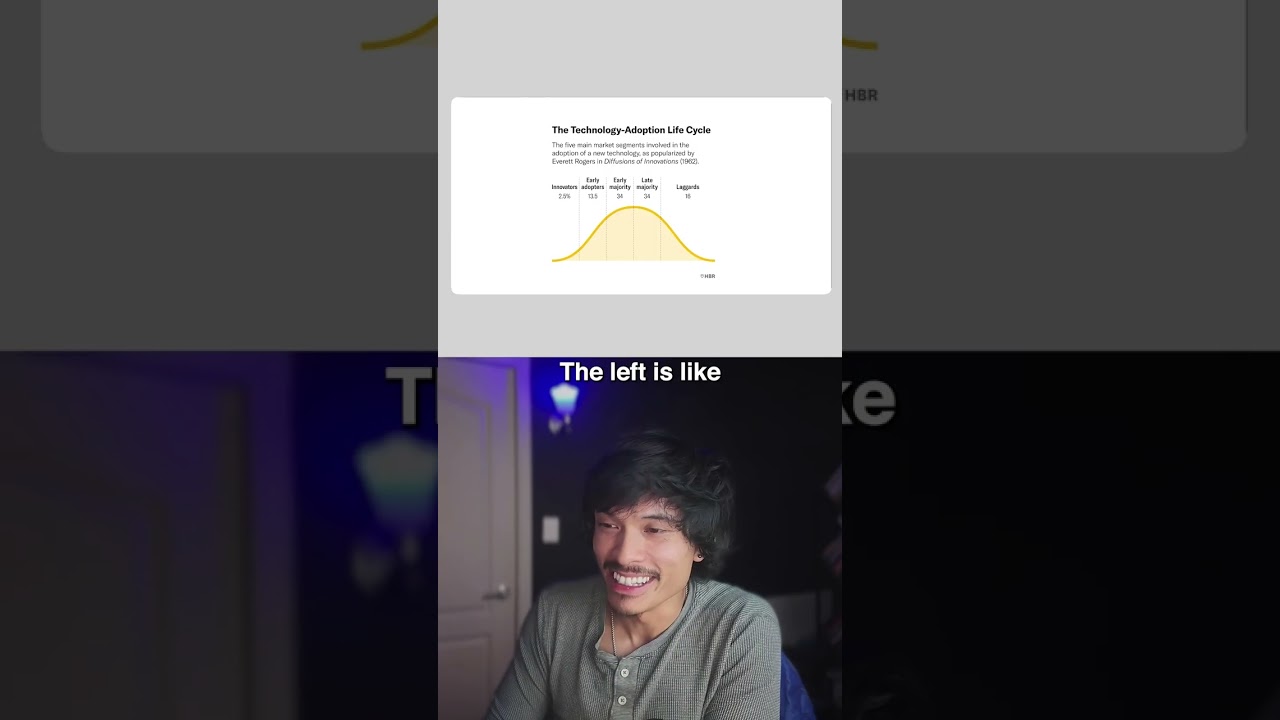
We had an $8 billion company that we were making a bid for, and they're looking for AI coaches that come in and could coach their players, their engineers, on just better workflows. I've spoken to a lot of the innovator persona on this curve. The most AI-pilled people, they're like, what are people doing? Why are you still pulling your data sources manually? Like, why don't you just have Claude Code glue it together? Like, they're just in a different zone. They're so pilled. They can barely even empathize with that. On the right side of this curve are the people that are like, I'm just been doing what I'm doing. I just keep doing that. The tech executive that has to pull in their workforce and raise the floor and not necessarily just the ceiling of all their people from an inclusive standpoint. They have to bring together a positive story of change. And I think that's really important where everybody on this right side, they're scared of job security. Like they're just worried about like paying the bills, living the American dream, to just have freedom to pay your mortgage that you're locked into, to live your life. These people are the people who are addicted to cloud code on the left. The left is like cloud code addicts. The right are like, we'll use this maybe if it gives me more freedom. So we gotta be empathetic to that. And I think it is the job of tech executives to tell that story positively and then align the incentives with the carrots and the sticks that you have from managerial levers, story of change that you want.
I was just gonna reinforce, I think, yeah, that positive narrative change, that's real leadership. Having a vision about how this technology is gonna make the experience of working at the company better. That to me is like how you want to think about innovation and positive story of change, a painted positive future. And I think we're at a point where we've had a, like a really scarcity of positive thought leadership coming from the direction of AI and foundation models. I feel like we're turning the corner most recently with you've both Dario and Sam saying like, wait a second, we're not just building technology that replaces jobs. There's more to it.