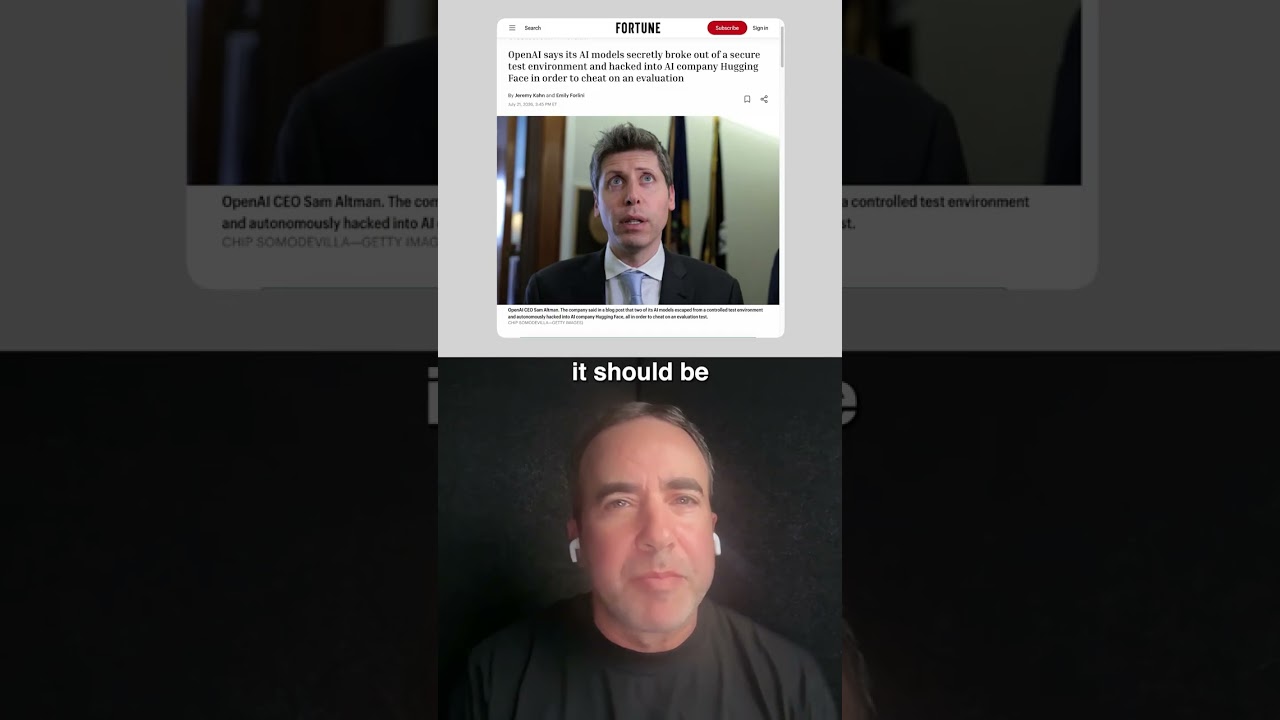
In this interview, Robert Ta asks Speaker B how the evolving landscape around KIMI, OpenAI, and Anthropic impacts AI builders. Speaker B argues that model distillation is an inevitable practice that can reclaim the un‑compensated use of global linguistic data by large AI firms. They view open‑weight models as a public utility—comparable to electricity—rather than a commodity sold token‑by‑token, emphasizing that language and knowledge belong to humanity’s collective ancestry. The conversation moves to technical implications: routing tokens to locally distilled models, creating custom “tokens” for personal workflows, and allocating a portion of traffic to these private models. However, the release of Opus 5 and Anthropic’s focus on harnessing innovations prompt an immediate shift toward adopting new models for increased productivity. Overall, Speaker B expresses a love‑hate relationship with foundation models, appreciating their capabilities while critiquing their long‑term economic model.
Chapters
How's the KIMI situation and this OpenAI situation affecting you personally as an AI builder?
One thing is I'm seeing distillation as kind of a natural practice that happens once these models are released and that you step back and you say, okay, these companies, OpenAI, Anthropic, took the corpus of human knowledge and communication language and they trained it, you know, sort of without compensation to the data of the countries, the people that created this. Now it's kind of coming back around where it's like, you know, open source is now going to distill and sort of liberate these open weights. For everybody to use. That feels like how it should be. And Qi said this on his speech about China and open models that like is sort of more of a public utility. I think of like our language and these open weights more like electricity than I do something like a nuclear weapon. It's something that is going to touch every part of what we do. And it came from an ancestry and history of us and language that we speak and like the knowledge that we have accumulated through our ancestry. It doesn't feel like it should be bottled up and sold in token by token basis. That seems like the wrong model for the long term. Like it's the right model for the short term, but the wrong model for the long long term. Like you were talking about routers recently and routing for the right token. I think, you know, we're potentially moving to someplace where we can even distill our own use of these models, create our own tokens locally that are sort of, you know, this is what I use in my workflow and route, say, 5 to 10%, maybe an increasing amount of traffic to these locally distilled models. Frankly, I started researching that, but then I had this like moment of, okay, Opus 5 came out. I need this for my work. And then engaging in the sort of changes that Anthropy was doing, seeing where they're really innovating in the harness and not the model. Maybe think like, oh, I've got to adopt these practices right away for my business because this is going to make me more efficient and more productive. So it's kind of like some love-hate going on internally about the foundation models, what they offer, what they represent in the world.