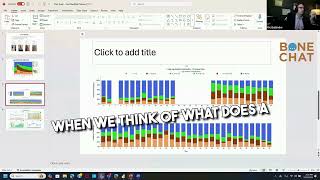
TracPatch captures leg position every minute after knee surgery, classifying each moment as static or moving. Post-op patients stay still with legs straight, but over weeks they move more and bend their knees increasingly. Combining this with step counts and pain scores creates a detailed picture of recovery progress.
Chapters
Why can't we track patients individually now? It makes so much sense.
Yeah, absolutely. And I think the other thing I was showing Tiger Buford ahead of time is one of the graphics and kind of concepts I've been coming up with is that because we capture position of the leg by minute, I can essentially say, okay, was this patient in a static position for that minute? And if they were, what is the general bucket of position where they were? They sitting with their legs straight? Were they sitting with their knee bent? Or were they moving around? And what you'd expect to see is that over time, the amount of time when the patient's leg is being straight decreases, their ability to bend increases, and you'd expect to see more movement. But what you see right after surgery is that the amount of time where the leg is being more, more, well, first off, the patient is much more static. And then second, they're spending a lot more time with their leg being straight. And we continue to see that decrease over time. And we see more movement occurring. When we kind of think of like, what does a day look like for a patient? First, we wanna know functionally, is their knee able to do more? And what was their total daily activity, which we would do with total daily step counts, but then also what was the daily behavior? And that's what we're trying to do with this. And so now you have multiple markers that you can then combine with pain and other things to really get a better snapshot of what that patient looked like within that day.