Gather feedback data after ACL surgery using TracPatch - BoneChat short #64
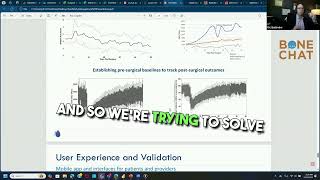
TracPatch sensors track ACL surgery recovery in 40 patients, but positioning them under knee braces and managing compliance across teenage, athletic, and 70+ year old patients poses real challenges. Older adults stick with the program better than teens distracted by phones, though real-time feedback lets parents catch when kids skip their rehab.
Chapters
More from Tiger


BoneChat #144 - Defining the Standard of Care for Orthopedic Tissue Preservation & Restoration

BoneChat #143 - AI-Driven MedTech Sales, Startup Traps, & Orthopedic Commercialization


BoneChat #142 - Fastest-Growing Ortho Segments, Reverse Shoulder & Joint Preservation Rollups

BoneChat #141 - Disrupting Surgical Visualization: Single-Use 4K Scopes with Richard McKillop

BoneChat #140 - Transforming Knee Rehab, Patient Experience, and MedTech Go-to-Market


