How ALM Orthos technology solves the skin closure issue in OI with Brian McLaughlin - BoneChat short
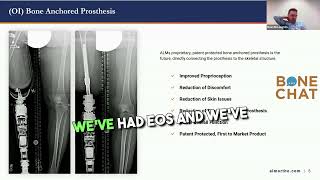
Brian McLaughlin explains how ALM Orthos uses 3D titanium lattice structures with specific pore sizes to let skin grow over implants, solving a major problem in osteogenesis imperfecta treatment. He calls electron-beam melting and laser powder-bed fusion "night and day" different, and says combining both methods puts ALM Orthos ahead of competitors.
Chapters
More from Tiger


BoneChat #144 - Defining the Standard of Care for Orthopedic Tissue Preservation & Restoration

BoneChat #143 - AI-Driven MedTech Sales, Startup Traps, & Orthopedic Commercialization


BoneChat #142 - Fastest-Growing Ortho Segments, Reverse Shoulder & Joint Preservation Rollups

BoneChat #141 - Disrupting Surgical Visualization: Single-Use 4K Scopes with Richard McKillop

BoneChat #140 - Transforming Knee Rehab, Patient Experience, and MedTech Go-to-Market


