Smart Implants Early Intervention and Detection for Better Outcomes
11 Jan 2026 · 1 min
0:45
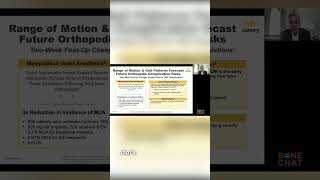
Smart implants can predict with 97% accuracy which patients will have limited mobility 90 days after joint surgery, using just two weeks of postoperative data. Early intervention for high-risk patients cut the need for repeat surgery by two-thirds.
Chapters
More from Tiger


youtube.com
BoneChat #144 - Defining the Standard of Care for Orthopedic Tissue Preservation & Restoration
4w ago

youtube.com
BoneChat #143 - AI-Driven MedTech Sales, Startup Traps, & Orthopedic Commercialization
1mo ago


youtube.com
BoneChat #142 - Fastest-Growing Ortho Segments, Reverse Shoulder & Joint Preservation Rollups
1mo ago

youtube.com
BoneChat #141 - Disrupting Surgical Visualization: Single-Use 4K Scopes with Richard McKillop
1mo ago

youtube.com
BoneChat #140 - Transforming Knee Rehab, Patient Experience, and MedTech Go-to-Market
1mo ago


See all content
