TracPatch sheds light on spine outcomes by providing continuous feedback like a glucose monitor
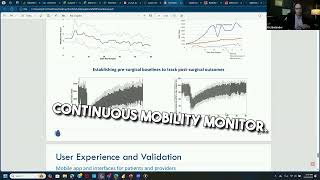
TracPatch uses a chest sensor to track spine health through posture, step velocity, and other metrics, creating a continuous mobility score like a glucose monitor. Lumbar stenosis shows a specific pattern of five or six measures. The system measures whether patients improve over time, not which exercises to do.
Chapters
More from Tiger


BoneChat #144 - Defining the Standard of Care for Orthopedic Tissue Preservation & Restoration

BoneChat #143 - AI-Driven MedTech Sales, Startup Traps, & Orthopedic Commercialization


BoneChat #142 - Fastest-Growing Ortho Segments, Reverse Shoulder & Joint Preservation Rollups

BoneChat #141 - Disrupting Surgical Visualization: Single-Use 4K Scopes with Richard McKillop

BoneChat #140 - Transforming Knee Rehab, Patient Experience, and MedTech Go-to-Market


