3 Tips to a Successful Startup Launch (Part 2) | The League Founder, Amanda Bradford
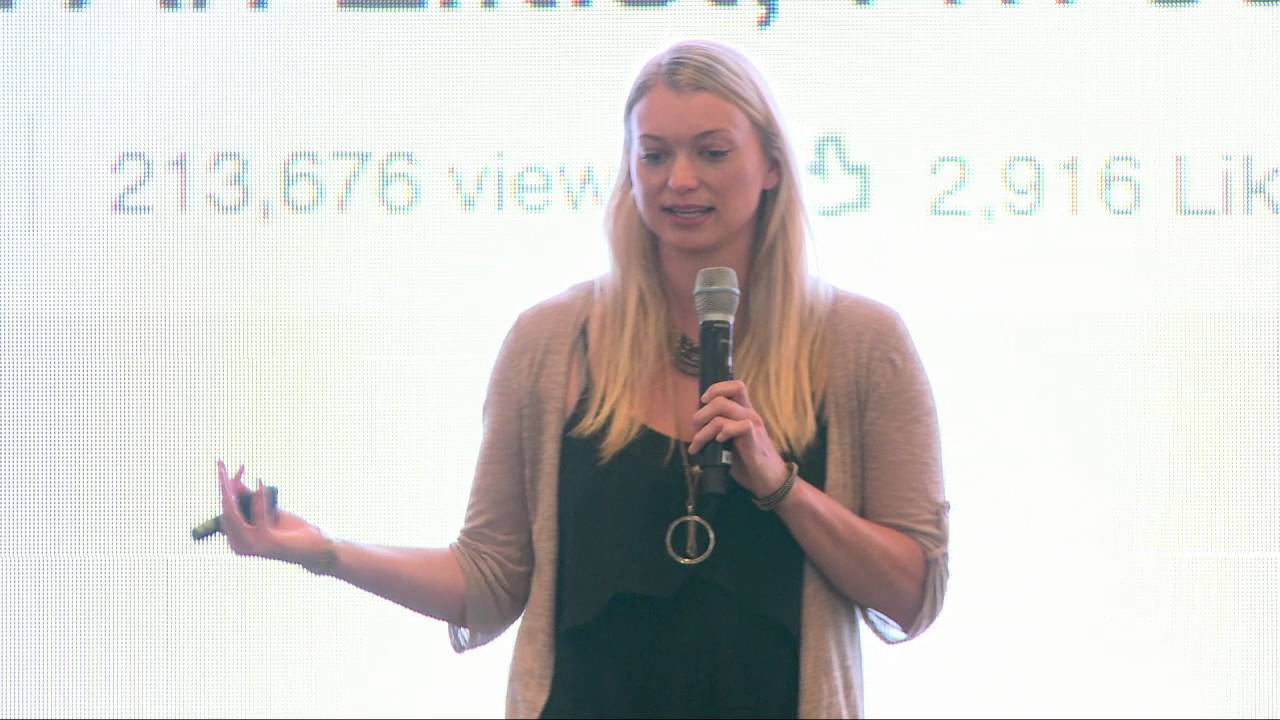
Amanda Bradford built The League dating app by securing 600 beta users through alumni networks and cold email, then threw a Fleet Week party requiring app installation to drive signups. She targeted MBA graduates, doctors, and lawyers with an edgy brand voice, and used both positive and negative press to reinforce the app's positioning as exclusive and ambitious.
Chapters
So that kind of leads me into the pre-launch hustle. And I worked to get— I got 600 signups before we even launched. And that's from literally beating the pavement. So whether it's using your alumni groups, getting friends that are in other schools to send something out, use your email, use your email contacts from years ago that you never really know what those people are doing. You never know who knows whom now. And it's such a small world that I blasted it to everyone I've ever met, basically, in my life and said, hey, if you know anybody single in San Francisco, I really need more users for the beta. We have great people. See who you can recommend. And so people would do it. I mean, especially single people, they want to try new things. They want to be first to adopt a product. And so really kind of using that as a special beta test, people got excited to be part of it. And we also did a lot of online/offline marketing. This was before we even launched. We did this Fleet Week party, which is this one right here. And that was 300 people on a boat. We made everybody have to have the app to sign up. People were like, what is this waitlist thing? It's not even live. And we're like, it's coming. It's coming. It didn't end up coming for another couple weeks, but people really liked And it was cool that we used an event as a draw to get people to have the app. And we've been doing the— we did this when we launched New York as well. And we also did this as we stay in a community to maintain and to stay relevant after the community is launched. So that's step number 2. Step number 3 is just really figuring out who you are as a company, as a founder. what your brand and your message is. For us, our sweet spot— obviously, I was an MBA. I had just come from an MBA background. That was really our beachhead. I made sure every MBA I knew was on the app. We tried to get doctors. We tried to get lawyers. Anyone that had this graduate degree. That was really our entry point. And I just think owning that— I mean, at first, a lot of people were like, oh, why are you only— doing this select group of users from select schools. But it did help us kind of stay really tight as far as who our users are, who our target market is. We didn't get distracted by divorced people, which is hard because they'll write you long emails being like, I'm 45, divorced, please let me in. And we're like, we only have 1,000 people and they're all 28. So it's not going to be a good fit for you to come in the community at this point. But it's very easy to get distracted, and I think just kind of staying laser-focused on who you're building this for and not getting too distracted with the people that either want to use your app or the people that are angry that it's not an app designed for them. You just kind of have to say, hey, we're in beta. This is what we're trying to test right now. I also think it's important to find your voice. So from the beginning, we really wanted to be a little edgy, a little bit fun, and make Dating, ideas like dating should be fun. This is a cool time to be a single person. Never have we ever had so many options as far as meeting new people so quickly, so easily. I tend to like doing things tongue-in-cheek and having a personality and a brand and a voice instead of copying some of the existing services out there that are pretty straight-laced and don't really— they're not always going to say everything that we would say. So these are just kind of examples of little catchphrases that we think sort of define both the value proposition of the service, but also kind of who we are and what our kind of personality is. And then I also think using PR strategically. So we were lucky to get a lot of PR. It was not all positive. A lot of it was negative around, this is an elitist app. This is for snobs. This is for trust fund kids. people that only went to Ivy League schools. But I think at least, at the very least, they were still carrying our message that this is for educated people, this is for ambitious people. They would tend to, deep down behind those sensationalized headlines, they actually did kind of provide our value proposition to users. And so the people that read the articles actually sort of resonated with it. And a lot of the smart kind of smart people that we're targeting realize the media is full of shit most of the time. So, you know, the kind of the people that we wanted on the app sort of knew that they were sensationalizing kind of the concept. But, you know, and one of our biggest press hits was the New York Times Style section, which, you know, and they— I had the guy, he came to me because it was a polarizing sensationalized topic, and people did think it was snobby, and people did think that it was, um, you know, this kind of rich kid, rich kid dating app. And so he followed me around for 2 days, um, and wrote this really interesting article that, you know, some of it came off as stereotypical and a little bit in that realm, but a lot of it, you know, he did say it's an app for power couples. He did say it's for strong women. He did say it's for women that have high standards. And I, I think With press, you kind of can only hope that you're gonna get some of your key messages in with theirs. You typically can't get an entire— I mean, unless you're someone uber powerful, but typically the press is not gonna write exactly what you want them to write. So you kind of give and take on some of these things. And so, you know, that got us a ton of downloads in New York and across the world, because it is this kind of new generation of young millennials that are all working, you know, working really hard and want to— So kind of partner up with people that also share the work ethic and share their ambition. I also think it's important to tell your personal story. So even if you think it's boring, there's probably a way you can tell it that makes people relate to you. And I think that's something that I've found really strikes a chord with a lot of the women on the app, is that they see me and they say, okay, this is— it is okay that I have high standards. It is okay that I don't want to go and be a housewife right now, or that I want to continue in my career. being a role model and being able to kind of stand up and, and say, yes, that is okay for women to not have to like tone down your opinions or your personality to kind of fit this antiquated model of what a wife was in the 1950s. And I think that was really kind of the point of this article I wrote, which was just like, not all men want that, and that's okay. But like, let's create a community where, you know, the men who come to it are, are okay with that. And so I think it's just sort of owning your own personal story and your own frustrations and kind of channeling that into a mission statement that people can relate to. Sorry, these got really misformatted, but the other thing is just adding little small— small things go far. I think one of my friends gave an example of how in Virgin America, Richard Branson did some of these really small things. Like, they have music, they have like Rihanna playing when you go up to check in, and they have the lights that line the aisle when you walk in are purple. And the lights are off. But it feels a little bit like you're entering a nightclub. And it's like, those are small things that are so cheap for them. But yet it really makes a big difference in how you think of the brand and how you perceive the brand. And so I think that's important to think about little things. And maybe it takes a couple days more of development time, but could really help kind of differentiate you. And so we have a concierge that we actually have humans behind it that will give you feedback on your profile, on your opening lines. Eventually, we want to kind of add more value-added services behind it. But the idea is it makes the users feel like someone's kind of going through this online dating experience with them. And it makes them feel like there's someone kind of watching their back, or they can talk to when they're upset about something. And it's a very interesting dynamic. And so I encourage you guys to think about little things you can make that might make all the difference in the world. Wow, this got screwed up. This is basically my— the point of this slide is just that when you have a small market in a very targeted niche, the benefit of that is you can get high engagement, because you are solving a need so completely for such a small— even if it is a small group of users, Ideally, you're solving it so well that they'll stick with the product, and they'll really— they'll be basically like cult followers of that product. And then you can always attempt to open it up from there. But basically, if you're attacking a niche, you really need to have high engagement, because that means that you're solving a problem for that small group of users. And this is what we found, that we were as far to the right as really you could hope to be for a dating app, and our users really liked— really liked the product. And that's naturally going to go down the more you open up. And the more we have opened up, it definitely— our retention's not as high as it was at the very beginning. But I think just getting that at the beginning is a proof point for you that this is actually really solving a need, and my users like it. So just to recap, basically the 3 pieces were just making sure you're validating your idea a ton at the beginning with wireframes, with user studies, with focus groups. You're doing your pre-launch hustle. You're trying to— especially if you're in a marketplace, you need to make sure you're getting these signups before you even launch. You never want to open a marketplace with 10 people. And then making sure you're really finding your brand and your niche and owning it and using that to your advantage.
More from Tim


He Sold His Car to Build This Startup, Then Pitched It for $1M 😳 #Startups #AI

This Startup Moves Your Crypto BEFORE Hackers Can Steal It 😳 #Crypto #Cybersecurity




15 Months Without Refrigeration?! This Startup Thinks It Can Go Global 🥥 #FoodTech #Startups



