5 Things You Need For a Successful Business | MobileIron CEO Bob Tinker
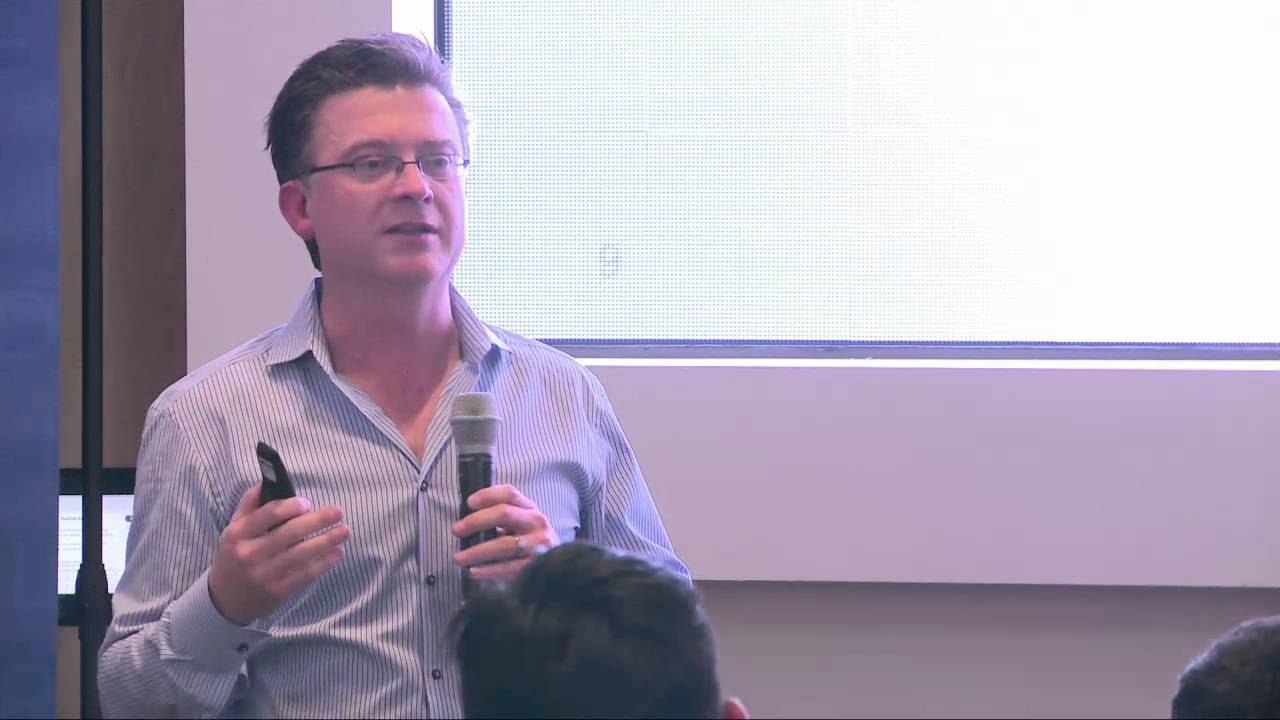
MobileIron CEO Bob Tinker explains how he built the company from startup to funded enterprise. He spent six months interviewing 50-60 potential customers before writing code, landed three paying reference customers, and documented early sales patterns on a whiteboard to create a playbook. Many startups get acquired because they have great products but no affordable way to sell them.
Chapters
So I have a philosophy, which is you've got to let the customer drive whatever the technical or solution you're trying to deliver. One of the mistakes that Silicon Valley makes is, let me go build a cool technology and then figure out who to sell it to. I would argue that's actually a mistake and actually typically doesn't work. The better thing to do is actually spend time with customers, figure out what the problem is you're trying to solve, and then go figure out the technical solution to that. For MobileIron, one of the interesting parts about our history is that we spent 6 months talking to customers before we wrote a line of code or raised a dollar of capital. And that gave us enormous credibility when we went to go raise capital. And it also allowed us, when we started building our solution, to actually build something that people actually would buy. And just to give you a sense, we started raising money. We showed what we were doing to Norwest and Sequoia, and we never got past that. We got term sheets from both. So actually doing your homework on customers and your problem before you go raise money makes a big difference. And I think it's a good philosophy to let the solution drive the technology, not the other way around. Second thing is talk to customers. I cannot emphasize this enough. Whether it's consumers, businesses, it doesn't matter. Go talk to your customers. You always think you're smarter than your customers, and typically that's not true, me included. So spend 3 months learning the customers, learning their problems. What we did then is pick some of those to become our teaching customers. Because some of the people you talk to, you're like, I think they know what they're doing. I want to learn more from them. And what was interesting is those customers then became our betas, which were our early prototypes. And then those guys actually became our paying reference customers. So you look at this big funnel. I think we started off with probably— we talked to maybe 50, 60 customers. We then had probably 25 teaching customers and like 12 betas. So you saw this funnel narrow down. And it all came to a head with 3 paying reference customers. You might ask, why does 3 paying reference customers matter so much? It's because that is probably the number one thing investors look for before giving a second round of capital. The ultimate test for what you're doing is somebody willing to give you money for it. Other than that, they're just talking to you. 3 paying reference customers is a key milestone to be able to get out the gate for a second round of capital. There's also a really interesting side effect that this is something I wish people had told me, but we stumbled in by accident and I wanted to share it, which is part of that beta process and finding those early customers. Yeah. You start figuring out your sales playbook. You talk to a customer, you're like, hey, that opening line worked really well with getting their attention. That opening line did not work very well with getting their attention. And by accident, we kept this whiteboard in the bullpen where we wrote up on the whiteboard, here's what worked and here's what didn't work. And over time, that accumulated to become what was our early sales playbook. And as we hired more salespeople, we just had them look at that and say, here's what worked and here's what didn't work. Our product market team looked at that— marketing team looked at that and said, hey, that's the type of things we want to put in our presentation and pitches. The product management engineering team looked at that and said, hey, we need to do more of that capability. So as you are going through those beta discussions and selling process, just write it down and start creating your playbook. So you're saying that you're not just looking at the data, you're looking at the data and the It'll be a natural byproduct of being successful. So one of my other philosophies, which— I'll tell you guys a funny story. So in the very early days of MobileIron, consumer mobility was really sexy. We do enterprise mobility, which was really unsexy at the time. And I remember going to— anybody remember Nokia? Yeah, I know. My mom had one. Yeah. So I was at a Nokia mobility conference. And there's a bunch of other companies with tables and booths. And we were probably 10 or 12 people at the time. So I walked around asking people what they were doing. I wanted to learn what are other companies doing. It's always interesting because people are doing the same thing to us. I remember there's this one company, I can't remember what their name was, and he was describing to me what they do and how they get paid for what they do. And it looked something like this. It was like A had to happen to B, which had to happen to C, and then D would monetize this through F. And it was like this really complicated value chain. And I walked away from that experience with a much simpler philosophy that made my— didn't make my head hurt, which is sell things to people that give you money. Sounds really simple, but you'd be surprised how often business models get lost in freemium concepts where you're selling something to people where you're relying on somebody else to give you money. Sometimes that works. And sometimes it can be great. I prefer, if you're going to build a product, figure out how you sell it to people who give you money directly. Much simpler business. So let's talk about one of the other things that I learned the hard way, which is that sales stuff is really important. You can have a great product, but if you can't figure out how to sell it, you actually don't have a business, you just have a product. And you'll face some decisions in the early days of getting whatever it is you're doing off the ground. The first thing is you need to pick how you're going to sell. And whether that's hire direct salespeople to go call on customers, you can go through channels. You can go through the web. You can do freemium or some other creative model. Whatever it is, just make sure you pick it consciously and look into it. One of the mistakes I see is sort of wandering between different sales models. You really need to figure out what the right sales model is for your business and pick it and stick with it. The second lesson is good VPs of sales are really rare. And here's another thing that goes on the list of something I wish people had told me. We kind of lucked into this one, which is one of the mistakes that people often make in hiring their first VP of sales is the first salesperson they hire is a VP of sales. That is not the right thing to do. Let me tell you why. Really, really good VPs of sales are not going to be the first salesperson in the door. Kind of makes sense. If you're a world-class VP of sales, are you going to be the first salesperson in the door? Probably not. What are you going to want to see? There's one or two salespeople in there before that have figured out how to make this go. So my recommendation on this one is your first hire in sales should be like a director or manager level of sales and like an inside sales rep that can go sort of Take that sales playbook and figure it out. Their ability to make some early successes, even if a little sloppy, will be your best tool in attracting a really top-notch sales exec. So, thing I wish I had learned, number 1, is don't hire VP sales first. We got lucky. We didn't do it that way. In retrospect, I'm really glad we didn't do that first. getting a terrific worldwide VP of sales. And what's the number one difference between a product and a business? This is a quiz question. Can you afford to sell it? Can you afford to sell it? You'd be surprised how many business models have, I can sell that for $100, my gross margins are 80%. That's great. How much does it cost to sell it? $200. Hmm. And how you solve that problem often is how do you get sales lift? This is something actually in business school that they did not do a good job teaching us. And I think it's one of the things I think places like Draper are doing a much better job of teaching folks is how do you build this part of the machine? And you can hire salespeople and hire lots of salespeople. That's great. But it's kind of expensive. What really helps your cost of sales over time is if you can get some sort of, like, pixie dust magic sales lift. And that can come from you find a big friend. For instance, in the early days of the networking industry, there was a company called Juniper Networks that was competing with Cisco. And how they showed up and competed with Cisco is they signed big distribution deals with Ericsson, Nortel, Alcatel, some of the other big players in the telecom industry. So they had the big friends that helped them with distribution. Another one is sort of embed or attach to something that is creating a tailwind. That's one of the things that really helped us, was we followed iPhone. IPad and Android around the world. The other one is there's some sort of fundamental market catalyst that changes. That's, at some level, goes in the dumb luck bucket, where there's some sort of external factor that really just kicks off and fundamentally changes your sales lift. But it really comes back to the core thing, the difference between a product and a business, can you afford to sell it? This is actually one of my personal pet peeves about Silicon Valley. Is Silicon Valley is a great product shop. We are really good at building great products and innovating. We're not so good at building great businesses and helping people build great businesses. It's one of the things I'm passionate about in terms of helping address that. And it's also my personal theory as to why you see so much M&A in Silicon Valley, is because if you can't actually afford to sell your product, You need to sell your business to somebody else who has a sales team. And that's my personal thesis as to why you see so much M&A in Silicon Valley. It isn't because the products— products are great. It's that if the go-to-market part's not there, you need to plug into somebody else's go-to-market. So the way to build a standalone business is make sure you both nail the product and the sales part. Thank you.
More from Tim


He Sold His Car to Build This Startup, Then Pitched It for $1M 😳 #Startups #AI

This Startup Moves Your Crypto BEFORE Hackers Can Steal It 😳 #Crypto #Cybersecurity




15 Months Without Refrigeration?! This Startup Thinks It Can Go Global 🥥 #FoodTech #Startups



