This content was created by Tim Draper. This content was uploaded by Tim Draper. This is a YouTube video titled "Advice for International Founders | Founders Embassy Co-Founder, Anastasia Crew" (published May 29, 2019) featuring a Q&A-style conversation between a moderator (SPEAKER A) and Anastasia Crew, co-founder of Founders Embassy. Anastasia offers practical advice for international founders considering Silicon Valley—don’t come too early, secure traction and product-market fit first, avoid giving up equity unnecessarily, research and target VCs/partners strategically, and be mindful of Silicon Valley social capital. She also describes the accelerator’s mission to democratize access (equity-free but tuition-based), their focus on post-seed to pre-Series A startups, and a desire to increase representation and sponsorship for founders from emerging markets.
Since we have a lot of international founders in the room, I would love to hear your advice for them, as in maybe they want to stay here and build their companies or go back home and build their own ecosystems and companies back at home.
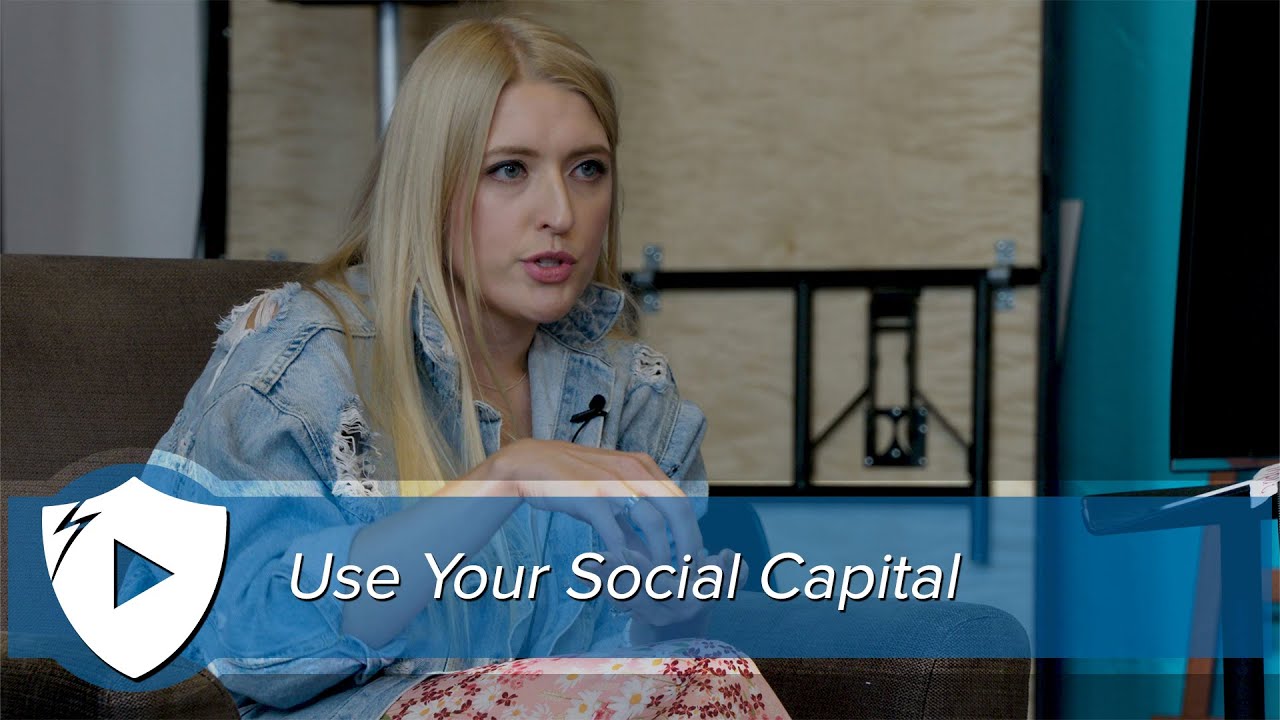
I think one thing is, as I mentioned already, think big. Don't come here too early when you're not ready. Make sure that You have that traction, you have that product-market fit back home, and you are ready to take your company to the next level and show, have the numbers to prove that to whoever you talk, whether you talk to your partners here or whether you talk to VCs. So don't come too early. The third one probably is don't give up equity too early. Don't take that money if you don't have to take them. Because that 5 to 7% that you can give up even as early as going through a variety of different accelerators, if you think that you can bootstrap and go through without it, just don't take it, because that 5 or 7% can cost you much more than that $150,000 check when your company is valued $30 million. So don't take money unless you really have to. Do your research before you come here. A lot of people— Silicon Valley is big, but Silicon Valley is small, so a lot of people know each other. Don't approach 3 million different partners at the same firm because they talk to each other. Be very targeted. Do your research in the form that you're going to be able to talk to them. Look for the— if you're looking for fundraising, look for the firm that invests in your industry. If they invested in your competitor, they're most likely not gonna invest in you. So know all those facts, and the more precise you are, the easier it's gonna be. So understanding that social capital idea of Silicon Valley is very important because it's very hard to build your social capital, but it's very easy to lose it.
Right. Yes. So as you're building your company, this is year 1, next cohort comes in November. What's the future for you guys? What are the big projects you're working on? I mean, what's the vision going on down the road?
The future is just, you know, it's a lot of things in our mind and lots of things in the pipeline that we work in, but first and foremost, we want to make sure that we bring awareness to the problem we're solving and to our mission. And the biggest problem that we're solving is to help democratize access to Silicon Valley for the talented entrepreneurs that come in from all over the world that don't have the resources. They didn't go to maybe Stanford or Berkeley or schools that are based here, and they don't have that network of people that's— support. So we want to solve that, and we want to make sure that a lot of partners around us, a lot of community are in line with what we do. That's number one thing. Number 2 is we don't work with as many emerging countries right now as we would love.
Mm-hmm.
Because the resources that the founders have, even because our accelerator is equity-free but tuition-based, It's still, it's a very, not a very high tuition, but it still is very high for the emerging markets, right?
Absolutely.
So for now, unfortunately, we cannot sponsor the founders to participate, but that's one of the things that we want to be able to do, whether through a partnership with a bigger corporate or with some of the VC funds that we're in talk. We want to see more representation from founders from Africa or, you know, the Middle East, or smaller emerging markets in Eastern Europe, pretty much, because we are country agnostic, we're industry agnostic. For us, it really doesn't matter where you come from, what your passport looks like, what vertical you're in, as long as you meet that criteria, the funding level-wise, like post-seed, pre-Series A, that's the only thing that we care about, because that's a sweet spot for you. We don't want you to come here early and spend You know, money and time if you're not ready. Thank you.