After the Sale | Salesforce
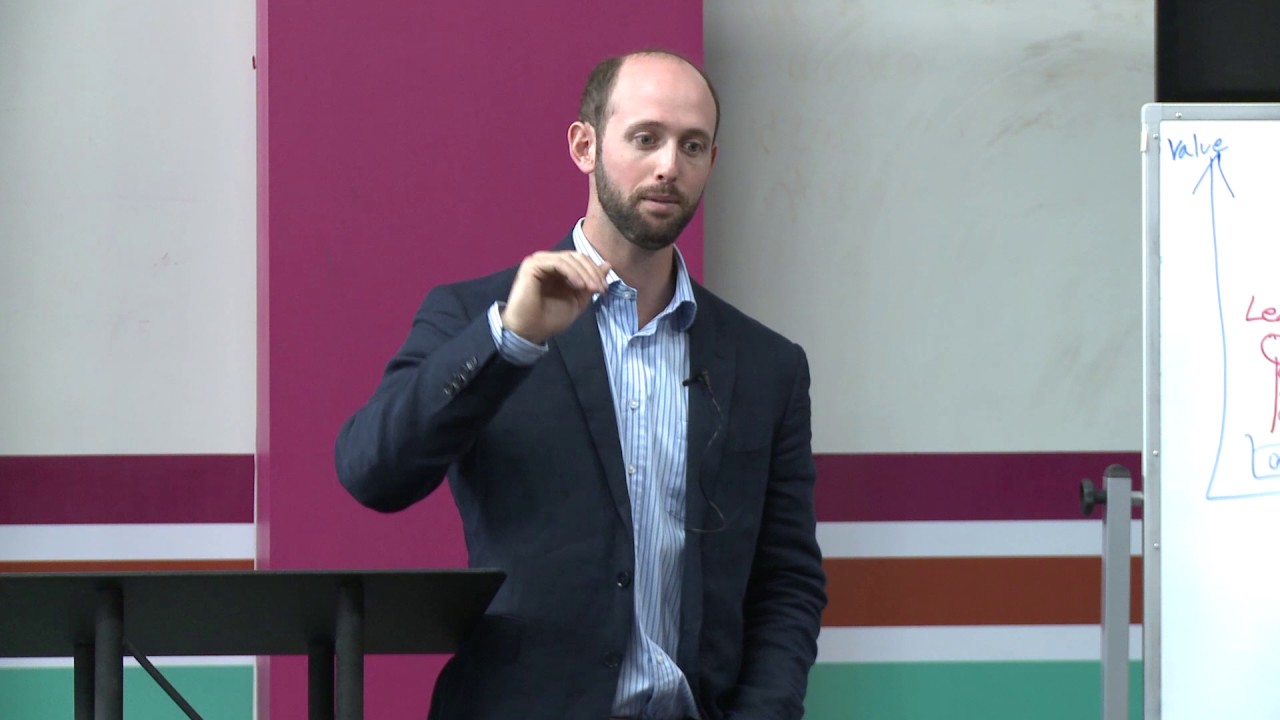
Tim Draper walks through what happens after you close a deal: onboarding customers, getting them to actually use your product, and keeping them from leaving. He covers tracking tools, A-B testing onboarding flows, and spotting which in-product behaviors predict whether customers stick around.
Chapters
Where's my pen? All right. What happens after the negotiation? Goes to deal. So there's a slight in-between because when you negotiate and they say they want to— we're okay, we want to go through with it, they still have to sign. So this is where we basically— even though this is down here, I actually call it a phase 2, which is the commit phase. People can say they're going to sign something and you'd be surprised how often people don't. It's super hard. And this last step is really hard to do because they might say yes and then they turn around and then they know that they have leverage over you in some kind of way and things might change. So this ends up being— I call it its own stage because too much can go wrong. It's actually the scariest part of a deal is when you're in the last yard. Sorry? And this is the commit phase. And from a sales perspective, what we train our people is when you're in commit, it's 100% likely to close. However, it's still really scary because someone still has to sign. So anyway, so what this looks like— so I just wanted to walk you guys through this. What's interesting is when you think about how technology can help you, Technology can help you track this. And I'm not saying necessarily you need Salesforce, because sometimes spreadsheets are perfect to start. Sometimes you need more than that. But tracking this process, what it's going to do for you is one, give you better insights into how you might be, what the actual market wants. Help you save time because you're spending time in the wrong places. Get research going on. Understand here. This right here is going to feed product. So in the example I gave with Facebook, so work.com at the time was basically a social performance management, we called it. Basically quick and easy lightweight feedback. And what Facebook wanted was they wanted to be able to fund— has anyone done a performance review before? No? Anyone? Like, yeah? They're terrible, right? Yeah. They're horrible. They're the worst thing in the world. So basically a performance review, you sit down and you have this formal conversation about how your performance went over the last year. Facebook wanted to be able to do it every sprint cycle with their engineers, and on top of that wanted everything to be auto-captured based on feedback that was happening in the moment. So at the time what we did was our product basically just allowed you to do real-time feedback. Like I could— it's social, so I could send it out to all of you, one sentence feedback, done. But what they wanted us to do is to aggregate all the feedback over a sprint and automatically put it together into a review where then someone could just do a quick grading and so they could evaluate all their engineers every single sprint. And so we didn't have this aggregation mechanism. In fact, there was no one in the market that did. So we built the whole thing. Actually, one of our engineers spent 48 hours straight just building it. And then once we built it, we then ended up being part of our big premium package. But that was in a discovery that we realized it was a need, and then we— in the proof point, we realized it was so valuable to us that we were willing to then invest resources to then go build. So that's what this does. This helps you figure out what you might want to build. Because if you can't prove to someone what they need based on the pains you're hearing, either, to Bala's point, you don't have the right market, or you just don't have the right product yet. And then there's the executive piece where you guys have to just decide, you know what, this isn't even worth— I get it, people want it, I can live without it for now. Which is the hardest decision to make. Are there any questions on this? It's that clear? I'm shocked. So what after this? Yes. So what happens after this? You just let them go, right? No. No? Keep following how fast you have to escape. Yeah. So fun fact. Yeah, go ahead. Are there any ways to shortcut this somehow? Great question. How do you shortcut this? It depends how the customer wants to buy. It depends what your product offers. You could contract on the first date. Say, hey, you should sign up. That's every salesperson's dream. Look, I came from sales and I'm in marketing now and all they want is me to give them someone that says, okay, I'm ready to sign. That's what they— that is what good marketing is to them. It used to be to me. It's not actually anymore. So what else? What happens? Office sales. Sorry? Office sales. Yeah. Expand on that. Following up on your conversation with your seller. Checking up with the product provider. Getting feedback. Getting feedback. Are most of— just give me a sense. Most of you guys are focused on what type of companies? Are you guys building software, manufacturing? Mostly software? Yeah. Okay, so what if they don't actually— it all sounds great, but what if they don't use it? Yeah. You need their attention. Yeah. So the hardest part is acquiring them. The next hardest part is getting them to actually use it. So what happens as soon as you close that deal? Make them use it. How? Onboard them. Give them tutorials. Tutorials. Can't that have a backlash though? When I'm getting bombarded with emails to try new servers, I'm more inclined to— if I don't like the service, I unsubscribe from the service. Yeah, but that's the idea there is that yes, you don't want to bombard people with emails. I had a meeting with the CEO last week during Dreamforce, and he said, I've never received an email from you. You guys must not be doing good marketing. I was like, would you ever have opened it? I was like, I would never say— he wouldn't have opened it, but people who are individual contributors in his company are the people we're emailing. With him, I'm inviting him to a different type of marketing, like more event stuff. But yeah, but the key thing is like, what do we do as soon as we sign the deal? Because the reality is you guys are all in software for the most part. So you have to get them signed up and then use it. Mostly subscription service, it sounded like? Yeah. Subscription? Okay, so then basically you have to get them to use it or else you'll lose them. And if you have churn, you're going to devalue your company. So what would be— what is something— I don't know, there's a couple people who've already started. So what do you guys do now as soon as— what do you do in today's world as soon as you sign a customer? We see their behavior first. Are they using it or not? But before even that, the moment they sign, what happens? Do they just— Yes. So usually, yes, I agree, but when you grow, It's impossible to buy a tool. Onboarding. Yeah. So, okay. So we're getting to exactly the heart of the matter. The challenge we have, especially in this part of— in this type of business, is that we have to do 2 things. We have to absolutely have an onboarding plan for every customer and handhold them, especially when you don't have that many customers. When you don't have that many customers, you can't say, 100,000 people use us, you should too. You have to— they don't trust you as much as someone who is more established. You have to help them and make sure they feel like you guide them to it. That's one. 2 is that you need to understand what behaviors you need to drive in your product to make it stickier. And that's gonna come from, in your product there is hidden nuggets. And I'll give you an example. With one of our products, The Moment, which was a service product, If someone connects their email to that service product, so it means like you're doing customer support, the moment you connect your email to it, it basically created a 70% conversion rate in a— to like adoption to what we wanted. Like, so the part of it is you won't know, but keep an eye on that. 'Cause what— that's how you're gonna wanna drive to that behavior. So you need it. And then the third thing is you need to find out, to your point, What is it that you can— not everything can be built into the product. That's the— in the magic wand world, we don't need people and everyone just onboards themselves. But the reality is that doesn't always work, and it depends on what type of product you have as well. Some products that are more B2C might be able to— people don't even want to talk to anyone, so you have to figure that out. In B2B, it's a little different because you're talking about an organization, and it depends on the size of company you're talking to. If it's really small, maybe you can get away with it. As it gets really big, it's kind of hard. But you need to figure out how much can you build into the product and how much can you do it— how much do you need people for. How do you know what to build into the product for the onboarding? How would you know what to build in to make it easier? I would do some testing. How? I don't know. Pick 50 people and experiment with them, different A/B testing. Yeah. Or just observe where the current users are struggling. Exactly. So that's back to the market research. If you are going to invest, and you have to, on getting them up and running, you should look and see where they're getting stuck. And constantly, your question to yourself, whatever they tell you they're the customer, you have to solve for. You have to figure out workarounds for. You're going to push the product farther than you ever have. You're going to think of new ways to using the same thing. But you're also— and the solution shouldn't— you shouldn't always default to I need to build this in, but you should be keeping tabs and keeping track so that over time once you get 1, 5, 10, 15 customers onboarded, and it might be very manual, you can then say, you know what, if we added this one screen into the product at the very beginning, it's going to make this so much easier. Or if we add this data import of this kind, it's going to make it so much easier. Or if we did this, it would really change something. So what are some of the things that you've learned
More from Tim


He Sold His Car to Build This Startup, Then Pitched It for $1M 😳 #Startups #AI

This Startup Moves Your Crypto BEFORE Hackers Can Steal It 😳 #Crypto #Cybersecurity




15 Months Without Refrigeration?! This Startup Thinks It Can Go Global 🥥 #FoodTech #Startups



