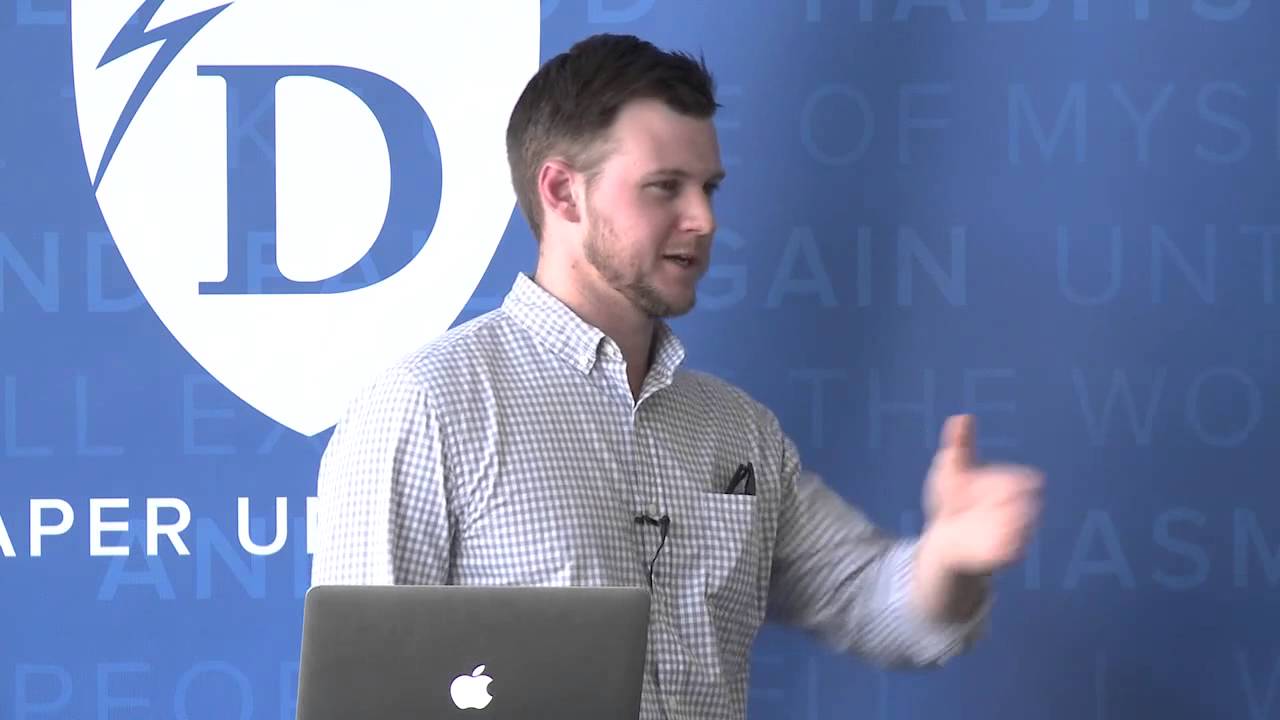
In this live Q&A, venture partner Patrick Mathieson walks entrepreneurs through the essential steps for a successful investor meeting. He stresses the value of a few minutes of pre‑meeting research—especially on LinkedIn—to find personal connections that create rapport, noting that investors often make emotional, relationship‑based decisions despite claiming rationality. Mathieson then outlines a checklist of 15‑20 core questions founders should be able to answer off the cuff, such as ARR, customer acquisition cost (CAC), cash runway, and how much capital they are raising and exactly how it will be spent. He explains that while some metrics may not exist for pre‑revenue startups, founders should still be ready to discuss team size, product differentiation, and go‑to‑market plans. The discussion moves to pitch decks: they are not always required, especially in short 2‑minute pitches or early phone screens, but they serve as a marketing tool for associates to share the startup internally. Mathieson advises against refusing a deck request, as it hampers the firm’s ability to evaluate the company. He also covers post‑call feedback expectations, suggesting founders can politely ask for a sense of how the conversation went, though final decisions may evolve after internal review. The most common founder missteps are being defensive about cash on hand and providing vague use‑of‑funds answers; Mathieson recommends a concise, semi‑specific breakdown (e.g., hiring, patent filing, buffer). Finally, he addresses founder compensation, noting typical early‑stage salaries range around $50‑70k depending on location and personal circumstances, and warns that higher founder pay can increase burn and reduce startup survival odds. Throughout, Mathieson balances practical advice with a realistic, measured tone.
Chapters
So next thing, point number 2, is do some recon beforehand. And this is the first of a bunch of stupid pictures I put in here. This is a skill for all business development networking in general. This isn't just for pitching. But if you're meeting somebody, let's say you have a half an hour meeting with some venture person or something, you can get really far, a lot further in the conversation just by doing some 5 minutes of research beforehand. I mean, LinkedIn is really good for this, right?
Yeah.
You're attempting to establish common ground with people. You're going to have much better conversations if people feel like you have something that they can relate to you about. So, I mean, this is super common stuff. I'm sure you guys know, but if you have someone that you worked together with in the past, you went to the same college, worked at the same company, just have something to say from the point early in the meeting. You are essentially establishing common ground with someone, and that will just help you in the rest of your conversation. Keeping in mind that venture people just speak to hundreds of entrepreneurs a month, and very often it all blends together, and they have maybe not a great recollection for who's who. So anything you can do that just says, oh, we both went to Cal Poly or something, go Mustangs, rah rah, that's helpful stuff. Especially because if you do any reading on just how people make decisions, you read Thinking Fast and Slow or any of the Malcolm Gladwell stuff, People like to think that they're logical and investors like to think that they're super calculated and make these Moneyball decision makings, but at the end of the day, you generally are making emotional decisions, like you're betting on entrepreneurs that you like personally and you have things in common with. So if you're going to meet with someone, go on LinkedIn and spend 3 minutes just seeing if there's any good talking points you can get the conversation rolling with. That's really helpful. Same with opening emails, right? We both went to—
Stanford.
Cal. Cal, that's awesome. Good start. Okay, so third one is I prepared a list of questions that you should essentially have the answers to going into any sort of early meeting with a venture capital person. This is a long list, so I'm not going to read all of them individually. If you guys are able to get the slides or check out the blog post afterwards, I think this is the best part of the blog post is these I think it's about 15 or 20 questions that you guys should have the answers prepared to going into your meeting. They're on the next slide, blah, blah, blah. You may— I'm going to put them on the screen. I want you guys to read them and let me know if any of them seem weird or crazy or hard to understand. In my opinion, they're all fair game for a first meeting. Not all entrepreneurs or VCs will agree with that. Maybe they'll think this is too soon to be talking about this, but I think The important thing is knowing the answers to these questions off the top of your head. If you're the CEO of your business and you're starting a new company, it's a really bad sign if you don't know, for example, what your ARR is or what it costs to acquire a new customer. If you say something like, oh, I've got to call my CFO, I've got to go dig that up, that's not a great answer. It's much better to say, I'm not comfortable talking about that in the first meeting, than to say, I don't know. the answer to that question, because if it's like you're the CEO of your company, how could you possibly not know what your customer acquisition costs are? That would be the fastest way to get venture people to pretty much immediately lose confidence in you. So this is a list. Can you guys spend like 20 seconds reading this? Let me know if any of these sound hard to understand or crazy. You have a question?
I just— what you were talking already about the cost to acquire a customer, almost none of us know that. So if you're talking more like in terms of All of us are pretty early stage. What do you think is more out of these things that are fair game?
Yeah, that's a great point. So some of these won't apply. So I'm not saying that you need to know these unilaterally even before you have customers. That would be a crazy thing. But just putting them in context, customer acquisition costs prior to you actually having customers and knowing what your marketing expenses are, that's something that you should reasonably know. If you're pre-revenue, pre-product, then still, you should be able to know off the top of your head how many employees do you have, why is your product amazing, tell me the details of your technology. Even if you're not the CTO and someone else is managing that part, these are all within the purview of the CEO and things you should be able to rattle off. But yeah, great point. If you're pre-revenue, you wouldn't know the answer to that question. Jumping back like 2 slides, what do you think about pitching without a deck?
2.
Maybe it was 3, but— Whatever, just pitch deck stuff.
Yeah.
Yeah, what about pitching just without a deck, just yourself? Depends on the context, right? So if you have a 2-minute presentation, you may not need a deck at all. You're just on stage at some accelerator event or just one-on-one. Then that may be a situation where you don't want to do that. Or where you'd want to go without a deck. Even the first meeting, you don't necessarily need a deck. I would say in our first early phone screens, maybe— I'll put the questions back up— maybe 30% of the time there's no deck and we're just talking off the cuff. Again, if you know the answers to the questions about your business and you're able to communicate it without other materials, then that actually speaks highly of you as an entrepreneur that you can just talk about it off the cuff. If you're doing— a formal presentation to partners at a venture fund, for example, then you would have a deck. That would just be part of the process. But in the early discussions, I think it's a reasonable thing to do. Venture people will ask you for decks. The reason is because the deck is the easiest way for us to communicate what you do to other people in the fund, and you want to make it easy for us to be like, hey, partners, check out this company. Here's the information on them. So that's really what it's for. And less about the in-person presentation. But yeah, for early meetings, you may not need it. Does that answer your question?
Yeah.
So if a venture fund asks for your deck and you say, I don't use one, is that kind of outlandish? I don't know if outlandish is the word, but it would be kind of unorthodox. I mean, the deck, it's marketing for you. It allows— if you're talking to me, the associate, the deck empowers me to market you to the rest of my firm. So if you're not giving me the tools to do that, then you're disadvantaging yourself. Gotcha.
With the phone screening where it's more just kind of like talking and everything, as the entrepreneur, how should you feel leaving the conversation? Because I know some job interviews I didn't leave the interview thinking I did great, but then I still got hired. But is it more like you know if you did really well on the phone screening as you leave? Yeah.
I mean, I'm not the best person to answer that because I'm not the entrepreneur on the other line, but I think you can ask mostly. I mean, if you're talking to a reasonable person who's down to earth, person you're communicating with, I think you can just say, like, did this go well? Does this feel like something you could plausibly invest in? The person you're talking to might not know that until they talk to other people in the fund. Sometimes I'll get opportunities come my way and, like, I don't know the market, that well, they're selling into, but other people in the fund totally get it. So I may think it's great and then I pass it on to a partner and they're like, we would never do this because of reasons XYZ. It can go both ways. So I think you can totally feel comfortable asking for early feedback just about how did it go, but what you get in that feedback may change once the fund has had time to digest it.
So it's never going to be like someone— or you're not never going to get feedback? It's usually not like the associate is going to be completely like, yeah, I'm moving you forward totally, it's great. That's not what you should expect to hear from the entrepreneur on the other side.
Yeah, the best thing that you could hear is the associate saying, I get it. I think it's interesting. I can't verify that it's a market that we would necessarily invest in, but I'm pumped enough to take it to the team. That's the best-case scenario. You'd be more likely you would get a hard no initially than a hard yes that's actually real.
So out of all these questions, which one do people trip up most on and why when they're talking to you?
Yeah, that's a good question. So a lot of people— so I'll answer that 2 ways. One thing they don't— a lot of people don't want to talk about is how much cash they have left. A lot of people get defensive about that question. I think that's— I understand why you'd be defensive about it because that's like confidential company information, but if you're asking someone, like, I want you to invest into my company, my company is a business entity, and so it's like if you're investing in a public stock, you're buying like Apple or something, it's an important line item is the cash in the bank, right? So that is of material importance to investors. So I would say trip up in the sense that they get defensive about it and it sends bad signals to investors is the cash one. Just trip up in general, like not know the answer to, is probably this one, which is what are you going to do with this money? 'Cause a lot of people are just like, oh, it just seems like a good opportunity to raise, we could use $750,000, and then we say, oh, what are you going to use it for? And they're like, well, bring the product to market, marketing, right? And we're like, you've got to be more— you've got to have more specific plans than that one. More questions?
I guess one more point on that, if you don't mind. What would be your ideal answering of that question?
For the funds one? For the funds one. I mean, you don't need to be super hyper-specific, but something along the lines of, okay, we want $750K, we've got $300K earmarked to hiring these 2 salespeople, we want to hire a support person, that's going to cost this much, we've got to do a patent filing, that's going to be $75,000 or something, that adds up to $550K, we want to have $200,000 buffer dollars on top of that just to be safe, so 750 sounds good, and then kind of right-size that for what the valuation will likely be. So you say, oh, that seems appropriate at this period of time because we think our company is worth $2 million or something. Just, you don't need to be super precise because— and this goes for pretty much anything, not just this question, but just general sort of thing to think about— being overly precise is not something you want to do because you're talking about the future, right? Startups are uncertain in general. having super precise projections or being really certain about the future is kind of a bad strategy because the future never turns out the way you want it to be, but what you want to show is the appropriate amount of just thoughtfulness, like we don't know how the future is going to be, but this is our plan, we've given it a significant but not insane amount of thought. Does that kind of make sense?
And then real quick on that topic too, I know a lot of us have been talking about paying ourselves or the way you pay co-founders for living expenses and such like that with investment money. If you could just explain real quick, What that looks like for a VC when someone says that they're using some of the funds to pay themselves?
Well, yeah, so as long as it's like, I mean, you wouldn't, if you were raising like $20,000, like friends and family, like that probably wouldn't be, but if you're talking about like a seed fund, something like that, raise some money, yeah, like that's part of what the money's for, is to pay you. If you're like starving or worried about rent, you're not gonna be a good partner. effective entrepreneur. So I think a lot of— like, I'm on Quora a lot, and a lot of people, a lot of entrepreneurs ask that question. They're really nervous about bringing it up with venture people, but that's part of what the money is for. So you shouldn't feel weird about having that conversation. You also shouldn't expect you're going to pay yourself $200K right off the bat. Yeah. But just the notion of, hey, it's going to be enough to cover my living expenses so I can focus on this opportunity and devote my full attention to it. is an appropriate use of seed or A round or et cetera money.
I guess on that same exact question, how much typically do you see people pay themselves?
I mean, it varies on where you live. Obviously, it's more expensive to live here than if you were in Omaha or something, and it also matters like, are you an older entrepreneur with kids, money for college, that sort of thing? it'll make a material difference. I think for people, you guys are like in your mid-20s, early to mid-20s?
19.
19, some of you are younger, but I mean, if you lived out here, like I think, you want me to pick a number, like $50,000 is like I think what a lot of people start paying themselves, and then when they get a little further on, more than that, but like it varies. I mean, I think you don't wanna, have any of you read the Peter Thiel book, Zero to One? Yes, he says that, there's an inverse correlation between founder salaries and the likelihood the company will succeed. So if you own the— if you— you own the company, right, and you are invested in the company's success, every— especially early, every additional dollar you pay yourself is increased cash burn on the company, so it's a decreased likelihood that your company will survive. So anyone who opts to take more cash initially is basically betting against their company. So you kind of want to do the lowest you can get away with. If you live in San Francisco and rent is high, that might be $50,000, $60,000, $70,000 or something. But if you really believe in your company and you're going to make it work and you're going to crash on your friend's couch or something for a year and live on ramen— I mean, we're not going to encourage you to do that, but that's also betting on your business, right? So there's sort of this calculus that goes on. I mean, anything under 6 figures would not make me think anyone is being selfish or anything.