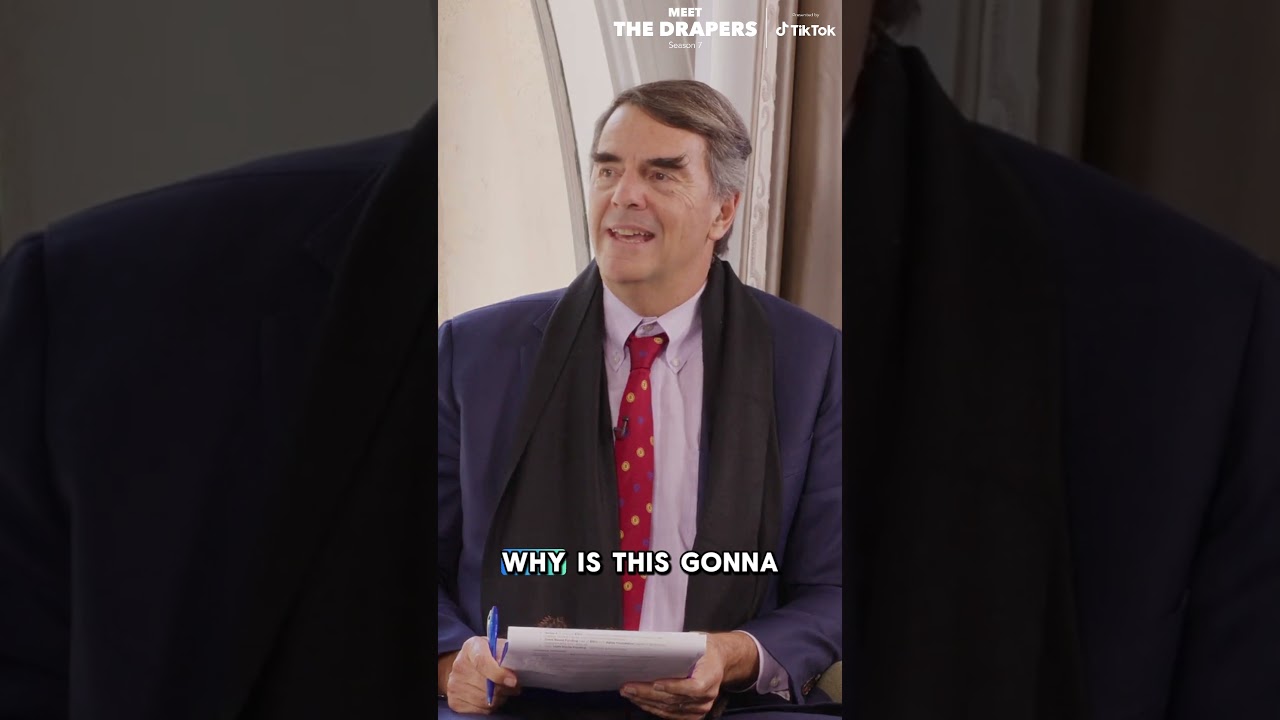
Tim Draper questions Pakistani founders about their waste-to-fashion startups. They discuss unit economics, manufacturing costs, and why their recycled-plastic approach will succeed where competitors have failed in Pakistan's market.
Do you have exclusivity on that content?
This is a very commonly pitched idea. I have also seen, you know, a dozen-plus pitches just in Pakistan about this. So you said it's a quarter of a rickshaw.
Yes.
What does that really mean?
Are you outright purchasing all of these vehicles? Then you have to maintain them. And as you grow, I mean, those costs can grow significantly as well. The process of getting clothing created in South Asia is a highly customized process, which involved a lot of back and forth between the I don't understand how this is all digitized. You mentioned that you are the second largest platform currently. Who's the largest platform? How are you differentiating yourself?
Well, I've seen many waste-to-energy, waste-to-product. Why is this gonna work when all those other ones didn't?
I mean, I think anyone who's trying to make an effort to incentivize, you know, mass populations to recycle plastic is doing good, but obviously the question is, you know, You know, how is this a sustainable business for you? I'm curious, is there a big market in Pakistan for these recycled plastics?
What is it that's— that you're doing that all these other people who are doing fashion in Pakistan are not doing?