Crypto Megan Podcast | Own Real Estate on Blockchain? PropyKeys Leading the RWA Revolution
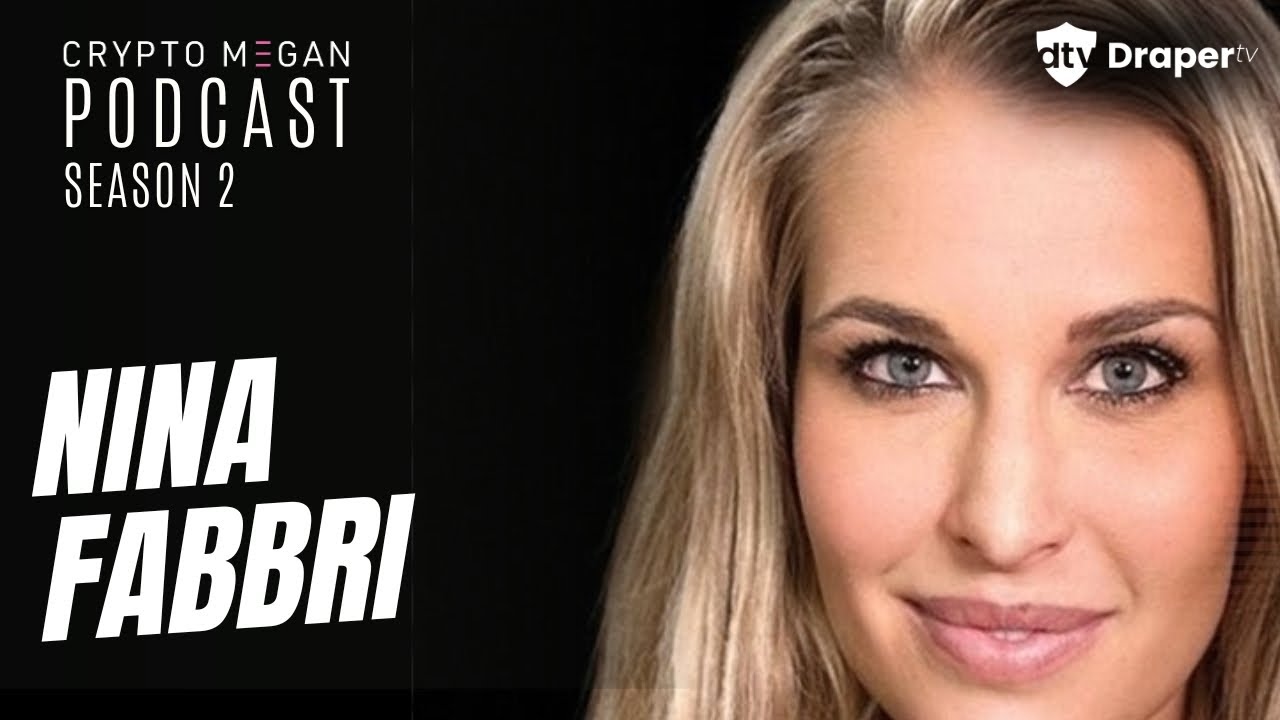
This content was created by Tim Draper. This content was uploaded by Tim Draper. This is a YouTube podcast episode titled "Crypto Megan Podcast | Own Real Estate on Blockchain? PropyKeys Leading the RWA Revolution" (published/recorded 2024-11-28). It is an interview-style episode hosted by Megan Nielsen (aka Crypto Megan) with guest Nina, founder/representative of Propy and PropyKeys. The discussion covers real-world-asset (RWA) tokenization of real estate: how NFTs can represent property titles, improve security versus hacked title companies, reduce title-insurance and closing fees, and enable new utilities (minting addresses, Landmark AIs, gamification, airdropped NFT event invites). The guest explains PropyKeys' dApp workflow (minting global addresses, verification/upgrades through Propy, privacy options, burn/reissue for lost NFTs), community incentives (e.g., 50 PRO token reward for notifying owners), and metrics (noted ~236,000 minted addresses since the March 13 launch and a token price move from roughly $0.40 toward ~$4 during rapid adoption). The episode also mentions sponsors and partnerships (Xebu), ancillary projects (All Time High vodka), high-profile use cases (Grant Cardone listing a $42M home accepting only Bitcoin), and plans such as collateralizing digital assets for loans and a target of 1M minted addresses. The content is an informative industry interview focused on blockchain, NFTs, and property rights.
Chapters
The current internet today, it doesn't protect the consumer. It's very prone to cyberhacking. The 2 largest title companies in the United States, they were hacked in the last 5 years, and they took hundreds of thousands, not millions, of records. They can create fake deeds. Last year was about $400 million of losses for homeowners.
$400 million? Yeah.
That's where an NFT solves that issue, right? And I think that the average consumer just kind of needs to understand that the NFT technology is really to protect their information and their ownership of not only their, the data of what they own, but also their personal data within social media. Even though most consumers don't really understand it fully, it should be looked upon in a more positive way because it's really the next evolution to protect your personal information. Anybody can mint an address anywhere, right? But if you are the homeowner and you want to claim your address, let's say I minted your address, PropyKeys will pay me 50 PRO token once I send that address to you. What if I don't want to put my address on chain? So when you do mint an address, you can make it private.
Welcome to the Crypto Megan Podcast. I'm your host, Megan Nielsen. I'm a high-end crypto and NFT portfolio and Web3 strategy consultant, I'm currently on a world tour as a Web3 keynote speaker at all the biggest Web3, tech, and fintech events around the world as an industry leader to educate anyone from beginner to C-level executive, and of course, to advocate for women in Web3. My mission is to inspire new people to get involved in the crypto and NFT space with quality, entertaining information they can trust. As pioneers in this cultural and financial revolution, a paradigm shift. My name is Megan Nielsen, a.k.a. Crypto Megan, coming to you for season 2 of the Crypto Megan podcast. We have a really special episode prepared for you today, and this episode is powered by Xebu, the world's first on-chain invoice settlement platform for the telecom industry. Right along the narrative of RWAs, which I'm so bullish about this year, I actually became a Xebu governance Council member, I'll be launching a node to help with the liquidity for these telecom operators that are now processing their invoices through Zebu in record time. Usually takes 7 to 10 days to settle. Zebu's helping them do it in less than a minute, more often than not. And so they are on track to process $14 billion by the end of this year. They just crossed $3 billion in transaction volume. A really big year for Zebu. So thank you for powering this episode. And also, along with the RWA narrative, I would like to show you this new vodka that we just became co-owners of. It's called All Time High. And actually what we're celebrating is an all-time high in the industry and also in Bitcoin and in all of the innovation happening now. So also going along with the RWA narrative, it's a premium vodka, 8 times distilled. And I'm not going to give it all away now, but it does reward users with loyalty in the token. You can also scan the top of the bottle to possibly win rewards. So it's really cool. I can't wait to tell you more. more about that. But without further ado, I'd like to introduce our guest for today, the founder of PropyKeys. Propy and PropyKeys being the leader in RWA and real estate. Nina, welcome to the show.
Thank you, Megan. It's great to be here. And congratulations on your new role with Xebu. We're big fans of Xebu. Got to know them very well at ConsenSys, and we had such a great time with the team. It's a wonderful team. So congratulations on that.
Yeah, thanks. It's, it's been massive year for the RWA narrative in general. And I think, you know, it's just been solidified by Larry Fink coming out, CEO of BlackRock, and saying, hey, like, all things will be tokenized. This is the year of RWA, right? And Propy and PropyKeys are, are the resounding leaders in RWA and real estate. So it's really exciting to have you on today to talk to everybody about the significance of this movement and why it's so important. Propy bringing property rights on-chain. So I think where we can start is just kind of giving a little bit of context about what Propy is, the mission, the problem, and what you're trying to solve.
Absolutely. So there— so first I'm going to start with Propy and then I'll differentiate about what Propy Keys is because a lot of people, you know, confuse both. Right. And it's completely understandable. We have similar names. Right. And so Propy, it was founded by Natalia Kara and her team, and they founded that company in 2016. And what Propy is, it's essentially a title company here in the United States, title and escrow. And they are functioning just as a Web2 company does when it comes to recording title, right? The traditional manner. But what they're doing is they're also building a layer on Web3. And so now you can go ahead and transact a piece of real estate through Propy, and they will record the title in the traditional way, but they're also adding a layer now where you can NFT your title.
Wow.
Okay. And which is very powerful because once you NFT and then RWA, upgrade to an RWA, you can utilize your title for many other utilities than the traditional form in which real estate is, is today, right? And real estate is really a liqu— an illiquid asset today, but with, with what we're doing, we are adding more liquidity to it.
That's, that's amazing. And just for context, for those who are watching that aren't super familiar with NFTs or what they are. It's, it's a way to bring your property rights on-chain. Can you break it down a little bit simply for those who aren't too familiar with the concept of NFTs?
Yeah, and so the way I like to explain it is think about the way that we record any ownership today, right? With a car, for example, you have a piece of paper, right, that says that you're the owner. Well, an NFT is essentially a digital version of that piece of paper, right? For example, if you have a title with a home, it's usually a piece of paper that says that you're the owner, and it's sometimes handwritten, right? Which is kind of old if you think about it. I mean, think about that.
It's a little antiquated.
It's a little antiquated. If you think about the world that we live in today, we have streaming TV, right? We order our packages and get them within 24 hours on Amazon Prime, right? And yet we're still recording title handwritten. Right? Or we're recording it in a way that's very, that is really pro— it needs to be evolved, right? And so that's essentially what we're doing at Propy and PropyKeys. We are now starting to record that piece of ownership of that property as an NFT, which is really a digital representation of ownership, right? And so we believe that, like Larry Fink said, and many others have said this year, that all things that are valuable will transcend from being recorded on a piece of paper, right? Or through a centralized system such as, you know, a government system, right? That's prone to hacking and being transferred into a digital ownership, which is essentially the technology, right? Behind what an NFT is. I know people say NFT and they're like, what is a non-fungible token? Trust me, I felt the same way when I first started, right? I was like, what? But it's essential. The easiest way to explain it is it's just a digital representation of ownership.
Right, that you can transact peer-to-peer or, you know, however you facilitate that transaction, but it makes it tradable 24/7, right? There's no bank hours or shutting down on certain times. It just makes everything way easier and way more connected, right?
Plus it's safer, you know, now that we're We're in the world of, you know, the, the current internet today, it doesn't protect the consumer, right? It's very prone to cyber hacking. And so, we've seen a lot of that these last couple years, the last 5 years, not only for major title companies that have been hacked by, you know, all kinds of cybersecurity gangs, right?
Really? And so, what happens when they're hacked? What does the information go out and—
It gets stolen. So, millions of consumers have have unfortunately suffered that. And so the 2 largest title companies in the United States, they were hacked in the last 5 years and they took hundreds of thousands, not millions, of records of, you know, owners and their information. And now it's being used in the dark web.
And so what can they do with that information that they've hacked then?
They can create fake deeds, right? That's a big issue. Last year was about $400 million of losses for homeowners.
$400 million. Talk about a problem that needs to be solved.
And no one really talks about it. You know, you see a lot of stats about cyber hacking, right? But nobody really kind of like puts it together, right, that it's an issue. And so that's where an NFT solves that issue, right? And that's where the security of information is being solved through this new technology, right? And I think that the average consumer just kind of needs to understand that the NFT technology is really to protect their information and their ownership of not only their, uh, the data of what they own, but also their personal data within social media, right? That's a whole other aspect that we can talk about, right? Which is, you know, the large companies like the Facebooks of the world and other social media platforms are essentially using your personal data and your contacts and your friends and everything else to make themselves rich. Right.
Yeah, I think, well, we will discuss this later on in the show that we did have Yat Siu on the X Spaces for PropyKeys not too long ago. And he infamously said, you know, we're all kind of serfs or servants essentially working for Facebook and Instagram for free, giving them our data for free, and then they're selling it back to us.
Yes.
Selling it back to us. So data is a huge, huge thing in this whole It is.
It is. It's really the— it's an asset that we are now starting to wake up to, right? That we can utilize ourselves instead of allowing companies, private companies, to use it for us.
Yeah. I think it's interesting what you said about people kind of don't connect the dots between the cyber hacks and— well, actually, when you think about crypto, most people in the outside world think of hacking within the crypto sphere, which, yes, it does happen, but it's a different thing than what happens in the physical world with the deeds and the titles. And then they're able to falsify falsify that information. And I think a lot of people think, oh, that would never happen to me. But judging by the stats that you just gave, it's more prevalent.
It's constant. It's constant. I mean, how many times— I know I've gotten several letters from, like, banks, from credit card companies, even my cell phone service is saying, oh, by the way, just so you know, we were recently hacked and your information was stolen. And you're just kind of like, oh, okay.
whatever.
And you just kind of put away the letter. But that's essentially the internet as we know today is under attack and it's being, you know, used in very negative ways to collect our information. Right. And so that's why Web3 technologies, even though most consumers don't really understand it fully, should be looked upon in a more positive way because it's really the next evolution to protect your personal information.
Wow, that's, that's really interesting. And I feel like this is the cycle where that's starting to come full circle because a lot of people last cycle, they saw all of the PFP projects. So that's the profile picture projects like the Bored Apes. You might have seen the monkey JPEGs, which I am a part of, and they are important as far as community building and membership. But there's so much more depth to what NFTs are. And I feel like that kind of like put a lot of people off like, oh, you know, this kind of whole thing, that's just a scam or it just went down by 90%. But actually the underlying technology is there to protect them and help them, which is now what they're starting to understand through companies, or what people are doing like Propy and PropyKeys, right? Is giving them that access and that protection instead of being something that can extract value, or, you know, it's something that can actually help them.
Yes, absolutely.
Yeah, so that kind of segues into my next question, which was why Web3? And I've had this question You know, I started my world tour about 3 and a half years ago for— I was doing— helping with the blockchain track for Money 2020, which is the biggest fintech event in the world. And they were just starting, you know, and also Web Summit, they had their crypto stage back for the first time in 4 years, and they were just starting to kind of get back into the narrative of what can this do for us? So what actually can it do in the real estate world that physical, you know, rails can't do?
So that's a great question. And I'm asked that question a lot, as you can imagine. So there's many use cases for it, right? And I think that as we continue to evolve as an industry, there's going to be even more. I'll give you some examples of what we're currently seeing today, right? And what I, I believe will happen in the next, you know, 5 to 10 years. So today, my background is real estate, right? I've had a real estate brokerage. I've been involved in real estate now over 18 years.
Wow.
And I've seen— I've dealt with a lot of clients and I've seen a lot of inefficiencies in the way that a real estate transaction happens. And there's also the fee issue, right? There's a lot of unnecessary fees that are associated to a real estate transaction today that help first-time homebuyers, right? And so this technology helps minimize those fees because it minimizes the legwork, right? Especially when it comes to title. So when you buy a piece of property, you pay a title company to go to the county and verify that there is nothing wrong with that title. With an NFT, you don't need to do that, right? So then the title company has to go and do all this research, go through all this paperwork, the stack of papers of the history of that property. Whereas if you had an NFT that already verified everything that's on there, it's like a chain, right? And so all you do is now have to add a new chain when you get a new owner, right? But that information is already digitally saved. Right. So you don't need to pay someone to go through a stack of this much paperwork, right, to verify that there's nothing wrong, there's no issues with the title itself, there's no issues with any clouds, right? That's what it's called, clouded title, right? And so that's one way that it minimizes fees. So that's one example.
That's interesting. And so that protection layer again is coming back into the the whole reason why they would want to use Web3, apart from the speed, the efficiency, saving that money on the title insurance. Yes, there's so many reasons it seems to, to use these kind of rails, and it feels like we're just so outdated with all the stuff that we're doing as I'm listening to you.
Yeah, we are. And, and the reason why a lot of people have to pay for title insurance, right, which is an additional income— so when you buy a home, because there's so many so much human error, right? And the way that title is recorded today, you have to buy title insurance. Okay. So—
Wow.
Then that gets added to your mortgage, right? So that's another additional fee that the homeowner has to have. And then once you pay off about, I think it's 20% of the mortgage, then you can stop paying that title insurance. So you not only have to pay a fee, you know, during the closing, but then you, then it gets tied to your mortgage and you have to pay an additional fee of that, right? So what we are thinking in the future is that those fees, the closing fee, will be minimized, and then that title insurance won't be necessary anymore because now you have, you know, that NFT.
Right. And I think one of the questions that I get a lot is, or statements rather, is, oh yeah, the Web3 crypto thing, I've been meaning to learn, I've been meaning to look at it, but people feel so overwhelmed, like it's something that That would take too much time that they could never possibly learn. Yet, you know, if we take this back a few decades, or just back into the '90s when the internet was conceived and we were starting to use the internet, I remember I saw one ad on Instagram the other day. It said something like a woman was outraged because the diner was accepting cards and was advocating for credit cards. And it was like people didn't trust credit cards.
That's wild.
So, if you just take it back there, then you can kind of think about how things evolve. And actually, it's not too hard to learn. One of the things that Charles Hoskinson said, the founder of Cardano, in one of the Spaces that we did was like, we shouldn't assume that people are too ignorant, or, you know, he used the words too stupid to learn. Like, people learn the technology, and they do, and it gets more and more widely adopted. And last thing I'll say about that is, because I know a lot of people here are overwhelmed listening already, you know, probably, but I want to walk them through why this is so revolutionary and not as hard as they may think. to get used to this, is that, you know, he said that first of all, people aren't too stupid to learn. They'll be able to do it. And then Arthur Hayes, the ex-CEO of BitMEX, said adoption will feel really slow until in hindsight, you know, you can see that it's explosive. So it feels like we're right there.
It does. It does feel like it. Everyone that we talk to, whether it's, you know, just day-to-day consumers real estate agents, real estate brokerages, they're starting to see the writing on the wall, right? They're starting to say, wow, you know, this is a much more efficient, inexpensive way to transact title. So I think that people are waking up to it. And like, to your point, right, people didn't know what email was, right, in the 1980s, even early 1990s, right? And, and look where we are today, right? And, and people were uncomfortable with using credit cards online, you know, in the, in the 1990s and early 2000s. I remember having these conversations with people. They're like, I'm never going to use a credit card online, right? It's not safe, right? Or shop online. And look, malls are dying because people are shopping online and they're using the credit card. So I think it's an evolution. It takes time, right? And so, um, you've seen already a couple bull runs, you know, in the Web3 space, and each time You know, you have good players and you have bad players, but we have the same thing in everything, right? And anything that you could think of, any industry, whether it's the financial industry, right, in the 1920s, 1930s, whether it's, you know, what happened with FTX in the last cycle, you're going to have— you're going to have winners and you're going to have losers and you're going to have good players and you're going to have bad players. And that's just the evolution of technology.
Yeah, absolutely. I think— I don't know if I'm getting this stat right, but Amazon corrected about like 50%. or more, like the first years that it was publicly traded. So—
They didn't make money for a long time.
People don't remember those, those things. But yeah, Amazon, the titan that it is today, had its also volatile period. And that's also when it's the chance for, you know, the highest upside as well. And the early adopters that get involved, they can take advantage and ride that wave if they just have the long vision with the good projects like Propy and PropyKeys and people who are developing the tech of future, essentially. You know, we could be sitting among the Jeff Bezos of the world of Web3, and we don't know, you know.
Yeah.
And here we are. And yet you guys are clearly— you've established this first mover leadership in this area, and clearly you're experts in, in the Web2 world in real estate, which I really like. And it's something that drew me to Zebu too. Companies, people that are really skilled in what they're doing, and they bring that then on-chain instead of vice versa. I think that that's really necessary to transfer those— that knowledge over and be able to correctly kind of predict and understand what needs to be done in that system.
Yes. And that's, you know, that's our North Star, right? That's bringing the world on-chain, right? Bringing real estate property rights on-chain to help homeowners all over the world, not just in the United States. You know, we're starting in the US, right? You can register an address all over the world in PropyKeys, right? But we do believe that blockchain can solve many, many issues when it comes to individual rights and property ownership, not only in the United States, but in the world.
And we do have— so I want to take this over to the point about we did make a docuseries powered by Propy and PropyKeys. It was all about— it was called NFTs Are Dead, which is just— was a way to get the reaction from the community because the community is so tightly woven and so kind of diehard. They love this space. And so it was awesome to get that knee-jerk reaction of, what do you mean? NFTs are just starting. And so we saw all of the different innovation happening there, and that is coming out within a few weeks. So that's really exciting. And that really highlighted a lot of the issues, which you'll see there. Can you just give us like one scenario of a homeowner that the problems that they could have or losing their home or potentially, you know, buying a false deed, things that you've come in encounter with? Because I want people to really understand who are listening, The actual real problems that are happening out there.
Well, I'll give you an example that we saw this year with a very famous home, uh, Graceland. Oh, which is Elvis Presley's home, right? Um, uh, someone created a fraudulent deed of Graceland. It's owned by, uh, Elvis Presley's granddaughter. Okay. And she did not know that this was happening. This was happening under her nose and somebody was trying to sell the home with a fake deed. Online. And thankfully they were able to catch him. But that's an— that's a real issue, right?
I mean, that, that amount of money too. Oh my gosh.
Think about that. So imagine if, if she had not gotten word of that, that, that home would have been transacted and then it would have been years of, you know, being in court trying to prove ownership.
Headache, hardship.
Headache, hardship, all of that. Yeah.
Yeah. And that's just one example of so many. So We clearly see the reason, the need for this. And now going into actually putting your deed on-chain, creating an NFT, I think that's also where PropyKeys comes in, that you can now mint your address on-chain, right? So tell us a little bit about that side of things.
So PropyKeys is part of the Propy ecosystem. And so we're a dApp. And what we're doing is think of us as the registry of global addresses, right? Or it's an ENS play, or, you know, think of us as the GoDaddy, not of domains but of home addresses. And so you go to propykeys.com, or you can also access us through the Coinbase wallet. Look for us in the Coinbase wallet. You download it and you look for PropyKeys, and it takes you through a journey where you connect your wallet, and you'll need a little bit of ETH and PRO tokens, which you can buy on Coinbase. And then you enter whatever address you want in the world and go ahead and mint it. And so you don't have to— so the first tier, we have 3 tiers of ownership. The first tier, you don't have to own the address, right? But if you do own the address, then you can upgrade to the second tier. And as soon as we verify that you are the real owner through Propy, our title company, Then we go ahead and create that NFT for your property.
That is so cool. And I have to say, I did— I've tried this. I, you know, I've been following this journey for a while now since last year with you guys, and I am super addicted to minting addresses. I actually minted Paris Hilton's address.
Oh, I love that.
Where she lives now. Yeah, she's renting, so if she ever gets in the market to buy it, you know, you never know, she could be buying it through an NFT. But it is really fun, and it's, it's enjoyable. So I think that's one of the things that made Propy achieve such a network effect so fast, uh, Propy Keys, is that people were enjoying this and they were learning in the process. And then you see, wow, and it pops up and, and it goes across the screen like you— somebody just minted in Beverly Hills, and you're seeing all this stuff in real time. And it's like, whoa.
It's, it's been an incredible, uh, launch. We launched Propy Keys, uh, March 13th of this year, and it was just People were so excited about it. We now are at 236,000 minted addresses globally. Wow.
That is, I mean, that's fast.
And the reason why we had the party here in New York was because we have one of our biggest communities here in New York City and New Jersey.
Interesting. So New York took the lead.
New York took the lead. Yeah, they've been taking the lead for a while. New York and New Jersey, they're fighting.
They're fighting for that. They're rivalries.
Yeah, they're rivalries right now. And so what the nice thing about NFTs, right, is it adds a different form of usage to that NFT. So what we can do, what we have the ability to do with these minted addresses and the NFTs is we could do airdrops. And so we planned this party with Notcha, which, you know, Notcha is amazing when it comes to organizing these parties.
Absolutely.
You know, that whole team is just great to work with. And so we airdropped the invite to all 1,900 of our members in the New York, New Jersey community.
As an NFT?
As an NFT.
Okay. That is so cool.
Yes.
That's very cool. So they're learning in the process, they're getting fun things, they're— you're building community, starting to achieve that network effect. I mean, it's just gone so fast. I remember, and when I first came in contact with this and we were looking at PropyKeys and And before it launched, I mean, the token was around $0.40, I want to say. And by the time you guys hit, I don't know, around 100,000, which was how many months later was that? It was about like—
Like about a month and a half into it. Yeah, it was super fast.
Into the launch of PropyChain.
Into the launch of PropyChain, March 13th. Yeah, so we launched on March 13th, and within a month and a half we got to 100,000.
That's so crazy. And so the token, which is reflective of the community size essentially, went from around $0.40 to almost $4, I want to say. That is wild. And it's just, it's not the price that matters. It's actually why that's happening. Of course, people are excited about the price. You've got a lot of people who invested in this, and they're excited about it, me included. But I watched this thing go, and it's actually just a real-time reflection of what's happening with the community, that more and more people are getting involved. It's a bigger and bigger market cap, and it's starting to grow because it's achieving that network effect. Yes.
It's very exciting.
That was a wild ride. I know a lot of people were just like, whoa, what happened to this? And, you know, we had been talking about it and just saying, hey, Propy is doing such cool things. Now Propy Keys launched and boom, there it happened. And so you guys clearly, I mean, just took over the RWA real estate narrative and space. So that was fun to see. And then you launched your landmark AIs, right? And that was, that's one of my favorite aspects to this day. Maybe you can explain a little bit about what that is.
Sure, sure. So we not only wanted to make it fun to mint an address, right? Which, like, to your point, you know, it's cool to go on the dApp, look at all the addresses and the activity and, uh, you know, the different countries that things are being minted in. We wanted to test out, uh, gamification, right? Because we do believe that gamification is an important aspect of the Web3 world, right? Um, and we do think that it's also going to help us to, to achieve our goal of 1 million minted addresses by the end of next year.
Well, I was just gonna ask you, and I answered. A million by the end of next year. I mean, you hit 200,000 so quickly, it feels like you could get there even sooner than that. I'm just speculating here.
From your mouth to God's ears.
Just by pure observation here. I mean, this thing catches fire because you've got Larry Fink, you've got BlackRock saying that all things will be tokenized. You guys are first movers. So some of the questions that might come into mind before we get into landmarks that people have asked is, well, you know, like, do— what if other chains launch this or other people do this? And my answer is always kind of like, it's like brands. It's like Nike or like Adidas, and the community that's the biggest, right? And the one that's kind of just doing things first has that first mover advantage. And you can do so much with it. And when you build a community around something, it's kind of— it gets sticky. And that's what matters in Web3.
Yes. And we've had other companies come into the space. We're not the first You know, uh, well, we are the first, but we're not, uh, uh, we're not the only company that has tried to tie real estate, right, to, to NFT technology. Uh, we've just been able to survive different, different bull runs.
And, you know, which says a lot. I mean, 2016 was when Propy launched. I mean, that says a lot about a project, just— and I know that sounds crazy compared to like companies that have been around for— but in the Web3 space, that's like light. It's so many years. It's like decades in the Wonderspace.
It is.
So it does say a lot about what you guys are doing and building and being able to pivot and persevere and go through and build something to stand the test of time. That's really important. So that's what I love as well. And there's so many things you can end up doing with these domains, which maybe we can get into a little bit later. But the AI landmarks, so you can now mint landmarks around the world, right?
So yeah, so that's one of our games. So Landmark AIs, What we do is we created a ChatGPT integration within PropyKeys. And so you can go anywhere in the world, you could, you can mint anywhere in the world and, and use this and personalize that NFT. And so we added like Web3, you know, symbols and, and, and to make it fun for the community. And so it's only once a month. It's usually on the 13th of every month that we do this launch and it's only for 24 hours. And so The next one that's coming up is going to be July 13th.
Okay, really soon.
And people love this. They compete, you know, they try to get the landmarks. I think the top 50 landmarks around the world are already minted within the NFT eyes.
I mean, I've been following this movement since the start, and I got to tell you, I was jumping in there. I wanted to mint the Hollywood sign because I have this studio in Hollywood, and that's where we started the podcast. And so I went on there and somebody had already minted it. So I actually ended up buying it on the secondary market.
I love that story. Yeah, for 1 ETH.
1.05, I think it was. And I believe that's cheap. For me, I'm looking long-term and I'm thinking, wow, okay, what can we do with these? These are historical monuments that we're able to have on-chain that we can eventually build out. I don't know, you can do so many things with it. The ENS play is the way that I think of it. And then you can kind of tie other things. So I'm so excited. I think there's so much there. I want to actually show you now some of the landmarks that I've minted because people also mint landmarks that mean a lot to them. Like I live in Marbella, Spain, and I minted Marbella and Sevilla, some cities in Spain and also landmarks in Spain. Here in New York, actually the Virgin Hotel, because we did, you know, a whole thing there last time. So it's fun, it's sticky. And the crypto symbols that you're talking about, it was like Dogecoin and ETH and Bitcoin and they show up there in some cool—
Yes. Yes. And you can personalize it. So it's fun. And it was great to see when we had our event yesterday, the party, we got all the major landmarks for New York City. Right. That our minters that were attending the event had minted. That's so cool. So we showed that on the screen and they just, they were blown away by seeing that, right? Like, oh, that's my, that's my landmark.
And I feel like proud about it. Like, I did that. Yeah.
Yeah. There's like a sense of pride, right? Because of your city, right? And the landmarks within your city.
And the main guy who minted the most, he was talking about how he bought his whole neighborhood, all the addresses in his neighborhood, and he wants to go out and then show them how to NFT their homes because I know there's also incentives there as well. So I mean, it really gets the community going, wanting to propel the movement forward, right?
Yes. And so what we do is anybody can mint an address anywhere, right? But if you are the homeowner and you want to claim your address, let's say I minted your address and you're the homeowner, PropyKeys will pay me 50 PRO token once I send that address to you, right? So we're incentivizing our community to mint addresses, right, that they don't necessarily own. Right. And then go and tell the owners. Right. Because our goal is to essentially put real estate title on-chain.
Yeah. And those incentives are so important in Web3 because that's what creates this network effect is, you know, gamifying things and making them fun, making them using the community and helping the community, giving them value when they give you value.
Yes.
That's the whole thing about Web3. I mean, it's not an ecosystem to be extracted from anymore like Web2, where it's just all the billions of dollars in ads they spend is extracted from the community.
Exactly. Exactly, exactly. Like, you know, you— so you as a homeowner, you own a piece of paper that says that you're the owner, right? But that's all you can do with it, right? But in Propy and PropyKeys, you can play games, right? You can open up a whole other world of utility for that title.
Yeah, that's, that's very cool. And how difficult is it to get the— so I know some people have asked me, well, what if I lose the NFT? Do I lose my home?
No, we burn it. Okay, then we start a new one.
So burning then, for people who are watching, is just kind of getting rid of the NFT essentially.
Essentially, yes.
Right, yeah. And that's, you know, it is an essential feature as we're starting out, and security is difficult right now in this space, right? So it gives people more of a sense of calmness that, okay, if I somehow don't do everything properly or something happens, then it's okay.
Yes. And then the other concern that we always have is, what if I don't want to put my address on-chain? Right? And so we do have a privacy option. So when you do mint an address, you don't necessarily— you can make it private so people don't necessarily know your address. That's cool. Or your personal information.
Yeah, so you don't have to be out there if you don't want to.
Yes.
Speaking of being out there, uh, Grant Cardone just came out and said he's selling his house through Propy, right? In Bitcoin.
So we RWA'd his home.
Oh my gosh, that is so cool. And that's just such a cool way of getting traction with people who understand this movement and understand the value there. And somebody like Grant Cardone, who's so prominent in the real estate industry, it feels like this is just the beginning of the big boom.
It's been really exciting and wonderful to work with him and his team. They're just amazing, and they understand the technology and the future.
So how much is this house for sale?
It's $42— I believe it's $42 million.
$42 million, and it's in Bitcoin.
And he's gonna only accept Bitcoin.
Only accept Bitcoin.
Yes, yes.
It's making a statement.
It's an amazing price. Oh yeah, no, he's like, that's it.
You know, I mean, when you think about it, imagine if he does get that $42 million in Bitcoin now and where we're at in this cycle, if he were just to hold it. I mean, this is like, I mean, it's unfathomable the amount of wealth he could build by accepting Bitcoin at this point in time. And more people, I hope, are going to start to wake up to that as well. The value of doing something like that is, it's very cool.
It is. It is. And so something that we're working on, that Propy is working on, is We are looking at collateralizing our digital assets in order to take out a loan for, for an RWA.
So that would mean that you could essentially use your Bitcoin or whatever you have as collateral to buy a home. To buy a home. So you wouldn't even have to go to the bank for a loan in that case. Would there have to be any kind of like, how, how would that— so I mean, it's just so hard to imagine a world where you can just do that. You can say, hey, you don't need to know who I am or my history or any, anything personal about me. Per se, you know, the normal KYC and AML is still there, but I can use this now without having to, you know, go through all the traditional tired methods of getting a mortgage.
Exactly. And so I was talking to someone, a builder at this event yesterday that we had for Property Keys, and he was saying that he just got a mortgage, right, traditional way. He didn't know about us. And he said— and I said to him, well, what if I told you that you can use your digital assets as collateral. And he says, oh my God, the bank didn't even ask me for my digital assets.
Of course the bank didn't.
They didn't care.
More than not care, I mean, they're so threatened by it. It's kind of like, I feel like they're not there yet, right?
Like, so he just showed, you know, credit and then stocks. That's all. That's all he had to show.
So stock counts.
Stocks counted, but, but crypto didn't. And so I said, what if, what if, you know, you had done that? And he says, oh, it would have been even better for me, right?
Oh yeah. Why? I mean, it's part of his net worth, his wealth, and the way that he can collateralize something. And it's just so much easier. I mean, imagine like putting your house down as like getting a mortgage out on a second mortgage on your house, or using an illiquid asset as something that you use to back that loan. When if you use this liquid asset that's on-chain, that's instantly convertible, I mean, it's so much better for everyone involved.
It's better for the consumer. Yeah, not, not better for the bank.
Yeah. Well, I mean, it's easier to essentially, right? It would be easier to get the money back is what you're saying.
It will be.
So I think that that's like one of the ways that we're going now is that, okay, that's essentially could be better for the bank right now. They're making a lot of fees and a lot of things off. Yeah. So better for the consumer, which is it's about time.
Better for the consumer.
Why Web3? There it is right there. And one of the last things I wanted to touch on as we were kind of wrapping this up then is the Spaces with Yat Siu. the co-founder of Animoca Brands. We were on the Spaces and we were talking about why Web3 and the network effect and the importance of a token. But one of the things that he said was that, you know, this— it's so important to achieve that network effect, that token, because everybody is now a stakeholder in a greater ecosystem, right? They feel like they're a part of something. So what was— what did he like? Take us through exactly what he said, because I remember he said something about like why Propy was so important in this. evolution of the internet?
His insight was incredible because, you know, sometimes you're, you're in the world, right? And then you don't see it that way.
Yeah, a new perspective.
A new perspective, which was, you know, I really appreciated. Essentially what, what he said was there's billions of dollars in real estate, right? And so our entry point into the RWA space and real estate is is very important for that reason, because we're bringing in all of those consumers from the Web2 world into the RWA space through real estate. Right. That was, that was one great point that I just loved that he pointed— that he mentioned. The other thing is, which makes complete sense, is it adds a layer of utility to an asset that, you know, when you buy a home, you can rent it. Right? You can live in it, right? You can Airbnb it, but that's really all you can do, right, as an owner of a house today.
Right.
But to my point, once you put that title as an RWA, it unlocks a lot of utility. So let's say we create a partnership with a large insurance company, right? Now that you have that minted address, that NFT, we can airdrop a special discount for homeowners.
That is so cool. So wait, wait a second, you're actually saying that the homeowners can get more value instead of being extracted from, you know, like just one of the many layers. So that, that's insane.
Yes. So to, so to Yat's point, it adds, um, an extra layer of benefits, right, to the homeowner. Once that property is put on chain.
Right.
And so as a, as a company, we're now exploring different partnerships, not only for all kinds of companies in the home buying cycle, but also beneficial companies that can help homeowners. Right.
That's so cool.
And so in the future, you know, this is in our roadmap. What we want to do is we want to create airdrops for owners of our NFTs. that are going to give them some sort of benefit, whether it's a discount, whether it's a free product or service. We're exploring a lot of different partnerships today for that. And the other utility that you don't currently, as a homeowner, you're not able to use, right? Because once you own that home, if it's in, you know, just with the, just a piece of paper or just, you know, a title, you know, with a title company.
Mm-hmm.
Uh, is, um, you're going to be able to transact that home wallet to wallet, right? You're going to be able to sell it, uh, the way that art NFTs are sold today.
That is so crazy to think about. And actually, in the docuseries, when we're going around and asking people, hey, would you, would you RWA your home? Would you put your property rights on chain? One of, one of them said, yeah, absolutely. I mean, you could trade it 24/7, wallet to wallet. I mean, they already had this thought. And it's like so cool to see that you're bringing that to reality, right?
Yes. Yes, it's, it's, it's now adding an asset that's never been that liquid, right? It's adding the availability of becoming liquid, right?
And so then let's put it into context for the viewers. The real estate industry as a whole, the size of it, more or less, would you say?
In the United States, it's, I believe it's about a $450 million It's massive.
And so, the potential there—
Just residential.
Just residential for what Propy is doing. And where we're at now, to me, says that we're very, very, very early in this movement, and that there's so much potential and room for growth. You're in talks with all these major companies to give value back to the community. You guys are really doing things right, it seems. The community, last night at the party anyway, was super happy to be a part of this. I'm super happy to have been a part of it and to be minting addresses. And it's just really cool to see the evolution of this and how fast it's grown. So what's next for Propy on the roadmap? What, so you said a million, your goal is a million minted addresses by next year?
By end of next year. Yes.
Okay. By end of next year.
We're working on these partnerships, right? For adding utility to our NFT holders. And we're also working with a large gaming company to also add more utility to those NFTs. So it's all about utility for us right now and what else we can give back to the community.
That's, that's super cool. I'm really excited for whatever you develop next because it's all been so sticky and so addicting up until this point. I can't wait to try, try the next iteration of what you guys are doing. And yeah, I guess next up we've got Nashville coming up here. So we hope to see the PROPI community in Nashville, maybe some surprises in store.
Yes. Yeah.
Hmm, maybe.
We'll see. Yeah.
And yeah, I just want to thank you again, Nina, for being here and for kind of like walking us through what this looks like as more and more homeowners wake up to the fact that this is actually beneficial to them, providing more and more value to them, not as hard as they may think. And it's really exciting to see. So I'm looking forward to seeing the next iteration of RWA homes, of the RWA narrative in general. So bullish on this for this year. And I'm just really excited we had this talk today. So thank you so much for being here.
Thank you for having me.
I want to show you guys this shirt here. It says, eat, sleep, mint, repeat. Propy's got the best swag. We're not sleeping, we're just minting. This is actually my reality when Propy comes out with the landmark AIs. I just like, I just don't stop. So I love that shirt on you, by the way. Yeah, I love this swag. It looks great. We had so much fun today, guys. Tune in if you're a homeowner. You cannot miss this episode. There are some real gems here. And Nina, Really walks us through what the benefits are of RWUing your home, why this is going to be so huge, and why you could be one of the first movers, the value in that. So it's an action-packed episode. Do not miss it, right? And thank you, Nina, for doing this.
Thank you.
More from Tim


He Sold His Car to Build This Startup, Then Pitched It for $1M 😳 #Startups #AI

This Startup Moves Your Crypto BEFORE Hackers Can Steal It 😳 #Crypto #Cybersecurity




15 Months Without Refrigeration?! This Startup Thinks It Can Go Global 🥥 #FoodTech #Startups



