Dedication and Tenacity | Justin Wohlstadter
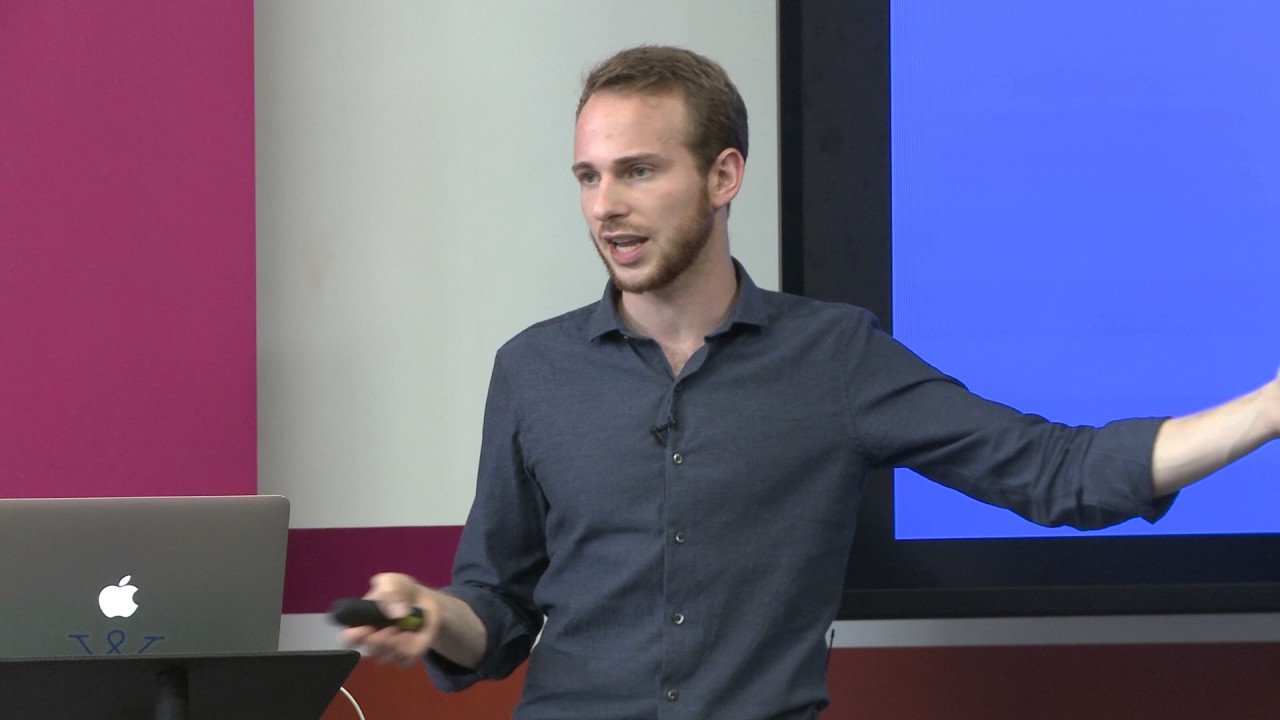
Justin Wohlstadter moved his company from subscription tiers to a per-request bundle model that charges only when used, similar to a subway pass. The company has answered 13,000 user questions but doesn't yet reuse that data. He stresses tenacity, frugality, and surrounding yourself with supportive people to survive the decade-plus grind of building a company.
I'm curious how you determined your price model. You chose this versus a subscription. So I'm interested in how that process goes.
Yeah, so that's this part right here. So we screwed this up. We— so in the beginning, I spent a month or two trying to figure out what our pricing model would be. And talking to a bunch of our VCs, they're like, oh, you should do a subscription model. All good companies have SaaS revenue. Right? Repeat. It's recurring. It's, you know, you can track it easily. It's awesome, right? So in the beginning, we actually looked at a bunch of different models. Fancy Hands had a similar model where, you know, we couldn't do an unlimited subscription because we pay our researchers for every request, right? So the reason why Uber doesn't have an unlimited subscription is because it's so expensive, right? So if you paid Uber $100 a month, You would ride everywhere in Uber, and it would cost them thousands, and they would never make a profit. Right? So instead, we picked some sort of a hybrid where basically you could buy a subscription of five, fifteen, or fifty requests per month. And just like your cell phone bill, you would subscribe to one of those three tiers, and every month it would auto top up your requests. Right? So basically, the five requests here, you'll get five more requests every. Regardless of whether you use them. And so if you had too many, you could like scale down your tier or whatever. Long story short, as you could probably guess, there's a reason people don't like their cell phone companies, right?
Uh-huh.
It's because you're either getting screwed because you got too many minutes and you're not using them all, or because you didn't pay enough and you're getting charged overages, right? Which is basically what we were doing. And it just didn't make sense. For us, right? And we kept having users email us like, "Hey, can I just pay for one request?" And we were like, "This is stupid." So we ripped out the auto, you know, the automatically charge again in the month for five more subscriptions. We turned it into a bundle model, which we still have today, but we'll probably get rid of. So if you want, you should buy it right now. But basically, it's the same concept, but it's more like you're. It's like a subway pass. So you can buy 5, 15, or 50 requests at a time for a discount. And when you run out of those 5, it auto-tops up. Right? But it only tops up when you actually use them. So it's a little— it's more fair.
Right?
Yeah. But still, like, for us to have to, like, when someone wants something to pay, explain to them that whole model and get them to, like, decide between 5, 15, or 50 Right. Uber is really simple, right? You put in your credit card, you tap the little card thing, if you want to see what the price is, you can, right? And then you're done, right? And so similarly, we've now moved to a model where you enter in your credit card, right? We show the price, $19.99, and you're done. And every subsequent request, you'll never be— you'll never have to, like, make a choice, right? You'll ask a question, And on the success screen at the bottom it says, you know, you were charged $19.99, view your transaction or whatever. And you can cancel it if you want. So keep it simple, right? I wish in the beginning we hadn't built all this complicated architecture to do a SaaS revenue model and instead just charge people per request. So, yeah.
Did you have to build something like in-house to aggregate all the questions? Do you guys take questions that come in and organize it in some way, like archive it in some way?
Yes, this is really crazy. So right now we've answered almost 13,000 questions in the past few months. We do nothing with it. We don't SEO it, we don't index it, we don't make it searchable for anyone, we don't reuse it, right? Which is crazy, right? Because we get similar questions all the time. If we can reuse insights from our questions, which we can, right, it A, increases our margin, B, decreases our turnaround time. So it's very obvious for us to do, and we are working on a lot of stuff in that realm. But right now we do nothing with it. Again, back to this principle. So yeah.
Do you guys do that?
Like, do you offer APIs for other startups to use to be able to We'd love to, right? Yeah. Back to the whole making knowledge accessible and explorable. Yeah, it would be so cool if like because we have like the depth of knowledge that we are creating in this thing that our researchers are creating is incredible. And the questions we get on a daily basis actually maybe I can show you guys the Slack channel are like so fascinating. So it's really cool. So just to finish, I'm gonna give five quick key. Takeaways, and then we can go to more questions. This one's already kind of beat over the head, but please don't over-optimize. You're gonna hate yourself for it. But, but the first one I actually put up here, and I forgot to relabel it— you can see I switched these 2 around— tenacity, right? So back to that oath you guys took and the beginning of this thing, I am a firm believer that luck just comes to people who slug it out for a long, long time and are willing to stick with it and just make it work.
Right.
Like, all these TechCrunch stories or whatever it is you see where someone started a company and sold it, you know, 18 months later is like such a tiny, tiny, tiny percentage. It's like winning the lottery, right? Great companies are built by investing your time, and that's just what it takes. And it takes a lot of screw-ups and a lot of mistakes. I used to wonder when I was a VC, I used to wonder like, why are all these really smart VCs investing in second-time entrepreneurs even when they screwed up the first time and failed? And it's because you just make so many stupid mistakes that there is no way to account for. No matter what I could tell you here this morning, you will make so many mistakes. And the only way to do it is to just slog through it, right? And so I often tell my friends when they say like, oh, I have an idea, I want to start a company, unless you believe in what you are doing in this idea enough to be willing to sacrifice the next 15 years of your life to it, do not do it. Because that is how long it takes, minimum. Right? Like even Facebook. Which is like a huge success, right? Took eight years to get to IPO, right? And that's like an outlier, right? Most successful companies take a decade, two decades, maybe more to really be successful, right? So if you are not that committed to what you are doing, join another company. That's why I joined Divide at the time, Enterpoint, right? I wanted to get the skills. I knew I had an idea, but I wasn't ready to commit a decade at least of. I like to do it. Get the skills you need. Work with amazing entrepreneurs. Come work for Wonder. But, you know, really make sure that you are so passionate about this thing that you want to spend your life on it, because that's what it takes. 2 more quick things. This one's a super obvious one that everyone talks about. So you asked about our funding, right? One of, I think, our I think one of our key advantages over the past few years is that we are just super thrifty. And I mean, having been a former VC, I know the only reason companies die is because they run out of money, right? So making sure you always have money, but more importantly, making sure you are not spending that money is so critical, right? And there are so many companies, by the way, that were founded after us that raised $10 million more than we've ever raised. Right? And are out of business before us, right? Like, you know, Secret or any of these companies, right? Where they've raised so much money and they're gone, disappeared, right? And it's because the founder believed that they had the scale and they had to like double and triple and quadruple the size of their team to make this thing successful and whatever. It's not necessary. You can build a lot with a very, very small team. You don't need a lot of money to do it, and as long as you stay super thrifty and small, you can do amazing, amazing things. So that's really important. This one, not talked about so much, so important. Your emotional state as a founder is so critical. And that's actually related to the 5th point as well, but if you have people around you who are negative, right, and who don't believe, people on your team who are draining your energy, it is very dangerous, right? Because, you know, the people you surround yourself with, it seeps into you, right? It's toxic, right? And to my last point, If you know it's going to take years to even get started, to even get anywhere near off the ground, right? I mean, as I mentioned before, it took us 2 years before we even put anything in the public. If you have negativity around you, it will kill you so fast.
Right.
So get rid of that as fast as possible, because you need that positivity to make this successful. And that's really the last point. As the founder, right, or founders, or as an early employee, lighting the fire in people's eyes on a daily basis is probably the most critical thing you can do. And that is entirely dependent on your energy level, right, or your ability to control your energy level. When I walk into, you know, our morning check-ins and I had a bad day, right, and I'm frustrated and I'm like, you know, whatever, I slept on the wrong side of the bed, my team senses it like this, right? And if that happens with any amount of consistency, they start to feel that way, right? And they're unmotivated and they're grumpy and then they get in fights with each other, right? And, you know, being excited and passionate, and that's why, again, these all tie together, you should be doing something that you're doing because you want to spend the next decade of your life on it because you're so passionate about it, that passion will help you light the fire in yourself and in others, and doing that will sustain you for success. Because that's, that's what it takes to get through that slog. So anyway, that's it. Thank you.
More from Tim


He Sold His Car to Build This Startup, Then Pitched It for $1M 😳 #Startups #AI

This Startup Moves Your Crypto BEFORE Hackers Can Steal It 😳 #Crypto #Cybersecurity




15 Months Without Refrigeration?! This Startup Thinks It Can Go Global 🥥 #FoodTech #Startups



