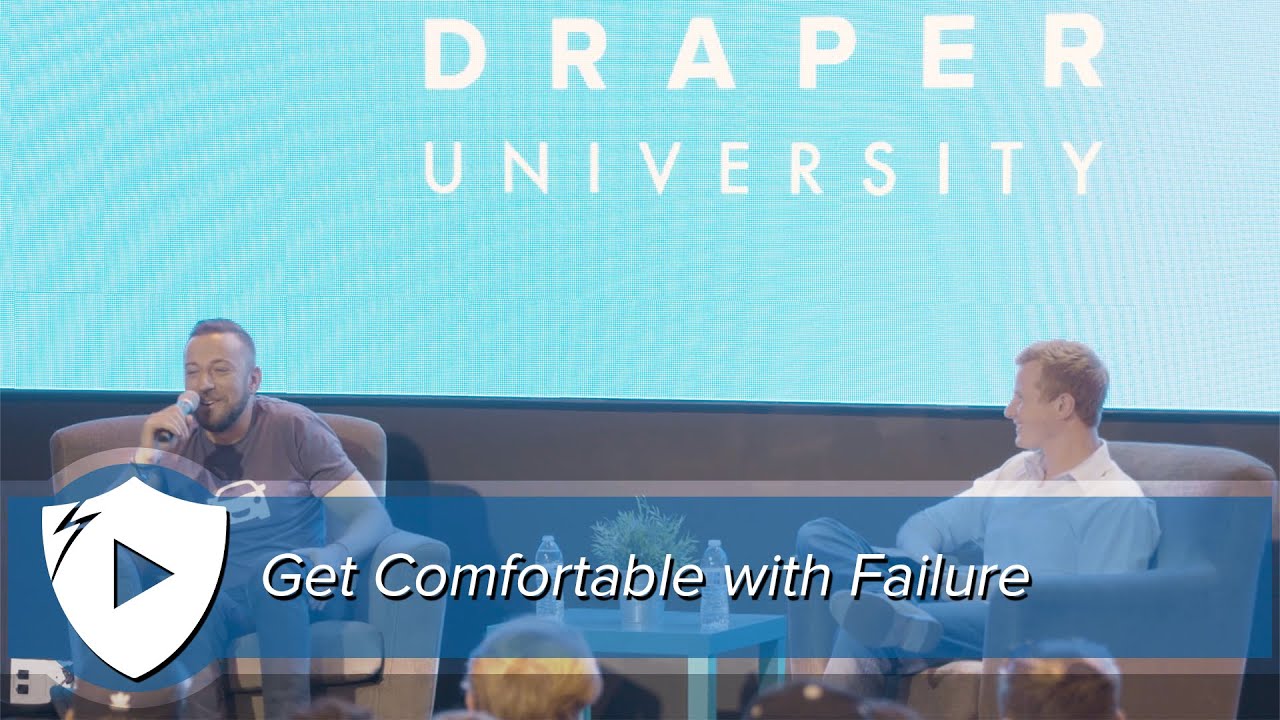
Sam Zaid founded his first company at 19 and talks about leaving his job, early customers, and funding through personal credit cards and a condo sale. He built machine-learning telemetrics work and shares advice on persistence, risk tolerance, and when to pivot or quit as a founder.
Chapters
So Sam, first of all, thanks for being here. Definitely appreciate it. We're just gonna kind of jump right into this. So you founded your first company at age 19, Appian, correct? So could you just talk a little bit about your decision to forego a traditional job and what that journey was like for you and why you decided to go ahead and start a company at that age?
Yeah, it's a long time ago. So a bit of a backstory. When I was younger, all of my friends got jobs in retail or at grocery stores and started making money in high school. And I tried— I polished up a resume and tried to get a job just bagging groceries or doing something. And for whatever reason, Might've been because I was too immature. I just never got hired. So I actually applied to— I had taught myself programming from when I was younger. And so I applied to do sort of like a software development internship when I was in high school at a company that's now defunct called Nortel Networks. this esoteric language called PLS, which was like a variant of C at the time. And it was used for all, like, whenever you made a phone call, it was the code that ran to route your phone calls. So anyway, they hired me. So I started working there, which was great in that I was getting paid 3 times as much as all my friends all of a sudden, which, you know, was like good vindication. However, it was like super boring. And I had sort of like been really into computers when I was a kid, and then I— thought being in a job doing computer stuff would be really fun. And it turned out it was like the Hollywood— like the opening scene of The Matrix, where Neo's working in a cubicle and everyone is— not everyone was wearing suits, obviously. But it was sort of that. Anyway, so long story short, I didn't really— I lost my love for computers. and coding because of it. And I really didn't want to work in a big company, even though I did go back and work as a photonics engineer because I thought that would be different. And it was more stimulating. But in the end, I just decided that wasn't for me. And so I went back into software because it was about the only thing I could do without a lot of money and started my first company and managed to get a small grant. I forget how much it was now. It was like $25,000 or something. $30,000, but got us going. The rest of it I put on my credit card, which was an interesting experience.
So it sounds like you were actually making some good money at that job. Did you get any pushback from friends or family about what are you doing, what are you giving up, or what was that experience like for you?
Yeah, so I was making good money as a photonics engineer, and I told my dad that I was quitting and that I wanted to do my own thing. And he told me, no, no, you should stay a couple more years, more stable. I had just bought a condo that was pre-construction. So anyway, I decided I was just going to leave. So I quit and ended up selling my condo, because I needed my, like, whatever it was, $30,000 deposit back. And that was a big mistake, because I definitely would have made like 3x my my return on that if I'd had an extra $30K at the time, but I didn't. And then, yeah, then I— but once I made the decision, my parents were pretty supportive. They just tried to talk me out of it before I did it. Incidentally, all of my brothers and my sisters are all entrepreneurs now and have all done pretty well for themselves. So my parents are more entrepreneurial than they ever were before.
That's great to hear. OK, so you were 19. Just starting a new company, I'd like to talk about your early, early traction and getting your first few customers. How were you able to convince them to trust you without any real traction to date or experience in that regard?
Yeah. I dyed my hair silver. No, I'm just kidding. I did think about that at the time, though. I was like, just put a little bit of silver lining in, like, you know, maybe get a little bit more credibility. You know, honestly, we just started small. As far as I remember, I— the first— incidentally, one of the first things we ever did was in telematics. I was working with a company called Trimble that does long-haul systems for long-haul trucks for, like, tracking them and GPS. And this is a long time ago, and their stuff was really—
It was.
Terrible at the time, but it was state of the art. And put a proposal together. They said it was expensive, but well done. And so we started working on some stuff, and that led us into building the framework that became the basis of— was one of the things that led us into building the machine learning framework we built as part of that first company. And Yeah, it was just like one step at a time. And a lot of setbacks. I mean, stuff would happen. We thought we'd get something, we didn't get it. I don't know, you just don't give up.
Perfect. So, that's actually another question that I'm always struggling with as young founders. So, we usually hear 2 things quite often when you're trying to start a company. Number one is your first company is not always your biggest success. And then number 2, to never give up. So where do you kind of find that balance of saying, hey, I don't want to give up on this, but this may be not the right business for me at the right time? And how do you know when it is that time to move on?
I guess there's 2 things. One is whether you give up on being an entrepreneur versus you give up on an idea. And so I think most people would say, like, if you want to be an entrepreneur, there's a way to do it. Don't give up on that. You basically only fail once you stop trying. Now, as far as company you're working on, I think on that front, people generally tend to give up too early. Most of the time, it's not going to be easy. And you're probably gonna be on the brink of nonexistence more than once. And part of the thing about being, I think, a founder of a company is you have to adjust your tolerance for risk and uncertainty and feeling comfortable when you're walking on the edge of a cliff and you might fall off. So I don't know if I'm answering your question. I think what I would say is I would just never give up on trying. Now, if you want to adjust your idea or do a different idea, there are things like that you can do. Just make sure you give everything a fair shot before you do it. A lot of people think they're going to build something and then like, oh, it didn't work. Must be a failure. Move on. Not really true. There's a lot of dimensions to— a company, and it takes great companies a long time often to become great companies. It's true of a lot of overnight successes that people talk about today. As an example, I know the guys from Shopify very well, from when they were just 2 people starting that company, from when they had a different CEO, when they were borrowing money to make payroll. Things were not very rosy for those guys. Now they're great. Now things are really cranking for them. That's usually the story with a lot of startups. They easily could have given up along the journey, and they never did. And it wasn't about— it was always about just like, you just got to land the next step.
Right.
You don't have to know what you're going to do after that. As long as you can get solid footing for a moment, then you can decide. I guess that's how I would answer it. I don't know if I really answered it.
No, it's a tough question. I don't think that there really is a right answer. I think it probably is different for everyone.
It's OK. I mean, you also just get comfortable with failure.
Right.
Failure means a lot of things. It could mean one little small thing. It could mean a lot. I mean, most of the companies I've been a part of, we have been on the edge of insolvency many times. just sort of like par for the course. It doesn't sound pleasant. It's not pleasant. But you've got to figure a way out of it. And part of it is just like leaning, believing in yourself, your own creative ingenuity. There is always a solution. It might not be a pleasant solution. There is one. And you've just got to feel comfortable you're going to find it.