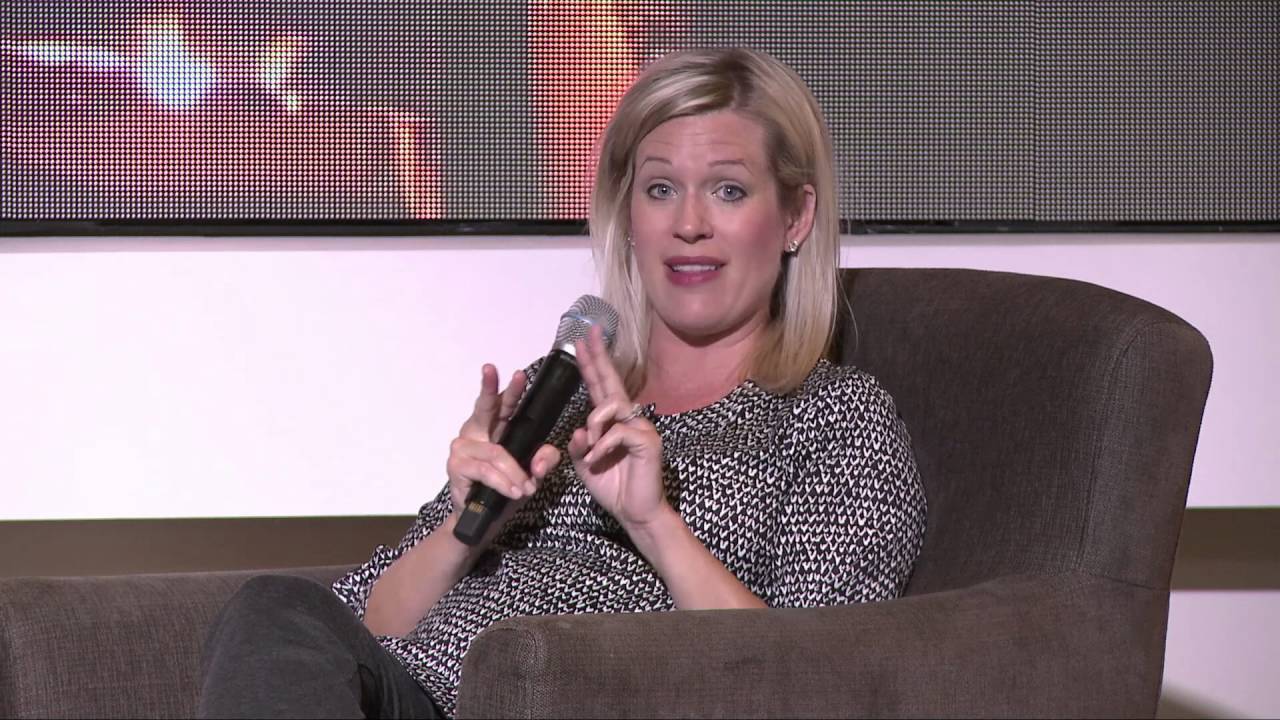
Emily Dabrant Conley talks with a 23andMe representative about how the company built a genetic database through direct-to-consumer testing and partnerships with pharma giants like Pfizer and Genentech. The genetic data helps drug makers find better candidates for trials, improving discovery odds for treatments like PCSK9 inhibitors.
So on that note, in terms of the Silicon Valley ethos, so I started out reporting on the East Coast in New York and then moved out here. And I think that there is a bit of a sense among some investors or even CEOs I've talked to on the East Coast where they feel like Silicon Valley is just like move fast, break things. And especially in the health industry, they're not ready for the FDA. Is that a fair assessment?
I think it is. Anne, our CEO, was giving a talk Similar to an audience of young entrepreneurs, and she was talking about the regulatory process, and she said, you know, we had to file a 510, and someone raised their hand and said, you know, oh, is that like a form you download online? Like, where do you download the 510? And she then relayed this to an audience of pharma execs who all like erupted in laughter, and therein lies the divide, that there, I think, is like an educational divide among new rising entrepreneurial companies and also this desire to want to just move quickly. And I think there has to be a balance. And we've learned that the hard way, that there, you know, when we're talking about health and safety, there is a regulatory framework that they have to abide by. And so, you know, I think the companies that, that try and balk that system, maybe in some industries that works, but certainly when we're talking about, you know, the healthcare industry, you know, I think you have to comply.
Yep, so on the flip side, I'd like to talk a little bit about the partnerships you've had with big pharma. Because on the flip side, you have a lot of the biggest pharma companies, Pfizer, Genentech, coming to 23andMe and saying that they want to do deals with you. So can you talk a little bit about what those partnerships look like, why you think that these traditional pharma companies are looking to 23andMe, what they want to get that you guys can provide to them that they just couldn't find on their own?
Yeah, definitely. And maybe I'll talk about the business model just a little bit in case there are folks who are less familiar with the company. So the primary focus of 23andMe has been providing this direct-to-consumer product. When we do that, when people join 23andMe, we invite them to participate in research. We work with something called an IRB that regulates our research, and we ask people if they'd like to opt in, and then we ask them questions about their health. So what diseases do you have? What medications have you taken? Do you smoke? You know, how much do you exercise? Things like that. And more than 80% of the people who do 23andMe opt in to participate. And that's enabled us to create the largest database, really, in the world of genetic information and information about health that we can then combine for research. And so the business model, there's this direct-to-consumer piece of the business model. We then have what we talk about as kind of research services, or where we partner with external groups that want to do genetics-based research. And we have kind of an unparalleled asset in the database that we've created. And then the third piece of the business model that we just announced last year was the launch of our own internal drug discovery and development efforts. And so in terms of your question about what companies are interested in, you know, I think in the early 2000s there was a lot of promise around genetics. It was the first time we'd mapped the human genome, so we kind of knew all the letters of the DNA. And there was all this enthusiasm that by mapping the human genome we were really going to solve all of these very intractable diseases— Alzheimer's, epilepsy, things we couldn't you know, that we hadn't been able to tackle before. And in the early 2000s, you know, some of that enthusiasm started to melt away as there were technical hurdles that were faced and things didn't turn out exactly that way. And now I feel like we're kind of swinging on the other side of it where the technology has evolved, it's cheaper, we have more data, and we're able to now start realizing some of that promise, the promise of genetics, the promise of big data. And so what pharma partners are looking to with 23andMe is a way to bring in information about humans and DNA into that drug discovery process. So a lot of drug development historically has been predicated on studying things in animals, which can have a lot of challenges when you translate that to humans. And so currently, like, 9 out of 10 drugs fail when you put them in a human in a clinical trial. And that's why it costs $2.5 billion to bring one new medicine to market, is because you're paying for all the failures that happened leading up to the one that worked. And that was 1 out of 10 that you put in humans. It's probably 1 out of 100 or 1 out of 1,000 that you kind of started the development process with. And so in recent years, we've started seeing these examples of drugs, of therapies that have been based on human genetic data. where people have been identified that have these really rare conditions that seem to be driven by genetics. And then it turns out that they can isolate what the gene is, and it's druggable, and they can target it. So one example is PCSK9. And that's a gene that was identified in several groups of people maybe 10 years ago. And turns out it's a really great drug target. And now there are 3 different companies that have cholesterol-lowering medications targeting that particular gene. And, and so the probability of success was so much higher there. And I think that's what 23andMe has been able to bring to some of our partners, is the ability to bring in human genetic data into the development cycle so that your probability of picking the right drug target can go up.