Getting Tech Journalist attention 2 | Dylan Tweney
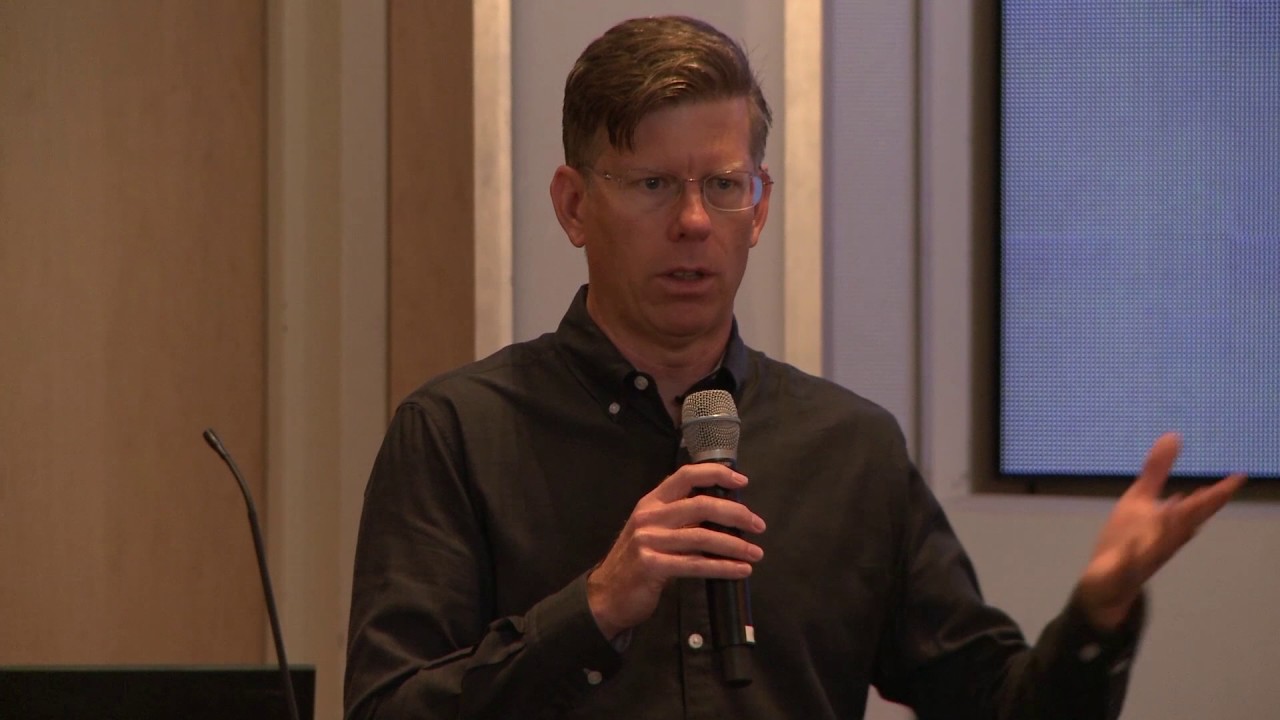
Dylan Tweney explains what makes a startup story worth covering: emotion, unique history, personality, conflict, and audacity. He advises founders to focus on reaching customers directly rather than chasing press, and to target reporters who actually cover your space.
Chapters
Okay, so what really matters in getting coverage? And actually, I'm gonna talk not just about getting coverage, but about communicating with people, because I think this is what your goal should be as a startup. Your goal really should not be to get PR or to get coverage. Your goal should be to get a product out there in the hands of customers, right? And get those customers to start paying you. PR is a tool to get customers aware of you, as is content, and the goal is You want to communicate with human beings who can make a decision to purchase your product, or if you're giving away your product, they'll make a decision to install your product or sign up for your free trial or get it in some way. To communicate with humans, there's just no better way than telling a story. And I think there's probably a neurological explanation for this, but the The human brain is wired for narrative. It's wired to be very receptive to stories, and it probably has something to do with how we started out in caves or on the savanna or something, like telling each other stories about how to avoid eating the dangerous mushroom that would kill you if you ate it, right? Or what, you know, how do you successfully kill a woolly mammoth, right? Probably the way that people conveyed information and perpetuated the species is by telling stories. And so there's something in the human brain that's really primed for a story. Okay, we're gonna talk in a minute about what a story is. You need to tell a compelling story. You need to understand who that story will matter to, because not all stories are gonna be equally interesting to all people. So that second line is your customers, right? Your potential customers. Who is this gonna matter to and why? Okay, now the third line is which story, what story will interest which readers means how do you find the subsets of your customers that overlap with the audiences of specific publications or of social media networks that you wanna reach? And then once you find those overlaps, what are the stories that will most effectively communicate with the people in those in those groups. Okay, and then finally, if you wanna get coverage, you gotta get it in the hands of the right reporters and editors at the publications who cover what you do and who reach the readers you wanna reach. Okay, so it's all about the story. There's a lot of BS out there about storytelling, and so I kinda, I'm a little bit reluctant to use storytelling, but as a term, 'Cause like in brand and marketing communications, you can take a picture, it's alright. In brand and marketing communications, storytelling is kind of a buzzword right now, but I think the underlying word story is actually still really useful. So what makes a great story? First of all, emotion is really important. People are not convinced by facts and figures and logic. You can get facts and figures and logic to people, But only if you put it on the conveyor belt of emotion, right? Now, you're probably all thinking like, I'm a very logical person. I'm a computer developer, and I've studied math, and I can be persuaded by logic. Okay, you're unique. I'll give you— I'll grant you that. But also, you're primed to understand certain things if you're, you know, if you're in a conversation with a developer friend of yours and she's making an argument about why a certain kind of blockchain technology will work and will not, you may be susceptible to logical argument because you know this person and you have a vested interest. But if we're talking about humans that don't know you and have no relationship with you, you've got to engage them with emotion. Okay, some ways of doing that. Having a unique history. People like hearing, like, the backstory of things, right? So if you have a unique history, you came from an unusual part of the world, Rural Ohio or something, right? That startup entrepreneurs don't typically come from, or you lived in a car because you were homeless, or you didn't go to college until you were in your 30s, or you know what? There's all kinds of interesting stories that make you different from other people, and you need to connect with that because that's potentially a way that you can connect with people. A unique personality. Okay, so this one you can't really do unless— I mean, you'll know it if you have it, but some people are outspoken, And they're funny, they're foul-mouthed with— and somehow don't offend people, or they take their dog everywhere. I don't know. If you have that kind of personality, like, that's good because people are interested in other people who have personalities that are different, right? Okay. Challenge. If you're up against something really tough, that makes for a good story too, right? The example that I like to use is like, okay, we all know the story of Star Wars, right? So Star Wars is not an interesting story because Luke Skywalker got into, you know, the spaceship and flew up to the Death Star and blew it up, right? Like, that is the world's most boring story. No, what happened was the Death Star is coming and like it blows up a planet And then the rebels are fighting it, right? And then, I don't know, all this other stuff happens. And then like Luke finally makes it into, into one of these X-wing fighters and he goes up with his best friend and they're flying along and then like Biggs gets shot down and like then he fires a photon torpedo but it misses and like the guns are shooting at them. You see what I'm saying? Like it's hard. You do, I mean, you know Luke is going to blow up the Death Star, right? But, It doesn't happen right away, and that reason is because the people who wrote that story know, George Lucas knew, that what makes for a good story is conflict, right? It can't be easy. So your story is similar, right? You're a startup. You're sitting at like 2 desks here in Hero City, and you haven't raised much funding or maybe a tiny bit of seed funding. You're barely holding on by your fingernails, right? That's potentially an interesting story, because you're living the struggle, and the struggle is potentially an interesting story, because people relate to challenge, and they want to hear about challenge. So the temptation is often, once you've raised money, once your product is out, the prototype is in the hands of people, or you have thousands or tens of thousands of people signing up for your free trial, then you want to downplay all the struggle that brought you to this point. Don't do that because that's actually where the story gets interesting to people. Okay, tugging on heartstrings is engaging people on things that really make them feel good or feel really sad, right? Like you're doing something good for the world, you're, or you're, I don't know. This is basically another version of the emotion story. If there's something that you're doing like saving baby seals or stopping climate change as part of your mission, right, or there's a startup up in the city a couple years ago that was creating buses, retrofitting buses so that homeless people could take showers because showers are not something that is really accessible if you're homeless, and that's like, wow, that is a moving story, that is good. So, that kind of angle, if you have it, can be really useful. Audacity. You're going up against the big guys, right? You're like, I have a search engine that could compete with Google. Yeah, I'm going to take on Google, right? That's like, okay, that's crazy. People like that. Maybe don't do that one. Okay. Conflict. That's the challenge thing. People like conflict. So, again, Maybe you're not fighting Google, but maybe you're fighting up against some other entrenched bureaucracy, like the FDA or something, right? Actually, Theranos is a terrible example of that, but they used to be an interesting example. The FDA won in that case. Sorry. But that kind of conflict is good. But it could be a smaller entity too. It doesn't have to be the FDA. It could be, I don't know. A hospital. Uber and the taxi industry. Uber and the taxi industry, there you go. Hard to know who to root for in that one. Okay, Lyft, that's right. Okay, and then finally news. People are interested in news, and so stories aren't all necessarily about emotion and conflict and stuff. That definitely helps engage people, but people are also intrigued by novelty, something that they haven't heard before. So we're gonna get to what the news is next. News. Actually, we're gonna get to this next, but we'll do the news after this. Okay, so whether you're writing for your own blog or you're writing bylines that you wanna contribute or you're just writing out your company mission statement or you're getting ready to do PR, it's very helpful to kinda write out what your story is. Doesn't have to be for publication. I just feel like it's useful to say, here's what we do, here's how we got here, and And here's what we're all about. And this can inform what you're doing later in terms of creating content that people will actually read. But at least spend some time thinking about what your story is if you were going to tell it to people. So, Tim, you've been talking about the importance of storytelling.
More from Tim


He Sold His Car to Build This Startup, Then Pitched It for $1M 😳 #Startups #AI

This Startup Moves Your Crypto BEFORE Hackers Can Steal It 😳 #Crypto #Cybersecurity




15 Months Without Refrigeration?! This Startup Thinks It Can Go Global 🥥 #FoodTech #Startups



