Here's What to Avoid During a Pitch to Venture Capitalists | Toba Capital VC Patrick Mathieson
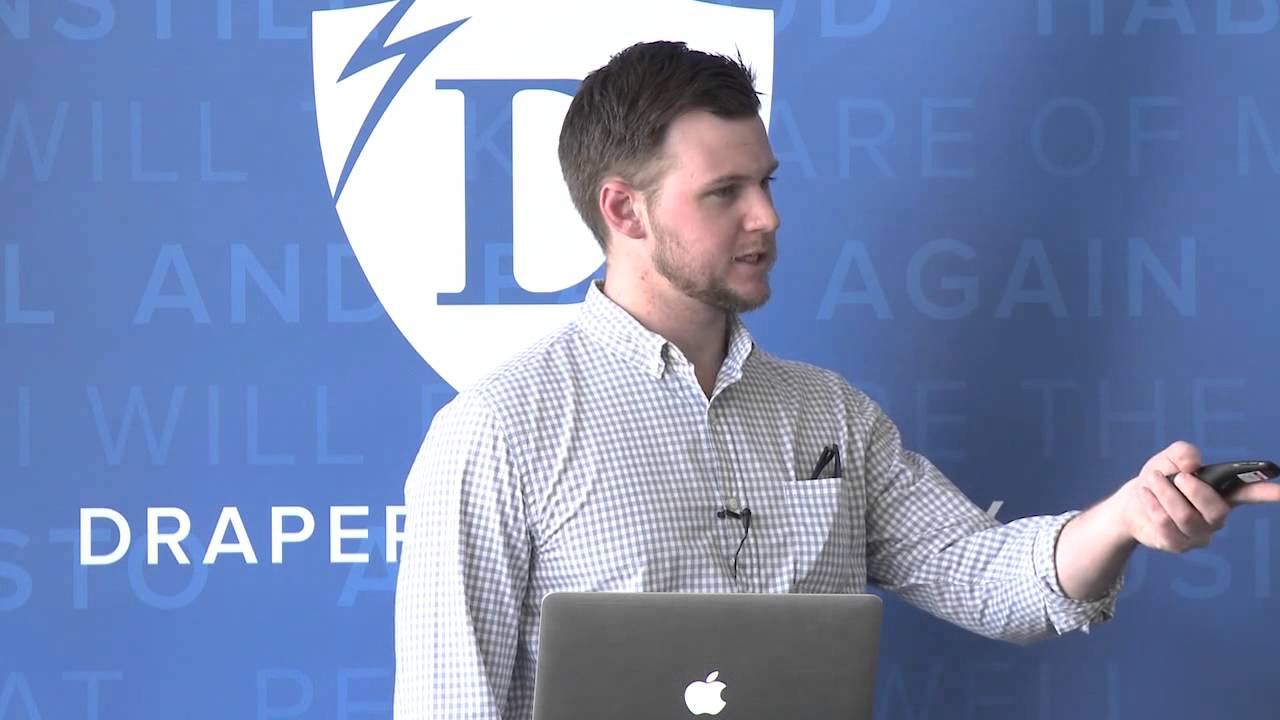
Patrick Mathieson of Toba Capital outlines seven mistakes entrepreneurs make when pitching VCs: using excessive jargon, focusing too early on exits, deflecting responsibility, requesting NDAs, bringing multiple people to calls, over-groveling, and misreading the role of EIRs.
Chapters
Okay, this is the more fun part. So I listed 7 things you really want to avoid doing. So this is mostly stuff that I've kind of experienced myself and things you just generally want to avoid. Very bad things. Okay, so we talked about this earlier when we were talking about being concise. So business jargon, when used unnecessarily, is really bad. A lot of people like me that meet up with a lot of startups and see a lot of these materials over and over, there's sort of these buzzwords that come on over and over. Like if I see the word predictive analytics for big data in the same sentence next to each other, like those are both things that are real. Predictive analytics and big data are real. When you put them right next to each other and you say that over and over, like there are things where that's real, but more often than not, that's just like jargon that's intended to make it seem like you're doing more complicated things than you actually are. There's another billion sort of examples, but just like stuff that comes straight out of business textbooks that just talks about marketing and targeting strategies and just all this excessive jargon, it's a really big turnoff. The more you can talk about— well, we already talked about this. If you can talk about your company in layman's terms, it's great. I use Uber as an example. So you could talk about Uber and you could talk about it's a logistics platform and it's part of the sharing economy and it's all this sort of crazy backend, But a really powerful way to talk about that company is to say it's an app that hails a taxi for you and it's half as much as a taxi. That's a much more powerful way to talk about what your company does, which is why I kind of just tell people to avoid the jargon if possible. So not every venture person is going to agree with me on this, so this is more of my personal take, but I really don't like hearing from entrepreneurs who are really overeager to talk about exit strategies and how the company's gonna sell, who's gonna buy your company, how soon are you gonna IPO. If we go back to the dating analogy, this is like on the first date, you're already planning the divorce. It's kind of putting the cart before the horse, kind of which we were talking about earlier. The appropriate way to approach this is the right amount of critical thought, but not totally over-engineering it. Very commonly, a venture capitalist person might say to you, okay, who is going to acquire your company? Who are the plausible people that you can get an exit from? It's good to have thought about that a little bit. You could say, oh, maybe Salesforce or Oracle, those are plausible people, but mapping out and engineering your company from day one to be acquired or be sold or whatever, at least in my opinion, is a really suboptimal way to build your company and sort of shows— a predisposition towards short-term thinking rather than actually building a company that's going to have value over the long run. So I would just avoid bringing this up unless you're asked directly about it. Again, just my opinion. This is another big one, so deflecting responsibility. Are you guys all the CEOs of your company? Are any of you like the— is that how it's going to be? Are you like the technical co-founder with another CEO? Sometimes we're in groups and We haven't decided what position he's gonna sit in. Okay, well generally the person talking to investors is the CEO, so that's kind of my assumption going forward in this conversation. If you're the CEO and you are talking about what are sales gonna be this quarter or when is the product gonna ship, acting in any way that suggests that you don't own the outcome of that question is a very bad thing. I met a CEO I think 3 months ago And their company was further along. We were talking about doing their Series B, and we basically asked, okay, how's the quarter going? How are sales coming in? And we said, okay, are you going to make your number before the quarter is over? Are you going to hit your revenue target? And then the CEO basically said, well, the VP of sales is on that, so we'll see how he does. And that's just a really bad thing you don't want to say, because as a CEO, you ultimately own— and again, not just the CEO, but if you're on the leadership team of the company, you own the success of the company in general. Basically claiming that your employees are responsible for really big picture outcomes is just kind of a bad signal to send. You want to defer to basically saying that you own everything going on in the company, especially revenues and especially product shipping. Is that because you want to see accountability or because you think it lacks leadership to not word it that way? It's both. I mean, think about sports, right? So if you're the— you're hiring your head football coach or something, right? You want to hire— the kind of leadership you want is where when the team succeeds, the coach is basically saying, oh, it was all the players. You defer or you deflect praise, but you take in responsibility, right? So you say, oh, we lost, it's on me. So it's generally poor leadership, in my opinion, to just say that the key thing that our company is trying to do, which is build product and sell it, Anything but the responsibility of the people running the ship.
Thank you.
Another one, I don't know if you guys talk about this at all, but NDAs, non-disclosure agreements. Unless you do something super hardcore like hard science-y or like you're building a pharmaceutical company, you generally just don't want to ask investors to sign an NDA. It's kind of an amateurish thing. The main reason, honestly, is that investors just— or VCs that see a lot of people every quarter don't have the bandwidth to hire lawyers to vet these things and sign them. They would rather just basically not talk to you than have to figure out how to do the NDA. This sort of dovetails with the comment before about the— we were talking about the pitch deck and how the pitch deck is basically a tool to allow the people that work for the venture to allow the venture people to work for you. This is the same sort of thing. By introducing the NDA, which is sort of the equivalent of not having a deck at all, you're introducing friction into the process, and you're basically slowing down the ability for the people in the fund to work for you, which is just counterproductive to your purposes. This is sort of tactical, but generally a good thing just to have one person on the phone at once. As an investor, it's kind of a pain when there's like 3 people on the phone. You don't know who's talking. You have to remember the bios for everyone. Like, oh, was that the CFO? Was that Jeff? Especially if they're all the same gender, it's really hard to tell who everyone is on the phone. So if possible, stick with one person. That also allows you to have a more concise message. If you do an in-person meeting, there's a lot better opportunities to showcase your team. But for the more early calls, one person is best. So by groveling, I basically just mean, overpraising the person you're talking to. I mean, you don't want to be in a meeting like with, oh, Marc Andreessen, like, you're a visionary, you're amazing, like, oh my God, you invented the internet. Like, you just want to treat people— and this is kind of one of my general themes— like, everyone is just— all of you guys, like, the Drapers, like, everyone around here, I mean, we're all just people. Like, no one deserves any more respect than anyone else. So you don't want to go into conversations kind of presuming that other people are just that much smarter or that much more brilliant than you are. We're all just kind of figuring this out as we go.
Actually, for the MVP part, I have a question because I've met a lot of entrepreneurs saying like there's a lot of VCs that have entrepreneurial residents and what they do is just like—
Sorry, say that again? Entrepreneurs in residence?
Entrepreneurial residents. So basically those people are the ones who got advice from the VC about what you should do. this is a good idea, let's go for it, and I'll give you the money. Usually those kind of ideas are from the pitch decks that other entrepreneurs sent to them. So I was wondering what is your opinion about the VCs disclosing all those information to their entrepreneur prospects?
So yeah, I mean, I haven't met that many EIRs, so I've only met a couple. We don't have one, so I can't really comment on that practice. I know that people are worried about— or people starting companies are worried about getting their ideas taken and shuffled to these EIR folks. I don't know enough to say whether that's a real concern or not. I would say in general, the benefit that you get from sharing your ideas and giving people an opportunity to talk about what you're doing and introduce you to people that can help you, generally outweighs the risk of having your idea taken. Just because even if someone takes your idea, they still have to build a team and execute on it, right? So if you've gotten an early start on it, you still have an advantage there, generally. There probably are some exceptions to what I'm saying, so I don't want to do a blanket statement, but I think in general, people that are willing to be open and evangelize for their ideas and what they're doing, I think generally tend to perform better than people that are secretive about their ideas, on the whole. I'm sure there are exceptions to that. Last one. So I call this anti-groveling. So it's basically the opposite of groveling to your venture people, which is basically presuming that the person that you're talking to on the phone is a complete waste of your time. There's a lot of— if you read blog posts for entrepreneurs, there's kind of this line of thought which is that You need to bypass the associate as quick as possible. You need to get to partners because they're the ones who can— have people told you guys this? The ones who can make the investment decisions. Get past people like me as quickly as possible. And that's fine. I totally get it and it's totally right. I can't generally make investment on my own. You need to hitch your wagon to a partner. That's totally true, but when you're on the phone with me, I'm generally the person in a position to be the bid— biggest advocate for you possible. So coming off like— I got an email the other week, and this person basically said, if you can put me in touch with someone who actually has decision-making authority so we can just get on with this, that would be great. I was like, wow, that's not really showing a lot of respect for the person you're talking to. So just strike a balance between trying to get to people who are able to make decisions while at the same time showing respect for the people that can help you along the way.
More from Tim


He Sold His Car to Build This Startup, Then Pitched It for $1M 😳 #Startups #AI

This Startup Moves Your Crypto BEFORE Hackers Can Steal It 😳 #Crypto #Cybersecurity




15 Months Without Refrigeration?! This Startup Thinks It Can Go Global 🥥 #FoodTech #Startups



