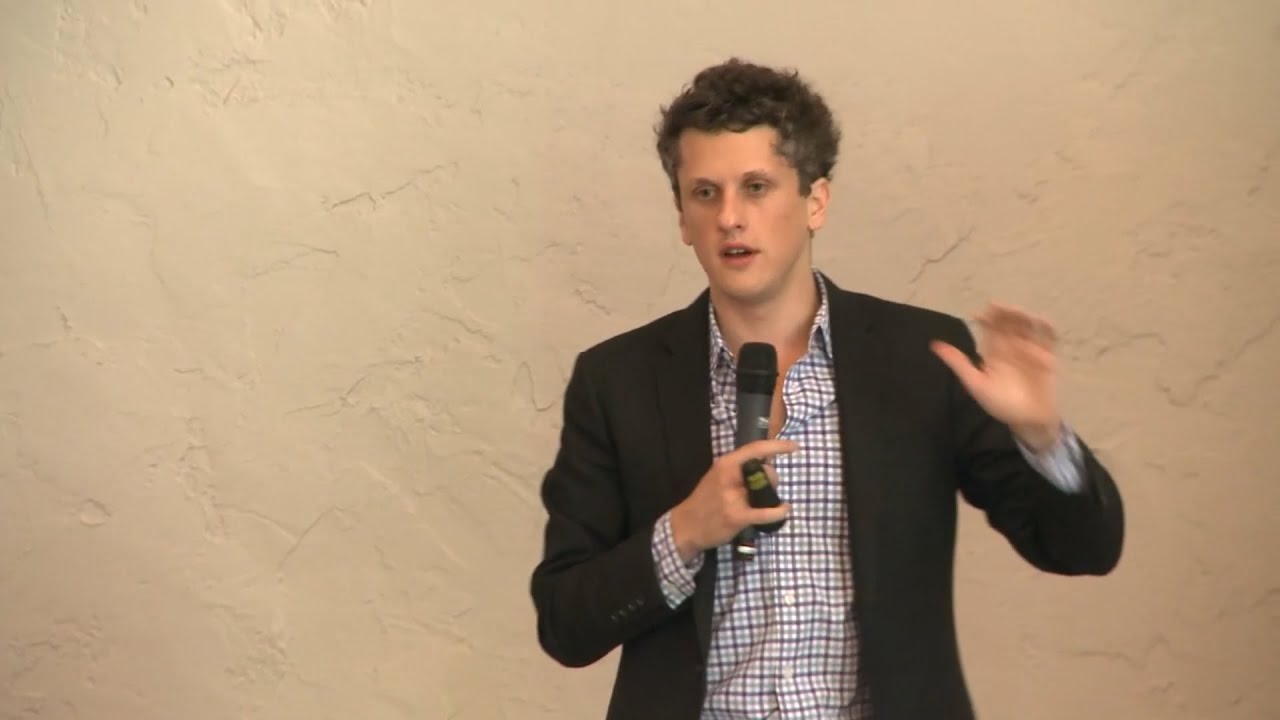
In this interview excerpt, Box co‑founder Aaron Levie recounts the unconventional, high‑volume outreach tactics his team used to secure early funding in 2005. They faxed a business prospectus to Bill Gates' office, mailed materials, and even visited investors in person, but received no response. Levie then emailed Mark Cuban—not to ask for money, but to request a blog mention—only to be invited to invest. Cuban mailed a $350,000 check, an unusual delivery method that surprised Levie's roommates. The infusion of capital prompted the founders to consider and eventually decide to drop out of school a few months later. Levie emphasizes the low downside of persistent, contextual outreach and frames the experience as a lesson in relentless hustling.
Chapters
The— well, you know, what's interesting about these things is, like, the— you know, Mark Cuban ended up being the guy who invested. We probably pitched about 100 other people. So we did everything from— we actually— we faxed a business prospectus. This is when people used fax machines. I feel like I'm from the '60s. So we actually faxed a business plan to Bill Gates' office. That was the only way that he would allow outside transmission. That's amazing. And we didn't get a response. So, you know, we tried faxing people. We tried mailing things. We showed up at people's, you know, sort of offices. We showed up at one guy's house. That also didn't get the investment that we were hoping. And then we also emailed a lot of investors. And one of those people that we emailed was Mark Cuban. Funny enough, we actually did not email him explicitly about investing in the company. We actually were emailing him because at the time in 2005, He actually had one of the more popular blogs on the internet. So we actually saw him as a sort of marketing and awareness channel for the product. If we sort of, hey, Mark, can you write about this company that we're building? And he responded saying he'd be interested in investing, actually. So really, really kind of serendipitous that he had been thinking about the space a bit. And we got lucky that it sort of aligned with his interests. But in general, the main lesson, the meta lesson is, There's almost no downside. Actually, I can't think of any downside, except for like a restraining order, to just pinging as many people as you can for opportunity. And you want to make sure, obviously, it's incredibly contextual and that you're not just sort of sending it to everybody, but you're sending it to the people that make most sense. And we did that, and we got very lucky that Mark was the person that was interested. How was it getting that check from the dorm room? That was crazy, because actually what was funny was I'm not super into sports, and so I didn't realize the significance of— because Mark Cuban owns the Mavericks, and I didn't realize the significance, but my roommates at the time were huge basketball fans, and they were just like— they had no clue what was going on, because they weren't paying attention to the internet or the stuff I was doing. So all of a sudden, you know, there's a $350,000 check from Mark Cuban, and they were just like, I don't know what kind of weird shit you're into or doing, but okay, that's fine. So that was cool. So, you know, anytime you can get a couple hundred thousand dollar check— and what was cool is that They mailed the check. I mean, usually you don't do that. Usually you wire the funds. So that was also weird. And— 'cause anybody could have probably intercepted the check and had a good weekend or something. But— so that was good. And then that kind of led to us deciding to— you know, we were like, well, what does Mark Cuban know that we don't know about how big this is going to be? And that kind of led to us realizing that we probably should think about dropping out. And we did so 3 or 4 months later. So, you know,